[directorist_add_listing]

Burton Welcome West Ham as FA Cup Fourth Round Brings Pirelli Stadium Spotlight

A packed Pirelli Stadium and the sharp edge of knockout football set the tone for Saturday lunchtime as Burton Albion host West Ham United in the FA Cup fourth round, with a place in the fifth round on the line and no replay to fall back on if the tie finishes level.

The setting is the sort the competition was built for: a League One side fighting on domestic fronts but handed a rare, energising detour, and Premier League opposition arriving with expectation, a busy calendar, and the knowledge that one messy afternoon can turn into the headline nobody wants. Kick-off is scheduled for 12:15pm GMT on 14 February 2026.

The mood around Burton has been lifted as much by the manner of their most recent performance as by the occasion itself. Last time out, the Brewers showed real character to come from behind twice in a 2–2 draw away at Port Vale, with Jake Beesley scoring both goals to rescue a point. It was the kind of response that matters heading into a cup tie: evidence of resilience, belief, and a forward line capable of taking chances when momentum swings. That match also offered a reminder of the strengths likely to underpin the game plan here—staying alive through difficult spells and backing themselves to strike back when opportunities appear.

West Ham’s latest outing carried its own emotional punch. A 1–1 Premier League draw at home to Manchester United on 10 February looked set to become a valuable win until a stoppage-time equaliser denied them, after Tomáš Souček had put the Hammers in front. Jarrod Bowen was central to the goal, his driven delivery contributing to the breakthrough, and while the late concession hurt, there were still positives in the structure and the ability to compete against top-level opposition. That blend—encouraging spells paired with moments that still need tightening—has been a theme, and it’s part of what makes this cup trip a potential test rather than a formality.

Recent form provides a fascinating contrast in pressure rather than quality. Burton’s league situation brings urgency week to week, but the FA Cup offers a different emotional space—permission to be brave, to take risks, to play for something that instantly becomes memorable. Gary Bowyer has leaned into that spirit in the build-up, openly framing the tie as an opportunity for his players to become “history makers” for a club that has never reached the FA Cup fifth round. That message matters, because it’s often the mindset—rather than the tactical diagram—that decides whether the underdog can keep the contest alive deep into the second half.

From West Ham’s perspective, the challenge is to approach the afternoon with the intensity of a league match but the ruthlessness of a cup specialist: start quickly, remove the oxygen from the stands, and avoid the kind of chaotic rhythm that hands belief to the lower-league side. Even the preparation has reflected the reality of modern FA Cup ties without replays, with penalties a genuine possibility if Burton can force a stalemate. That practical edge is telling—because it suggests the visitors are taking the risk seriously rather than treating it as a box-ticking exercise.

Team news adds another layer. For West Ham, defender Jean-Clair Todibo is suspended and therefore unavailable, while goalkeeper Łukasz Fabiański has been managing a back issue and is listed among the absentees in the latest injury reporting. There has also been fresh concern around forward Pablo Felipe in the immediate build-up, with local coverage suggesting he will miss the trip. Burton have had fitness issues across the season and Bowyer has referenced an improving injury picture, but one clear absence flagged in matchday reporting is midfielder Charlie Webster, still recovering from ankle surgery.

As for who is in form, the headline pick for the hosts is straightforward: Beesley arrives off a brace, and beyond the goals, that kind of recent end product can transform the psychology of a cup tie—especially early on, if chances come and confidence is high. Bowyer also singled out teenage midfielder Sulyman Krubally for praise recently, describing a level of trust in the youngster after strong performances in difficult league circumstances, and that sort of energy can be vital if Burton need legs and bravery in midfield battles. On the other side, Bowen’s continued influence in the final third remains a constant threat, while Souček’s knack for arriving in key areas was underlined again against Manchester United. If West Ham control territory, those patterns—deliveries into the box, runners attacking second balls—could become decisive.

All the ingredients point toward a tie that may not follow the neat script people often assume when Premier League opposition visits a smaller ground. Burton’s route to making this uncomfortable is clear: keep the scoreline close, lean into the emotion of the occasion, and turn the match into a sequence of moments—set pieces, long throws, transitions, scraps for second balls—rather than a long spell of defending without release. West Ham’s route is just as obvious: impose quality early, avoid giving the crowd a reason to believe, and treat every loose ball as a warning sign of what this competition can do to favourites. If it’s still tight late on, the pressure will flip quickly, and in a one-off tie with no replay, that’s exactly when the FA Cup tends to find its drama.


Hull 0-4 Chelsea: Neto’s Hat-Trick And A Corner-Kick Stunner

Chelsea swept into the FA Cup fifth round yesterday with a ruthless 4-0 win over Hull City at the MKM Stadium, turning what began as a stubborn, awkward tie into a one-sided statement. In bitter conditions and with snow flurries swirling around a slick surface, Hull tried to make the evening uncomfortable—pressing early, feeding off a sold-out atmosphere, and banking on the kind of chaos that often gives Championship sides a foothold in cup ties.

For a while it worked, not because Hull were carving Chelsea open, but because Chelsea needed time to settle into the tempo and deal with the stop-start rhythm. Then Pedro Neto took over, scoring three times—one of them directly from a corner—to put the contest out of reach, while teenager Estevão added the third as Chelsea’s quality finally flooded the game.

The scoreline suggests a stroll, but the first half had enough warning signs to keep Chelsea’s focus sharp. Hull’s plan was clear: stay compact, defend their box, and wait for moments to pounce if Chelsea got sloppy. They even had a couple of situations where a cleaner final pass or a quicker shot might have tested the goalkeeper properly. Chelsea, meanwhile, created chances before they were truly fluent, and the match had a strange early moment that summed up the night’s fine margins—Liam Delap got into a prime position and didn’t finish when it looked easier to score, a miss that could have fed Hull belief if the game had remained tight for longer. Instead of sulking, Delap responded by becoming the main provider, repeatedly finding Neto in pockets of space as Hull’s defensive line started to stretch.

The breakthrough arrived on 40 minutes and it had the feel of a door finally being forced open. Delap teed up Neto just outside the area, and Neto shaped his body to bend a precise finish beyond the reach of the defence and into the net. It was the kind of clean strike that changes the emotional temperature of a cup tie instantly: Hull’s crowd had been ready to roar at every tackle and second ball, but suddenly they were staring at the reality that Chelsea didn’t need many invitations. Hull tried to regather themselves at half-time, yet within six minutes of the restart the tie was effectively gone—Neto swung in a corner and, with bodies clustered in front of goal and the ball skidding in the conditions, it went straight in untouched. A direct corner goal is rare at any level, and it landed like a hammer blow because it didn’t just make it 2-0; it screamed that the night had tilted completely.

At 2-0, Hull needed something dramatic. Instead, Chelsea’s control became more obvious: the pressing was sharper, Hull’s clearances came back quicker, and the gaps between the home side’s midfield and defence grew. The third goal on 59 minutes was a more traditional piece of attacking efficiency—Delap again supplying the final pass, and Estevão arriving to side-foot in with composure. That moment underlined one of Chelsea’s biggest positives from the tie: the mix of star power and youthful energy, with youngsters playing like they belonged and senior players keeping the performance professional rather than flashy. Neto completed his hat-trick on 71 minutes, once more fed by Delap, finishing with the confidence of a player who knew the game was his. By then, the only suspense left was whether Hull could at least find a consolation or whether Chelsea would add a fifth; Chelsea looked capable of either, but managed the final phase sensibly.

There were other talking points beyond the goals. Chelsea rotated without losing structure: Cole Palmer didn’t travel as his minutes were being managed, while Marc Cucurella was absent due to a hamstring problem, and that context made the performance feel even more convincing from a squad perspective. Reece James’ return was another boost, with the captain getting significant minutes as he continues to build rhythm, and there was also the satisfaction of seeing academy talent involved—Jesse Derry made his senior debut late on, a moment that mattered even in a match already decided. For Hull, the changes they made reflected priorities too: the Championship campaign remains the main mission, and once Chelsea’s second-half surge hit, the cup became a harsh lesson in what happens when you give elite opposition repeated looks at goal.

After the final whistle, Chelsea head coach Liam Rosenior—back at a club where he has deep ties—kept his tone measured and respectful. He praised the players’ attitude, intensity, and work rate, stressing that the “professional” approach was what laid the foundation for the quality to show through. He also made a point of crediting Hull’s league form and the challenge of coming to the MKM in difficult conditions, but he was clearly pleased that Chelsea handled the potential banana skin properly once they found their stride. On the Hull side, Sergej Jakirovic’s reaction was a mix of pride and realism: he acknowledged the gulf that elite finishing and top-level punishment can create, and his broader message leaned toward regrouping quickly and keeping the club’s focus on the league—because when you make mistakes against this level of opponent, they don’t let you off.

One uncomfortable moment also cut through the night: announcements and action in the stadium addressed discriminatory chanting, with reports of arrests during the match. It was a reminder that, even on a night dominated by a brilliant hat-trick and a clean professional away performance, football still has issues that need firm and immediate responses. On the pitch, though, the story was simple—Chelsea were patient, then ruthless; Hull competed, then cracked; and Pedro Neto left with the match ball after turning a chilly cup trip into a showcase.

Groundworks Set to Begin on New Gurnell Leisure Centre

Ealing Council has approved the start of groundwork on the long-awaited new Gurnell Leisure Centre, marking a major step forward in the redevelopment of one of the borough’s most significant community sites.

The decision, agreed by the council’s cabinet on Wednesday (11 February), gives the green light for “enabling works” to begin in the coming weeks. The preparatory phase will include excavation, levelling, drainage installation and site set-up – laying the foundations for full construction later this year.

For residents, it signals that the long-promised rebuild is moving from plans on paper to activity on site.

A flagship facility

The new Gurnell Leisure Centre is designed to be one of London’s standout sports destinations. Plans include a 50-metre Olympic-sized swimming pool – making Ealing one of just three London boroughs to offer one – alongside a waterpark complete with slides and a lazy river.

There will also be fitness studios, a café, and extensive outdoor facilities including a skate park, cycle track, outdoor gym and children’s playground.

Council leader Peter Mason said the approval marks “the next exciting phase” of the project.

“We are committed to bringing a first-class Gurnell Leisure Centre back for residents to enjoy for decades to come,” he said. “In the coming weeks, people will start to see diggers and construction teams on site preparing the ground for the main build later this year.”

Housing plans move forward

Alongside the leisure centre progress, cabinet members also approved the disposal of adjacent land for housing development. Countryside Properties has been named preferred partner for the scheme, which has outline planning permission for up to 300 new homes.

The contract now enters the statutory standstill period required under procurement rules.

Councillor Blerina Hashani, cabinet member for thriving communities, described the project as “once in a generation”.

“Gurnell is a complex scheme, and each milestone gives residents greater certainty,” she said. “Planning permission is secured, demolition is complete, a new leisure operator has been selected, and now enabling works and the residential partnership are approved. Step by step, we are moving closer to delivering the outstanding facility our communities deserve.”

Enabling works are expected to begin in the spring, with the main construction contract and funding strategy due to return to cabinet for approval later this year.

As with all cabinet decisions, the approval remains subject to the council’s formal call-in process.

Rosenior Returns as Chelsea Visit High-Flying Hull in FA Cup Fourth Round

Friday night under the lights at the MKM Stadium brings a meeting that feels bigger than a typical fourth-round tie, with Hull City welcoming Chelsea in a fixture shaped by momentum, narrative and just enough uncertainty to make it properly compelling.

The visitors arrive with the expectation that comes with their status, but the hosts are not playing the role of plucky underdogs this season; a promotion-chasing Championship campaign has been built on belief and brave football, and another big scalp would only sharpen the sense that this group is ready for the biggest stages.

The most obvious storyline writes itself: Liam Rosenior makes a return to a club where he spent significant time as both player and coach, now tasked with navigating a tricky away cup assignment while balancing a packed schedule across competitions. That “homecoming” angle can easily dominate the conversation, but there’s plenty more beneath it. The tie sits at an intersection of priorities—Hull pushing hard in the league and looking increasingly comfortable in high-pressure games, Chelsea trying to build rhythm and edge under their new direction while staying alive in a competition that can quickly become a season-defining route to silverware.

Recent form suggests neither side will be short of intent. Hull’s last outing ended in frustration rather than collapse: a 3–2 home defeat to Bristol City that snapped a strong unbeaten run in the league and left a clear message in the post-match reaction—too many crucial errors, not enough control of key moments. Even in defeat, there was evidence of what has made the Tigers awkward opponents: forward running, a willingness to commit numbers, and a crowd that senses opportunity when bigger names come to town. Chelsea’s most recent game carried a different kind of sting, surrendering a two-goal advantage in a 2–2 draw with Leeds at Stamford Bridge. It was a reminder that the attacking ceiling is high, but concentration and game management still need sharpening—especially in knockout football where one spell can end a campaign.

That blend of punch and vulnerability makes the tactical picture fascinating. The Championship side will believe chances will come if they keep the contest open and press the right triggers, particularly if the visitors rotate. The Premier League outfit, meanwhile, will be keen to start fast, take the air out of the stadium and avoid gifting the kind of momentum that can turn a cup night into a siege. How much Chelsea choose to change will be a major subplot: there’s a clear incentive to keep legs fresh, but the recent two-goal slip against Leeds is the sort of result that often pushes coaches toward a stronger XI to restore authority.

Injuries and availability could influence that selection more than preference. For Chelsea, there are a few notable concerns: defender Tosin Adarabioyo has been working his way back from a hamstring issue and has only recently returned to full training, so involvement may be assessed late; goalkeeper Filip Jorgensen has been managing a fitness problem and is not fully fit; and captain Reece James has been dealing with illness, with his availability dependent on a late call. There is also a hamstring concern around Marc Cucurella following his substitution in midweek, adding another variable at the back. In short, the squad depth will be tested, but there is also an opportunity for fringe players to force the conversation—particularly with a rare free midweek looming after this tie.

Hull’s own injury picture has been a talking point for stretches of the season, and the build-up has again included concerns in key areas. Defender Charlie Hughes has been flagged as a doubt in the days leading into the match, and the Tigers have also had other fitness issues to manage across the squad in recent weeks. The overall mood, though, remains positive; the league position has not been built on good fortune, and there’s a clear structure to the way this team plays even when personnel changes are required.

As for in-form threats, both sides have standout names arriving in good nick. Oli McBurnie has been a central figure in Hull’s attacking output this season, combining penalty-box presence with intelligent movement that can drag defenders into uncomfortable areas—exactly the kind of profile that can punish even a brief lapse on a set piece or second ball. Around him, there’s been goal contribution from other angles too, and the team’s ability to score in bunches is one reason the fixture feels less like a mismatch and more like a genuine examination. Chelsea’s sharpest edge lately has come through Cole Palmer and Joao Pedro, both on the scoresheet in the draw with Leeds as the hosts raced into a commanding position before letting it slip. Their link-up—between Palmer’s timing and invention and Joao Pedro’s finishing—has given the attack a rhythm that can overwhelm opponents quickly, and it’s easy to see why the game plan may revolve around getting them decisive touches early.

All of it points toward a cup tie that should feel alive rather than cautious: a Championship side with promotion momentum and a point to prove after a narrow defeat, against a Premier League opponent with real attacking quality but recent reminders that control can’t be taken for granted. The setting—Friday night, full house energy, and the extra spice of a returning coach—adds the final ingredient. If Chelsea start as they did against Leeds, the path looks straightforward; if Hull land the first punch or force the game into the kind of messy, emotional swings cup nights thrive on, then the fifth round will be anything but routine.

Havering Hosts First-Ever Cohesion Summit at Town Hall

Havering Council has staged its first ever Cohesion Summit, bringing together faith leaders, community groups, police, politicians and residents for a packed afternoon at the Town Hall focused on keeping the borough united.

The Council Chamber was filled as speakers addressed a shared question: how does Havering remain safe, calm and cohesive in an increasingly polarised world?

The message was clear – cohesion doesn’t happen by accident. It takes effort, honesty and, at times, uncomfortable conversations.

Shelley Hart, from Havering Volunteering Centre, highlighted the power of grassroots action, arguing that volunteering not only strengthens neighbourhood pride but builds the everyday connections that prevent division from taking root.

Sidra Naeem, representing the Havering Inter Faith Forum, spoke about the Forum’s work bringing together different faith communities to foster understanding and mutual support. That theme was echoed by Manzurul Islam, a faith leader and member of the Council’s Faith Forum, who addressed the impact of unconscious bias and its quiet but corrosive effect on community harmony.

Policing and youth engagement were also firmly on the agenda. Acting Chief Inspector Charlie Routley outlined the “Clear, Hold, Build” initiative currently under way in Harold Hill, while Palmela Witter from the Council’s youth team presented the views of young residents on how their voices can be better heard – and better acted upon.

If the formal discussions focused on tackling division, the refreshments told another story. Delegates shared home-made dishes from across cultures and faiths – a reminder that cohesion is often built as much over food and conversation as through policy and strategy.

Council Leader Councillor Ray Morgon, who chaired the summit, said the event had laid important groundwork.

“It was a pleasure to chair our first Cohesion Summit and to see so many different parts of our community represented,” he said.

“There are real concerns about events happening globally and nationally that can create division. What was encouraging today was the shared commitment not to let those negative forces define Havering.

“We heard countless examples of communities of all faiths and backgrounds coming together to support one another. That gives us a strong foundation to build on. Our focus now is to ensure Havering remains a safe, respectful and cohesive borough for everyone.”

The Council has indicated this will not be a one-off event, but the start of an ongoing conversation about what unity looks like in a modern, diverse Havering.

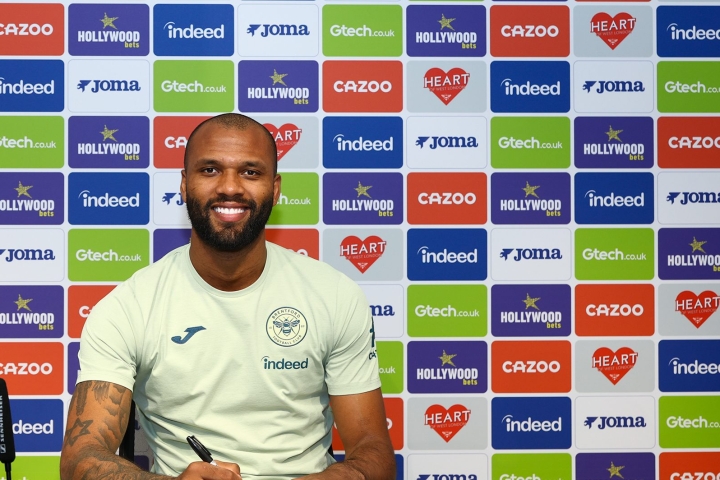
Thiago Signs New Long Term Brentford Contract

The 24-year-old has penned a deal which extends his stay until the summer of 2031, with a club option of a further year.

Following a first season in west London that was interrupted by injury, Thiago has netted 17 goals in 26 Premier League games this term, also scoring in the Bees’ Carabao Cup win over Bournemouth in August.

“It’s brilliant that Thiago has committed his long-term future to the club,” said head coach Keith Andrews.

“The connection that he has with his team-mates, the staff and the fans, as well as how much the club means to him and he means to us, is pretty evident for everybody to see.

“Again, it’s the person before the player. I love working with him and I’ve loved seeing his evolution as a player. How he plays is such a big part of how we play and what our season has been so far.

“He’s been a massive player for us, so it’s a contract he thoroughly deserves and I’m really happy that the club have been able to get it done.”

Having excelled in Europe with Ludogorets and Club Brugge after departing his native Brazil, Brentford signed Thiago for a then club-record fee from the latter in February 2024. He spent the remainder of the campaign with Brugge before joining Brentford officially in July.

The imposing Brazilian netted two goals in a pre-season friendly against AFC Wimbledon, but sustained a meniscus injury which saw him miss the opening two months of his first campaign in TW8.

He made his debut as a second-half substitute against Everton in November 2024, making three more appearances before a joint infection saw him absent until the final four games of the season.

Everton away was a notable fixture for Thiago again this term as he scored his first Premier League hat-trick in the Bees’ 4-2 win at Hill Dickinson Stadium.

Thiago’s prolific form has seen him become the fastest player to reach 10 Premier League goals in a single season for the club – surpassing Ivan Toney’s record during the 2022/23 campaign – and bag braces in home victories over Manchester United, Newcastle United, Burnley and Sunderland.

In November, the 6ft 2in frontman also became the first Brentford player to win the Premier League Player of the Month award.

Only Manchester City striker Erling Haaland is ahead of him in the race for the Golden Boot, having scored five more goals during the opening 26 games.

Brentford 1-1 Arsenal: Arsenal Frustrated At The Gtech As Brentford Fight Back For Draw

The result means Arsenal’s lead remains healthy but not comfortable, with Manchester City keeping the pressure on and Arsenal knowing that a night like this can quickly become a slippery slope if the details aren’t nailed down.

From the first whistle, Brentford made it obvious they weren’t going to play the role of polite hosts. They pressed with intent, pushed Arsenal’s build-up into awkward areas, and consistently tried to turn every loose ball into a mini-transition. Arsenal looked a touch tense in the opening quarter-hour, and Brentford’s direct running and physical presence caused problems—especially when the ball went wide and came back in quickly.

David Raya had to stay alert early, dealing with traffic in his area and producing an important stop to prevent Brentford’s pressure from turning into the opening goal. Arsenal, by contrast, struggled to create anything clean in the first half; their best moments were more about surviving Brentford’s intensity and keeping the game level than carving out genuine chances.

A lot of the pre-match chat had included how Arsenal would cope without key personnel, and it showed in small ways. Without their usual rhythm-setters and with Brentford repeatedly turning the match into an arm-wrestle, Arsenal’s passing lacked the crispness that normally allows them to pin teams back. Eberechi Eze’s first league start in a while didn’t really catch fire—Brentford’s compact shape and aggressive pressure limited his influence—and Arsenal rarely found that sharp combination play around the box that typically opens doors.

By half-time, the story was simple: Brentford had asked far more questions than Arsenal had answered, and if anyone looked more likely to score, it was the team in red and white.

Mikel Arteta reacted decisively at the interval, reshaping his side and bringing on Martin Ødegaard to inject control and tempo. The change did what it was meant to do: Arsenal started the second half with more authority, moving the ball faster and spending longer spells higher up the pitch. Brentford still looked dangerous whenever the ball broke loose, but Arsenal finally began to settle, and that calm translated into a lead just after the hour.

The breakthrough came from a delivery into the box that Brentford couldn’t fully deal with; Piero Hincapié put a teasing ball in, and Noni Madueke timed his movement superbly to guide a header home. It was a classic “big moment” goal—one chance taken in a match where clear opportunities were at a premium—and it looked, briefly, like Arsenal had done the hard part.

But with Brentford, the hard part is never over. Ten minutes later, Arsenal were dragged into the kind of chaos that has made Brentford such a difficult opponent at the Gtech. A long throw from Michael Kayode triggered another one of those frantic sequences where the ball ricochets, defenders backpedal, and attackers swarm. The delivery and the knock-on created space at the far side, and Keane Lewis-Potter attacked it brilliantly, powering a header into the top corner. The equaliser was the perfect summary of Brentford’s threat: not pretty, not patient, but brutally effective—and it flipped the emotional balance of the game in an instant.

The final stretch was compelling because neither side seemed satisfied with “a point will do.” Arsenal tried to reassert control through possession and fresh legs, while Brentford sensed that Arsenal were rattled by the equaliser and pushed to turn the match into a series of sprints and set-piece battles. Arsenal had a huge opening when Declan Rice found Viktor Gyökeres in space, but Kayode made amends for any earlier pressure by producing a crucial piece of defending to block the chance and keep Brentford alive. Brentford then had their own moment to win it late, with Igor Thiago getting into a threatening position, only for Arsenal to scramble back and prevent what would have been a dramatic finish in front of the home fans.

Even after that, the biggest “this is it” moment still arrived in stoppage time. Arsenal broke and Gabriel Martinelli found himself one-on-one, the sort of chance that decides championships, but Brentford goalkeeper Caoimhín Kelleher stood tall and made a sharp save to preserve the draw. It was the kind of intervention that can feel like a win for the side clinging on—and for Brentford, it kept alive the sense that this season could still become something special.

After the match, Arteta’s message was a mix of realism and frustration. He acknowledged that Brentford are exceptionally difficult to dominate for long spells, and he spoke about how quickly matches can become unpredictable when the game turns into a sequence of long throws and set-piece situations. His feeling was that Arsenal had grown into the game, started the second half strongly, and got their reward—but then didn’t manage the next phase well enough. In his view, the loss of composure after taking the lead was the key problem: not being clean enough with clearances, conceding avoidable situations, and allowing Brentford to pull the game back into the sort of disorder they want. He also pointed to the late Martinelli chance as the difference between satisfaction and regret, and he stressed that in a title race you have to be at your best almost every week—sometimes you also need the small breaks to go your way, and yesterday they didn’t.

Brentford boss Keith Andrews, meanwhile, sounded proud of the resilience and physical edge his team showed, framing it as a performance built on character as much as tactics. He highlighted how his side kept believing after going behind and how their set-piece approach—throw-ins included—can shift momentum even against top opponents. Andrews also had a grievance from the game, suggesting Arsenal defender Gabriel Magalhães was fortunate not to receive a second booking in the contest, but the wider tone from him was upbeat: Brentford are in the mix for European places, and this was another statement that they can go toe-to-toe with anyone when they impose their style.

In the end, the draw was a fair reflection of a match that swung on two key moments: Arsenal’s clinical header to take the lead, and Brentford’s equally emphatic header to wipe it out. Arsenal will view it as two points dropped because they were in front and had the last big chance, but they’ll also know they escaped a game that was uncomfortable for long spells. Brentford will see it as further proof that their “make it messy, make it physical, make it dangerous” blueprint works—even against the league leaders—and that a season chasing Europe has real momentum behind it.

London Stansted continues growth trend in 2026

London Stansted began the new year as it ended 2025 with another strong passenger performance in January as it gears up to welcome more than 800,000 passengers over the half-term holidays.

The airport saw more than 1.89 million passengers pass through the terminal in January 2026, up 2% on the same month last year.

That meant Stansted’s rolling total for the 12-months ending January 2026 reached 30.07m, an increase of 1.3% on the previous year.

The top three most popular countries during the month were Italy, Spain, Italy and Turkey, while the busiest routes were Istanbul, Dublin and Edinburgh.

All Stansted security lanes now have new technology scanners, so passengers no longer need to take liquids or electronics out of their bags, however government rules still apply meaning liquids must be in containers of 100ml or less.

The month also saw the airport host its first ever Aviation Careers Festival attended by over 500 students from across Essex and Hertfordshire giving them a hands on introduction to the exciting world of aviation.

Gareth Powell, London Stansted’s Managing Director, said: “January was another good month for London Stansted where we delivered another the strong passenger performance and built upon the momentum of our record-breaking 2025 where we topped 30m passengers for the first time ever at the airport.

“I’m also pleased our passengers continue to experience a smooth and efficient airport operation when choosing to fly from the airport, which we aim to maintain as we prepare for the expected 800,000 passengers who will passing through the terminal across the half-term holidays later this month.

“In addition, we continue to make good progress on a number of key projects at the airport, including the extension of our security hall with the latest security equipment allowing all passengers to leave large electrical items and liquids bags in their hand baggage, and the construction of our on-site solar farm that will be helping power the airport this spring.”

Gtech Under The Lights As Brentford Welcome Arsenal In A High-Stakes London Clash

A packed Gtech Community Stadium hosts Brentford v Arsenal this evening, with the 8pm GMT kick-off landing in the kind of slot that usually delivers intensity, noise and a game that swings on small moments.

The league context adds weight: Arsenal arrive as the team setting the pace at the top, while Brentford’s recent surge has pulled them back into the conversation for a strong top-half finish and, at minimum, a season-defining run of results against elite opponents.

Form suggests this is anything but a routine away trip. Brentford’s last match was a breathless 3–2 Premier League win at Newcastle on 7 February, decided by a late Dango Ouattara goal in a five-goal thriller, and it followed another statement away result: a 1–0 win at Aston Villa on 1 February. That sequence matters because it speaks to a side rediscovering the best version of itself on the road—compact when required, brave when the moment is there, and increasingly comfortable winning games that wobble late.

Arsenal’s build-up has been calmer on the scoreboard, but no less significant. Their last match in any competition was a 3–0 Premier League win over Sunderland on 7 February, continuing a run of results that has kept them in control of the title race. Before that came a cup night with real edge, beating Chelsea 1–0 to seal passage to the Carabao Cup final on aggregate—another example of a team that can manage game-state and still find a decisive moment when it matters most.

The most intriguing part of the match-up is stylistic and psychological rather than purely positional. Brentford at home are built to make opponents uncomfortable: aggressive triggers, quick direct play into dangerous areas, and a crowd that senses blood the moment a top side looks even slightly uncertain.

Arsenal, meanwhile, tend to thrive when they control tempo and territory—pinning teams back, recycling pressure, and forcing opponents to defend for long spells without a release. If the early phases tilt toward Brentford’s chaos, the hosts will believe. If Arsenal impose calm and keep the ball in the right areas, the evening can become an exercise in patience and precision.

Team news could have a major say in which of those scripts wins out. Arsenal’s headline fitness watch is Bukayo Saka, who has been dealing with a hip issue and is being assessed, while Mikel Merino is expected to undergo surgery on a foot problem—removing a key midfield option and potentially changing the balance of the middle third.

Brentford’s concerns are concentrated around a couple of important pieces: Kristoffer Ajer (ankle) and Mikkel Damsgaard (knee) have been monitored after recent issues, with the club also confirming Josh Dasilva remains sidelined and Fábio Carvalho and Antoni Milambo are out for the season.

Those availability questions feed directly into the key battles. Brentford’s most recent win was shaped by Ouattara’s decisive contribution and the team’s ability to stay brave late on, a theme that has reappeared in several of their best results this season. Arsenal’s cup progress, meanwhile, was driven by a big moment from Kai Havertz, and that ability to find a winner in tight matches is often what separates title contenders from the chase pack.

Tactically, this looks like a game that could hinge on transitions and set-piece detail. Brentford will want to turn turnovers into fast attacks before Arsenal can reset their structure, while Arsenal will want to minimise those “end-to-end” phases and keep Brentford defending their box rather than running into space.

The margins at set-pieces may be just as important: when matches between a top side and an intense home opponent tighten, one corner, one second ball, or one lapse in marking can flip the entire narrative.

The first goal feels particularly important. An early Brentford strike would ignite the stadium and force Arsenal into a higher-risk game than they’d prefer on an away night. If Arsenal score first, mentionable patterns tend to follow: longer spells of control, the crowd’s impatience shifting onto the home side, and Brentford needing to commit numbers forward—opening up the spaces that title-chasing teams punish.

Either way, with both sides arriving in form and with fitness calls likely shaping the final line-ups, this has the ingredients of a London clash decided by fine margins rather than long stretches of domination.

Skip to content Skip to content