[directorist_add_listing]

Expert shares how increased scrutiny is changing UK logistics

The UK’s £170 billion logistics sector employs more than eight percent of the nation’s workforce, moving goods that keep businesses, retailers, and households functioning. With regulatory pressure mounting across environmental standards, border compliance, and supply chain transparency, operators face an extremely complex and demanding environment.

Since the UK’s official departure from the European Union in early 2020, Brexit has completely changed the landscape. UK to EU exports fell by 27 percent and imports by 32 percent between 2021 and 2023, and the administrative burden that came with those trade changes has never fully eased.

While cross-border movements that were once seamless, customs declarations, rules of origin certification, Export Health Certificates, and safety and security declarations are now standard requirements.

“The sheer volume of compliance obligations that logistics managers are now expected to absorb is overwhelming,” said Andrew Thompson CEO at Cleveland Containers. “What has changed most is not just the number of requirements but how quickly they evolve. Businesses that were managing comfortably two years ago are finding themselves exposed as the goalposts continue to move.”

Here, Cleveland Containers, a leading supplier of shipping containers, offer their insights.

Where Businesses Are Getting Caught Out

Environmental compliance is one of the fastest-growing pressure points. The UK’s Minimum Energy Efficiency Standards are widely expected to tighten to an EPC B rating for commercial properties by 2030, which will force costly upgrades across older warehousing stock. Biodiversity Net Gain requirements now apply to most new logistics developments, adding another layer of planning complexity for operators looking to expand their footprint.

At the same time, the UK’s Carbon Border Adjustment Mechanism is progressing through legislation, with full implementation expected in 2027. Businesses importing carbon-intensive goods will face new cost obligations, meaning that those that haven’t yet mapped their supply chain’s carbon footprint will quickly find themselves behind.

For operations with EU-facing trade, regulatory divergence from EU standards continues to create friction for many during daily operation, including border delays, temperature breaches in refrigerated freight, and rising administrative costs. Research suggests businesses with EU-connected supply chains will face logistics cost increases of between 12 and 18 percent by 2027, as UK and EU standards drift further apart.

“Environmental compliance is catching a lot of businesses off guard because several regulations are running in parallel and it’s complex,” said Thompson. “Operators who are focused purely on transport costs and border compliance often haven’t fully accounted for what they will need to spend on their physical infrastructure.”

Rule Changes Impacting Workforces

Driver numbers are sitting around 15 percent below pre-Brexit levels which is attributed to the loss of EU workers, following the change in immigration rules. The knock-on effect impacts delivery reliability, service levels, and cost across the board.

As firms compete for a smaller pool of qualified drivers, wages have risen and training investment has increased. While both are welcome developments for workers, this also adds to the sector’s cost pressures.

With updated guidance published in March 2025, Modern Slavery Act obligations are also tightening, placing greater scrutiny on supply chain transparency, particularly for businesses that use subcontractors.

Building Compliance Without Sacrificing Efficiency

Despite the pressure, the businesses managing things best are those treating compliance as an operational discipline rather than a reactive exercise.

“The instinct is to deal with each requirement as it arrives, but that approach is expensive and disruptive,” warns Thompson. “The operators who are in the strongest position are those who have built compliance thinking into how they plan routes, manage contracts, and procure storage. It becomes part of the process rather than a problem to fix.”

Digital customs platforms, automated documentation systems, and real-time tracking tools are reducing the administrative load for businesses managing high volumes of cross-border movements. Early investment in these systems is paying off as scrutiny increases and the cost of errors grows.

For businesses working with external storage and container solutions as part of a flexible logistics model, ensuring those assets meet current and forthcoming EPC and sustainability requirements is an increasingly important consideration when planning capacity.

“Scrutiny across this sector is not going to ease,” said Thompson. “The businesses that will navigate this well are the ones building resilience now, not waiting until a regulation deadline forces the issue.”

Refuge data exposes scale of post-separation abuse amid widespread public misunderstanding

Refuge, the UK’s largest specialist domestic abuse charity, is raising the alarm over a worrying gap in the public’s understanding of post-separation abuse, despite persistently high reports to its National Domestic Abuse Helpline.

The criminalisation of controlling or coercive behaviour after separation was introduced through the Domestic Abuse Act 2021 and came into force on 5 April 2023. Now, Refuge reveals reports of post-separation abuse to its National Domestic Abuse Helpline remain alarmingly high, while the public significantly underestimates the threat posed by former partners.

New YouGov data commissioned by Refuge finds that while 71% of UK adults correctly believe that a woman is most likely to be abused by someone she knows, there is a widespread misunderstanding about who that person is. Among those who chose “someone she knows”, 78% said a current partner is most likely to be the abuser, while just 12% identified an ex-partner.

Data from Refuge’s National Domestic Abuse Helpline shows that post-separation abuse is far more common than people think. In 2025, 19,674 callers were asked who their perpetrator was, with 42% (8,283) identifying a former partner. Of those asked, 47% (9,176) reported a current partner, yet only a small proportion of the public recognise an ex-partner as a likely abuser.

Refuge’s Helpline team have identified a number of dangerous patterns in post-separation abuse cases, including perpetrators breaching bail conditions, threatening survivors’ children or new partners, and using child custody arrangements to maintain control or to avoid child maintenance payments. Helpline advisors highlight the devastating impact this abuse has on survivors, many of whom live with trauma as a result of their experiences.

The Government’s recent Violence Against Women and Girls (VAWG) Strategy, titled Freedom from Violence and Abuse, outlines three key pillars, including pursuing perpetrators. However, it fails to address the need for stronger institutional understanding of post-separation abuse within the systems that allow it to persist, such as the family courts.

As the three-year anniversary of the offence approaches, Refuge is raising public awareness of post-separation abuse and calling for stronger Government action to protect survivors from this insidious yet often-hidden form of abuse. This includes introducing mandatory training for police and the judiciary on the dynamics of domestic abuse, enabling the justice system to better recognise and respond to post-separation abuse.

Sasha*, a survivor supported by Refuge, experienced domestic abuse after separating from her partner, who is also the father of her child. She said:

“When we split up, he would show up unannounced, demanding to be let in under the guise of wanting to see my son. I moved to a new place, but he tracked us down using geolocation data in photos of my son that he had insisted I send because he wasn’t spending Christmas with him.

“The stalking and abuse kept ramping up. I did a year abroad as part of my degree and he flew 900 miles to find me. Later, after he threatened to kill himself and said it would be my fault, I reached breaking point.

“The police put a community resolution in place, saying he was not to come near me or try to contact me. But he broke that four times: he went to my gym, my house, my workplace, and even approached me in public. I eventually had to relocate with my son.

“Abuse doesn’t always end with separation and may not even begin or escalate until this point. There needs to be much more awareness of this. My son’s and my safety was on the line for years after I split from my ex. I want no woman or child to go through what we did.”

Gemma Sherrington, CEO of Refuge, said:
“Sadly, Refuge’s National Domestic Abuse Helpline regularly hears from survivors experiencing abuse after separation. But as the data shows, there is still a long way to go when it comes to public understanding of this form of abuse and the very real danger it can pose.

“While all forms of domestic abuse are frequently misunderstood within the justice system, post-separation abuse is particularly likely to go unrecognised by professionals, leaving survivors at heightened risk of harm.

“Women and their children deserve protection at every stage of their journey. Post-separation abuse must be treated with the seriousness it requires so that more survivors can access vital support.”

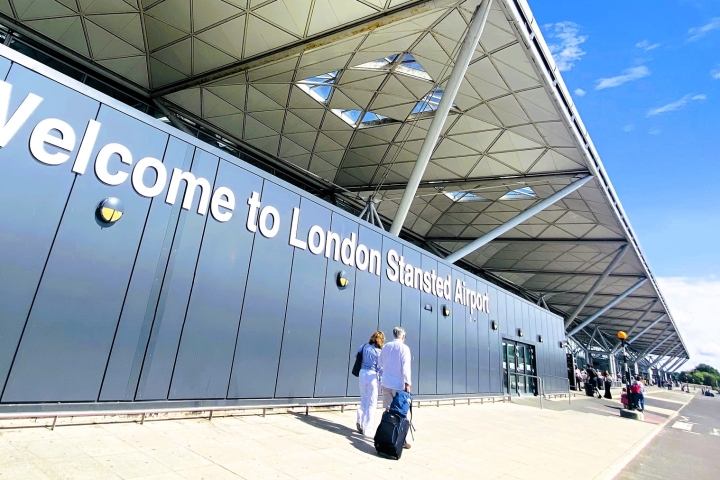
London Stansted eggs pects bumper Easter as 1.5m passengers prepare to travel

London Stansted is gearing up for a bumper Easter getaway, with around 1.5 million passengers expected to pass through the terminal over the school holiday period.

Between 28 March and 12 April, up to 760,000 passengers will be flying out of the airport, with another 740,000 due to arrive, as families across the region head off for some spring sunshine, city breaks or late-season skiing in the Alps.

Popular destinations include the hotspots of Spain, Italy and Portugal, while city breaks to Rome, Barcelona, Dublin and Budapest are also proving popular.

Over the Easter weekend alone, passenger numbers are expected to top 400,000, with Good Friday predicted to be the busiest day for departures.

This year’s getaway marks the first Easter with the airport’s newly enlarged security hall fully operational. The upgraded facility features next-generation scanners, so passengers no longer need to remove liquids or large electronics from their bags.

Work is still ongoing on a new and improved security entrance portal, with more boarding card scanners to be added later this year to further speed up entry and enhance the passengers experience.

The improvements form part of Stansted’s wider transformation programme, which passengers will notice throughout the terminal. Construction hoardings will remain in some areas as works continue, but several major upgrades have already been delivered.

These include the opening of the new domestic arrivals building, a refurbishment of the Satellite Two gate area including new flooring and seating, and significant improvements to the airport’s extensive baggage system behind the scenes.

Travellers on flights departing from Satellite One will also now find the newly opened Essence Lounge, which replaces the former Escape Lounge that closed in February. The new space offers a simple, modern setting for passengers to relax with food and drinks before their flight.

Jonathan Fowler, London Stansted’s Chief Operating Officer, said: 

“Easter is always a very busy time for all the teams working at London Stansted, and we’re pleased to be welcoming so many passengers as they head off on their holidays. Our teams will be working hard to make sure everyone gets a smooth start to their trip, especially with our new, expanded security hall and next generation scanners now in use.

“Passengers will still see some hoardings around the terminal as we continue our transformation programme, but these improvements are all part of our vision to create a more modern, spacious and efficient airport that makes every step of travel easier and more comfortable, while at the same time offering our passengers even more choice and more possibilities when using London Stansted.”

British Airways announces major winter 2026 expansion

British Airways has announced a significant planned expansion to its network for winter 2026, with the addition of two new destinations, Melbourne in Australia and Colombo in Sri Lanka.

In addition, the airline will be adding more flights for winter to Cape Town (South Africa), Haneda (Tokyo), Bridgetown (Barbados), Kingston (Jamaica) and San Jose (Costa Rica). The new schedule reflects a nine per cent* growth in British Airways’ long-haul route network, as the airline continues to invest in providing more choice for customers.

These planned new routes and frequency growth for winter 2026 is in addition to short-term capacity increases to destinations to meet customer demand, as a result of the situation in the Middle East. British Airways added seven extra return services to Bangkok and Singapore in the last week and will continue to review its schedule and add additional flights to destinations as needed.

Demand for travel continues to remain strong, and as customers look for alternative holiday destinations in the immediate term, British Airways Holidays has seen a rise in searches for popular destinations like Antigua and Gran Canaria, which have increased by 63% and 50% respectively.

Neil Chernoff, British Airways’ Chief Planning and Strategy Officer, said: “We’re delighted to announce sizeable growth to our flying schedule for winter 2026, including two notable new destinations that I’m confident will prove popular with our customers. We’re also increasing services across several high-demand routes around the world. Together, these changes represent a significant investment in our long-haul leisure network, adding even more options and choice for our customers.

“Elsewhere, we know there is short-term demand as a result of the situation in the Middle East. To support customers with alternative routes from popular destinations we have already launched additional flights, and we will continue to monitor customer demand and add flights to our schedule if we’re able to do so.”

WINTER 2026

Melbourne, Australia

British Airways will commence flights to Melbourne in Australia from 9 January 2027, launching in time for the Australian Open and the Melbourne Grand Prix. Flights will operate year-round from London Heathrow, via Kuala Lumpur, on a daily basis.

Melbourne is the capital of the state of Victoria, and is known as the country’s culture hub and world-renowned for its coffee scene. It’s also the gateway to southern Australia and its array of attractions including Grampian’s National Park, the Great Ocean Road and the High Country with its breathtaking landscapes and famed vineyards.

Customers have a choice of four cabins – World Traveller (economy), World Traveller Plus (premium economy), Club World (business class) and First. Return fares start from £1,130 (including taxes and carrier fees) and are on sale from 17 March.

Colombo, Sri Lanka

Launching on 23 October 2026, British Airways will fly three times per week from London Gatwick to Colombo, the vibrant gateway to Sri Lanka.

The route will operate for the winter season only, taking customers directly to the Indian Ocean island and home to picturesque beaches, scenic wildlife, vibrant culture and rich cuisine.

Customers have a choice of three cabins – World Traveller (economy), World Traveller Plus (premium economy) and Club World (business class). Return fares start from £620 (including taxes and carrier fees) and are on sale from 17 March.

Frequency growth

In a significant planned expansion to the winter 2026 schedule, the airline is increasing frequencies across several of its popular routes:

  • A third daily flight from London Heathrow to Cape Town, South Africa, will start in December
  • London Heathrow to Haneda in Tokyo, Japan increases to double daily from the end of March, and continues throughout the winter schedule
  • A daily Barbados flight from London Gatwick will commence on 25 October, a new route that will complement the existing London Heathrow service to the Caribbean island, and will have onward tags to Grenada, Guyana and Tobago
  • There is more dedicated capacity to St Lucia in the Caribbean, as daily flights become a standalone service from 25 October
  • San José in Costa Rica increases to five per week, and moves to London Heathrow
  • Kingston in Jamaica and Punta Cana in the Dominican Republic, both served from London Gatwick, will go up to four per week
  • To the US, New Orleans increases to four per week, Baltimore becomes daily and Houston moves to 12 per week
  • Delhi continues to be served three times a day, as the frequency growth introduced at the start of the summer season remains in place
  • London Heathrow to Abu Dhabi will return for its planned winter schedule, operating daily from 25 October

SHORT-TERM CAPACITY

In addition to the planned growth for winter 2026, British Airways has also introduced seven additional return services from London to Bangkok and Singapore over recent weeks, to meet rising demand for these routes as a result of the situation in the Middle East.

The airline has added more than 3,300 extra seats between 10 and 19 March for customers travelling to and from these destinations and continues to monitor its network closely to make adjustments based on where customers want to fly.

British Airways has extended the temporary reduction in flights to the region, with flights to Amman, Bahrain, Dubai and Tel Aviv cancelled up to and including 31 May, and flights to Doha cancelled until 30 April.

MOST SEARCHED DESTINATIONS

 British Airways Holidays has seen a boost in interest for holidays to the Caribbean, with Barbados searches on ba.com up 46% and Antigua searches up 63% versus last year. Searches for Indian Ocean holidays have also increased, with the Maldives up 32% and Mauritius up 42% versus last year. Closer to home, holiday searches to the Canary Islands are on the rise, with Tenerife up 38% and Gran Canaria up 50% versus last year.

The airline has also seen similar trends for flight searches, with the Maldives up 74%, Barbados up 18% and St Lucia up 26%, when compared to February 2026. Overall, searches for flights from the UK to the Caribbean, South West Pacific and South Asia have increased by 40%, and for short-lead travel in the next two weeks, figures are up 155%.

Two new bespoke specifications bring Boodles’ sparkle

Two iconic British brands with exceptional northern heritage, Boodles and Bentley, have come together for the second time to create an exquisite design specification, available across all Bentley models. The collaboration brings Boodles’ distinctive design language into the world of Bentley, resulting in a choice of two bespoke specifications that reflect both brands’ personality across each detail.

The reignited collaboration follows the success of the co-created one-of-one ‘Be Boodles’ Bentley Continental GTC in 2024, sold on the night of launch. The car featured a timeless exterior colour palette in Anthracite and Light Grey, and a beautifully designed interior with lofted quilting and a blind stitch repeat pattern of the iconic interlocking ‘Be Boodles’ motif, and resulted in Bentley receiving enquiries to apply this specification to other models in the range.

Customers can now configure their Bentley with a choice of two bespoke specifications – Standard or Dark. The first car configured with the Boodles Standard specification – a Bentayga EWB Azure – celebrates the launch of this second phase and is available for customers to order via Bentley retailers, for delivery in 2026. Combining Bentley’s engineering expertise with Boodles’ eye for elegance and individuality, each customer configuration will be tailored with precision and meticulous attention to detail.

Understated elegance

Drawing inspiration from the modern colour spectrum of the 2024 ‘Be Boodles’ Continental GTC, the Standard specification has a calming air of elegance with Gravity Grey and Linen hides, Autumn Stone and Piano Linen veneers and feature subtle diamond detailing and mood lighting. A bespoke diamond encrusted ‘Be Boodles’ design adorns the centre console. Accents of Powder Pink flow throughout the cabin in the form of contrast piping and embroidery, and painted pinstripes to the veneers nod to the iconic Boodles brand colours. The car’s striking Anthracite exterior includes jewel-like self-levelling wheel badges, Boodles badging and subtle Powder Pink painted pinstripes on the mirror caps.

In contrast, the Dark specification has similar options with a moodier edge. The Satin Anthracite exterior finish is complemented with a Beluga and Baroda interior and Piano Black veneer. The Powder Pink accents from the Standard specification are replaced with touches of Silver and Chrome embroidery, piping and paint to reflect the platinum and 18 carat white gold as part of the ‘Be Boodles’ jewellery collection.

Northern heritage and craftsmanship

Founded in Liverpool, Boodles has remained a family-run jeweller throughout its 228-year history – now with 10 showrooms across London, the northwest of England and Dublin. Only 30 miles as the crow flies, is Bentley’s factory in Crewe, where luxury automobiles have been designed and manufactured for the past 80 years. Both Boodles and Bentley believe firmly in British design and craftsmanship, and the latest collaboration between the two brands brings together some of the best creative minds and craftspeople in the country. 

Nicola Brown, Head of Marketing for Bentley EMEA says of the project:
“Even as a global business, Bentley’s British roots remain central to who we are, including our commitment to celebrating fellow master craftspeople here in the UK. Both Boodles and Bentley share a devotion to creating timeless luxury through meticulous attention to detail, whether in the hand-stitched interiors of a Bentley or the precision cut gemstones in a Boodles jewellery piece. Bringing these elements together in our new co-branded design pack offers customers a truly immersive luxury experience and we are excited to present the first Boodles Bentayga for 2026.”

Honour Wainwright, sixth generation Boodles family member and Director of Marketing says:
“The next chapter of our collaboration with Bentley feels like a very natural progression. We share not only northern roots, but also a commitment to British craftsmanship and attention to detail. Bringing the Boodles design language into Bentley’s world once again has been an incredibly rewarding process, and we’re delighted to see it evolve into something customers can now make their own.”

Arsenal 0-2 Man City: Young Star Steps Up as Guardiola Outmaneuvers Arteta in Final Showdown

Manchester City claimed Carabao Cup glory with a composed and ultimately convincing 2–0 victory over Arsenal in a high-stakes final that delivered both tension and defining moments of quality at Wembley Stadium. The showpiece occasion brought together two of English football’s most influential modern managers and two squads brimming with talent, ambition and expectation. For City, the triumph represented not only another domestic trophy but also a powerful statement after a challenging period. For Arsenal, it was a painful reminder of how narrow the margins can be on the grandest stage.

The build-up to the match had been dominated by talk of momentum, mentality and legacy. Arsenal entered the final riding a strong wave of form across multiple competitions and were widely viewed as favourites to lift the trophy. Their campaign had been characterised by fluent attacking play and defensive resilience, and there was a sense that victory at Wembley could provide the springboard for a historic season. Manchester City, meanwhile, arrived with something to prove. Having experienced setbacks in Europe and inconsistencies in the league, they approached the final determined to reaffirm their pedigree and remind rivals of their enduring ability to rise to the biggest occasions.

From the moment the teams emerged onto the pitch, the atmosphere was electric. A sea of colour filled the stands as supporters from both clubs created a spectacle befitting a domestic cup final. The early stages reflected the tension and importance of the occasion. Arsenal started brightly, pressing aggressively and seeking to impose their passing rhythm. Their midfield moved the ball with confidence, and the forwards probed City’s defensive line with purposeful runs. Within the opening minutes, a promising chance fell to Kai Havertz, who found space inside the penalty area but could not apply the finishing touch required to break the deadlock. It was an opportunity that hinted at Arsenal’s intent but also foreshadowed the frustration that would follow.

Manchester City responded by gradually settling into their familiar pattern of controlled possession. Pep Guardiola’s tactical adjustments were evident as his side sought to draw Arsenal out of position and exploit spaces in wide areas. The inclusion of younger and less heralded players added an element of unpredictability to City’s approach, with several attacking moves combining technical precision and quick transitions. Despite this, clear-cut chances remained limited during the first half. Both teams demonstrated defensive discipline, and goalkeepers were largely untroubled. The game, while tactically fascinating, lacked the moments of decisive quality that often define cup finals.

As the interval approached, Arsenal enjoyed another spell of pressure. Bukayo Saka threatened with a curling effort from distance, while a series of corners created brief uncertainty in the City penalty area. Yet Guardiola’s side held firm, repelling crosses and maintaining composure under pressure. The halftime whistle arrived with the scoreline still level, setting the stage for a second half that would ultimately determine the destination of the trophy.

The turning point came shortly after the restart. City began the half with greater urgency and intensity, pushing higher up the pitch and forcing errors from Arsenal’s build-up play. Their persistence paid off when a seemingly routine attacking move resulted in a crucial mistake from Arsenal goalkeeper Kepa Arrizabalaga. Attempting to deal with a cross, he misjudged the flight of the ball, allowing young City midfielder Nico O’Reilly to capitalise and head into the net. The goal ignited celebrations among City supporters and shifted the momentum decisively in Guardiola’s favour.

Arsenal’s response was immediate but lacked cohesion. Their attempts to regain control were undermined by hurried passes and a growing sense of urgency that played into City’s hands. Guardiola’s players displayed confidence and composure, slowing the tempo when necessary and accelerating their attacks at precisely the right moments. The tactical battle between the two managers became increasingly apparent, with Guardiola’s adjustments proving more effective as the match wore on.

The decisive second goal arrived midway through the half and once again featured O’Reilly at its centre. Rising above defenders to meet a cross, he powered another header past the goalkeeper to double City’s advantage. The strike not only underlined the youngster’s remarkable performance but also placed one hand firmly on the trophy for the reigning champions. For Arsenal, it was a crushing blow that left them chasing the game against opponents adept at managing leads.

With time running out, Mikel Arteta introduced attacking substitutions in an effort to inject fresh energy into his team’s pursuit of a comeback. Arsenal increased their tempo and committed more players forward, creating sporadic moments of pressure in the final third. However, City’s defensive organisation remained resolute. Goalkeeper James Trafford produced a series of assured interventions, while the back line dealt effectively with crosses and long-range attempts. The closing stages saw Arsenal pushing relentlessly, yet the decisive spark required to alter the outcome never materialised.

When the final whistle sounded, Manchester City players and supporters erupted in celebration. The victory secured the club’s ninth League Cup title and reinforced Guardiola’s status as the competition’s most successful manager. It also provided a timely boost for a team eager to regain confidence after recent disappointments. The sight of O’Reilly lifting the trophy alongside more experienced teammates symbolised both the continuity and evolution of City’s squad.

In his post-match reflections, Guardiola spoke with pride about his players’ resilience and adaptability. He emphasised the importance of maintaining belief during challenging periods and highlighted the collective effort required to overcome a formidable opponent. The manager praised O’Reilly’s maturity and composure, noting that young players often seize opportunities in finals because they play with freedom and fearlessness. Guardiola also suggested that the triumph could serve as a catalyst for the remainder of the season, reigniting his side’s pursuit of further honours.

Arteta, meanwhile, cut a philosophical figure as he assessed the defeat. He acknowledged that his team had started well but admitted they were unable to sustain their level of performance after conceding. The Arsenal manager defended his tactical decisions, including his choice of goalkeeper, and insisted that setbacks are an inevitable part of a long campaign. Arteta emphasised that the squad must channel their disappointment into renewed determination, particularly in the league and other competitions where significant opportunities remain.

Players from both teams offered candid reactions. City’s dressing room was filled with a mixture of relief and exhilaration, with senior figures praising the contribution of younger teammates who had stepped into the spotlight. Arsenal’s squad, by contrast, expressed frustration at missed chances and costly errors. Several players spoke about the need to learn from the experience and ensure that future finals are approached with greater composure and clinical finishing.

The broader implications of the result extend beyond the immediate celebration. For City, the victory reasserts their reputation as serial winners and demonstrates their capacity to respond positively to adversity. It also narrows the psychological gap between themselves and their rivals, particularly in the context of the ongoing title race. Arsenal, despite the disappointment, remain a formidable force. Their journey to the final showcased resilience and attacking quality, and the challenge now lies in converting potential into tangible success.

Cup finals often serve as defining moments in a season, shaping narratives and influencing momentum. This encounter was no exception. The contest illustrated the significance of experience, tactical flexibility and the ability to capitalise on key moments. While Arsenal displayed ambition and determination, Manchester City’s ruthlessness in front of goal proved decisive. The performance of O’Reilly, in particular, will be remembered as a turning point — a demonstration of how emerging talents can alter the course of high-pressure matches.

As supporters drifted away from Wembley and attention gradually turned back to league fixtures and European commitments, the final’s significance lingered. For City fans, it represented another chapter in an era of sustained success. For Arsenal followers, it was a sobering reminder that progress must ultimately be measured in silverware. Both clubs now face the task of building on this experience, using triumph or disappointment as motivation for the challenges ahead.

In the grand tapestry of English football, finals like this one occupy a special place. They encapsulate the drama, unpredictability and emotional intensity that define the sport. The Carabao Cup may not carry the same prestige as some other competitions, but on this occasion it provided a stage for memorable performances and decisive moments. Manchester City emerged as deserved winners, while Arsenal departed with lessons to absorb and ambitions still intact. The story of their rivalry continues, shaped by nights like this and the relentless pursuit of excellence that drives both clubs forward.

National Express sees holiday booking surge

With the cost of fuel prices through the roof, adults are concerned about the ever growing prices, especially with the Easter holidays just around the corner.

Bookings for coach travel with the National Express are seeing a rise ahead of the Easter holidays, as cost-conscious families look for more affordable ways to travel across the UK. With reports of a 40% overall increase in the last two weeks alone.

VisitBritain’s latest Domestic Sentiment Tracker shows 64% of UK adults report being impacted by the cost of living crisis. Many saying they are tightening their budgets or reducing overall spending, with financial pressures emerging as a key obstacle with travelling.

In fact, 31% say affordability is one of the main reasons preventing them from taking an overnight trip within the UK, while 23% say rising fuel costs are discouraging them from travelling altogether.

National Express says coach travel offers a practical, budget-friendly and comfortable alternative for those keen to get away in the UK or further afield, without the added expense or driving.

Director of Commercial at National Express, Helen Smyth said,

“People still want to get away this Easter and spend quality time with their family or simply switch off for a few days. But with fuel prices continuing to rise, many are looking for more cost-effective ways to get around.

“Coach travel allows people to enjoy a spring getaway without worrying about the cost of filling up the car, parking or other driving expenses – helping to keep UK breaks and airport travel for holidays abroad more affordable.

She added:

“With hundreds of great value, reliable and frequent coaches serving destinations across the UK including all major airports, those seeking an Easter or spring break have one less thing to worry about and can make the most of their budget.”

Even with the pressures of finances, families still want to venture off on holidays, creating those special memories with their loved ones.

And if leaving the car at home and taking the coach allows families to head off on that new adventure this Easter, that’s what they’ll do.

National Express coaches connect hundreds of destinations across the UK, offering comfortable leather reclining seats, free Wi-Fi on selected routes, convenient USB charging points, and a generous luggage allowance of up to 20kg.


For more information, and to plan your next journey this Easter, click here.

Fulham Edge Burnley in Tactical Battle at Craven Cottage

Fulham secured a hard-fought victory over Burnley at Craven Cottage in a match defined by structure, patience and moments of attacking precision. In a contest where clear-cut chances were limited for long periods, the hosts demonstrated greater control across key phases, ultimately converting territorial advantage into a decisive outcome against a Burnley side that remained competitive throughout.

The early exchanges reflected the contrasting approaches both teams had prepared. Fulham looked to establish rhythm through controlled possession, circulating the ball across midfield and probing for openings in wide areas. Burnley, meanwhile, prioritised defensive compactness, maintaining disciplined spacing between their defensive and midfield lines while seeking opportunities to transition quickly when possession was regained. The tempo of the opening period was measured, with both sides showing caution in committing players forward.

Territorial advantage gradually shifted towards the home side as the first half progressed. Fulham’s midfield unit began to dictate the pace of the game, recycling possession efficiently and limiting Burnley’s ability to sustain attacks. While the visitors remained organised defensively, periods without the ball began to increase, placing greater emphasis on concentration and positioning. Attempts to progress centrally were often met with compact defensive resistance, leading Fulham to explore wide routes in search of space.

Burnley’s defensive structure remained effective for much of the first half, with the back line supported well by disciplined midfield positioning. Clear chances were limited, reflecting the tactical discipline on display. When opportunities did emerge, they were often the result of quick combinations or moments of individual initiative rather than sustained attacking sequences. The visitors, though largely operating without extended possession, showed glimpses of threat when transitioning forward, particularly when space opened in wide areas.

As the match developed, Fulham’s persistence began to create more promising situations in the final third. Increased tempo in passing sequences and more aggressive movement off the ball stretched Burnley’s defensive shape, forcing the visitors to cover greater distances laterally. The eventual breakthrough arrived following sustained pressure, with a well-worked attacking move creating the space required to produce a decisive finish. The goal reflected Fulham’s patient approach, built on controlled build-up and intelligent positioning.

Conceding forced Burnley to adjust their approach, committing more players forward in an attempt to restore parity. This shift introduced a different dynamic, with the game opening slightly as spaces appeared in midfield. Fulham remained organised, however, managing transitions effectively and limiting the number of high-quality chances conceded. Defensive discipline ensured that Burnley’s increased attacking intent did not translate into clear opportunities.

The latter stages of the match saw Fulham look to consolidate their advantage through continued control of possession. Rather than retreating excessively, the hosts maintained their structure, balancing defensive awareness with a willingness to move the ball forward when possible. This composure reduced the likelihood of sustained pressure from Burnley, who found it difficult to generate momentum despite their efforts to increase attacking presence.

Burnley’s best opportunities came through moments of direct play and set-piece situations, reflecting the challenges of breaking down an organised defensive unit in open play. Deliveries into the penalty area created brief periods of uncertainty, but Fulham’s defensive line remained largely composed, dealing effectively with aerial threats and second balls. The inability to convert these moments into clear chances ultimately limited Burnley’s prospects of finding an equaliser.

Midfield control played a central role in shaping the outcome. Fulham’s ability to manage space and dictate tempo reduced the number of transitional opportunities available to Burnley, forcing the visitors to rely on less frequent attacking phases. By maintaining compact distances between units, Fulham limited the risk of defensive exposure while ensuring that possession remained purposeful rather than passive.

Individual performances contributed significantly to the overall balance of the match. Fulham’s creative influence in advanced midfield areas provided the link between structured build-up and attacking penetration, while defensive contributions ensured stability during periods of pressure. Burnley, despite the result, demonstrated resilience and organisation, particularly in the first half, where their defensive structure limited the number of clear openings conceded.

Set-piece situations represented an area where Burnley looked capable of altering the narrative. Deliveries into the box tested Fulham’s defensive organisation, but the hosts remained composed, preventing second-phase opportunities and maintaining concentration in key moments. The importance of these defensive details became more pronounced as the match entered its closing stages.

Game management proved another important factor in Fulham’s success. By maintaining control of possession and limiting unnecessary risks, the hosts were able to reduce the tempo and prevent Burnley from building sustained pressure. Tactical discipline ensured that the closing phases were played largely in controlled areas of the pitch, minimising the likelihood of late disruption.

For Burnley, the performance offered signs of competitive structure despite the result. Defensive organisation and work rate remained evident throughout, suggesting a foundation upon which future performances can build. However, the challenge of converting defensive resilience into attacking productivity remains a key area for development, particularly in matches where opportunities are limited.

Fulham’s victory reinforces the value of structure and patience in tightly contested fixtures. Rather than relying on moments of unpredictability, the hosts demonstrated the effectiveness of controlled progression and positional discipline. The ability to maintain balance between attacking intent and defensive awareness ultimately proved decisive.

As the season progresses, results of this nature may play an important role in shaping final standings. Fulham’s capacity to secure points in closely contested matches strengthens their position and reflects growing maturity within their tactical approach. Burnley, while disappointed with the outcome, can draw encouragement from elements of their performance, particularly in defensive phases.

In a match where margins were narrow, the decisive factor lay in Fulham’s ability to translate control into a tangible outcome. The measured nature of the performance, combined with effective game management, ensured that their advantage was preserved. Burnley’s efforts, though commendable, ultimately fell short of altering the result.

Craven Cottage has often provided a platform for disciplined performances, and this encounter followed a similar pattern. Fulham’s structured approach allowed them to dictate key phases, while Burnley’s organisation ensured that the contest remained competitive throughout. The balance between control and resilience defined the narrative, with Fulham emerging as deserved winners in a match shaped by fine margins.

Everton 3-0 Chelsea: Beto Brutalises Blues as Everton Produce A Proper Statement Win

Everton did not just beat Chelsea here, they overpowered them, unsettled them and, in the key moments, exposed every soft part of them. By the end, Hill Dickinson was bouncing in the way Everton have wanted it to bounce since the move. This felt like the night the stadium finally became a weapon.

David Moyes’ side were sharper from the first whistle, stronger in the challenges, quicker to second balls and far more certain about what the game required. Chelsea had spells of possession, and there were moments when they hinted at a route back into it, but this was Everton’s night from the moment they set the tone. Beto scored twice, Iliman Ndiaye added a wonderful third, Jordan Pickford produced the sort of saves that keep matches under your control, and Chelsea, for all their technical players and all their possession, never truly looked comfortable.

The most striking thing about Everton’s display was not just the scoreline, but the authority of it. They played like a side with a clear plan and complete conviction in it. Chelsea looked like a team trying to feel their way into the game while Everton had already decided how it was going to be played.

Everton’s press told the story early. Beto was after Robert Sanchez straight away, not allowing him a calm second in possession, and there was one moment in the opening stages when the Everton striker nearly nicked the ball off him for what would have been a horribly embarrassing goal. That warning should have jolted Chelsea into life, but instead it only seemed to confirm that this was going to be an evening of panic for them at the back. James Garner then had a shot blocked after another Everton turnover high up the pitch, and every mistake Chelsea made seemed to light another spark in the crowd.

Chelsea did have moments in the first half. Cole Palmer started to drift into little pockets, João Pedro offered flashes, and there was a spell when Everton had to defend their own box with a bit of urgency. But even in those periods, Chelsea never looked settled enough to control the game for long. They could move the ball, yes, but Everton were asking harder questions. The home side had more aggression, more purpose and more edge in everything they did.

The opening goal arrived on 33 minutes and it was a terrific Everton goal, both in conception and execution. Kiernan Dewsbury-Hall fed the ball into Garner, who was excellent all evening, and Garner then slid a beautifully weighted pass straight through the centre of the Chelsea defence. It was one of those passes that takes out the whole back line in a blink. Beto timed the run well, got in behind Wesley Fofana, reached it before Sanchez and then produced a finish that was full of composure, lifting the ball over the goalkeeper rather than snatching at it. It was a centre-forward’s goal, but it was also a goal made by the quality of Garner’s vision and timing.

The significance of that first goal went beyond the lead itself. Everton had been the better side, but Chelsea were still in the match. What Beto’s finish did was give Everton something to defend and gave the crowd a cause to roar at full volume. From there, the place felt alive.

Chelsea’s best chance to hit back before the break brought the save of the match. Neto’s corner caused problems, Pickford did not deal with the initial ball cleanly, and Enzo Fernández looked set to punish Everton from close range. But Pickford reacted brilliantly, readjusted and tipped the effort over with a superb reflex stop. It was one of those moments that can change the emotional shape of a game. Had Chelsea equalised there, the whole contest would have reset. Instead Everton went in ahead and Chelsea went in frustrated.

In many ways, that stop was as important as the first goal. Everton had earned the right to lead, but they still needed their goalkeeper to make sure Chelsea did not steal momentum. Pickford did exactly that.

Rosenior tried to change things after the break. Chelsea shuffled shape, brought fresh legs into the game and attempted to build pressure with a bit more pace and intent. For a short period, Everton had to be alert. Fernández curled one effort that Pickford pushed away with another fine save, and Chelsea had a little more presence around the Everton area. But the issue for Chelsea was that even when they improved, Everton never really looked like a side losing their nerve. The shape held. The distances were good. The centre-backs defended with authority. Idrissa Gueye and Garner kept putting out little fires before they became proper danger.

Then came the second goal, and if the first had been classy, the second was ruthless in a different way.

This one started with Everton again being more alert in midfield. Gueye read the situation quicker than Chelsea did, drove forward and fed Beto down the right side. It was not a complicated move, but it was forceful and direct, and that mattered because Chelsea looked vulnerable every time Everton ran at them with conviction. Beto took it on, hit the shot hard, and while it was struck with power, Sanchez should still have dealt with it. Instead the goalkeeper let it squirm through him and into the net.

That was the moment Chelsea really cracked.

At 2-0, they were not just behind, they were wounded. Sanchez’s error deepened the sense that every Everton attack might bring another disaster, and Chelsea’s body language started to sag. Everton, to their credit, sensed that weakness. They did not retreat into caution. They kept pressing, kept chasing, kept forcing the game onto Chelsea’s nerves.

Beto’s performance deserved all the noise around it because it was about much more than two finishes. He was a nuisance from the first minute to the last. He ran channels, harried defenders, made Sanchez uncomfortable, won duels and gave Chelsea no peace at all. This was not only a striker taking chances. This was a striker dictating the tone of Everton’s front line.

Chelsea’s best flicker of hope in the second half came when they started to throw more bodies forward and ask awkward questions from wide areas and set plays. There was a moment when Estevao hit the bar from a corner, and for a brief spell Everton had to show resilience. But even then, the feeling remained that Chelsea needed something fortunate to change the direction of the evening. Everton looked too organised and too emotionally invested to let it slip.

The third goal killed it completely and it was the best goal of the lot.

Pickford went long, Beto won the aerial duel and flicked the ball on brilliantly into Ndiaye’s path. From there Ndiaye produced a finish worthy of the occasion. He teased his marker, shifted the angle, opened his body and then lashed the ball high into the corner. Sanchez had no chance. It was one of those goals that sends a stadium into a frenzy because everyone inside it knows they have just seen something special.

At 3-0, Chelsea were done. Their supporters started heading for the exits, Everton’s players played with the swagger of men who knew the job was finished, and the whole ground had that crackling feeling of a home crowd enjoying every second of the final stretch.

This was also a game that said a great deal about where both teams are mentally. Everton looked like a team that knows exactly what its strengths are. Chelsea looked like a side carrying doubt. When Everton needed big moments, they found them. When Chelsea needed calm, they lost it. When Everton needed saves, Pickford delivered them. When Chelsea needed one from their keeper, Sanchez let them down badly.

Rosenior admitted afterwards that this was Chelsea’s most disappointing evening so far in terms of the things his side had spoken about before the game. He said they had talked about not gifting goals away, staying in the game and getting control of it, and none of that happened. He also insisted he does not see a lack of effort or belief in the players, but conceded that the level of both the performance and the result was nowhere near what Chelsea expected or wanted. He would not hide behind excuses, though he did acknowledge that anyone looking logically at Chelsea’s recent workload could draw conclusions about freshness. He also said the supporters had every right to be disappointed and that, painful as the moment is, Chelsea have to keep an eye on the bigger picture because they remain in the fight near the Champions League places.

On the Everton side, Moyes’ reaction was more in keeping with the performance itself: hard, clear and grounded. The Everton manager was pleased with the intensity his team showed and with the impact of the crowd, and that felt absolutely right. This was not a fluke result and it was not built on scraps. Everton earned this by making the game hotter, faster and more hostile than Chelsea wanted it to be. They fed off the atmosphere and then fed it straight back.

There were standout performances all over the pitch. Garner was outstanding in midfield, both for his quality on the ball and for the energy he brought without it. Gueye read danger superbly and drove Everton on. Pickford made the decisive saves when Chelsea threatened to build pressure. The back line stood up strongly. Ndiaye gave Everton class and incision. But the headline belonged to Beto. Two goals, an assist and a centre-forward display full of aggression and menace. He was the spearhead for everything Everton did well.

The wider significance of the result is obvious too. Everton’s push up the table now looks increasingly serious, while Chelsea’s slide has become impossible to ignore. But beyond the table, beyond the points, beyond the pressure on Rosenior, this felt important for Everton because of what it said about their home. For weeks and months there has been talk about making the new stadium feel like Everton’s stadium, making it feel intimidating, making it feel like a place opponents dread coming to. This was that vision in full colour.

Everton did not just win. They made a very good side look flimsy. They made the crowd feel powerful. They made the stadium feel alive. And for one of the clearest nights of the season, they looked like a team going somewhere rather than merely clinging on.

Skip to content Skip to content