[directorist_add_listing]

Just Days to Have Your Say on Future of Watford’s Mount Vernon Cancer Centre

There are just days to go before the public consultation opens on proposals to secure the future of specialist cancer services at Mount Vernon Cancer Centre. Between 19 January and 29 March 2026, patients, staff, stakeholders and the public will be invited to share their views on plans to relocate the centre to a new, purpose-built facility next to Watford General Hospital.

The proposals aim to create a world-class cancer centre alongside the redevelopment of Watford General Hospital, providing modern facilities for cancer care while maintaining access to essential services such as Accident and Emergency and critical care. The new centre would serve more than two million people across Hertfordshire, north west London, Bedfordshire, Buckinghamshire and east Berkshire.

Modern cancer treatment increasingly relies on integrated care, and the new facility would include expanded chemotherapy, diagnostics, and follow-up care at local hospitals. The plans also include increasing chemotherapy delivered at home and reducing long-distance travel for routine appointments. Additionally, there is a proposal to locate a second radiotherapy unit at either Luton and Dunstable Hospital or Lister Hospital in Stevenage, improving access for patients in the north of the area currently served by Mount Vernon Cancer Centre.

The proposals have been developed over several years with input from patients and staff following an independent review that highlighted limitations at the existing site. These constraints have affected the number of patients treated and restricted the availability of some trials and treatments.

Clare Panniker, Regional Director of NHS England in the East of England, said: “Mount Vernon Cancer Centre has a proud history and an exceptional team, but the facilities no longer meet the needs of today’s complex cancer care. These proposals would enable us to bring together two brilliant services to create a world-class centre of excellence, serving local communities with high-quality healthcare delivered by the same compassionate staff, for decades to come.”

Integrating the cancer centre into the redevelopment of Watford General Hospital is expected to deliver efficiencies through shared construction and project arrangements, reducing costs without increasing the burden on taxpayers. Subject to consultation and due diligence, management of Mount Vernon’s services would transfer from East and North Hertfordshire Teaching NHS Trust to University College London Hospitals NHS Foundation Trust (UCLH).

A £12 million programme of enabling works is already underway at Watford General Hospital to prepare the site for the new hospital building, with rapid progress on the detailed design of the cancer centre expected once the consultation concludes.

Matthew Coats, chief executive of West Hertfordshire Teaching Hospitals NHS Trust, said: “Expanding the Watford General scheme to include Mount Vernon Cancer Centre would be a major step forward in delivering both a world class cancer centre and a state-of-the-art hospital, which would benefit patients, our communities and our brilliant staff. We’re very grateful for the partnership with UCLH and other NHS partners on what we believe to be a flagship opportunity to bring to life the ambitions in the 10-year plan.”

Adam Sewell-Jones, chief executive at East and North Hertfordshire Teaching NHS Trust, added: “Our staff at Mount Vernon Cancer Centre deliver outstanding care, and a new cancer centre would allow them to provide the most modern, innovative treatments. Continuity and quality of care for our patients and staff remains our highest priority. We will also ensure there will be plenty of opportunities for patients and staff to ask questions about the proposals and express their views.”

David Probert, chief executive at UCLH, said: “We are delighted that funding has now been agreed for the proposal to relocate Mount Vernon Cancer Centre to a new purpose-built facility in Watford. We look forward to working with West Hertfordshire Teaching Hospitals NHS Trust and other partners following the outcome of the consultation, to deliver a long-awaited and sustainable future for this important centre.”

The public consultation will run from 19 January until 29 March 2026, with both online and in-person opportunities for people to take part and share their views on the future of cancer services in the region.

London Stansted Records Record Year with Over 30 Million Passengers in 2025

London Stansted has achieved a record-breaking milestone in 2025, welcoming more than 30 million passengers for the first time in its history. This marks the busiest year the airport has ever experienced, reflecting both increased demand and strategic expansion.

Throughout the year, the airport recorded sixteen days with over 100,000 passengers, a notable rise from ten such days in 2024. December alone saw 2.26 million passengers, a 1.6% increase on the same period the previous year. High passenger numbers during the festive season were driven by the airport’s wide selection of more than 200 destinations, which offered convenience and competitive pricing to both domestic travellers and international visitors using Stansted as a gateway to London and the east of England.

Dublin and Istanbul emerged as the most popular destinations, each handling nearly one million passengers. Edinburgh remained the third most frequented route. Turkey has become one of the top countries for passenger travel from the airport, joining Spain and Italy in the leading positions, following Poland’s decline in popularity. Turkish Airlines is scheduled to operate fifteen weekly flights to Istanbul starting in March, providing access to over 350 onward destinations across Asia, Africa, and Australia.

During 2025, Stansted made progress on several infrastructure and sustainability projects. The airport opened a new domestic arrivals building and began installing advanced security technology that allows passengers to keep large electrical items and liquids in hand luggage. Work also started on a solar farm designed to meet the airport’s electricity needs and support its target of net zero carbon operations by 2038. The solar project is due to be completed in the coming months.

Gareth Powell, Managing Director of London Stansted, commented: “It was a really successful year for London Stansted in 2025, the busiest year in our history as we welcomed a record-breaking 30m passengers in a 12-month period for the very first time. We have built real momentum behind our vision for Stansted and, given the strong economic performance of our region, our available runway capacity and investment in new facilities, the airport’s future is looking very bright.

“The strong passenger growth during 2025 was driven by many of our airline partners increasing capacity, adding more seats and choice of destinations, particularly Ryanair, Pegasus and Jet2.com, and we’re confident we will continue to grow passenger numbers and provide even more choice of airlines and destinations in the year ahead.

“The fact we are the airport of choice for an ever-increasing number of passengers is great testament to the hard work and dedication of our colleagues and airport partners, as we strive to deliver the best possible airport experience each and every day.

“As we look to the future, we were delighted to last month receive the green light to increase our annual passenger limit to 51m, which paves the way for us to make best use of the existing single runway and grow passenger volumes towards the new limit over the next two decades.”

The airport has secured planning permission to raise its annual passenger limit to 51 million, supporting long-term growth while maximising the capacity of its single runway. Stansted is now the third busiest airport in London and the fourth busiest in the UK.

As a hub for short-haul European travel, the airport serves more scheduled European connections than any other UK airport, alongside twice-daily flights to Dubai with Emirates, offering access to a global network of more than 150 destinations. Stansted is also a major cargo centre, moving over 220,000 tonnes of goods each year, including shipments to the Far East and the USA.

The airport continues to maintain high standards for sustainability and employment. Over 12,000 staff are employed across 200 companies, making it the largest single-site employer in the East of England. Stansted has been carbon neutral at Level 3+ since 2018, sources all electricity from renewable sources, and diverts 100% of its waste from landfill while recycling more than 75%. The solar farm planned for 2026 will contribute further to its goal of net zero emissions by 2038.

Urban Pubs & Bars continues London growth strategy with five new acquisitions

Urban Pubs & Bars, London’s leading independent pub group, has announced the acquisition of five premium hospitality venues across the capital, strengthening its position as the city’s largest independent pub operator.

The deals, which will complete on January 19, represent another significant step in the group’s targeted London growth strategy and come as the business continues to outperform the wider UK hospitality market.

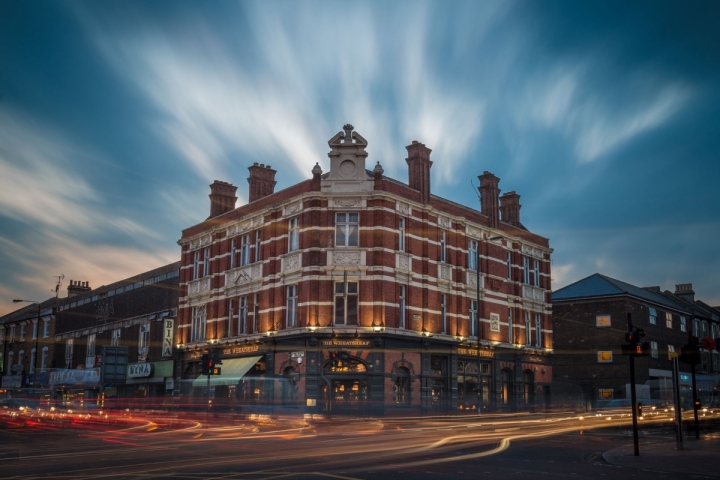
The newly acquired venues include The Prince Regent in Herne Hill, alongside a package of four established sites purchased from Brunning & Price. These comprise The Roebuck and The Steam Packet in Chiswick, The Queens in Crouch End, and Coco Momo in Kensington.

The acquisitions build on a period of sustained expansion for Urban Pubs & Bars, which has completed multiple openings and acquisitions throughout 2025, including the recent purchase of Albion & East.

With the addition of the five new sites, Urban Pubs & Bars now operates 65 premium venues across London, generating annual sales in excess of £100 million, firmly cementing its status as the capital’s leading independent pub group.

Chris Hill, Managing Director of Urban Pubs & Bars, said:

“Well-run, well-positioned businesses are thriving in the capital. We’re seeing robust demand across our estate and strong like-for-like growth, which gives us the confidence to keep investing. These latest acquisitions are exactly the kind of sites we look for, and we’re excited about the opportunities they present as we continue to grow our London estate.”

The group says it will continue to actively seek high-quality, well-located opportunities across London as part of its long-term growth plans.

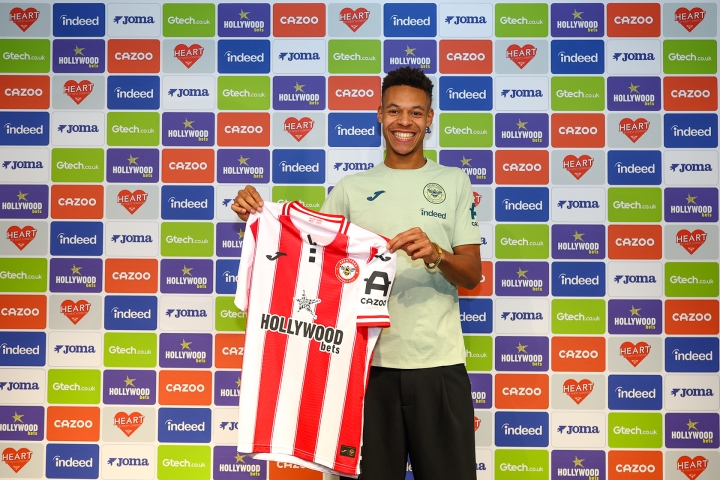
Brentford’s latest development signing: Kaye Furo arrives from Club Brugge

Kaye Furo has become Brentford’s latest forward project, arriving from Club Brugge as the club continues to lean into a recruitment strategy built around high-upside talent, athleticism and development. The 18-year-old has joined on a long-term deal running to the summer of 2031, and he takes a first-team squad number as Brentford position him as someone who can grow into Premier League minutes rather than simply bolster the B team.

Furo is a physically imposing striker for his age—around 1.90m tall, right-footed, and comfortable operating as a central forward. Those who have watched his rise in Belgium describe a profile Brentford traditionally value: pace to threaten the space behind, the frame to pin centre-backs, and a willingness to work without the ball. Brentford’s coaches also believe he can become a more complete No 9, not just a penalty-box finisher, with movement across the front line and the intensity to press from the front—key traits in how the Bees want to play.

His route to west London has been quick but well-earned. Furo spent formative years in youth football at Royal Antwerp before moving into Club Brugge’s academy system, where he progressed into Club NXT in Belgium’s second tier. That environment—more senior than pure academy football, but still development-focused—helped him build the physical and tactical base that has made him stand out. He’s already been exposed to first-team football too, making senior appearances for Club Brugge and getting a taste of European nights, an experience that tends to accelerate a young forward’s learning curve.

Internationally, he’s been part of Belgium’s youth set-up across multiple age groups and has already stepped into Under-21 contention, which hints at the level of belief around his ceiling. Off the pitch, he’s spoken proudly about his background and the journey it’s taken to reach this point, and he has described the move to Brentford in emotional terms—one of those “dream” opportunities that feels big because it’s earned.

From Brentford’s side, the messaging has been consistent: they’ve tracked him for a while, like his mix of raw tools and coachable qualities, and see a pathway for him within the club’s system. Keith Andrews has been particularly enthusiastic about what Furo could become, highlighting his mentality and the different ways he can threaten defences—running channels, attacking crosses, and occupying centre-backs so others can play off him. That last part matters at Brentford, where forwards are often judged as much by their off-ball work and link play as by their goal totals.

The timing of the transfer also makes sense. Brentford have built a reputation for refreshing their attacking options without losing their identity—finding the next solution before the previous one leaves—and Furo’s arrival fits that pattern. With Igor Thiago currently carrying a major share of the scoring burden, adding another young striker with a different physical profile gives Brentford both depth now and a longer-term development play. The expectation internally is that he’ll be managed carefully: training time with the first team, minutes where they make sense, and a clear plan to strengthen his decision-making, hold-up consistency and finishing under pressure.

For supporters, the exciting part is the combination of tools and context. Furo isn’t arriving as a finished product, but Brentford have made a habit of turning high-potential forwards into Premier League-ready contributors. If he adapts quickly to the league’s tempo and physicality, he offers something every team wants: a big, mobile striker who can stretch the pitch, compete in the air, and still improve significantly with top-level coaching. That’s the bet Brentford are making—and it’s why this signing feels like more than just a squad addition.

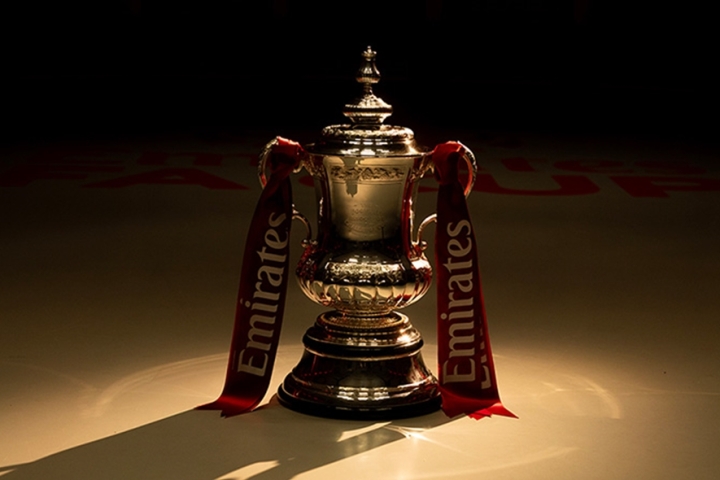
Castellanos heads West Ham into the fourth round after QPR take tie the distance

West Ham United edged past Queens Park Rangers 2–1 after extra time at the London Stadium today, squeezing into the FA Cup fourth round in a tie that felt less like a routine home assignment and more like a test of nerve for a side short on confidence. It was their first win since early November, and while the performance was far from flawless, the relief at full-time was unmistakable as new striker Taty Castellanos nodded in the extra-time winner to end a long, anxious wait for something positive.

The opening half-hour was edgy and scrappy, with West Ham slow to impose themselves and QPR more than willing to make it uncomfortable. The visitors threatened from set plays, and West Ham’s first real moment of quality didn’t arrive until well into the half when Crysencio Summerville cut inside and forced Joe Walsh into a strong save. The game then took a worrying turn when Konstantinos Mavropanos suffered a nasty neck injury in an aerial collision during a corner, prompting lengthy treatment on the pitch and an extended delay before he was carried off on a stretcher. The stoppage added a huge chunk of injury time, and West Ham finally took advantage of it: in the 10th minute of added time, Summerville arrived in the box and lashed a close-range finish into the net to send the home side into the break with a 1–0 lead.

QPR didn’t fold, and after half-time they grew into the contest with more belief, moving the ball quicker and asking sharper questions in wide areas. Their reward came on 65 minutes when Karamoko Dembélé delivered an inviting cross and Richard Kone guided a header beyond Mads Hermansen to level the tie at 1–1. West Ham responded with more urgency and carried the greater threat in the closing stages, but couldn’t find the clean final touch to avoid extra time, leaving the stadium tense and impatient as the match dragged on.

In extra time, West Ham pushed harder to settle it before penalties and finally found the breakthrough through the two players who had shaped their best moments. Summerville wriggled away down the left, created separation with a sharp turn, and whipped in a superb cross that Castellanos attacked aggressively, powering a header past Walsh on 98 minutes for his first goal in a West Ham shirt. That was enough to decide the tie, with the hosts seeing out the remaining minutes as QPR tired and the crowd’s mood shifted from frustration to relief.

After the match, West Ham head coach Nuno Espírito Santo admitted the win meant more than just progression in the cup. He spoke about how much the result lifted the players and supporters, and suggested the biggest change came from seeing the ball hit the net—something his side have struggled for in recent weeks. He praised the team’s response after conceding the equaliser, highlighting their character and determination to keep going, and he also offered an update on Mavropanos, describing the injury as painful and saying the defender would be assessed over the coming days.

QPR manager Julien Stéphan, while disappointed to go out, took pride in how his team competed and in the fact they pushed Premier League opposition all the way into extra time. He felt his players showed organisation and bravery, and that their equaliser reflected the way they grew into the game, even if they couldn’t find the decisive moment late on.

For West Ham, this wasn’t a performance that instantly wipes away bigger concerns, but it was a badly needed win, a first goal for a new striker signed to change their season, and a reminder that momentum can still be rebuilt—even if it arrives the hard way.

Set-piece punch and Martinelli treble fire Arsenal into FA Cup fourth round

Arsenal shook off a nightmare opening at a rain-soaked Fratton Park to beat Portsmouth 4-1 and book their place in the FA Cup fourth round, with Gabriel Martinelli stealing the show by bagging the first senior hat-trick of his career.

The afternoon began exactly how the home crowd dreamed it would. Portsmouth, roared on from the first whistle, struck inside the opening minutes when Colby Bishop reacted quickest after Kepa Arrizabalaga could only parry an initial effort, the striker following in to thump the rebound home and ignite the old ground. The match was briefly paused soon after for a medical incident in the stands, and when play resumed Portsmouth continued to play with the urgency of a side sensing a giant-killing.

Arsenal, though, steadied themselves and levelled almost immediately from a corner. The delivery caused chaos in the six-yard box and Andre Dozzell, under pressure, ended up diverting the ball into his own net. That quick reply calmed the visitors, and it also signalled what became the decisive theme of the tie: Arsenal’s set-piece threat repeatedly asking questions Portsmouth couldn’t fully answer.

With the game settled into a scrappy rhythm, Portsmouth still carried a threat on the break, Harvey Blair in particular giving Arsenal’s rotated back line uncomfortable moments. But Arsenal’s quality began to show in bursts, and they moved in front midway through the first half when Martinelli met another excellent corner with a firm header to make it 2-1. From there, chances arrived for Arsenal to put the contest out of reach before the interval. Martinelli went close again after being slipped in, and later somehow failed to turn into an open net at the back post when a low cross flashed across goal. Noni Madueke then wasted a major opportunity to extend the lead when he sent a penalty wide with a hesitant run-up, leaving Portsmouth with genuine belief heading into half-time.

That belief was evident early in the second half as Portsmouth tried to force their way back into the tie, winning territory and threatening from set plays of their own. But Arsenal’s control grew, and the two-goal cushion finally arrived when Martinelli timed his run to the far post and bundled in from close range after a low ball across the face of goal. Any lingering doubt was removed minutes later as Portsmouth again failed to clear a corner properly and Martinelli completed his treble with another header, the ball squeezing through the goalkeeper’s hands and into the roof of the net.

There were notable cameos as the game opened up: Kai Havertz returned from injury to get minutes in his legs, while Arsenal’s rotation still had enough bite to keep Portsmouth pinned back for long spells. Portsmouth’s fight never disappeared, but the difference in depth and sharpness became increasingly obvious as the second half wore on.

Afterwards, Mikel Arteta pointed to the rocky start and the challenges of changing so many players at once, admitting his side began by handing Portsmouth momentum and “hope,” before improving as they started to do the basics properly and impose themselves. He also praised Martinelli’s response to recent scrutiny, saying it takes a “big personality” to move on quickly in a big club environment and deliver, highlighting the forward’s intensity and mentality.

Portsmouth boss John Mousinho, while conceding Arsenal’s superiority on the day, felt his team were in the contest for long stretches. He noted there were periods—particularly at the start and again after the break—when Portsmouth were more than competitive, even if Arsenal ultimately deserved to go through.

In the end, Portsmouth delivered an early jolt and a spirited display, but Arsenal’s set-piece power and Martinelli’s ruthless finishing turned a potential banana skin into a convincing win.

Aston Villa expose Spurs again as pressure mounts after FA Cup exit

Tottenham’s FA Cup hopes were snuffed out at the first hurdle tonight as Aston Villa left north London with a 2–1 third-round victory, punishing a flat first-half display from the hosts before holding firm through a livelier Spurs response after the break. In front of 57,718 supporters at the Tottenham Hotspur Stadium, Villa struck through Emiliano Buendía and Morgan Rogers either side of half-time, and although Wilson Odobert pulled one back early in the second period, Spurs could not find the equaliser and the final whistle brought boos, frayed tempers and a flashpoint that summed up the mood around Thomas Frank’s struggling side.

Villa were the more coherent team from the opening exchanges, pressing with purpose and moving the ball through midfield with far greater clarity than Spurs, who looked hesitant both in possession and in their defensive distances. The visitors’ opener arrived on 22 minutes when Buendía found space and drove a low finish beyond the goalkeeper, a goal that reflected Villa’s sharper decision-making in the attacking third. Tottenham’s problems deepened when they failed to manage the end of the first half, and Villa took full advantage in stoppage time: Rogers latched onto a loose moment in the box and fired in to make it 2–0 at the interval, leaving Spurs facing an uphill task and their home crowd audibly unimpressed.

Frank’s side emerged with more urgency after the restart and finally gave the stadium something to rally behind when they halved the deficit nine minutes into the second half. A mistake at the back allowed Odobert to pounce, and his finish made it 2–1 and briefly changed the tone of the contest. Spurs then had their best spell of the tie, pushing higher, playing with more directness and forcing Villa into deeper positions, but clear chances remained surprisingly scarce. Villa defended their box well, got bodies in the way of shots, and managed the game intelligently when Spurs tried to build momentum. Buendía almost sealed it late on when a second goal looked on the cards, only for a decisive defensive clearance to deny him, while Tottenham’s late pressure fizzled out in a flurry of half-openings rather than genuine one-on-ones.

There was also an injury worry for Spurs, with Richarlison forced off during the contest, adding another concern to a side already short of confidence and continuity. As frustration boiled over, the closing stages became increasingly combustible, and tempers finally snapped after full-time when players from both sides became involved in a heated confrontation near the touchline, with stewards and staff stepping in as the scene briefly threatened to escalate.

After the match, Unai Emery framed the win as a marker of Villa’s maturity, praising the way his team controlled the first half, took their chances at key moments and then showed the discipline required to protect a lead under pressure. He also stressed the importance Villa place on the competition, suggesting progress mattered as much as performance as they continue to fight on multiple fronts. Frank, by contrast, focused on Tottenham’s poor start and the cost of conceding twice before the break, admitting his side gave themselves too much to do and only began to look like themselves once they were already chasing. He pointed to the improved second-half attitude as a platform, but acknowledged it counts for little when the first-half level is not good enough, adding that he understood the supporters’ anger in a period where results are not matching expectations.

For Villa, it was a professional away win built on control, composure and timely finishing. For Tottenham, it was another painful night that combined the same themes—slow starts, moments of vulnerability and growing tension in the stands—now amplified by an early exit from the competition that many supporters viewed as their clearest route to silverware.

Fulham roar back to sink Middlesbrough as Wilson inspires Cup comeback

Fulham came from behind to beat Middlesbrough 3–1 at Craven Cottage today and book their place in the FA Cup fourth round, turning a shaky first half into a convincing second-half surge sparked by Harry Wilson’s brilliance and finished off by Emile Smith Rowe and Kevin Santos Lopes de Macedo.

The afternoon began with a warning for the Premier League side. Middlesbrough, flying high in the Championship, looked comfortable in possession and almost struck early when Morgan Whittaker found Sam Silvera, whose first-time cross was turned goalwards by Tommy Conway – only for Fulham goalkeeper Benjamin Lecomte to stick out a leg and keep the ball out. Fulham were sluggish and disjointed, and Boro’s energy was rewarded on 30 minutes when Silvera combined neatly with Aidan Morris, rode a challenge down the left and cut the ball back for Hayden Hackney to place a composed finish beyond Lecomte.

Fulham’s best opening of a bleak first half came late on, and even that needed rescue work from a Middlesbrough defender. Jorge Cuenca met a corner with a firm effort that looked destined to creep in until Luke Ayling cleared off the line, preserving the visitors’ lead at the interval and leaving the home crowd restless.

The match swung sharply after the break. Fulham, with Marco Silva watching from the stands as he served a touchline ban, made their intentions clear by introducing Wilson, Raúl Jiménez and Tom Cairney soon after half-time. The impact was immediate: Fulham moved the ball quicker, pressed higher and began to pin Boro deeper. On the hour, Wilson provided the moment of quality the game had lacked. Given far too much space on the edge of the area after collecting a loose cross, he shifted the ball onto his left foot and bent a superb strike into the bottom corner to level the tie.

Middlesbrough almost responded straight away. Conway got a sight of goal inside the box and clipped the crossbar, a huge let-off that proved pivotal as Fulham’s confidence surged. Wilson continued to drive the tempo, slicing passes through the lines and forcing Middlesbrough’s back line to turn. Kevin went close with a curling effort after being slipped in, and Wilson nearly repeated his equaliser only to be denied by the Boro goalkeeper, who also repelled the follow-up from Antonee Robinson.

Fulham’s second arrived with 13 minutes left and again Wilson was central. Smith Rowe carried the ball at Middlesbrough’s defence, combined with Wilson and then darted into space to collect Cairney’s return pass before firing decisively past the goalkeeper to put Fulham ahead. Middlesbrough had a chance to drag themselves back into it almost immediately, but Whittaker skewed wide when he should have tested Lecomte. That miss left the door open for Fulham to finish the job, and they did so in stoppage time when Wilson’s cross was turned in by Kevin Santos Lopes de Macedo to seal a 3–1 win.

After the match, Silva admitted the tie had been a mental test as much as a football one, pointing to the challenge of dropping from intense Premier League fixtures into a cup tie against an in-form Championship opponent. He felt Fulham’s second-half level matched what was required, and stressed that his team couldn’t afford to treat progression as an entitlement. Middlesbrough head coach Kim Hellberg struck a disappointed but measured note, saying he felt the game was there for his side to take for long periods and praising the way they played for much of the contest, while lamenting how quickly the match turned once Fulham found momentum and quality off the bench.

For Fulham, it was another reminder of their depth and their ability to change a game with substitutions. For Middlesbrough, it was a painful exit after a first half that suggested an upset was possible — until Wilson and Fulham’s second-half surge flipped the story.

Macclesfield stun cup holders Palace in FA Cup shock for the ages

Macclesfield delivered an FA Cup story for the ages today, knocking out holders Crystal Palace 2–1 at Moss Rose in a result that will be talked about for decades. A side from the National League North, backed by a crowd in full voice and playing with fearless intensity, outworked and outthought Premier League opposition to earn a famous place in the fourth round.

Palace dominated the ball early on, but their possession rarely turned into clear chances. Macclesfield were organised, aggressive in the tackle and brave enough to press high when the moment was right, forcing errors and dragging the visitors into the kind of scrappy contest underdogs love. The first real warning came when Macclesfield began winning second balls in midfield and delivering early crosses into the Palace box, turning the match into a battle of duels and concentration rather than technique.

The breakthrough arrived close to half-time and it felt fully in keeping with the way the game had developed. Captain Paul Dawson rose to meet a delivery from wide and powered a header past the goalkeeper in the 43rd minute, sending Moss Rose into frenzy and leaving Palace suddenly chasing a tie they were expected to control. The goal injected even more belief into the home side, while Palace’s response before the break lacked sharpness, with too many attacks breaking down at the edge of the area.

Palace tried to raise the tempo after the interval, but instead of forcing Macclesfield back, they left space for the hosts to counter and for set pieces to become even more dangerous. Just before the hour, Macclesfield struck again in chaotic fashion. A ball into the box wasn’t cleared cleanly, it pinged around in a crowded penalty area, and Isaac Buckley-Ricketts reacted quickest to poke/clip the ball home to make it 2–0 on 60 minutes. At that point, the tie was no longer a shock-in-progress — it was a genuine crisis for the cup holders.

The final half-hour was played with Palace pushing forward and Macclesfield defending with desperate discipline. The hosts threw bodies in front of shots, tracked runners relentlessly and used the crowd as fuel every time they won a tackle or forced a turnover. Palace’s best spell came late, but even then their decision-making was rushed, and Macclesfield continued to look dangerous whenever they could relieve pressure with direct running into the channels.

The holders did finally find a lifeline in stoppage time when Yéremy Pino curled a superb free-kick into the net to reduce the deficit, setting up a tense finale and a few frantic moments in which Palace tried to force an equaliser. Macclesfield, though, held their nerve, defended the box with everything they had and saw out the remaining seconds to seal a historic win that sparked wild celebrations at the final whistle.

After the match, Macclesfield manager John Rooney was visibly emotional, praising his players for their discipline, bravery and togetherness. He stressed that his side didn’t just “hang on” — they earned the win with their approach, their work without the ball, and their willingness to take the game to Palace at key moments. Rooney also spoke about the spirit around the group and how much the occasion meant to the club and supporters, describing it as the kind of day football rarely gives but everyone dreams of.

Oliver Glasner, by contrast, was furious with his side’s performance. He admitted Palace didn’t do enough of the basics, criticised their lack of quality and intensity, and said his team didn’t deserve to progress. Glasner also pointed out that when you play an opponent with this level of hunger and commitment, you have to match it first — and Palace simply didn’t. His reaction underlined just how damaging the result is for a club that arrived as defending champions and left humbled by a team many divisions below them.

Beyond the tactics and the scoreline, the day carried an emotional edge for Macclesfield, who played in a spirit of togetherness that clearly meant more than just football. The banner in the ground and the unity in their celebrations spoke to a club pulling in the same direction — and on a January afternoon, that collective belief was enough to topple the FA Cup holders.

Skip to content Skip to content