

[directorist_add_listing]

Arsenal 0-2 Man City: Young Star Steps Up as Guardiola Outmaneuvers Arteta in Final Showdown

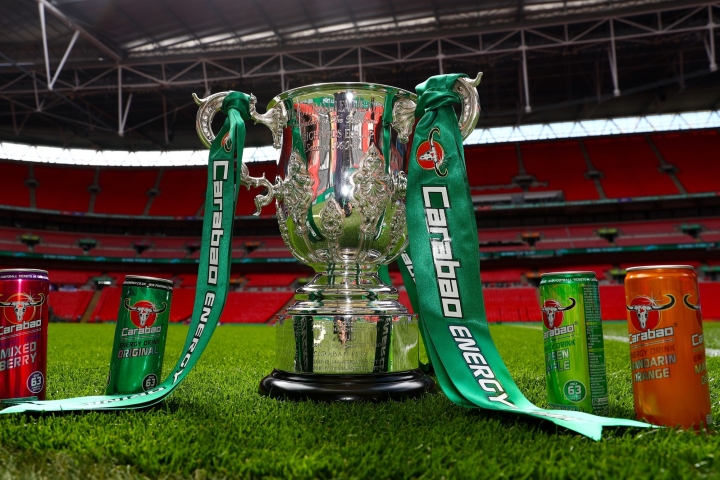
Manchester City claimed Carabao Cup glory with a composed and ultimately convincing 2–0 victory over Arsenal in a high-stakes final that delivered both tension and defining moments of quality at Wembley Stadium. The showpiece occasion brought together two of English football’s most influential modern managers and two squads brimming with talent, ambition and expectation. For City, the triumph represented not only another domestic trophy but also a powerful statement after a challenging period. For Arsenal, it was a painful reminder of how narrow the margins can be on the grandest stage.

The build-up to the match had been dominated by talk of momentum, mentality and legacy. Arsenal entered the final riding a strong wave of form across multiple competitions and were widely viewed as favourites to lift the trophy. Their campaign had been characterised by fluent attacking play and defensive resilience, and there was a sense that victory at Wembley could provide the springboard for a historic season. Manchester City, meanwhile, arrived with something to prove. Having experienced setbacks in Europe and inconsistencies in the league, they approached the final determined to reaffirm their pedigree and remind rivals of their enduring ability to rise to the biggest occasions.

From the moment the teams emerged onto the pitch, the atmosphere was electric. A sea of colour filled the stands as supporters from both clubs created a spectacle befitting a domestic cup final. The early stages reflected the tension and importance of the occasion. Arsenal started brightly, pressing aggressively and seeking to impose their passing rhythm. Their midfield moved the ball with confidence, and the forwards probed City’s defensive line with purposeful runs. Within the opening minutes, a promising chance fell to Kai Havertz, who found space inside the penalty area but could not apply the finishing touch required to break the deadlock. It was an opportunity that hinted at Arsenal’s intent but also foreshadowed the frustration that would follow.

Manchester City responded by gradually settling into their familiar pattern of controlled possession. Pep Guardiola’s tactical adjustments were evident as his side sought to draw Arsenal out of position and exploit spaces in wide areas. The inclusion of younger and less heralded players added an element of unpredictability to City’s approach, with several attacking moves combining technical precision and quick transitions. Despite this, clear-cut chances remained limited during the first half. Both teams demonstrated defensive discipline, and goalkeepers were largely untroubled. The game, while tactically fascinating, lacked the moments of decisive quality that often define cup finals.

As the interval approached, Arsenal enjoyed another spell of pressure. Bukayo Saka threatened with a curling effort from distance, while a series of corners created brief uncertainty in the City penalty area. Yet Guardiola’s side held firm, repelling crosses and maintaining composure under pressure. The halftime whistle arrived with the scoreline still level, setting the stage for a second half that would ultimately determine the destination of the trophy.

The turning point came shortly after the restart. City began the half with greater urgency and intensity, pushing higher up the pitch and forcing errors from Arsenal’s build-up play. Their persistence paid off when a seemingly routine attacking move resulted in a crucial mistake from Arsenal goalkeeper Kepa Arrizabalaga. Attempting to deal with a cross, he misjudged the flight of the ball, allowing young City midfielder Nico O’Reilly to capitalise and head into the net. The goal ignited celebrations among City supporters and shifted the momentum decisively in Guardiola’s favour.

Arsenal’s response was immediate but lacked cohesion. Their attempts to regain control were undermined by hurried passes and a growing sense of urgency that played into City’s hands. Guardiola’s players displayed confidence and composure, slowing the tempo when necessary and accelerating their attacks at precisely the right moments. The tactical battle between the two managers became increasingly apparent, with Guardiola’s adjustments proving more effective as the match wore on.

The decisive second goal arrived midway through the half and once again featured O’Reilly at its centre. Rising above defenders to meet a cross, he powered another header past the goalkeeper to double City’s advantage. The strike not only underlined the youngster’s remarkable performance but also placed one hand firmly on the trophy for the reigning champions. For Arsenal, it was a crushing blow that left them chasing the game against opponents adept at managing leads.

With time running out, Mikel Arteta introduced attacking substitutions in an effort to inject fresh energy into his team’s pursuit of a comeback. Arsenal increased their tempo and committed more players forward, creating sporadic moments of pressure in the final third. However, City’s defensive organisation remained resolute. Goalkeeper James Trafford produced a series of assured interventions, while the back line dealt effectively with crosses and long-range attempts. The closing stages saw Arsenal pushing relentlessly, yet the decisive spark required to alter the outcome never materialised.

When the final whistle sounded, Manchester City players and supporters erupted in celebration. The victory secured the club’s ninth League Cup title and reinforced Guardiola’s status as the competition’s most successful manager. It also provided a timely boost for a team eager to regain confidence after recent disappointments. The sight of O’Reilly lifting the trophy alongside more experienced teammates symbolised both the continuity and evolution of City’s squad.

In his post-match reflections, Guardiola spoke with pride about his players’ resilience and adaptability. He emphasised the importance of maintaining belief during challenging periods and highlighted the collective effort required to overcome a formidable opponent. The manager praised O’Reilly’s maturity and composure, noting that young players often seize opportunities in finals because they play with freedom and fearlessness. Guardiola also suggested that the triumph could serve as a catalyst for the remainder of the season, reigniting his side’s pursuit of further honours.

Arteta, meanwhile, cut a philosophical figure as he assessed the defeat. He acknowledged that his team had started well but admitted they were unable to sustain their level of performance after conceding. The Arsenal manager defended his tactical decisions, including his choice of goalkeeper, and insisted that setbacks are an inevitable part of a long campaign. Arteta emphasised that the squad must channel their disappointment into renewed determination, particularly in the league and other competitions where significant opportunities remain.

Players from both teams offered candid reactions. City’s dressing room was filled with a mixture of relief and exhilaration, with senior figures praising the contribution of younger teammates who had stepped into the spotlight. Arsenal’s squad, by contrast, expressed frustration at missed chances and costly errors. Several players spoke about the need to learn from the experience and ensure that future finals are approached with greater composure and clinical finishing.

The broader implications of the result extend beyond the immediate celebration. For City, the victory reasserts their reputation as serial winners and demonstrates their capacity to respond positively to adversity. It also narrows the psychological gap between themselves and their rivals, particularly in the context of the ongoing title race. Arsenal, despite the disappointment, remain a formidable force. Their journey to the final showcased resilience and attacking quality, and the challenge now lies in converting potential into tangible success.

Cup finals often serve as defining moments in a season, shaping narratives and influencing momentum. This encounter was no exception. The contest illustrated the significance of experience, tactical flexibility and the ability to capitalise on key moments. While Arsenal displayed ambition and determination, Manchester City’s ruthlessness in front of goal proved decisive. The performance of O’Reilly, in particular, will be remembered as a turning point — a demonstration of how emerging talents can alter the course of high-pressure matches.

As supporters drifted away from Wembley and attention gradually turned back to league fixtures and European commitments, the final’s significance lingered. For City fans, it represented another chapter in an era of sustained success. For Arsenal followers, it was a sobering reminder that progress must ultimately be measured in silverware. Both clubs now face the task of building on this experience, using triumph or disappointment as motivation for the challenges ahead.

In the grand tapestry of English football, finals like this one occupy a special place. They encapsulate the drama, unpredictability and emotional intensity that define the sport. The Carabao Cup may not carry the same prestige as some other competitions, but on this occasion it provided a stage for memorable performances and decisive moments. Manchester City emerged as deserved winners, while Arsenal departed with lessons to absorb and ambitions still intact. The story of their rivalry continues, shaped by nights like this and the relentless pursuit of excellence that drives both clubs forward.


National Express sees holiday booking surge

With the cost of fuel prices through the roof, adults are concerned about the ever growing prices, especially with the Easter holidays just around the corner.

Bookings for coach travel with the National Express are seeing a rise ahead of the Easter holidays, as cost-conscious families look for more affordable ways to travel across the UK. With reports of a 40% overall increase in the last two weeks alone.

VisitBritain’s latest Domestic Sentiment Tracker shows 64% of UK adults report being impacted by the cost of living crisis. Many saying they are tightening their budgets or reducing overall spending, with financial pressures emerging as a key obstacle with travelling.

In fact, 31% say affordability is one of the main reasons preventing them from taking an overnight trip within the UK, while 23% say rising fuel costs are discouraging them from travelling altogether.

National Express says coach travel offers a practical, budget-friendly and comfortable alternative for those keen to get away in the UK or further afield, without the added expense or driving.

Director of Commercial at National Express, Helen Smyth said,

“People still want to get away this Easter and spend quality time with their family or simply switch off for a few days. But with fuel prices continuing to rise, many are looking for more cost-effective ways to get around.

“Coach travel allows people to enjoy a spring getaway without worrying about the cost of filling up the car, parking or other driving expenses – helping to keep UK breaks and airport travel for holidays abroad more affordable.

She added:

“With hundreds of great value, reliable and frequent coaches serving destinations across the UK including all major airports, those seeking an Easter or spring break have one less thing to worry about and can make the most of their budget.”

Even with the pressures of finances, families still want to venture off on holidays, creating those special memories with their loved ones.

And if leaving the car at home and taking the coach allows families to head off on that new adventure this Easter, that’s what they’ll do.

National Express coaches connect hundreds of destinations across the UK, offering comfortable leather reclining seats, free Wi-Fi on selected routes, convenient USB charging points, and a generous luggage allowance of up to 20kg.


For more information, and to plan your next journey this Easter, click here.

Fulham Edge Burnley in Tactical Battle at Craven Cottage

Fulham secured a hard-fought victory over Burnley at Craven Cottage in a match defined by structure, patience and moments of attacking precision. In a contest where clear-cut chances were limited for long periods, the hosts demonstrated greater control across key phases, ultimately converting territorial advantage into a decisive outcome against a Burnley side that remained competitive throughout.

The early exchanges reflected the contrasting approaches both teams had prepared. Fulham looked to establish rhythm through controlled possession, circulating the ball across midfield and probing for openings in wide areas. Burnley, meanwhile, prioritised defensive compactness, maintaining disciplined spacing between their defensive and midfield lines while seeking opportunities to transition quickly when possession was regained. The tempo of the opening period was measured, with both sides showing caution in committing players forward.

Territorial advantage gradually shifted towards the home side as the first half progressed. Fulham’s midfield unit began to dictate the pace of the game, recycling possession efficiently and limiting Burnley’s ability to sustain attacks. While the visitors remained organised defensively, periods without the ball began to increase, placing greater emphasis on concentration and positioning. Attempts to progress centrally were often met with compact defensive resistance, leading Fulham to explore wide routes in search of space.

Burnley’s defensive structure remained effective for much of the first half, with the back line supported well by disciplined midfield positioning. Clear chances were limited, reflecting the tactical discipline on display. When opportunities did emerge, they were often the result of quick combinations or moments of individual initiative rather than sustained attacking sequences. The visitors, though largely operating without extended possession, showed glimpses of threat when transitioning forward, particularly when space opened in wide areas.

As the match developed, Fulham’s persistence began to create more promising situations in the final third. Increased tempo in passing sequences and more aggressive movement off the ball stretched Burnley’s defensive shape, forcing the visitors to cover greater distances laterally. The eventual breakthrough arrived following sustained pressure, with a well-worked attacking move creating the space required to produce a decisive finish. The goal reflected Fulham’s patient approach, built on controlled build-up and intelligent positioning.

Conceding forced Burnley to adjust their approach, committing more players forward in an attempt to restore parity. This shift introduced a different dynamic, with the game opening slightly as spaces appeared in midfield. Fulham remained organised, however, managing transitions effectively and limiting the number of high-quality chances conceded. Defensive discipline ensured that Burnley’s increased attacking intent did not translate into clear opportunities.

The latter stages of the match saw Fulham look to consolidate their advantage through continued control of possession. Rather than retreating excessively, the hosts maintained their structure, balancing defensive awareness with a willingness to move the ball forward when possible. This composure reduced the likelihood of sustained pressure from Burnley, who found it difficult to generate momentum despite their efforts to increase attacking presence.

Burnley’s best opportunities came through moments of direct play and set-piece situations, reflecting the challenges of breaking down an organised defensive unit in open play. Deliveries into the penalty area created brief periods of uncertainty, but Fulham’s defensive line remained largely composed, dealing effectively with aerial threats and second balls. The inability to convert these moments into clear chances ultimately limited Burnley’s prospects of finding an equaliser.

Midfield control played a central role in shaping the outcome. Fulham’s ability to manage space and dictate tempo reduced the number of transitional opportunities available to Burnley, forcing the visitors to rely on less frequent attacking phases. By maintaining compact distances between units, Fulham limited the risk of defensive exposure while ensuring that possession remained purposeful rather than passive.

Individual performances contributed significantly to the overall balance of the match. Fulham’s creative influence in advanced midfield areas provided the link between structured build-up and attacking penetration, while defensive contributions ensured stability during periods of pressure. Burnley, despite the result, demonstrated resilience and organisation, particularly in the first half, where their defensive structure limited the number of clear openings conceded.

Set-piece situations represented an area where Burnley looked capable of altering the narrative. Deliveries into the box tested Fulham’s defensive organisation, but the hosts remained composed, preventing second-phase opportunities and maintaining concentration in key moments. The importance of these defensive details became more pronounced as the match entered its closing stages.

Game management proved another important factor in Fulham’s success. By maintaining control of possession and limiting unnecessary risks, the hosts were able to reduce the tempo and prevent Burnley from building sustained pressure. Tactical discipline ensured that the closing phases were played largely in controlled areas of the pitch, minimising the likelihood of late disruption.

For Burnley, the performance offered signs of competitive structure despite the result. Defensive organisation and work rate remained evident throughout, suggesting a foundation upon which future performances can build. However, the challenge of converting defensive resilience into attacking productivity remains a key area for development, particularly in matches where opportunities are limited.

Fulham’s victory reinforces the value of structure and patience in tightly contested fixtures. Rather than relying on moments of unpredictability, the hosts demonstrated the effectiveness of controlled progression and positional discipline. The ability to maintain balance between attacking intent and defensive awareness ultimately proved decisive.

As the season progresses, results of this nature may play an important role in shaping final standings. Fulham’s capacity to secure points in closely contested matches strengthens their position and reflects growing maturity within their tactical approach. Burnley, while disappointed with the outcome, can draw encouragement from elements of their performance, particularly in defensive phases.

In a match where margins were narrow, the decisive factor lay in Fulham’s ability to translate control into a tangible outcome. The measured nature of the performance, combined with effective game management, ensured that their advantage was preserved. Burnley’s efforts, though commendable, ultimately fell short of altering the result.

Craven Cottage has often provided a platform for disciplined performances, and this encounter followed a similar pattern. Fulham’s structured approach allowed them to dictate key phases, while Burnley’s organisation ensured that the contest remained competitive throughout. The balance between control and resilience defined the narrative, with Fulham emerging as deserved winners in a match shaped by fine margins.

Everton 3-0 Chelsea: Beto Brutalises Blues as Everton Produce A Proper Statement Win

Everton did not just beat Chelsea here, they overpowered them, unsettled them and, in the key moments, exposed every soft part of them. By the end, Hill Dickinson was bouncing in the way Everton have wanted it to bounce since the move. This felt like the night the stadium finally became a weapon.

David Moyes’ side were sharper from the first whistle, stronger in the challenges, quicker to second balls and far more certain about what the game required. Chelsea had spells of possession, and there were moments when they hinted at a route back into it, but this was Everton’s night from the moment they set the tone. Beto scored twice, Iliman Ndiaye added a wonderful third, Jordan Pickford produced the sort of saves that keep matches under your control, and Chelsea, for all their technical players and all their possession, never truly looked comfortable.

The most striking thing about Everton’s display was not just the scoreline, but the authority of it. They played like a side with a clear plan and complete conviction in it. Chelsea looked like a team trying to feel their way into the game while Everton had already decided how it was going to be played.

Everton’s press told the story early. Beto was after Robert Sanchez straight away, not allowing him a calm second in possession, and there was one moment in the opening stages when the Everton striker nearly nicked the ball off him for what would have been a horribly embarrassing goal. That warning should have jolted Chelsea into life, but instead it only seemed to confirm that this was going to be an evening of panic for them at the back. James Garner then had a shot blocked after another Everton turnover high up the pitch, and every mistake Chelsea made seemed to light another spark in the crowd.

Chelsea did have moments in the first half. Cole Palmer started to drift into little pockets, João Pedro offered flashes, and there was a spell when Everton had to defend their own box with a bit of urgency. But even in those periods, Chelsea never looked settled enough to control the game for long. They could move the ball, yes, but Everton were asking harder questions. The home side had more aggression, more purpose and more edge in everything they did.

The opening goal arrived on 33 minutes and it was a terrific Everton goal, both in conception and execution. Kiernan Dewsbury-Hall fed the ball into Garner, who was excellent all evening, and Garner then slid a beautifully weighted pass straight through the centre of the Chelsea defence. It was one of those passes that takes out the whole back line in a blink. Beto timed the run well, got in behind Wesley Fofana, reached it before Sanchez and then produced a finish that was full of composure, lifting the ball over the goalkeeper rather than snatching at it. It was a centre-forward’s goal, but it was also a goal made by the quality of Garner’s vision and timing.

The significance of that first goal went beyond the lead itself. Everton had been the better side, but Chelsea were still in the match. What Beto’s finish did was give Everton something to defend and gave the crowd a cause to roar at full volume. From there, the place felt alive.

Chelsea’s best chance to hit back before the break brought the save of the match. Neto’s corner caused problems, Pickford did not deal with the initial ball cleanly, and Enzo Fernández looked set to punish Everton from close range. But Pickford reacted brilliantly, readjusted and tipped the effort over with a superb reflex stop. It was one of those moments that can change the emotional shape of a game. Had Chelsea equalised there, the whole contest would have reset. Instead Everton went in ahead and Chelsea went in frustrated.

In many ways, that stop was as important as the first goal. Everton had earned the right to lead, but they still needed their goalkeeper to make sure Chelsea did not steal momentum. Pickford did exactly that.

Rosenior tried to change things after the break. Chelsea shuffled shape, brought fresh legs into the game and attempted to build pressure with a bit more pace and intent. For a short period, Everton had to be alert. Fernández curled one effort that Pickford pushed away with another fine save, and Chelsea had a little more presence around the Everton area. But the issue for Chelsea was that even when they improved, Everton never really looked like a side losing their nerve. The shape held. The distances were good. The centre-backs defended with authority. Idrissa Gueye and Garner kept putting out little fires before they became proper danger.

Then came the second goal, and if the first had been classy, the second was ruthless in a different way.

This one started with Everton again being more alert in midfield. Gueye read the situation quicker than Chelsea did, drove forward and fed Beto down the right side. It was not a complicated move, but it was forceful and direct, and that mattered because Chelsea looked vulnerable every time Everton ran at them with conviction. Beto took it on, hit the shot hard, and while it was struck with power, Sanchez should still have dealt with it. Instead the goalkeeper let it squirm through him and into the net.

That was the moment Chelsea really cracked.

At 2-0, they were not just behind, they were wounded. Sanchez’s error deepened the sense that every Everton attack might bring another disaster, and Chelsea’s body language started to sag. Everton, to their credit, sensed that weakness. They did not retreat into caution. They kept pressing, kept chasing, kept forcing the game onto Chelsea’s nerves.

Beto’s performance deserved all the noise around it because it was about much more than two finishes. He was a nuisance from the first minute to the last. He ran channels, harried defenders, made Sanchez uncomfortable, won duels and gave Chelsea no peace at all. This was not only a striker taking chances. This was a striker dictating the tone of Everton’s front line.

Chelsea’s best flicker of hope in the second half came when they started to throw more bodies forward and ask awkward questions from wide areas and set plays. There was a moment when Estevao hit the bar from a corner, and for a brief spell Everton had to show resilience. But even then, the feeling remained that Chelsea needed something fortunate to change the direction of the evening. Everton looked too organised and too emotionally invested to let it slip.

The third goal killed it completely and it was the best goal of the lot.

Pickford went long, Beto won the aerial duel and flicked the ball on brilliantly into Ndiaye’s path. From there Ndiaye produced a finish worthy of the occasion. He teased his marker, shifted the angle, opened his body and then lashed the ball high into the corner. Sanchez had no chance. It was one of those goals that sends a stadium into a frenzy because everyone inside it knows they have just seen something special.

At 3-0, Chelsea were done. Their supporters started heading for the exits, Everton’s players played with the swagger of men who knew the job was finished, and the whole ground had that crackling feeling of a home crowd enjoying every second of the final stretch.

This was also a game that said a great deal about where both teams are mentally. Everton looked like a team that knows exactly what its strengths are. Chelsea looked like a side carrying doubt. When Everton needed big moments, they found them. When Chelsea needed calm, they lost it. When Everton needed saves, Pickford delivered them. When Chelsea needed one from their keeper, Sanchez let them down badly.

Rosenior admitted afterwards that this was Chelsea’s most disappointing evening so far in terms of the things his side had spoken about before the game. He said they had talked about not gifting goals away, staying in the game and getting control of it, and none of that happened. He also insisted he does not see a lack of effort or belief in the players, but conceded that the level of both the performance and the result was nowhere near what Chelsea expected or wanted. He would not hide behind excuses, though he did acknowledge that anyone looking logically at Chelsea’s recent workload could draw conclusions about freshness. He also said the supporters had every right to be disappointed and that, painful as the moment is, Chelsea have to keep an eye on the bigger picture because they remain in the fight near the Champions League places.

On the Everton side, Moyes’ reaction was more in keeping with the performance itself: hard, clear and grounded. The Everton manager was pleased with the intensity his team showed and with the impact of the crowd, and that felt absolutely right. This was not a fluke result and it was not built on scraps. Everton earned this by making the game hotter, faster and more hostile than Chelsea wanted it to be. They fed off the atmosphere and then fed it straight back.

There were standout performances all over the pitch. Garner was outstanding in midfield, both for his quality on the ball and for the energy he brought without it. Gueye read danger superbly and drove Everton on. Pickford made the decisive saves when Chelsea threatened to build pressure. The back line stood up strongly. Ndiaye gave Everton class and incision. But the headline belonged to Beto. Two goals, an assist and a centre-forward display full of aggression and menace. He was the spearhead for everything Everton did well.

The wider significance of the result is obvious too. Everton’s push up the table now looks increasingly serious, while Chelsea’s slide has become impossible to ignore. But beyond the table, beyond the points, beyond the pressure on Rosenior, this felt important for Everton because of what it said about their home. For weeks and months there has been talk about making the new stadium feel like Everton’s stadium, making it feel intimidating, making it feel like a place opponents dread coming to. This was that vision in full colour.

Everton did not just win. They made a very good side look flimsy. They made the crowd feel powerful. They made the stadium feel alive. And for one of the clearest nights of the season, they looked like a team going somewhere rather than merely clinging on.

Carabao Cup Final Pits Guardiola Against Arteta in a Match Shaped by Form, Pressure and Fine Margins

There are cup finals that feel important because silverware is at stake, and there are others that seem to carry far more than the medal count of one afternoon. This Carabao Cup final between Manchester City and Arsenal belongs firmly in the second category. Wembley hosts the first major domestic final of the English season on Sunday, 22 March, with Pep Guardiola and Mikel Arteta meeting in a contest shaped by the wider direction of both campaigns.

For Arsenal, this is the chance to turn promise into a trophy and give tangible weight to a season that still contains Premier League, Champions League and FA Cup ambition. For Manchester City, the occasion feels more urgent. A side that has spent years defining the domestic standard now arrives at Wembley trying to rescue a season that has already taken several bruising hits. The final therefore offers two very different emotional storylines at once: one club trying to confirm its rise, the other trying to prove decline has not arrived faster than expected.

Recent form gives the match much of its texture. Arsenal’s last game in any competition brought a 2-0 home win over Bayer Leverkusen on 17 March, a result that sent Arteta’s side into the Champions League quarter-finals with a 3-1 aggregate victory. Eberechi Eze scored a superb opener and Declan Rice added the second in a performance that was not only effective but convincing. Reuters reported that Arsenal produced 21 goal attempts and largely controlled the contest, reinforcing the sense of a side that is growing in confidence when the stakes rise. That latest European result followed a 2-0 league win over Everton that kept Arsenal nine points clear of City at the top of the Premier League, and it is difficult to ignore the broader pattern. Arteta’s team are not simply winning; they are beginning to look like a side comfortable in their own identity, one capable of managing pressure rather than being distorted by it. That matters before a final, because cup football often turns on whether a team can remain recognisable under stress. At the moment, Arsenal look like they can.

Manchester City travel to Wembley from a far less settled place. Their last match in any competition ended in a 2-1 home defeat to Real Madrid in the Champions League on 17 March, a result that confirmed a 5-1 aggregate exit in the round of 16. Vinicius Junior scored twice, Bernardo Silva was sent off after handling on the line, and Guardiola was left to pick through another European disappointment. Reuters described it as City’s third straight elimination by Real Madrid, and the manager’s own reaction reflected the broader frustration: a sense that the tie had slipped away long before the final whistle of the second leg. Before that came a 1-1 Premier League draw at West Ham on 14 March, when Bernardo had given City the lead but Konstantinos Mavropanos equalised from a set piece and the visitors failed to convert a string of promising openings. That result left City nine points behind Arsenal in the title race, with Reuters noting Guardiola’s concern that his side have too often failed to make control count this season. Put simply, Arsenal come into the final on an upward curve. City do not.

That contrast is one of the final’s defining themes, but it should not be simplified too much. City remain City. Guardiola still has a squad full of top-level players, and their route to Wembley was a reminder that they can still be devastating when rhythm appears. Reuters reported that City reached the final by defeating Newcastle United 5-1 on aggregate in the semi-finals, with Omar Marmoush scoring twice and Tijjani Reijnders also getting on the scoresheet in the second leg. Even during a season that has included injuries, inconsistency and European disappointment, there have been bursts of the old sharpness. That is why nobody at Arsenal will treat this as a final against a fading giant. It is a final against a wounded one, and that can be more dangerous. Finals rarely care about league momentum alone. They care about nerve, squad depth, the ability to absorb bad moments and the quality of the players still capable of deciding a match from almost nothing. City retain plenty of those.

Arsenal’s own path to this point has fed the sense that something bigger may be building. The Guardian reported this week that Arteta has urged players and supporters alike to “attack” the final, a phrase that feels revealing because it reflects the mood around the club. This is not being framed internally as a side grateful merely to reach Wembley. It is being framed as an opportunity to take a meaningful step. Arteta has already won an FA Cup with Arsenal, but the broader conversation around his reign has increasingly centred on whether this team can turn development into a sequence of major honours. Winning the Carabao Cup would not settle that debate on its own, but it would change the tone of it immediately. Arsenal have not won this competition since 1993, and the current squad is chasing the club’s first silverware since the FA Cup triumph of 2020. In practical terms, one trophy does not define a project. In emotional terms, it can change everything.

The team-news picture adds another layer and, on Arsenal’s side, much of the focus falls on uncertainty rather than long-term absence. Arteta said on Friday that Martin Ødegaard and Jurriën Timber were still being assessed ahead of the final, with no definitive answer given before the last training session. Other reporting this week has suggested Timber is likely to miss out, while Mikel Merino is also unavailable. Those are not trivial concerns. Ødegaard remains one of Arsenal’s most important creative references, and Timber’s athleticism and security in defensive duels have been a major asset across the season. Yet the broader context is that Arsenal are not arriving stripped of options. Their recent results have shown enough depth and enough form in other areas of the pitch to make them dangerous even if one or two names do not make the starting side. The more important point may be that Arteta has created a team structure strong enough to keep functioning under selection pressure. That was evident against Leverkusen, and it may be just as important here.

City’s injury situation appears clearer in some respects and more disruptive in others. Reports ahead of the final indicate that Ruben Dias and John Stones are back in contention, which is an obvious boost for Guardiola after a season in which defensive continuity has often been absent. At the same time, Josko Gvardiol remains out, and that limits flexibility on the left side of the back line. Earlier Reuters reporting from January had already underlined how seriously Guardiola viewed the defensive absences when Dias, Gvardiol and Stones were all unavailable together, so any return of senior defenders matters now. Even with those reinforcements, though, City do not feel like a side entering Wembley in perfect physical condition or emotional balance. The game against Real Madrid exposed how quickly things can tilt against them when structure is broken, and Arsenal will have taken note of that. Guardiola’s job before Sunday is not simply to inspire a reaction; it is to rebuild enough calm for the team to trust itself again when the game becomes tense.

In terms of the players most likely to shape the final, Arsenal can point to several who arrive in strong form. Rice was excellent against Leverkusen, scoring and controlling huge parts of the game, and increasingly looks like the type of midfielder built for these occasions. Eze’s goal in that match was the latest sign that he is heating up at the right time, while Bukayo Saka remains the player most likely to bend a match to Arsenal’s will when space appears in wide areas. There is also a growing sense that the attack has become less dependent on one route. Reuters’ recent coverage and wider reporting around the Everton and Leverkusen games suggest Arsenal are generating threat from midfield runners, wide combinations and high pressing rather than simply waiting for one star turn. That variety is one reason they look so convincing right now. The youthful energy around the squad has added another edge too, although this final is still likely to hinge more on the established names than on any romantic surprise from the bench.

City, for all the turbulence, still possess match-winners whose record demands respect. Erling Haaland scored in the second leg against Real Madrid and remains the most obvious reference point in any attack Guardiola builds. Doku has repeatedly looked like the player most capable of unsettling packed defences or tired legs in one-versus-one situations, while Marmoush’s decisive semi-final contribution against Newcastle reminded everyone that City still have scorers beyond the central striker. Reijnders has also added drive and timing from midfield, and Bernardo, despite the costly red card in Europe, remains one of Guardiola’s most trusted figures when the tactical complexity of a major game increases. The issue for City is not a lack of talent. It is whether the talent can reassemble into something cohesive enough to outplay the most settled version of Arsenal yet seen under Arteta.

Tactically, the final feels less like a simple clash of styles and more like a contest between two versions of control. Arsenal under Arteta want to dominate territory, compress the pitch and suffocate transitions by recovering the ball quickly. City under Guardiola, at their best, want many of the same things, but with even more emphasis on manipulating shape through patient possession and positional rotations. In previous years, that usually gave City the edge because they executed those details more cleanly. The question now is whether that remains true. Arsenal currently look sharper in the press, more stable without the ball and less vulnerable to emotional swings inside matches. City still have the higher ceiling of improvisation when their best players click, but their floor has dropped. That change is one of the reasons the final feels so significant beyond the trophy itself. It is not only a battle for silverware; it is a test of whether the balance of power between mentor and apprentice has materially shifted.

The psychological dimension is just as important. Arsenal’s recent run has created an atmosphere of belief, and belief in a final can be a decisive resource. Arteta has openly leaned into that energy, urging supporters to play their part and framing the occasion as something to attack rather than endure. Guardiola, by contrast, has had to spend the week addressing the damage of another Champions League exit while also reminding his players that one major domestic trophy is still there to be won. That difference in emotional preparation matters. Arsenal are walking toward Wembley feeling validated by recent performances. City are walking toward it needing redemption. Sometimes that can sharpen a team. Sometimes it can tighten them. Which version shows up on Sunday may determine everything.

There is also the simple fact of what the wider season looks like for each club. Arsenal remain alive on multiple fronts and know that winning here would strengthen the idea that this can become a genuinely memorable campaign. City, meanwhile, have already been pushed into a more defensive narrative. The league title race is slipping away, Europe is gone, and a domestic cup now offers the cleanest route to making sure the season is not remembered entirely as one of decline. That tension gives the match a sharpness that many League Cup finals lack. Nobody involved will be treating this as a side quest. For Arsenal, it is validation. For City, it is salvage. The importance is obvious.

Everything points, then, toward a final decided by details rather than reputation. Arsenal have stronger form, fewer emotional scars from the last week, and a more settled collective structure. City still have Guardiola, Haaland and the kind of experience that can turn a bad month into one perfect afternoon. The available evidence suggests Arsenal arrive as the more coherent team, while City arrive as the more volatile one. That makes the contest fascinating rather than straightforward. One clean press, one set-piece delivery, one individual burst from Saka, Doku, Rice or Haaland may shift the entire story. Wembley finals often reduce grand narratives to a handful of moments. This one feels certain to do exactly that, and the outcome may say almost as much about where English football is heading as it does about who lifts the cup on Sunday evening

Aston Villa and West Ham Prepare for a Premier League Clash with Different Stakes but Equal Intensity

Aston Villa return to league duty on Sunday with the sort of fixture that can shape the mood of an entire run-in. West Ham United are the visitors to Villa Park for a Premier League meeting that places two very different campaigns side by side, yet gives both clubs obvious reason to believe the afternoon matters for much more than a routine three points.

Unai Emery’s side begin the weekend on 51 points, only two clear of Liverpool, which means the margin for error in the race for Champions League qualification is shrinking. West Ham, by contrast, travel to the Midlands on 29 points, fighting to stay above the line in a relegation battle that has become increasingly unforgiving. One team is trying to protect a place among the elite. The other is trying to make sure next season is not played outside the top flight. That contrast alone gives the contest weight, but recent results and squad issues add even more intrigue.

There is also a clear emotional difference in how the two sides approach the game. Villa’s last match in any competition brought a 2-0 win over Lille on 19 March, a composed Europa League performance that sent them through to the quarter-finals 3-0 on aggregate. John McGinn opened the scoring, Leon Bailey added the second, and the evening felt like a reminder of what Emery’s team can still be when they are organised, patient and clinical in the right moments. It was not wild or chaotic football; it was controlled, sharp and mature, with Villa managing the tie rather than allowing it to manage them. That is a useful place from which to return to domestic action, especially after a Premier League run that has been much less convincing. The most recent league result was a 3-1 defeat at Manchester United on 15 March, a third consecutive Premier League loss for Emery’s side and another setback in a sequence that has put real pressure on their top-four push. Villa can therefore point to Europe for confidence, but they cannot ignore the fact that their league form has become a concern at exactly the wrong time.

That split between European assurance and domestic wobble is perhaps the defining feature of Villa’s current position. The quality remains there. Emery remains one of the most experienced knockout coaches in Europe, and the win over Lille showed again that his side can still deliver disciplined, high-level performances in big matches. Yet the Premier League has offered a harsher picture. Reuters noted this week that Villa have lost their last three league games and won only two of their last 10. That is not the profile of a side cruising toward a Champions League place, and it explains why this meeting with West Ham carries more stress than a fourth-versus-18th game might usually suggest. A team can talk about quality and long-term progress, but by late March the table tends to reduce every argument to points, and Villa know they need a league response to stop the gap behind them narrowing further.

West Ham’s situation is different, but not simpler. Their last match in any competition was the 1-1 home draw with Manchester City on 14 March, and for a club immersed in the relegation fight it was the kind of result that can change belief. Bernardo Silva gave City the lead, but Konstantinos Mavropanos headed in an equaliser from a Jarrod Bowen corner, and the Hammers survived prolonged pressure to claim a point that mattered at both ends of the table. It was not a display built on possession or attacking volume. City dominated the ball and created more chances, yet West Ham stayed in the game, defended heroically and took the opportunity that came their way. Just before that they had beaten Brentford on penalties after a 2-2 draw in the FA Cup fifth round, continuing a cup run that has at least provided some uplift during a difficult campaign. Add in the 1-0 league win at Fulham earlier this month, when Crysencio Summerville scored the winner, and there is enough evidence to argue that Nuno Espírito Santo has begun to make West Ham harder to beat and more purposeful than they were in the first half of the season.

Even so, the table remains brutal. Reuters’ Premier League overview this week placed West Ham 18th on 29 points, underlining how urgent the need for results still is. One draw with Manchester City does not remove the pressure, and one encouraging month does not erase the inconsistency that put them in this position in the first place. But there is a meaningful difference now in the way West Ham look. The team under Nuno appears more compact, more emotionally stable and more willing to accept the type of game that suits a side trying to fight its way out of trouble. The 1-1 against City was described as defensively heroic. That phrase matters because it fits a broader pattern. West Ham are no longer trying to solve every game through expansive football; they are solving them through shape, discipline, resilience and moments from players like Bowen, Mavropanos and Summerville. Survival fights are often won that way.

Team news naturally shapes the discussion, and Villa’s latest updates suggest Emery still has some selection issues to navigate. The most reliable public injury tracker currently lists Boubacar Kamara as ruled out with a knee injury and not expected back this season. There are also lingering concerns around Amadou Onana, Andrés García and Ross Barkley, though some reporting around the club has indicated that Barkley is nearing a return and McGinn has already come back after his own spell out. McGinn’s goal against Lille was especially significant in that context because it underlined both his value and his readiness to influence games again. Villa are not stripped of options, but they are not completely fresh either, and the schedule has asked a lot of the squad. Emery has to balance the momentum from Europe with the reality that his side has played a demanding season and still has another continental tie to come.

West Ham have their own concerns, and the most important one appears to be Summerville. Multiple reports on Saturday said the winger is set to miss the trip to Villa Park with a calf injury suffered in the FA Cup tie against Brentford. That is a notable blow because he has been one of West Ham’s most effective attacking players in 2026, and his goal at Fulham was one of the more important moments in their recent improvement. Losing him reduces pace, unpredictability and one-against-one threat in wide areas, and that matters in a match where the visitors may have to spend long periods without the ball. On the positive side for Nuno, the structure of the team has looked stronger regardless of who starts, and the draw with City showed they can still compete through organisation and set-piece threat even when they are not generating wave after wave of chances.

In terms of form players, Villa can point to several. McGinn’s return has given the team leadership, intensity and a capacity to drive games that had been missing during his absence. Bailey’s goal against Lille was his first of the season, which may or may not signal a late surge, but it certainly came at a useful moment. Ollie Watkins remains central to everything Emery wants in the final third; even when he is not scoring in clusters, his movement, link play and ability to create for others remain hugely important, as shown by his assist for Bailey on Thursday. Jadon Sancho also drew praise after the Lille match for his energy and assist for McGinn, and there is a growing sense that he is becoming more influential in Villa’s attack as the season moves into its most important weeks. Then there is Morgan Rogers, whose earlier-season form remains a major reason Villa are still in the top four picture and who scored twice in the 3-2 win at West Ham in December.

West Ham’s key men are perhaps easier to identify because the side’s recent revival has been built around them. Bowen remains the central attacking figure, and his contribution against Brentford in the cup — two goals, including a penalty — was a reminder of how decisive he can be when the game gets tight. His corner for Mavropanos against City also reinforced his value as a creator. Mavropanos himself arrives in decent form after that equaliser, while goalkeeper Mads Hermansen earned praise in the City draw for a string of important saves. If West Ham are to leave Villa Park with something, it is easy to imagine those names sitting at the centre of the story again. They may not dominate the ball, but they can absolutely dominate key moments.

There is, then, an obvious tactical tension to the game. Villa should see more of the ball, especially at home, and Emery will want his side to pin West Ham back, move the visitors from side to side and create enough sustained pressure to stop the game becoming a scrap. The problem is that recent league evidence suggests Villa have not always turned territorial control into enough goals. West Ham, meanwhile, will probably not mind a game that becomes compact, edgy and physical. Nuno’s side are increasingly comfortable in lower-possession matches where concentration, blocks, clearances and set plays matter. Against Manchester City they allowed very little space near their own box despite the territorial imbalance, and they will likely try to reproduce that same collective discipline here. The question for Villa is whether they can find the patience to keep moving West Ham without forcing the issue. The question for the visitors is whether they can survive long enough for frustration to begin creeping around Villa Park.

The recent head-to-head adds another subtle layer. Villa won 3-2 in east London in December, coming from behind twice with Rogers scoring a double. That should give Emery’s squad a certain amount of belief in the matchup, but it also serves as a warning that West Ham were capable of hurting Villa that day and may feel they let points escape rather than being overrun. Matches between these sides have had a habit of producing shifts in momentum, and the broader context this time only increases the possibility of another volatile afternoon. A top-four contender with shaky league form against a relegation battler growing in belief is exactly the sort of combination that rarely produces comfort for either side.

What makes the fixture especially compelling is that both clubs can sell themselves a very reasonable narrative of optimism. Villa can say they are at home, still fourth, through in Europe and bringing recent positive contributions from McGinn, Bailey, Watkins and Sancho into the weekend. West Ham can say they have started to look like a proper survival team under Nuno, have just taken a valuable point off Manchester City, remain alive in the FA Cup and know that one win can change the shape of the relegation picture. Neither argument is fanciful. That usually means the outcome depends less on broad reputation and more on detail. Which team wins the first contacts in both penalty areas? Which side makes fewer mistakes under pressure? Which attacker takes the one chance that appears after half an hour of patience? Those are the questions likely to settle it.

For Villa, the imperative is clear: turn European confidence into Premier League points before their domestic position begins to soften. For West Ham, the aim is just as obvious: make this another step in the climb rather than a return to the fragility that defined too much of the season before Nuno’s arrival. Everything about the match suggests tension, physicality and narrow margins rather than free-flowing certainty. And that, more than the league positions alone, is what makes Aston Villa against West Ham feel so significant this weekend.

Survival on the Line as Spurs Host Nottingham Forest in North London

There are Premier League fixtures that shimmer with title implications, and others that bite with something far more primal. Tottenham Hotspur’s meeting with Nottingham Forest on Sunday falls squarely into the latter category , a relegation six‑pointer heavy with consequence, anxiety and little margin for error.

Separated by just one point and one place in the lower reaches of the table, Spurs enter the weekend 16th, Forest 17th, both glancing nervously over their shoulders. With West Ham lurking just beneath, defeat could drag either side into the bottom three, while victory offers rare breathing space as the season edges towards its final stretch.

Tottenham arrive with a pulse they have not consistently felt in months. A midweek 3–2 win over Atlético Madrid brought energy and attacking clarity, even if it ultimately failed to rescue their Champions League campaign after a heavy first‑leg defeat. Performances, however, matter as much as results at this stage, and Igor Tudor finally saw signs of a side beginning to absorb his ideas.

Xavi Simons’ freedom between the lines proved decisive against Atlético, while Pedro Porro’s advanced positioning and Mathys Tel’s directness offered glimpses of a more fluid Spurs attack. It was not flawless, but it was purposeful , a sharp contrast to the inertia that defined much of their winter.

Yet the league table remains unforgiving. Tottenham are still without a Premier League win in 2026, and their home form has been among the poorest in the division this season, a statistic that hangs uncomfortably over Sunday’s occasion.

Nottingham Forest arrive in north London with less noise, but no less resolve. Vítor Pereira’s side have made a habit of frustrating stronger opponents, most recently holding Fulham to a goalless draw and previously taking points off Manchester City. Their approach is pragmatic rather than expansive, but discipline and structure have kept them alive in a congested relegation scrap.

Forest’s recent head‑to‑head record will also give them belief. They have won the last three meetings with Spurs, including a comprehensive 3–0 victory at the City Ground earlier this season , a result that will still lingers in the memory of the Tottenham players and fans.

Spurs have been boosted by the return of several key figures. Cristian Romero is available again after concussion, while Conor Gallagher’s return from illness adds much‑needed energy in midfield. Destiny Udogie and Lucas Bergvall have also recently stepped back into contention following injury layoffs.

However, absences remain disruptive. Dominic Solanke has not been involved, while James Maddison, Ben Davies and Wilson Odobert continue to limit Tudor’s options. Dejan Kulusevski remains sidelined, and several others are still managing fitness issues.

Forest’s injury list is similarly significant. Willy Boly, Nicolo Savona and goalkeeper John Victor are all ruled out, while Chris Wood continues his recovery and remains unavailable. Defensive depth is thin, placing additional emphasis on organisation and concentration.

This will not be about aesthetics. Forest are likely to cede possession and compress space, content to turn the contest into a low‑event grind. Spurs, by contrast, must show ambition — breaking down a stubborn block while managing the emotional weight of expectation inside a restless stadium.

In March, survival often matters more than style. For Tottenham and Nottingham Forest, Sunday is not just another fixture , it is a test of on resilience, nerve and the ability to cope when every touch , every tackle and every shot could mean survival or relegation.

Elland Road Awaits as Leeds and Brentford Meet in a Fixture Loaded with Pressure and Possibility

There is a particular feel to a Saturday night game at Elland Road when the season has entered its final stretch. The noise is sharper, the consequences are clearer and the margin for error begins to shrink. That is the backdrop for Leeds United against Brentford, a Premier League fixture that brings together two clubs chasing very different outcomes but arriving with enough recent evidence to make this one of the more compelling matches of the weekend.

Daniel Farke’s side return home after a hard-earned draw at Crystal Palace, still trying to put enough points between themselves and the bottom three, while Keith Andrews takes Brentford to Yorkshire with European qualification still a realistic target and with an away record in 2026 strong enough to command respect. The table gives the game one type of importance, but the broader context gives it another. Leeds need reassurance. Brentford want momentum. Both have reason to believe this is a match they can shape on their own terms.

Recent form gives the fixture its edge. Leeds come into the game after a goalless draw away to Crystal Palace on 15 March, a result that required resilience in unusually large doses. Farke’s team played the entire second half with ten men after Gabriel Gudmundsson was sent off late in the first half, and the point became even more notable because it survived a missed Dominic Calvert-Lewin penalty before the break.  It was not a performance built on flow or attacking fluency; it was one built on organisation, discipline and an ability to absorb a difficult afternoon without falling apart.  Leeds are on a three-game league scoring drought, and that statistic captures both the strength and the concern around Farke’s side at present: harder to beat than they were earlier in the season, but not always sharp enough in front of goal to turn promising positions into wins.

That improvement in resilience is not trivial. Brentford’s own match analysis ahead of this trip points to a key tactical shift that helped change Leeds’ season. After a difficult autumn, Farke altered the shape at Manchester City and, even in defeat there, found a structure that made the team more competitive. Since then, Leeds have become more difficult to break down and much more awkward to play against, particularly at home. The same Brentford preview notes that 22 of Leeds’ 32 Premier League points have come at Elland Road, a reminder that whatever their broader inconsistency, they have built enough on home soil to keep themselves in the fight. It also highlights how important dead-ball situations are to them. Leeds have scored 13 goals from corners, free-kicks and throws this season, and no side has scored a higher percentage of its league goals from set-pieces. That is especially relevant here because this does not look like a match likely to be dominated by one team playing through the thirds for 90 minutes. It feels more like a game that may hinge on second balls, aerial duels, delivery quality and the ability to deal with moments under pressure.

Brentford, for their part, travel after a frustrating but eventful 2-2 home draw with Wolverhampton Wanderers on 16 March. Andrews’ side were 2-0 up through Michael Kayode’s first Brentford goal and Igor Thiago’s 19th Premier League strike of the season, only to let the lead slip. Reuters described it as Brentford blowing a two-goal advantage, and the official club report reflected the same disappointment. It was the sort of result that left two possible readings. One is that the Bees dropped valuable points in the chase for Europe. The other is that they still showed enough attacking threat to underline why they remain a difficult side for anyone outside the very top bracket. That broader context matters because Brentford’s season has not drifted. They entered the Wolves game in seventh place, and their official preview for Leeds points out that only Arsenal, Manchester United and Manchester City have won more points than Brentford since the turn of the year. Just as striking is the away record: five wins in their last seven away league games. So while the draw with Wolves was undeniably damaging in the moment, it does not erase the larger picture of a team that has travelled well and carried real purpose into the second half of the campaign.

The result at the Gtech also told a familiar story about Brentford under Andrews. This is not a side dependent on one route to goal. They can go long, they can attack quickly, and they can create through individual quality in central areas as well as through more direct patterns. Brentford’s own preview makes the point neatly: they rank first in the Premier League for long balls per game, with Leeds not far behind, and both sides sit high for aerial duels won. In other words, the styles may not be identical, but there is enough overlap to suggest a physical contest where territory and pressure will matter as much as extended spells of controlled possession. This is one reason the match feels so difficult to call. Brentford probably arrive with the cleaner recent numbers overall, but Leeds at Elland Road have a capacity to drag matches into the type of scrap they enjoy.

Team news adds another layer, and on the Leeds side the position is relatively clear. Farke said on 19 March that he has a full squad to pick from apart from Gudmundsson, who is suspended after the Crystal Palace sending-off. That means Leeds are closer to full strength than they might have feared a few weeks ago, and it gives the manager options in both shape and personnel. It also matters because Farke has been careful not to present the run-in as a period for panic. In his club interview previewing Brentford, he stressed that there is still work to do, but the tone was one of realism rather than alarm. A nearly full squad helps with that. The obvious issue is Gudmundsson’s absence, because he has played regularly and also scored in the FA Cup win over Norwich, but Leeds are not heading into the game nursing a long list of fresh concerns.

Brentford’s injury picture is more complicated. The biggest immediate doubt surrounds Mikkel Damsgaard, who picked up a knock in the draw against Wolves and is being assessed. Andrews said the midfielder had been on the grass and would be given every chance, but there is still uncertainty around whether he will be fit enough to start or feature. Elsewhere, the absences are more established. Rico Henry and Aaron Hickey remain sidelined with hamstring injuries, Vitaly Janelt is out with a metatarsal issue, Josh Dasilva is still unavailable because of a knee ligament injury, and both Fábio Carvalho and Antoni Milambo are out for the rest of the season with ACL injuries. That list is significant because it affects balance and depth, particularly in wide and midfield areas, but Brentford have shown throughout the season that they can remain dangerous despite it. Still, if Damsgaard were unavailable, that would remove one of their sharpest creative links at a time when the away side are trying to recover from the frustration of surrendering a lead last time out.

In terms of players in form, the most obvious name on the pitch is Thiago. His goal against Wolves took him to 19 in the Premier League this season, and Andrews this week also spoke about the striker’s first Brazil call-up, another marker of how productive his campaign has become. He is not merely running hot for a few weeks; he has been one of the division’s most reliable scorers over the season. Brentford’s preview also points to the wider structure around him. Dango Ouattara has six assists, Damsgaard remains an important creator when fit, and the team consistently looks to generate chances from central areas inside the box. That combination makes Brentford awkward to contain. They do not need to dominate volume to create danger; they only need a few moments to find Thiago or runners around him.

Leeds, though, are not short of their own threats. Calvert-Lewin remains central to everything they do in attack, even if the penalty miss at Selhurst Park and his recent league drought have sharpened attention on his finishing. Brentford’s official preview notes that he is one of only two English players to have hit double figures for Premier League goals this season, which is a useful corrective to the more recent frustration. His header in the reverse fixture at the Gtech earned Leeds a point in a 1-1 draw, and he remains the obvious focal point for crosses, set-pieces and direct play. Beyond him, Brenden Aaronson’s energy between the lines, Joël Piroe’s cup form and the defensive leadership of Ethan Ampadu, Pascal Struijk and Jaka Bijol all matter. Leeds may not currently look like a side overflowing with goals, but they do look like one with enough edge and enough structure to make life deeply uncomfortable for opponents who expect an easy evening.

The tactical shape of the contest is beginning to suggest itself quite clearly. Leeds will want the crowd involved early, and Brentford’s own preview quoted the expectation that Farke’s side will try to get on the front foot in the opening 10 to 15 minutes. That would make sense. Elland Road can tilt momentum quickly, and in a match where the home side need points for very different reasons than Brentford do, emotional energy may prove just as important as technical quality. The visitors, however, are well equipped for that environment. Their away form since January is too good to dismiss, and their game has enough directness to bypass periods of home pressure if needed. This may not be a match settled by long spells of one-way possession; it may instead be decided by who handles the game’s high-pressure moments better, whether from a set-piece delivery, a penalty-box scramble or a transition after a turnover.

Another subtle thread is that both sides still have more than one objective in the final weeks. Leeds are not only chasing survival; they also have an FA Cup quarter-final against West Ham to come in early April, a point Brentford’s preview made when discussing how unusual and potentially historic the end of the season could become for Farke’s side. Brentford, meanwhile, are not simply trying to finish well; they are genuinely trying to turn a strong year into a European place. That can create pressure of its own. One team is trying to avoid being dragged deeper into danger. The other is trying to make sure a promising season does not flatten out just short of something memorable. That combination often produces tight football rather than carefree football, and there is enough in the numbers around both clubs to suggest this will be intense, direct and difficult.

Everything points, then, toward a game defined by margins. Leeds have home strength, defensive resilience and a manager who believes there is more still to come from his group. Brentford have the stronger recent overall return, the more prolific striker and a road record in 2026 that makes them dangerous visitors. The reverse fixture finished level in December, and that also feels instructive. There was not much between them then, and there may not be much between them now. One club will try to harness Elland Road and its own need for safety. The other will try to bring composure, physicality and the cutting edge that has made them credible European contenders. For all the different narratives surrounding both teams, the most likely outcome is a match in which one moment, one finish or one lapse shapes the story. That is usually the sign of a good Premier League fixture, and this one has all the ingredients to be exactly that.

Moyes’ Growing Structure Meets Rosenior’s Wounded Quality In A Game With Real Weight

Everton host Chelsea on Saturday at 5.30pm at Hill Dickinson Stadium in what feels like far more than a routine late-season fixture. It is a useful marker in the table as well, with Chelsea starting the weekend sixth and Everton eighth, close enough for the game to carry real meaning for both clubs.

From Everton’s side, this feels like another examination of how much David Moyes has restored in a relatively short period. Everton went into the Arsenal game on the back of wins over Newcastle and Burnley, and although they lost 2-0 at the Emirates, the scoreline only broke away late after they had stayed in the contest for most of the evening and carried a threat of their own. That matters because Moyes is trying to rebuild not just results but trustworthiness, the sense that Everton can go into games against strong opponents and remain organised, competitive and awkward.

Moyes’ own press conference had the tone of a manager who believes there is a base to work from and more to come. He said Everton already had some defensive structure when he arrived, but that he has been able to build on it, and he was clear that the next step is still greater attacking output. He spoke warmly about James Garner, describing him as a low-maintenance, throwback footballer who has taken on responsibility, shown confidence on the ball, covered the ground quickly and not looked remotely intimidated by big occasions.

Moyes was full of praise for Garner’s development and suggested the midfielder is now playing with much more belief than he had in the past. He said Garner has shown great speed across the ground, has been confident on the ball, has not been frightened of coming up against some of the best players, and has surprised him with how well he has taken on the challenge. He also pointed to the added responsibility Garner now carries after signing a new contract and said that if Everton can help him reach England level, it would be fantastic.

That matters because Everton need players who can rise when the pressure sharpens. Moyes made the point that Garner has stepped up in big away games and has been able to carry out different roles depending on the opposition. He praised the way the midfielder has taken on individual jobs against certain players and simply got on with it without blinking. It was one of the clearest signs from the press conference that Moyes sees Garner not just as a solid performer, but as one of the central figures in Everton’s attempt to move forward.

The manager also reflected on Everton as a place where players can grow. He spoke about how satisfying it is when signings go on to become international footballers and referenced the likes of Leighton Baines, Phil Jagielka and Joleon Lescott from his first spell at the club. It was a reminder that Moyes does not just want Everton to survive seasons. He wants them to become a club where ambitious players improve, develop and start knocking on bigger doors.

That broader theme gives this match added significance. Everton are not where they were a year ago, when the mood was dominated by survival calculations and questions over where the goals would come from. Moyes himself acknowledged that shift, saying the club is now in a much more comfortable position with eight games to go and no real drama around them. But he also made clear there is still work to do. Everton need more goals, more assists and more attacking thrust from the players around the forward line. They are sturdier now, but the next step is becoming more dangerous.

Team news could have a major bearing on how Moyes shapes his side. Everton have been hopeful that James Tarkowski and Jarrad Branthwaite can at least put themselves into contention after missing the Arsenal defeat, and their availability would be a major boost given Chelsea’s pace and movement in the final third. Jack Grealish remains a concern, while Charly Alcaraz and Seamus Coleman have also been dealing with injury problems. Much may depend on how much risk Moyes is prepared to take with players who are not quite fully recovered, particularly with another break around the corner.

Chelsea, meanwhile, arrive on Merseyside under a very different kind of pressure. Liam Rosenior is still early in his reign and there is already noise around the club after a bruising week that included Champions League disappointment and renewed scrutiny over whether Chelsea are progressing quickly enough. Rosenior has not hidden from that. He has admitted defeats hurt and has spoken in honest terms about the need for his team to respond.

Moyes, interestingly, was very complimentary about the Chelsea manager. He said he knew a bit about Rosenior’s career, called him one of the young managers on the rise, praised the work he did at Hull City and even revealed he had recommended him for a managerial job in the past. Moyes added that Rosenior would have learned a great amount from managing abroad, dealing with a different league, different players and a different football culture. It was a notable show of respect and suggested Moyes sees Chelsea not just as a collection of expensive players, but as a side with a serious young coach trying to build something.

Chelsea’s team news, however, has been far from ideal. Trevoh Chalobah is expected to be out for around six weeks after suffering an ankle injury, Reece James is not expected back until after the international break because of a hamstring issue, and Filip Jorgensen has undergone a minor operation that will keep him out for a few weeks. Levi Colwill is back on the training pitch but is still not considered close to a return, while Malo Gusto, Jamie Gittens and Benoit Badiashile have also been among the names carrying fitness concerns.

That leaves Chelsea in an awkward position. On one hand, they still have the sharper collection of attacking players and the kind of individual quality that can decide matches even when the team is not at its best. On the other, they look vulnerable to exactly the type of game Everton will try to create: physical, noisy, compressed and emotionally charged.

Everton’s hope will be that the crowd can once again become a real factor. Moyes was upbeat about the planned coach welcome and the atmosphere around the stadium, joking that a 5 o’clock kick-off might suit Everton if supporters arrive with a couple of beers in them and ready to get right behind the team. Beneath the humour was a serious point. Everton know that in matches like this, the stadium can help shift momentum, create pressure and turn small moments into big ones.

Tactically, the contest looks like one Chelsea will want to control with possession, quick pressing and sharp combinations around Everton’s midfield and defensive line. Everton, by contrast, will want to stay compact, protect central areas, win second balls and make the game uncomfortable. Moyes will be keen for his side to remain disciplined and robust, but he will also know Everton need to show more ambition than simply hanging on. Against Chelsea, periods of pressure are inevitable. The challenge is whether Everton can turn their own moments into chances and whether they have enough quality in the final third to punish a Chelsea side whose confidence has been dented.

What gives Everton encouragement is that this is no longer a team drifting into these occasions hoping to survive them. Under Moyes, they are beginning to look like a side with a plan, with better balance and with a clearer sense of who they are. Chelsea may still travel as the bigger name with the more glamorous squad, but Everton go into the game with belief that they can make life deeply uncomfortable for them.

That is what makes this such an interesting preview. Everton have the structure, the crowd and a manager who can already see the shape of progress. Chelsea have the bigger attacking ceiling, the greater expectation and a young coach trying to steady the ship through a difficult spell. Somewhere between those two stories sits a game that should tell us a lot about both teams.

Skip to content Skip to content