[directorist_add_listing]

Barking and Dagenham Achieves 100% Compliance in Underage Alcohol Checks

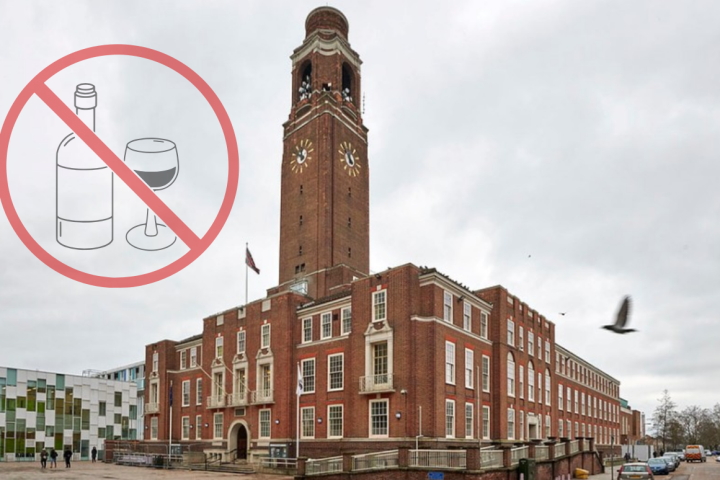
Barking and Dagenham Council has reported 100% compliance following a New Year’s Eve underage alcohol test-purchasing operation across the borough.

Trading Standards officers visited 23 licensed premises to ensure alcohol was not sold to anyone under 18. All businesses tested passed, highlighting their commitment to following the law and protecting young people.

Councillor Syed Ghani, Cabinet Member for Enforcement and Community Safety, said: “Preventing the sale of alcohol to under-18s is a vital part of reducing risk and harm in our communities. We’re pleased to see businesses working with us to protect young people and keep celebrations safe. Together, we can make Barking and Dagenham a safer place for everyone.”

The council’s Trading Standards team reminds businesses to continue following best practice, including operating a Challenge 25 policy, displaying clear age-restriction signage, using till prompts to check ages, maintaining up-to-date refusals registers, providing regular staff training, securing alcohol out of reach, and ensuring CCTV systems are fully operational.

If residents in the borough have concerns regarding inapt age-related provision of products in a business in Barking and Dagenham, they should report it to Trading Standards at tradingstandards@lbbd.gov.uk or contact the Citizens Advice consumer helpline on 0808 223 1133.

Côte Brasserie Launches Its Biggest January Offer with The Happiest Menu

While the name is new, the dishes are reassuringly familiar. The menu is drawn entirely from Côte’s long-standing Set Menu, which has been central to the brand since its launch in 2007. Previously known as the prestige menu, pre-theatre menu and prix fixe, it has always been about making classic French brasserie dining accessible, consistent and enjoyable.

Classic Côte dishes with a sense of nostalgia

Every dish featured on The Happiest Menu comes from Côte’s established repertoire, overseen by Steve Allen, former executive chef at Gordon Ramsay Restaurants, who continues to guide all Côte menus.

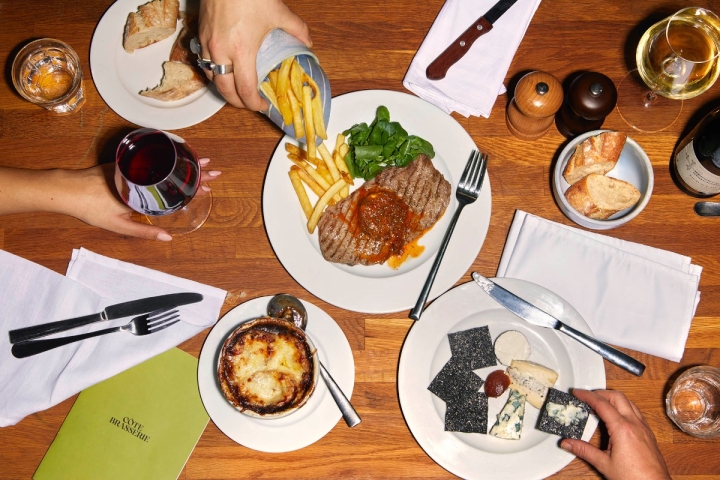
Highlights include Côte’s French Onion Soup, prepared to the original 2007 recipe with onions slow-cooked for hours and finished with Comté sourdough rarebit. The much-loved Steak Frites also features, using steak from Côte’s in-house butchery, served with garlic butter and unlimited frites – a dish that has become synonymous with the brand.

Cheese lovers can enjoy Fromage from France, with cheeses sourced directly from French markets and respected fromageries, reinforcing Côte’s long-standing commitment to provenance and authenticity.

Alongside these classics, The Happiest Menu includes lighter options, as well as vegetarian and vegan dishes, ensuring it caters to a wide range of tastes, dietary preferences and January intentions.

A different approach to January dining

January is often associated with restriction and reset culture, but Côte Brasserie is taking a different approach – focusing on generosity, familiarity and shared enjoyment. The Happiest Menu is designed for relaxed weekday lunches, early evening dinners or spontaneous midweek meals.

New study shows plant-rich diet and probiotics can slow prostate cancer progression

Ground-breaking new research has found for the first time that the friendly bacteria in the gut can be enhanced to help slow prostate cancer progression while improving men’s overall health and wellbeing.

This landmark UK study – led by academics from the University of Bedfordshire alongside a team from Addenbrooke’s and Bedford, Cambridge University Hospital Trusts alongside globally renowned scientists from the University of Southern California and Australia – evaluated a dietary intervention which boosted plant-based nutrients combined with a specifically designed probiotic supplement.

The study involved 212 men with prostate cancer who were being monitored and not receiving androgen deprivation therapy but had increasing prostate-specific antigen (PSA) levels at baseline. All participants took a specially developed supplement made from natural, plant-based ingredients including broccoli, turmeric, pomegranate, green tea, ginger and cranberry. Half of the group also received a new probiotic supplement, while the other half received a placebo.

The scientific results, published in the acclaimed medical Journal European Urology Oncology, reported at 44% reduction in PSA progression, a key indicator of prostate cancer activity. The study is notable in that these biochemical changes were backed up with physical changes in disease size seen on MRI scan – a level of reassurance never seen before in a nutritional study.

The other ‘world first’ findings, welcomed by the men in the study, were improvements in urinary flow. Men on the combination got up less at night to pass water and even had better erectile function. By improving their gut health, the men felt significantly better, had lower levels of inflammation in their bodies and were even stronger (measured by formal grip strength).

Although links between gut health, diet and cancer have been established in previous laboratory studies, this is the first robust clinic trial in humans showing these can be targeted and have an effect on cancer progression and symptoms.

Professor Robert Thomas – Visiting Professor of Sport and Nutritional Science at the University of Bedfordshire, Consultant Clinical Oncologist at Addenbrooke’s and Bedfordshire Cambridge University Hospitals, and Head of Integrative Oncology at University College Hospital London – worked on the research and said: “This study shows, for the first time, that improving the balance of bacteria in the gut can slow prostate cancer activity while also improving important aspects of men’s health such as urinary symptoms, inflammation and physical strength. What is particularly reassuring is that the changes we saw in PSA were supported by changes on MRI scans, which is very unusual and unique in nutritional research. This was a carefully designed clinical trial carried out under medical supervision and, while the results are encouraging, longer follow up is planned to assess whether these supplements will lead to less men needing major interventions such as surgery or radiotherapy.”

As well as providing much needed practical evidence-based nutritional advice for men with prostate cancer – which is the most common cancer in men – it provides encouragement for research institutes across the world to embark on more microbiome research related to different cancers and their treatments.

Dr Jeffrey Aldous, Senior Lecturer in Exercise Physiology, also contributed to the study. He added: “This research helps us understand how targeted dietary strategies may influence the gut microbiome in ways that appear to benefit both cancer-related markers and overall wellbeing. Improvements in strength, inflammation and daily symptoms are particularly important for quality of life, and I hope our findings can support and improve the lives of those living with prostate cancer.”

City of London defends Hampstead Heath Daisy Green cafe decision

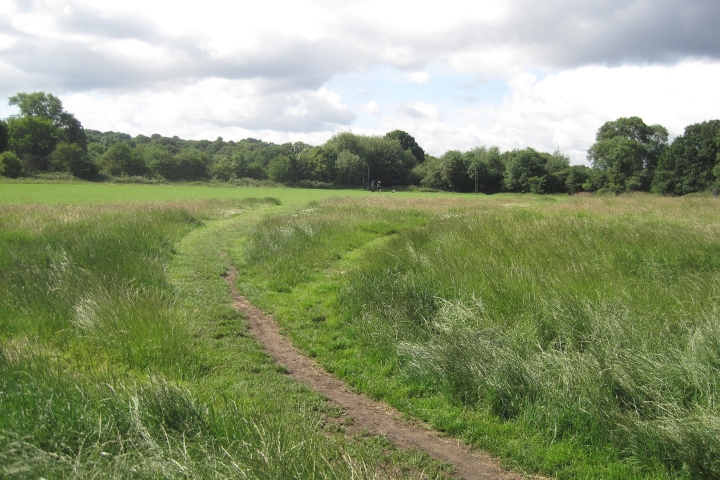
Cafés operating across Hampstead Heath and Queen’s Park will remain open following the City of London Corporation’s decision to award new leases, amid what it describes as misleading and inaccurate claims about the outcome of the process.

The City Corporation, which manages Hampstead Heath and Queen’s Park as registered charities, said the Hampstead Heath cafes decision was intended to secure the long-term future of the sites through a fair, competitive and open remarketing exercise.

Cafés run by Daisy Green across Hampstead Heath and Queen’s Park will continue to function as community-focused spaces, with investment planned for their buildings and facilities. All retained café staff will be paid at least the London Living Wage.

Responding to criticism, the chair of the City of London Corporation’s Hampstead Heath, Highgate Wood and Queen’s Park Committee, Alderman Gregory Jones KC, said:

“There have been several misleading and inaccurate claims since we awarded the leases to Daisy Green and it’s important to be clear about the facts.

“These cafés are not closing. They are much-loved parts of Hampstead Heath and Queen’s Park, and this process was about ensuring they can continue to operate and invest for the long term.

“Previously, the cafés were operating on short-term arrangements that made it difficult to invest in their buildings and facilities. Moving to longer-term leases under Daisy Green allows that community investment to happen and secures the cafes’ future.

“As trustee of the charities that manage these open spaces at no expense to the taxpayer, the City Corporation has a duty to act in the best interest of those charities. We are simply seeking to ensure that services are properly run, leases are market-tested, and facilities are sustainable for the long term, which is reflective of good governance.

“Daisy Green is an independent, London-based business, not a national or multinational chain. And while it operates more than one site, each café will retain its own identity, shaped by its setting and with input from the local community. This approach is not dissimilar to that taken by some of the existing independent café operators who run multiple outlets and business ventures across London.

“Campaigners have overlooked the merits of Daisy Green’s proposal, which include significant investment in café buildings, continuation and development of community programmes, and a promise to keeping menus affordable.

“Importantly, staff in all cafés across the Heath and in Queen’s Park will be paid at least the London Living Wage – demonstrating a real commitment to supporting those who live and work in the local area.”

The City Corporation said community engagement played a central role in the Hampstead Heath cafes decision, with the Hampstead Heath Consultative Committee, representing local groups and stakeholders, involved throughout the process. It added that community involvement would continue as the new arrangements are implemented.

The leasing exercise was widely advertised, independently supported and open to all existing café operators, who were informed about the process ahead of a public announcement in July 2025. Thirty bids were submitted and assessed individually against criteria including affordability, environmental standards, community benefit, experience and business plans. Each café site was considered separately, and combined bids covering multiple locations were not accepted.

During the last financial year, the City Corporation spent almost £12 million on the upkeep and maintenance of Hampstead Heath, without any contribution from local council tax. The organisation also manages 11,000 acres of open spaces across London and the south-east.

Recent investment linked to the Hampstead Heath cafes decision includes a £2.3 million upgrade to the Parliament Hill Athletics Track. The facility is one of only seven tracks in England to hold TrackMark accreditation, which the City Corporation said reflects its long-term stewardship of the Heath.

A separate announcement on the remarketing of the café at Highgate Wood is expected in due course.

London Councils review Older Person’s Freedom Pass as costs rise

Access to free public transport for older Londoners could be scaled back after London Councils confirmed it is reviewing the cost of the Older Person’s Freedom Pass.

London Councils, which represents the capital’s 32 boroughs and the City of London, said it is becoming increasingly concerned about the rising expense of delivering the scheme. While no immediate changes are planned, options are being examined as part of a wider review.

One proposal that has been suggested is restricting free travel for over-66s to buses only. London Councils has indicated that such a change could save boroughs more than £100m a year.

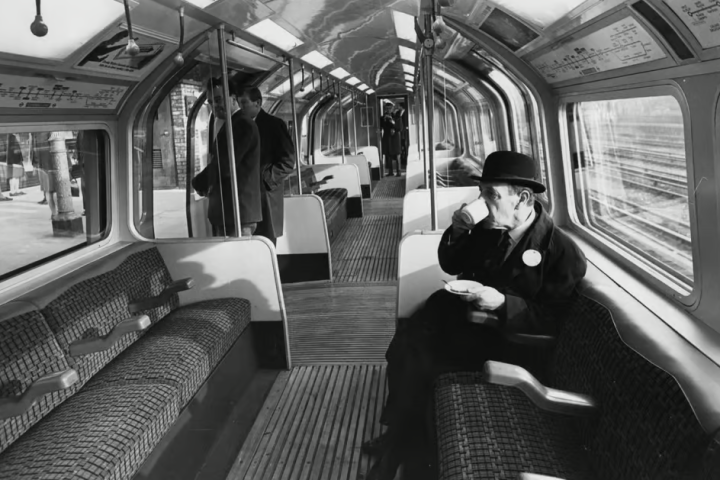
The Freedom Pass currently allows people aged 66 and over to travel free on buses, the Tube, trams, DLR, London Overground, the Elizabeth line and most National Rail services within the capital. The scheme is funded by London’s borough councils and the City of London Corporation.

Alongside the Freedom Pass, Transport for London funds the 60+ London Oyster card, which offers similar travel benefits to people aged between 60 and 65, until they become eligible for the Freedom Pass.

The cost of providing the Older Person’s Freedom Pass has risen sharply in recent years. London Councils expects spending to increase by almost 12% in the next financial year, from just under £333m in 2025–26 to around £372m in 2026–27.

Papers from a December meeting of London Councils’ Transport and Environment Committee show that limiting the scheme to bus travel only would reduce annual costs to about £224m.

However, any significant change to the Freedom Pass would require new legislation. Under the current Greater London Authority Act, the scheme must include all Transport for London modes, including the Tube, DLR, London Overground and Elizabeth line.

According to London Councils, more than 1.2 million Freedom Passes are currently in use. The cost of each journey is effectively charged to the borough where the trip begins.

Stephen Boon, chief operating officer at London Councils, said the Freedom Pass offers more generous benefits than those available elsewhere in England.

“It’s more than a bus pass, which is what it is in the rest of the country,” he told the Standard. “It’s costing more than boroughs can afford.”

The discussion comes amid broader debate about the long-term affordability of age-related benefits, as England’s population continues to age. Almost one in five people in England are now aged 65 or over, with older age groups projected to grow faster than any other segment of the population in coming decades.

By 2065, it is estimated that more than a quarter of England’s population will be aged 65 and over, raising further questions about how free or subsidised public services can be sustained over the long term.

Bromley loneliness champion awarded MBE in New Year Honours

Work to address loneliness across Bromley has been formally recognised in the New Year Honours, with the council’s Loneliness Champion awarded an MBE.

Helayna Jenkins has received the honour for services to tackling loneliness. She joined Bromley Council in 2022 as its first Loneliness Champion and has since led a borough-wide programme aimed at reducing isolation among residents of all ages.

The award follows the council’s decision in 2019 to make loneliness a strategic priority. That commitment led to the launch of Bromley’s Tackling Loneliness Strategy in 2022, which set out a multi-partnership approach involving voluntary groups, statutory services and community organisations.

More than 200 voluntary organisations, partners and stakeholders were involved in shaping the strategy during its development, reflecting widespread local support for coordinated action on loneliness.

Momentum continued in 2023 with the council’s Tackling Loneliness Summit, which brought together community groups, agencies and individuals to support what the council describes as a nationally and internationally leading initiative.

Councillor Diane Smith, Executive Councillor for Adult Care and Health, said the recognition was richly deserved.

“We are absolutely delighted with this fantastic news for both Helayna herself as well as the borough and its residents, that the groundbreaking work she has been championing has now been formally recognised in such an amazing way,” she said.

“Well done Helayna, and thank you once again for bringing the scheme and its vision to fruition in the way that you have. Seldom has an award been as well deserved in my opinion.”

She added that loneliness remains a significant challenge, affecting people of all ages, and praised the contribution of voluntary groups and partners who have worked alongside the council.

“I would take this opportunity to extend my deepest thanks and gratitude to all of them as well,” she said. “It really has been a fantastic team effort.”

Initiatives delivered under the strategy include funding an online directory featuring more than 1,000 local activities and groups, designed to help residents and frontline professionals identify opportunities for social connection.

The council has also rolled out training to help staff recognise people at risk of loneliness and support them effectively, alongside a Christmas card scheme that has seen more than 12,000 cards created by young people and delivered to residents experiencing isolation over the past three years.

Other measures include working with Bromley libraries to host groups and activities, and funding projects through Friends of Parks groups via the Bromley Platinum Jubilee Parks Fund.

Since the programme began, data from the Adult Social Care Outcomes Framework for 2024–25 shows Bromley has risen to first place among London boroughs for the proportion of residents who say they have as much social contact as they would like.

Further information about Bromley Council’s work to tackle loneliness, along with support and resources, is available via the council.

England to implement Simpler Recycling reforms in April 2026

England’s waste system is set for its most significant reform yet in April 2026, as the Government introduces its Simpler Recycling framework. The aim is to replace the existing patchwork of local rules with a single national system, bringing clarity to households and businesses alike.

From April, all waste in England must be separated into four streams: residual (non-recyclable) waste, food waste, paper and card, and dry recyclables including plastic, metal, and glass. The change is intended to eliminate the “postcode lottery” of recycling rules that has long caused confusion and contamination.

For businesses, compliance is not optional. Organisations with 10 or more full-time employees, including those spread across multiple sites, must follow the rules. Responsibility may also extend to landlords and facilities management companies handling waste on behalf of businesses.

Failure to comply carries serious consequences. Businesses could face £110 fixed penalties, civil sanctions, fines exceeding £5,000, and increased landfill costs due to contamination. Landfill tax has already risen by 20%, from £103.70 to £126.15 per tonne, making proper separation more urgent.

Grant Keenan, Managing Director of Keenan Recycling, warned: “We are always here to help businesses comply. But leaving it too late puts pressure on systems, resources, and ultimately the business itself.”

The scale of change is considerable. Food waste separation, in particular, affects a wide range of sectors, from hospitality and healthcare to manufacturing and offices. Mismanagement can lead to fines, reputational damage, and higher landfill costs.

Keenan Recycling has stressed the importance of early preparation. As 2026 approaches, demand for compliant waste infrastructure, bins, collections, and training is expected to rise sharply. Delaying action could make timely compliance difficult or impossible.

Grant Keenan emphasised the opportunity behind the reform: businesses that act proactively can reduce waste, cut costs, and operate more sustainably. “The companies that will succeed in 2026 are not those scrambling to comply in March, but those planning systems, training teams, and aligning processes now,” he said.

April 2026 may seem months away, but preparation requires time. Infrastructure, contracts, education, and compliance systems must be in place to avoid financial penalties and operational disruption. Keenan Recycling is positioning itself to guide businesses through this change with practical support and early engagement, rather than last-minute fixes.

Simpler Recycling represents a major shift in England’s waste landscape. Fines are real, costs are rising, and early action is essential for businesses to thrive under the new national framework.

Late Forest Fightback Stuns West Ham In Tense London Stadium Clash

West Ham’s fight to climb out of trouble took another heavy blow as Nottingham Forest came from behind to win 2–1 at the London Stadium, a result that felt massive at the bottom end of the Premier League table.

The hosts started with urgency and were rewarded early. From a corner, Tomáš Souček’s flick caused panic in the Forest area and the ball ended up in the net off defender Murillo, giving West Ham a 13th-minute lead and lifting the mood inside the ground.

West Ham had chances to build on that advantage and make the game safer, but a mixture of missed openings and marginal calls kept Forest within touching distance. A second West Ham goal was later disallowed for a tight offside, a moment that became a key turning point as the match swung in the visitors’ favour.

Forest emerged sharper after the break and found their equaliser on 55 minutes. Nicolás Domínguez looped a header beyond the goalkeeper to level the contest, and the momentum visibly shifted. West Ham, already short on confidence, began to look anxious in possession, while Forest grew more direct and purposeful.

The decisive incident arrived late. With the game heading toward a draw, a cross into the West Ham box triggered a scramble and goalkeeper Alphonse Areola attempted to punch clear. In the process, he made contact with Morgan Gibbs-White, and after a VAR check a penalty was awarded. Gibbs-White stepped up and converted in the 89th minute, sparking wild celebrations in the away end and leaving the home crowd furious.

Forest’s win not only ended a poor run of their own, it also widened the gap between the two sides in the lower reaches of the table. For West Ham, it extended a damaging winless streak and intensified the pressure on Nuno Espírito Santo, with frustration growing around both performances and decision-making in critical moments.

On the balance of play, Forest edged several of the key underlying metrics: they had slightly more of the ball, produced more shots on target (5 to 3), and generated the higher expected-goals total. West Ham registered 14 shots overall, but they couldn’t translate those moments into the second goal they badly needed.

In the end, this was a match decided by fine margins and big calls — and it’s Forest who leave with the momentum, while West Ham’s survival task looks even steeper.

The West Ham United head coach expressed frustration at not seeing the game out after taking the lead, admitting his side lacked composure in key moments.

“We started well and did many things right, especially in the first half,” he said. “But in this league you are punished if you don’t stay focused for the full 90 minutes. We had opportunities to put the game away and didn’t take them, and that’s something we have to improve quickly.”

He also acknowledged the pressure building around the club’s league position, adding: “The situation demands more personality and calmness. We know what’s at stake and we know we must be better.”

Forest’s manager struck a far more positive tone, praising his players’ mentality and response after falling behind.

“I really liked the character we showed,” he said. “We stayed calm, we didn’t lose our structure, and in the second half we played with much more courage. The players believed we could get something from the game, and they were rewarded for that belief.”

He added that the point could prove significant as the season develops: “Away from home, in this atmosphere, it’s not easy. Results like this give confidence and show the group is growing.”

London Luton Airport adds Bucharest to its Departure Board with New FLYONE Service

London Luton Airport is continuing its summer expansion with the arrival of FLYONE Airlines Romania, which will launch a new daily service to Bucharest from May 2026.

The route, starting on 15 May, will connect Luton with Romania’s capital seven days a week, offering passengers a choice of fare options designed to suit different budgets and travel styles. Tickets are already on sale.

The new service strengthens Luton’s growing eastern European network and follows a run of recent route announcements as the airport builds momentum ahead of the 2026 summer season.

Bucharest, a city characterised by its history and an quickly evolving modern culture, has become an increasingly popular destination for both leisure and business travellers. The addition of a daily link reflects rising demand for direct, affordable connections between London and Romania.

Simon Harley, Interim Director of Aeronautical Revenue at London Luton Airport, said the route was part of a wider push to give passengers more choice:

“With the continued addition of so many new routes and destinations to our departure boards, this is an exciting time for London Luton Airport. Our commitment to offering even greater choice and flexibility to our passengers means ensuring we are connecting to important, attractive and sought-after destinations. Bucharest is just that – a city of contrasts and an unforgettable experience for those who visit. We’re delighted to launch FLYONE Airlines flights from LLA to Bucharest and, as ever, we will be working hard to deliver a simple and friendly passenger experience.”

For FLYONE Airlines, the new route marks a further step in its expansion within the Romanian market and beyond.

Vladimir Cebotari, Chief Executive Officer of FLYONE Airlines, said:

“This agreement with London Luton Airport marks the next important step in our growth strategy for the Romanian market. Our goal is to offer passengers more travel options to top European destinations while maintaining the high standards of safety, comfort, and accessibility that define the FLYONE Airlines experience.”

Flights between London Luton Airport and Bucharest can be booked now via the FLYONE website and mobile app.

Skip to content Skip to content