[directorist_add_listing]

Everton 0-1 Arsenal: Narrow defeat, clear progress as Blues match league leaders for long spells

Everton delivered another disciplined, competitive display under David Moyes, but were edged out 1-0 by Premier League leaders Arsenal at Hill Dickinson Stadium.

The game’s decisive moment came on 27 minutes when Arsenal were awarded a penalty after a handball at a corner, converted by Viktor Gyökeres. Everton responded positively, staying organised and committed, and refusing to let the contest drift away.

From that point, Arsenal demonstrated the kind of elite game management associated with title-chasing sides. They controlled key phases, managed the tempo, restricted space in central areas and defended their box with authority, limiting Everton’s opportunities to turn strong spells into clear chances.

Despite the setback, Everton’s performance again underlined how far the team has come. For too long, Everton have not consistently competed at this level, particularly against the league’s strongest opponents. Now, even in defeat, there is clear structure, resilience and purpose, with the Blues showing they can go toe-to-toe with the best and remain in games deep into the final minutes.

Everton pushed for an equaliser after the break, played with intensity and belief, and carried a threat in advanced areas without losing their shape. Arsenal threatened a second on the counter, but Everton’s organisation and determination ensured the match remained finely balanced until the end.

While the result went Arsenal’s way, Everton’s continued progress is unmistakable, and the foundation being laid is beginning to show week after week.

Man City v West Ham United – Hammers travel to Title Challenging City

Manchester City host West Ham United this weekend in a Premier League fixture that carries significance far beyond three points. At this stage of the season, every position feels laden with consequence, and the contrasting trajectories of these two clubs give this match compelling emotional and competitive weight.

After 16 games played, Manchester City sit second on 36 points, firmly in the title race and chasing leaders Arsenal, while West Ham occupy 18th place on 13 points, trapped in the relegation zone and under pressure to arrest a difficult run of form. Both teams arrive mindful that December results can shape the psychological landscape of the second half of the campaign.

City come into this fixture with a sense of controlled momentum under Pep Guardiola. Their recent performances — including a well‑worked 3–0 victory over crystal palace— have illustrated why they remain among England’s elite: coordinated pressing, fluid movement in attack, and a midfield that consistently dominates possession. Reflecting on their recent run, Guardiola said, “We were patient, and I’m really pleased for the performance and victory to grow our mentality.” He has also emphasised the importance of maintaining intensity and tactical clarity through the congested festive period, with belief high that his side can sustain their title push.

West Ham’s month of December has been turbulent. Losses against Nottingham Forest, Brighton, and Liverpool, coupled with a frustrating 1–1 draw at Manchester United, have underscored a side struggling to find consistency and confidence, despite flashes of spirited defending and transitional threat. Following the United draw, manager Nuno Espírito Santo, appointed on 27 September 2025, praised his team’s effort, saying, “The reaction and character was there today,”highlighting their resilience under pressure. However, defeats such as the narrow 3–2 loss to Aston Villa exposed ongoing issues, with Nuno admitting, “We did not control the game… we conceded from a ball that was ours… we have to improve those aspects.” He has consistently urged unity and resilience as the squad navigates both form and personnel challenges. With West Ham still searching for a winning formula in the top flight this season, each match feels like a critical test of character and belief.

Compounding matters for both clubs is the impact of the Africa Cup of Nations (AFCON). West Ham will be without wingbacks Aaron Wan‑Bissaka and El Hadji Malick Diouf, who have departed to represent their nations, while City will be missing Marmoush and Alt Nouri. These absences force both managers to adapt their game plans and rotation, particularly during a congested holiday schedule, and could have a significant influence on both attacking and defensive structures.

West Ham boss Nuno Espírito Santo acknowledged the challenge, saying, “I’m happy for them because it’s important to go to their national team but, for us as a squad, we will miss them… we will try to find… players who can fill those positions.” Manchester City’s Pep Guardiola also addressed his side’s absentees, confirming several players remain unavailable but stressing that the squad is “prepared” to cope despite the disrupted selection.

Tactically, Manchester City are expected to press for control from the first whistle — stretching play wide, probing West Ham’s defensive shape, and seeking to impose tempo through midfield dominance. West Ham, aware of the gulf in recent form, are likely to adopt a structured defensive posture, staying compact and looking to exploit moments on the break with direct transitions. The battles in midfield and on the flanks will be decisive, and quick shifts in possession may ultimately decide how momentum sways across the full 90 minutes.

For City supporters, this match represents an opportunity to consolidate their title credentials and maintain pressure at the top. For West Ham fans, it is a chance to dig deep, earn a result, and build belief in a campaign that has so far been marked by struggle. Football at this stage of the season remains unpredictable, and while City’s quality gives them the edge on paper, West Ham’s resilience and tactical discipline could make this encounter more than a routine fixture.

In a clash shaped by league implications, contrasting ambitions and international absences, this December meeting promises to be more than the sum of its parts — and one that could reverberate long into the new year.

Elland Road Under the Lights: Leeds Host Palace with Both Missing Key Men

Leeds United host Crystal Palace at Elland Road on Saturday 20 December (8pm GMT), a fixture reshaped by Palace’s crowded schedule and one that arrives with both sides navigating missing personnel.

Leeds’ last match in any competition was the 1–1 Premier League draw away at Brentford on 14 December, a result that followed two big home performances: the 3–3 draw with Liverpool and the 3–1 win over Chelsea earlier in the month. That sequence explains their recent form line (a late mini-recovery after a difficult run), and they’ll see Saturday night as a chance to turn improved displays into a more consistent points return.

Crystal Palace arrive after a very different kind of week. Their last match in any competition was Thursday’s 2–2 draw at home to KuPS in the UEFA Conference League, a result that sent them into the competition’s playoff round. In the Premier League, Palace’s most recent league game was the 2–1 away win at Fulham on 7 December, sealed by a late Marc Guéhi header, which left them well placed near the European spots.

Team news is a central part of the build-up. Leeds remain without Dan James (hamstring), Sean Longstaff (calf) and Lukas Nmecha (hamstring), with all three still listed as sidelined for this one. Palace also have issues: Cheick Doucouré is out with a knee problem, Daichi Kamada is sidelined with a hamstring injury, and Chadi Riad is a doubt due to a knee issue.

There is also an AFCON angle. Palace will be without Ismaïla Sarr, who is away on international duty for the Africa Cup of Nations. Leeds are not listed as losing any players to AFCON at this point.

On the pitch, Leeds’ best recent work has come from intensity and bravery — strong wing-back running, aggressive second-ball play, and quick vertical attacks when space opens up. Palace, under Oliver Glasner, have shown they can be compact and difficult to break down while still carrying a threat when they transition, but their midweek commitments mean they’ll want to manage the game intelligently and avoid being dragged into a frantic tempo.

This has the feel of a match that could be decided by rhythm: if Leeds can sustain pressure and make Elland Road a factor, they’ll fancy their chances. If Palace can absorb that early energy, keep their shape and pick the right moments to break, their organisation and league position suggest they can take something back south.

Molineux Pressure: Wolves Still Winless as Brentford Look to Travel Better

Wolverhampton Wanderers are back at Molineux this weekend still hunting for a first league win of the season, while Brentford arrive looking to turn a familiar pattern on its head: solid at home, far less reliable on the road. It has the feel of a fixture where nerves can creep in early — Wolves because of their position, Brentford because away games have repeatedly punished small mistakes.

Wolves start the round bottom of the table with two points from 16 matches), and their last Premier League outing summed up the campaign — a 2–1 defeat at Arsenal decided by two late own goals. Rob Edwards has spoken about spirit and discipline, but results have not followed, and the pressure is now constant every time they take the pitch.

Brentford’s most recent match in any competition came in midweek, when they were knocked out of the Carabao Cup in a 2–0 quarter-final loss at Manchester City. Their last league game was the 2–0 defeat at Tottenham on 6 December, a result that left them on 19 points and sitting in the lower mid-table cluster. The away trend is a clear concern: Brentford have struggled for points on their travels all season, which is part of why this trip feels like an opportunity for Wolves as much as a danger.

Squad availability is likely to shape the tone. Wolves will definitely be without Emmanuel Agbadou and Tawanda Chirewa, both of whom have joined up with their national teams ahead of AFCON, while Yerson Mosquera is suspended. Wolves also have longer-term injuries, with Jean-Ricner Bellegarde, Marshall Munetsi and Rodrigo Gomes all ruled out, and Hugo Bueno not expected back until at least next week.

Brentford’s list has its own headline issues. Frank Onyeka and Dango Ouattara have been called up for AFCON and are listed as unavailable for this match, while Fábio Carvalho (ACL), Antoni Milambo (ACL) and Josh Dasilva (knee ligament) remain sidelined. There are also key fitness doubts: Brentford’s Jordan Henderson and top scorer Igor Thiagoare both expected to face late tests.

On the pitch, Wolves will likely try to keep the game simpler and tighter than it has too often become — stay compact, compete for second balls, and avoid gifting cheap momentum. Brentford, under Keith Andrews, usually look most dangerous when they can combine aggression with control: pressing in spells, stretching play wide and feeding their central striker early when possible. Set pieces could loom large too, especially with both sides carrying defensive absences.

For Wolves, this is another chance to turn “nearly” into something tangible — and with the table as it is, even a single point would matter. For Brentford, it’s about proving they can cope with an awkward away day, manage disruption from injuries and AFCON call-ups, and come through a match that will feel like a scrap from the first whistle.

Tottenham Hotspur vs Liverpool: A Crucial December Clash

Tottenham Hotspur host Liverpool this Saturday in a Premier League fixture that carries significance far beyond three points. At this stage of the season, when every position feels laden with consequence, the gulf in form, momentum and league standing gives this clash a compelling emotional and competitive edge.

After 16 games played, Liverpool sit seventh on 26 points, within touching distance of the top four — currently occupied by Crystal Palace, Manchester United and Chelsea — and just a few results away from establishing themselves as genuine challengers for European qualification again. Spurs, meanwhile, find themselves in 11th place with 22 points, already four adrift of the Reds and trailing the top quartet by six points. Both clubs know that while the title race may feel distant, securing a strong festive period can be vital to shaping ambitions for the months ahead.

Liverpool arrives with a sense of upward momentum under Arne Slot. A recent 2–0 win over Brighton showcased their growing tactical coherence — organized defending, intelligent possession and sharper attacking movement — and provided fresh belief in their identity. Slot himself has acknowledged that his squad is “getting closer to the team I want us to be,” highlighting continuity and progress as central to Liverpool’s evolution this season.

Tottenham’s December has been more turbulent. Results have fluctuated and consistency has proved elusive, leaving Thomas Frank’s side in the mid‑table scramble. Frank has been candid about the work still to be done, describing the process of stabilization as “not a quick fix” after a heavy defeat to Nottingham Forest, and emphasizing the need for patience as his ideas take hold.

Compounding matters for both sides is the impact of the Africa Cup of Nations (AFCON). Liverpool will be without Mohamed Salah for a period, with other contributors also departing to represent their nations, while Spurs are missing midfielders Pape Matar Sarr and Yves Bissouma in Morocco. These absences will shape selection and strategy, forcing both managers to adapt.

Tactically, Liverpool is expected to press for control — stretching the pitch, circulating with purpose and probing Spurs’ defensive shape. Tottenham, aware of the gulf in recent form, are likely to adopt a compact posture, defending resolutely before seeking to spring forward quickly on the counter. Battles in midfield and on the wings will be key, and transitions may decide how momentum shifts throughout the 90 minutes.

For Liverpool supporters, this match represents a chance to solidify progress and edge closer to European contention. For Spurs fans, it is an opportunity to restore confidence and prove resilience in the face of adversity. Neither outcome is guaranteed — football at this stage of the season remains unpredictable — but both sides know that December results often set the tone for the new year.

In a fixture shaped by form, league implications and international absences, this clash promises to be more than the sum of its parts.

Early Kick-Off Pressure as Newcastle Welcome Chelsea After Derby Defeat

Newcastle United welcome Chelsea to St James’ Park this weekend with both sides returning to league duty after midweek Carabao Cup quarter-finals. Newcastle will try to use Wednesday’s cup win as a springboard after a derby setback in the league, while Chelsea arrive with confidence from both a cup victory and a recent Premier League win that moved them back into the top four.

Newcastle’s last match in any competition was their 2–1 Carabao Cup quarter-final win over Fulham on 17 December, sealed by a stoppage-time header from Lewis Miley after Yoane Wissa opened the scoring early. Their last Premier League game was the 1–0 derby defeat away at Sunderland on 14 December, a result that left them on 22 points.

Chelsea’s last match in any competition was their 3–1 Carabao Cup quarter-final win at Cardiff City on 16 December, with Alejandro Garnacho scoring twice and Pedro Neto also on the scoresheet. Their last Premier League game was a 2–0 home win over Everton on 13 December, a result that snapped a four-game winless league run and lifted Enzo Maresca’s side into fourth on 28 points.

Team news is relevant on Tyneside. Newcastle’s defensive options have been stretched further after the Fulham tie, with Tino Livramento expected to miss the Chelsea match following a knee issue picked up in that quarter-final, while Lewis Hall has been pushing to return after missing midweek. Dan Burn remains out with a rib/lung injury and is projected back later. Chelsea’s squad situation is less clearly defined from the most recent match reports cited above, but they do at least arrive without an additional match in the 48 hours before this fixture.

Tactically, Newcastle at St James’ Park are likely to lean into intensity and tempo, particularly after the crowd-driven surge that carried them through the Fulham cup tie. Chelsea, under Maresca, will look to control possession and manage transitions carefully—especially against a Newcastle side that can turn momentum quickly at home.

The league context adds edge. Chelsea are trying to protect their top-four position, while Newcastle will see a home match against elite opposition as an opportunity to convert cup momentum into league points. With both teams coming off quarter-final wins but carrying different league pressures, this one shapes up as a high-intensity contest where the early rhythm—and how each side copes defensively in transition—could decide the tone.

Student Safety App proves vital as student safety incidents continue across UK campuses

Young people in Further Education and Higher Education continue to face gaps in safety support, particularly when travelling to and from campuses, attending off-site activities or navigating their local areas. Despite years of development and adoption, incidents of harassment, assaults, spiking, and other concerning events continue to highlight the urgent need for effective, student-led safety solutions. Many colleges and universities still rely on a mix of campus-only tools, disconnected systems and informal channels, leaving students without a consistent way to report safeguarding concerns or receive time-sensitive information. Incidents often go unreported due to worries about being judged, dismissed, or “making a fuss.”

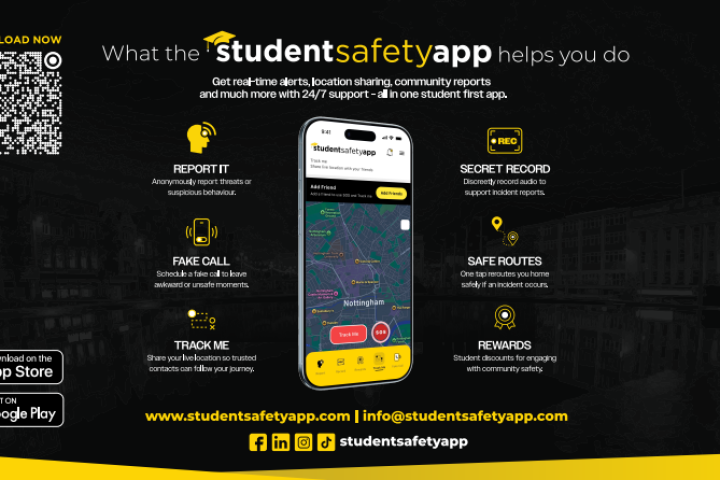
The Student Safety App (SSA) has been supporting students across the UK since its launch, providing a free, student-led platform designed for everyday use by learners starting in college and progressing onto university. SSA brings together real-time alerts, anonymous reporting and practical safety tools in one trusted, city-wide network used by students, colleges, universities, accommodation providers, councils and local partners.

Former England and Premier League footballer Emile Heskey, a spearhead for the Student Safety App, said:

“The Student Safety App is a social app that allows students to work together and navigate through inner cities and around crime. Students should never have to walk home alone feeling afraid. This app is what they’ve been waiting for – practical, fast and student-focused.”

SSA offers a simple, unified way for students to look after themselves and each other. Reports can be submitted anonymously, with every submission verified by a 24/7 human control team before alerts are shared. The app provides discreet options to record concerns, a quick-access SOS function, live journey tracking for trusted contacts, safe-route information and a built-in “fake call” tool for uncomfortable situations. Students within this safety network also get access to exclusive rewards through partnered retailers.

SSA is entirely free and an admin panel is available for education providers. For FE settings, it supports safeguarding responsibilities by placing guidance, reporting tools and induction materials directly on students’ phones. For universities, it complements existing processes while assisting with obligations such as OfS E6. It also supports preparedness for Martyn’s Law by enabling rapid communication and offering transparent, audit-ready records during events.

The platform also works in partnership with the Barnaby Webber Foundation, created in memory of University of Nottingham student Barnaby Webber. A spokesperson for the Foundation said:

“Barnaby’s father Dave, mother Emma and brother Charlie are very happy to support the Student Safety App – it’s really a no-brainer.”

SSA’s message is clear: remove stigma, simplify reporting and ensure that students are not left without support once they step off campus and afterhours. As incidents continue to affect young people, the app demonstrates that verified information, 24/7 monitoring, and a trusted network are not optional – they are essential. By bringing colleges, universities, and local communities into one shared safety network, SSA continues to set the standard for student safety in the UK.

Learn more at StudentSafetyApp.com

Former officer admits misconduct in SDS undercover officer inquiry

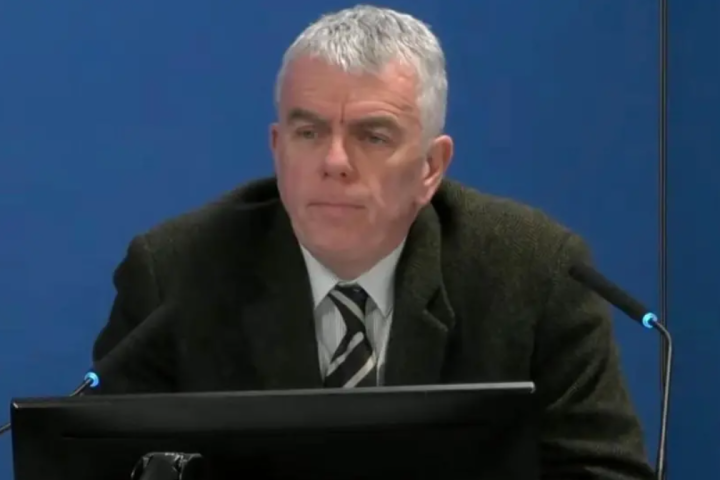
A former Metropolitan Police undercover officer has told a public inquiry that his conduct while infiltrating left-wing groups in London during the 1990s was “cruel” and known to senior officers.

Mark Jenner, who used the undercover identity Mark Cassidy, was a member of the Special Demonstration Squad. The unit is under examination by the Undercover Policing Inquiry, which is assessing allegations of systemic misconduct. His evidence has renewed focus on the SDS undercover officer inquiry and the practices it is examining.

While deployed, Mr Jenner entered into a five-year sexual relationship with a school teacher known as Alison, who was among those he was tasked with monitoring. At the time, he was married with children. The inquiry heard that he moved into her flat, travelled abroad with her and attended family events, which he said assisted his cover.

Mr Jenner said he had been recruited in part because he was married and viewed as a “family man”. In 1995, he was sent to infiltrate the Colin Roach Centre in Hackney, a venue formed by a local trades union, where he met Alison and later began living with her. She was unaware that he was a police officer.

He described taking holidays with her to destinations including Thailand and Amsterdam, paid for using money from a joint account he held with his wife. He also spent time with Alison’s family and friends, activities which he said strengthened his credibility among activists.

His wife, referred to as S, previously told the inquiry she had agreed to his undercover role but believed he was targeting terrorists and had no knowledge of the relationship. Mr Jenner told the inquiry: “I thought financially we’d be secure and it would be a better future.”

“It was a hell of a strain and on my mind all the time,” he said, adding: “I tried to blank it out.”

“The thought of deceiving her [his wife] above everybody else was an absolute abhorrence,” he said.

He told the inquiry he loved his wife but accepted he was a largely “absent father”, saying “personal gratification and a police career took precedence”. Asked why the relationship with Alison continued for so long, he said it helped him “maintain his cover” and boosted his standing within activist groups. These admissions form part of the evidence now being considered by the SDS undercover officer inquiry.

Mr Jenner said his cohabitation with Alison was known within the SDS and had become an “open secret”. He told the inquiry that senior officers were aware of the arrangement. His supervising officer, DCI Bob Lambert, also had relationships while undercover, including one in which he fathered a child.

Documents shown to the inquiry included a 1996 performance review by DCI Lambert, describing Mr Jenner as a “phlegmatic officer who remains calm in the face of danger” operating in a “dangerous and hostile environment”. A Special Branch record showed Mr Jenner received a commendation in September 2000, praising his acceptance of work demands over “domestic arrangements”.

After his identity was exposed in the media in 2011, Mr Jenner said he lied during an internal interview at Scotland Yard. “I was trying to hold out for as long as possible,” he told the inquiry. In a later interview in 2013, he said: “My actions when working undercover for SDS were with the knowledge and approval of my line managers. Whatever I did within the SDS was professional.”

He told the inquiry: “You could do pretty much do what you want apart from kill anybody, it would be covered.

“We were supported by secrecy and the management and the whole structure around SDS.”

It is believed at least 50 women were deceived into relationships by SDS officers over several decades. After Mr Jenner’s evidence, Alison said she was “very pleased” that he acknowledged the relationship was widely known. “So much of what Mark Jenner said was very shocking,” she said, adding that his claim the relationship was necessary for cover was particularly disturbing.

The Metropolitan Police has apologised “unreservedly” for the harm caused, stating: “These relationships were abusive, deceitful, manipulative and wrong.” It said undercover policing had since undergone significant reform with clearer ethical rules.

The SDS undercover officer inquiry is continuing and is expected to resume in the new year.

Historic Black Community Centre now vulnerable after being denied heritage status

A community centre in north-west London associated with preventing race riots in the 1980s faces demolition after being denied heritage protection.

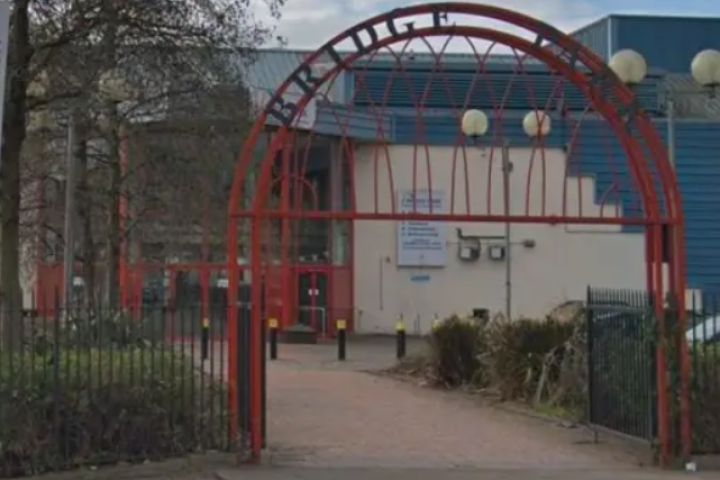
Bridge Park Community Centre in Harlesden was put forward for national heritage status following a public campaign launched last year by Harlesden People’s Community Council. The application was rejected by Historic England, the public body responsible for listing and protecting historic buildings.

The decision means the site remains unprotected as Brent Council advances plans to redevelop the Hillside Corridor, which includes the centre, as part of a £600m investment programme.

Campaigners argue the loss of the building would represent the erasure of an important chapter in black British history. The centre was founded in the aftermath of the Brixton race riots of 1981 and went on to become the largest black-led community enterprise in Europe. Supporters say it played a role in empowering the local black community and preventing further unrest.

Members of Harlesden People’s Community Council have said they will appeal against the ruling. Speaking to the Local Democracy Reporting Service, the group said: “Historic England’s decision not to list Bridge Park ignores its historic and symbolic importance, privileging architectural merit over the rich story embedded in the building’s fabric.

“It raises serious concerns that black, community-led histories like Bridge Park are being undervalued, despite clear precedent for protecting modest or utilitarian buildings on the basis of their historic significance alone.”

The denial of Bridge Park heritage status has been welcomed by Brent Council, which said it removed a potential obstacle to redevelopment. The authority plans to demolish the centre, which was built inside a former bus depot, and replace it with 1,000 homes alongside retail units, a hotel and a new community hub.

The council has previously said the site has been partially derelict for 15 years and that refurbishment would be prohibitively expensive. It added that the leisure centre, which closed in July 2025, had “reached the end of its usable life” and that the building “no longer meets modern standards for accessibility, safety, or flexibility”.

Skip to content Skip to content