[directorist_add_listing]

Arsenal 2-0 Everton: Arsenal Leave It Late, But Everton Show Just How Far They Have Come

For 88 minutes this was not the story Arsenal wanted to tell. It was the story Everton were writing for them.

Yes, Arsenal won 2-0. Yes, Max Dowman ended the evening by making Premier League history. Yes, Mikel Arteta’s substitutes changed the game and may yet have changed the mood of a title run. But if this is going to be an honest reflection of what happened at the Emirates, then Everton have to be given their due. This was not a meek away performance from a side hanging on for dear life. This was a proper, brave, organised, aggressive Everton display that created chances, tested David Raya, rattled the post, frustrated the league leaders and looked for long spells like a team that fully believed it could take something from north London.

That, in itself, says a lot about where Everton are now under David Moyes.

Arsenal had the ball, the territory and the crowd behind them, but Everton had the sharper edge in the first half whenever they broke through the lines. Arsenal started with the usual authority, pinning Everton back and asking questions. Noni Madueke forced a save, Riccardo Calafiori volleyed over, Bukayo Saka was heavily involved, and there was that familiar sense of Arsenal circling the box waiting for the opening. But Everton were not there to admire them. They were there to disrupt, to compete, and to make the game uncomfortable.

The biggest moments of the first half belonged to Everton. Iliman Ndiaye forced Raya into a fingertip save and from the loose ball Dwight McNeil should have had more joy were it not for Calafiori throwing out a crucial block. McNeil then went even closer, smashing the post from distance, with Ndiaye unable to turn in the rebound. Kiernan Dewsbury-Hall also made Raya work with a diving save. Those were not token moments. Those were real opportunities. For all of Arsenal’s possession, it was Everton who were carrying the greater threat when the game opened up. That mattered because it exposed the difference between sterile control and genuine danger.

Everton also deserve credit for the way they defended the structure of the game. They narrowed spaces, protected central areas, and made Arsenal work in front of them. Jordan Pickford, before the cruel late twist, was again important. Arsenal had volume, Everton had resistance. Arsenal had shots, Everton had substance. There is a difference. Too often in recent years Everton have gone away to elite sides looking beaten before kick-off, almost waiting for pressure to turn into damage. This was not that. This was an Everton side that had a go, stayed organised, and looked like it understood the assignment.

That is why the defeat will sting Moyes, because this was one of those away performances where you can make a real case that Everton deserved something. He said afterwards that his side were good enough for a result, and it is hard to argue. They worked, they ran, they defended with courage, and they also created enough chances to score at least once. When Moyes pointed out that Raya made big saves and Everton hit the post, he was not reaching for excuses. He was describing the match.

It also has to be said that Everton did this without their preferred defensive pairing. Both James Tarkowski and Jarrad Branthwaite were absent, and that matters enormously. Arsenal can lose quality and call upon a bench worth millions and millions. Everton lose two first-choice centre-backs and the margin for error becomes tiny. Even so, they still made Arsenal sweat, still made them anxious, and still took the game into the final minutes at 0-0. As for Branthwaite, the clearest recent Everton updates available before this match traced his season-long fitness issues back to hamstring trouble. The match reporting after full-time confirmed he was missing again, though the post-match sources I checked did not clearly set out a fresh diagnosis for this specific absence. Either way, Everton were without him, and they felt it in depth if not always in organisation.

That is where the wider point about Everton’s progress comes in. This team is not finished. Not remotely. In truth, Moyes is still at the scaffolding stage. He came back to Everton in January 2025, and while technically that means he has now worked through three transfer windows if you count that emergency January, it is fairer to say he has only really had two proper recruitment phases to shape the squad in his own image, plus one mid-season repair job. That is nowhere near enough to build what he will ultimately want. Arteta, by contrast, was appointed in December 2019, and this current cycle is his 13th transfer window. That is the difference in the maturity of the two projects. Arsenal are deep into construction, furnishing the house and choosing the wallpaper. Everton are still pouring concrete in places and discovering which walls need knocking down.

And yet, despite that gulf in development time, Everton made Arsenal look ordinary for long stretches.

That is why the ending felt so brutal for the visitors and so revealing for the home side. Arteta’s changes did not merely freshen Arsenal up. They altered the rhythm, the speed and the threat level of the game. He had already been forced into one change when Jurriën Timber went off in the first half, but the key tactical swing came later. On came Gabriel Martinelli and Viktor Gyokeres just after the hour. Later came Piero Hincapie and, most importantly, Dowman. Suddenly Arsenal had more direct running, more urgency, more bodies attacking the right spaces and more chaos in Everton’s box. Until then Arsenal had looked a little laboured, a little safe, a little like a team trying to solve the game with neatness alone. Once the bench arrived in waves, it became a different contest.

Dowman was the lightning strike. There is no point dressing it up. He changed everything.

At 16, he came on and played as if the occasion belonged to him. That is the startling part. Not merely the age, not merely the headline, but the lack of hesitation. Every touch was positive. Every carry was aggressive. Every action had intent. He did not enter the game to participate in it politely. He entered the game to bend it. His cross for the first goal created the chaos Everton had resisted all night. Pickford came, did not claim, the ball broke kindly after a deflection, and Gyokeres had the simplest of finishes. It was messy, but only because Dowman had injected the kind of sharp, fearless delivery Arsenal had been missing.

Then came the second goal, the one that turned a big moment into a historic one. With Pickford up for an Everton corner in stoppage time, the game cracked open, but Dowman still had an awful lot to do. Young players can panic there. Young players can overrun it, snatch at it, get swallowed by the noise of the moment. Dowman did the opposite. He drove forward with a startling calmness, carried the ball over distance and finished to become the youngest goalscorer in Premier League history. The lovely twist, depending on your allegiance, is that he took that record from James Vaughan, another Everton teenager once announced to the world in blue. Football has a wicked sense of poetry sometimes.

Arteta, to his credit, deserves huge praise here. He can often be painted as a manager who trusts the structure more than instinct, but this was an instinctive call and a brave one. The easy option with a title race tightening is to stay safe, trust the senior players, and hope your stars find the answer. Instead Arteta looked to a 16-year-old and found the answer there. That is not small management. That is big management. Arsenal’s bench did not just rescue the points, it showed why their squad is in a different place now. Gyokeres gave them a presence. Martinelli added drive. Hincapie’s involvement unsettled Everton. Dowman electrified the whole stadium. Even the crowd changed once he got on the ball. Arsenal suddenly looked less like a side worrying about the weight of the moment and more like one willing to grab it by the throat.

That does not mean Everton should walk away feeling sorry for themselves. They should walk away annoyed, because they were good. But they should also walk away with evidence. Evidence that the shape is improving. Evidence that the team can execute a plan against elite opposition. Evidence that they can go to the best side in the country, or close to it, and not look second-rate. Everton are not the finished article, and that is the key point. Moyes is not building this in a single summer and he is certainly not building it in two proper windows. He probably does need five, six, maybe seven windows to get the squad where it truly needs to be. He needs more pace in certain areas, more craft between the lines, more depth at centre-back, more attacking options who can turn strong performances into goals. But the direction of travel is clear. Everton no longer feel like a side desperately trying to survive games. They increasingly look like a side learning how to compete in them.

The Arsenal comparison only sharpens that thought. Arteta has had the time, the backing and the repeated windows to mould this team into one that can change a match from the bench. Everton are not there yet. They cannot be there yet. But what they produced at the Emirates was the sort of performance that suggests the gap can narrow over time if the recruitment is smart and the patience holds.

Moyes said his team deserved something. Arteta said Dowman changed the game. Both managers were right.

That is the truth of it. Everton played well enough to take a point, perhaps more if they had been cleaner with their best moments. Arsenal, however, had the one luxury Everton do not yet possess in the same way: game-changing options arriving late with enough quality to distort the match. That is what title-contending squads do. They survive a difficult evening, then pull a rabbit, a ferret and a firework from the bench.

And in Dowman’s case, they pulled out a child prodigy with ice in his veins.
Chelsea 0-1 Newcastle: Visitors Silence Stamford Bridge with Gritty Performance

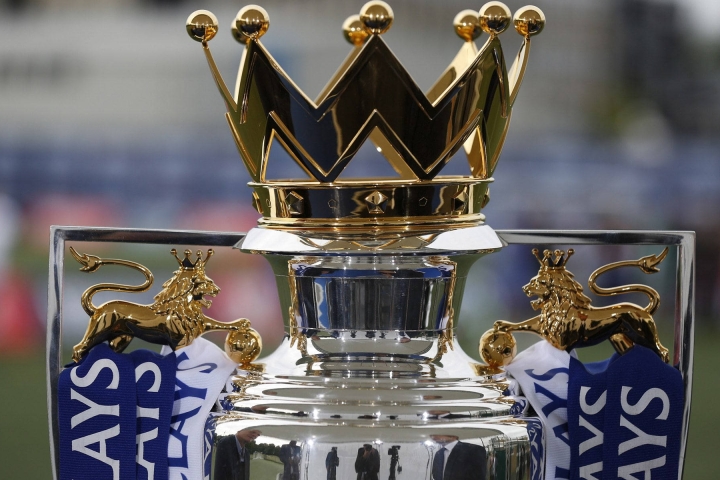
Newcastle United secured a vital Premier League victory over Chelsea with a determined 1–0 success at Stamford Bridge, in a match defined by a decisive early goal, disciplined defending and mounting frustration among the home supporters. The encounter, played in front of a near-capacity crowd, carried significant implications for both teams’ ambitions in the closing months of the season. Chelsea were aiming to strengthen their position in the race for European qualification, while Newcastle sought to close the gap on the clubs above them and inject renewed belief into their campaign. By the end of a tense afternoon, it was the visitors who emerged with all three points, thanks to a clinical finish from Anthony Gordon and a collective defensive effort that proved difficult for the hosts to overcome. 

From the outset, the match possessed an edge that reflected the importance of the result for both sides. Chelsea began with an attacking intent, eager to assert themselves in front of their supporters and recover from recent setbacks in other competitions. The home team enjoyed early spells of possession, attempting to move the ball quickly through midfield and stretch Newcastle’s defensive shape. Their forward players worked hard to find space between the lines, and there were moments when it appeared only a final pass or sharper movement was missing from turning promising build-up play into genuine scoring opportunities.

Newcastle, however, approached the contest with a clear tactical plan. Rather than engaging in an open exchange of attacks, they remained compact, organised and patient, waiting for opportunities to strike on the counterattack. This disciplined approach soon paid dividends in dramatic fashion. In the 18th minute, a swift transition caught Chelsea’s defence off balance. Joe Willock surged forward before delivering a precise pass into the path of Gordon, who showed composure to finish past the goalkeeper and give Newcastle a crucial early lead. 

The goal immediately altered the dynamic of the match. Chelsea, who had started brightly, were forced to confront the reality of chasing the game against an opponent known for defensive resilience. Newcastle, buoyed by their advantage, grew in confidence and began to frustrate the home side by breaking up play and maintaining a well-structured defensive line. Gordon’s strike also appeared to lift the visitors’ belief that they could secure a rare victory at Stamford Bridge, a venue that has historically proved difficult for them. 

Despite falling behind, Chelsea continued to push forward. Their midfield attempted to dictate the tempo by recycling possession and probing for openings around the edge of Newcastle’s penalty area. Cole Palmer and João Pedro were particularly active, drifting into pockets of space and trying to combine with teammates to unlock the visitors’ defence. Yet while Chelsea dominated the ball for long periods, their attacking play often lacked the sharpness required to break through Newcastle’s disciplined setup. 

As the first half progressed, Newcastle’s defensive organisation became increasingly evident. Sven Botman marshalled the back line with authority, making timely interceptions and clearances whenever Chelsea threatened to create danger. The visitors were content to allow their opponents possession in less threatening areas, focusing instead on maintaining shape and limiting space in the final third. This strategy proved effective, as Chelsea struggled to convert their territorial advantage into clear chances before the interval. 

The mood inside Stamford Bridge grew more tense as halftime approached. Supporters, aware of the stakes, expressed their frustration at missed opportunities and occasional defensive uncertainty. Newcastle, meanwhile, remained composed, their players displaying a sense of unity and purpose that contrasted with the increasingly anxious atmosphere surrounding the home side. When the whistle blew for the break, the visitors retained their slender lead, and the sense persisted that the second half would require a significant shift from Chelsea if they were to rescue the contest.

After the restart, Chelsea attempted to raise the tempo. Substitutions were introduced in an effort to add fresh energy and attacking impetus, and the team began to commit more players forward. This approach created moments of promise, but Newcastle continued to defend with determination. Their midfielders tracked back diligently to support the defence, while goalkeeper Aaron Ramsdale remained alert whenever Chelsea managed to create shooting opportunities. 

One of Chelsea’s most notable chances arrived midway through the second half, when a sequence of quick passes opened space near the edge of the penalty area. However, the final attempt failed to trouble Ramsdale significantly, summing up the home side’s difficulties in converting build-up play into decisive action. The frustration was evident among players and supporters alike, as time began to slip away.

Newcastle’s attacking threat did not disappear entirely after taking the lead. They continued to look dangerous on the counterattack, particularly through Gordon’s pace and willingness to run at defenders. On several occasions, Chelsea were forced into hurried recoveries, highlighting the risks inherent in committing numbers forward in search of an equaliser. These moments served as reminders that the visitors were capable of extending their advantage if given too much space.

As the match entered its final stages, Chelsea launched a sustained period of pressure. The home side delivered crosses into the penalty area and attempted shots from distance, hoping that persistence would eventually bring a breakthrough. Newcastle’s defenders, however, stood firm, blocking efforts and clearing danger whenever necessary. Their ability to remain organised under intense pressure proved central to the eventual outcome.

Perhaps Chelsea’s clearest opportunity to salvage a point arrived in stoppage time. Awarded a free kick in a promising position, Reece James stepped up and struck a powerful effort that beat the defensive wall but crashed against the post. The near miss encapsulated the home side’s afternoon — moments of promise undermined by the fine margins that often define elite football. 

When the final whistle sounded, Newcastle’s players celebrated enthusiastically, aware they had secured a result of considerable importance. The victory not only strengthened their position in the league table but also provided a morale boost ahead of upcoming fixtures, including challenging encounters in European competition. For Chelsea, the defeat represented a setback in their pursuit of consistency and added pressure to deliver improved performances in the weeks ahead. 

After the match, Chelsea head coach Liam Rosenior acknowledged that defensive mistakes had once again proved costly. He expressed disappointment that his team had conceded from a moment of vulnerability and emphasised the need for greater concentration at key points in matches. Rosenior also spoke about the frustration of creating opportunities without capitalising on them, noting that fine margins can determine results at the highest level. While he remained confident in his squad’s ability to respond positively, he admitted that improving decision-making in both boxes would be crucial as the season progressed. 

The Chelsea manager also addressed the emotional atmosphere surrounding the team, recognising that supporters expect strong performances, particularly in high-profile home fixtures. He insisted that maintaining unity and focus would be essential in overcoming recent setbacks, stressing that the players must channel disappointment into motivation rather than allowing frustration to undermine their confidence.

Newcastle manager Eddie Howe, by contrast, praised his side’s tactical discipline and determination. He highlighted the importance of maintaining defensive structure throughout the match and commended his players for executing the game plan effectively. Howe described the victory as a significant boost for morale, particularly given the challenges of competing on multiple fronts. He also singled out Gordon for his decisive contribution, noting that the forward’s pace and finishing ability can make a crucial difference in tightly contested matches. 

Howe further emphasised that results like this demonstrate the value of collective effort. He pointed to the way Newcastle defended as a unit, with midfielders and forwards contributing to protecting the lead. According to the manager, such performances can build confidence and belief, both of which are vital during the demanding final stages of a long season.

Beyond the immediate result, the match served as a reminder of the competitive balance within the Premier League. Even teams separated by several places in the standings can produce closely fought encounters where a single moment decides the outcome. Chelsea’s dominance in possession contrasted with Newcastle’s efficiency and defensive resilience, illustrating how different tactical approaches can influence the flow of a game.

For the supporters who witnessed the contest, the afternoon offered a mixture of drama and tension. Newcastle’s travelling fans celebrated a memorable victory that could prove significant in shaping their season’s trajectory, while Chelsea’s faithful were left to reflect on missed opportunities and the need for improvement.

Ultimately, the match highlighted the enduring unpredictability of top-flight football. A solitary goal, scored early and defended with determination, was enough to secure Newcastle’s triumph and leave Chelsea searching for answers. As both teams turn their attention to upcoming fixtures, the lessons learned from this encounter will likely influence their strategies and ambitions in the weeks ahead.

Slot and Tudor Prepare for a High-Stakes Premier League Clash at Anfield

There are Premier League fixtures that feel significant because of history, and there are others that arrive carrying the emotional weight of the week that has just unfolded. Liverpool against Tottenham Hotspur at Anfield belongs in both categories this time. Sunday’s meeting comes with Arne Slot’s side trying to steady themselves after a difficult few days in league and European action, while Igor Tudor takes a Tottenham team to Merseyside still searching for traction in a season that has become increasingly complicated.

The names and the setting ensure attention regardless, but the real intrigue lies in the timing. One side is looking to convert home advantage into a response. The other is simply trying to halt a slide, repair confidence and show that the squad still has enough resilience to compete in one of the league’s toughest away assignments.

From Liverpool’s perspective, the most immediate reference point is Tuesday night in Istanbul, where a 1-0 defeat to Galatasaray left Slot’s men with work to do in the second leg of their Champions League last-16 tie. Mario Lemina’s early header settled the game and meant the Reds returned home beaten, with Giorgi Mamardashvili deputising in goal because Alisson Becker had suffered an issue in training before the trip. 

That sequence gives the fixture its shape for the home side. Anfield will expect a response, and there is enough quality in Liverpool’s recent performances to suggest one is possible, but there has also been enough inconsistency to keep the mood from becoming complacent. The West Ham victory showed just how dangerous Slot’s team can be when their attacking players click together and when set-pieces begin to function as a genuine weapon. Ekitike opened the scoring that day, then created goals for Mac Allister and Gakpo, and his own assessment afterwards was revealing: pleased, but not satisfied. The French forward’s numbers already underline his impact, with the West Ham strike his 16th goal of a debut season that has steadily grown in influence. Salah remains the obvious headline figure because he continues to be Liverpool’s most decisive attacker, but Ekitike’s emergence as a scorer and facilitator has added a second layer to the attack, while Mac Allister’s recent influence and Gakpo’s finishing still make them dangerous across multiple lines. That variety matters now, because Liverpool need less noise and more clarity. They do not have to reinvent themselves before Spurs arrive; they simply have to rediscover the sharper, more clinical version of themselves that was on show against West Ham rather than the looser version seen at Wolves and, in patches, against Galatasaray.

The visitors come into the game with their own far more urgent problems. Tottenham’s last match in any competition was Tuesday’s 5-2 Champions League defeat away to Atletico Madrid, a traumatic evening in which the damage was done almost immediately. Spurs conceded four times in the opening 22 minutes, with the official report describing a string of self-inflicted blows before Pedro Porro and Dominic Solanke scored in a game that had already run away from them. Tudor’s post-match reaction was blunt, apologising to supporters and describing the evening as incredibly difficult to explain, while also noting yet another late twist when Cristian Romero and Joao Palhinha clashed heads in added time.

Before that trip to Spain, Tottenham had lost 1-3 at home to Crystal Palace in the Premier League, a game transformed by Micky van de Ven’s first-half red card after Dominic Solanke had initially given Spurs the lead. The previous away outing had also ended in defeat, 2-1 at Fulham, though Richarlison’s goal in west London at least offered a reminder of his value after injury. Taken together, that run explains the fragility around Tottenham going into this match. They have not just been losing games; they have been losing them in ways that have deepened uncertainty.

That is why this fixture feels especially delicate for Tudor. The official club updates from the last few days have carried both encouragement and complication. Richarlison, back from injury, was confirmed to start against Atletico and was described by the club as Tottenham’s top scorer this season, while Cristian Romero and Micky van de Ven had both returned to availability for the European tie. Yet the news around availability is rarely simple at Spurs right now. Van de Ven’s red card against Crystal Palace means he is suspended for the trip to Liverpool, even though he was eligible to play in midweek against Atletico. Tuesday’s pre-match team news also stated that James Maddison, Destiny Udogie, Lucas Bergvall, Mohammed Kudus, Dejan Kulusevski, Wilson Odobert, Rodrigo Bentancur and Ben Davies all remained sidelined, though Djed Spence and Radu Dragusin were back in contention and Romero had served his domestic suspension. After the Atletico defeat, Tudor admitted he did not yet know whether Romero and Palhinha would be available following their clash of heads. That leaves Tottenham travelling to Anfield with some uncertainty around the spine of the side and with one guaranteed defensive absence in van de Ven.

Liverpool’s injury picture is less dramatic, but it remains relevant enough to shape the conversation before kick-off. The club’s latest official injury list, updated on 9 March, confirmed that Alisson felt an issue during training ahead of the Galatasaray trip, though Slot said there was “definitely a chance” the goalkeeper could return for the Tottenham match because the problem was not expected to be a big one. Federico Chiesa missed the journey to Turkiye because of illness. Conor Bradley is out for the rest of the season after a significant knee injury, Wataru Endo is expected to be out for a long period following the foot injury he suffered at Sunderland, and Alexander Isak remains sidelined after ankle surgery with a return projected around the end of March or start of April. Stefan Bajcetic, meanwhile, has still not played in the 2025-26 season because of injury setbacks. On the more positive side, Florian Wirtz returned to the starting line-up in Istanbul after recovering from a back issue, and Jeremie Frimpong has recently rejoined the team after a five-game absence. So while Slot does not have a perfect squad to choose from, he is not short of attacking options, and that is likely to matter against a Tottenham defence missing van de Ven and carrying other fitness questions.

In form players always shape the mood around a game like this, and Liverpool clearly have more of them right now. Salah remains the central figure because of his continued end product and the way everything dangerous still seems to run through him at key moments. Ekitike, though, has become impossible to ignore, with 16 goals in his debut campaign and a growing ability to influence games even when he is not the final scorer. Mac Allister is playing with authority and timing in midfield, Van Dijk remains the commanding presence at the back, and Gakpo continues to offer goals from wide and central zones. There is also the sense that Wirtz, now back after his recent back problem, gives Liverpool a creative layer that can be especially useful against teams who defend with numbers. Tottenham, for all their issues, still possess individuals capable of changing a game. Richarlison’s return has given them a sharper edge and the club’s own updates underline that he is their top scorer this season. Solanke has also had moments, scoring against Crystal Palace and again in Madrid, while his scorpion-kick goal against Manchester City won the club’s Goal of the Month award for February and later the Premier League’s Creative Moment of the Month. Pedro Porro’s goal in Madrid was another reminder that Spurs can carry threat from deeper positions even when the overall team structure is unstable.

The tactical picture points toward a match Liverpool will expect to control, but expecting control and achieving it are not always the same thing. Slot’s side are at their best when the press arrives in coordinated waves and the central midfield can turn recoveries into immediate pressure around the box. Anfield tends to amplify that approach, and against a team carrying obvious fragility, there will be an urge to start quickly and make Tottenham uncomfortable from the opening whistle. Spurs, however, are unlikely to arrive purely to absorb. Tudor has inherited a difficult situation, but the personnel that remain available still lend themselves to aggressive moments, especially when Porro can advance, Richarlison can occupy defenders and Solanke can threaten central channels. The problem for Tottenham is that their recent losses have too often featured one damaging spell from which they have not recovered. Against Liverpool, even a brief loss of shape can quickly become decisive. That is why the opening stages feel so important. If the home side score early, the afternoon could become a test of nerve for Spurs. If the visitors somehow drag the game into a slower, more fractured rhythm, anxiety may begin to creep into Liverpool after recent setbacks.

There is also a psychological layer that should not be ignored. Liverpool know they have let a promising spell wobble in the last week, but they also know Anfield remains one of the best places to reassert themselves. Tottenham, by contrast, travel with the weight of multiple recent disappointments and with an interim head coach still trying to find stability in his first weeks. Tudor has already had to handle red cards, injuries, goalkeeping drama and a schedule that has offered almost no time for calm rebuilding. In that environment, confidence becomes as important as tactics, and confidence is not easily restored by one training session. Spurs do at least have the sort of players who can threaten in moments, and Richarlison’s recent reintroduction gives them more presence than they had a few weeks ago. Yet the broader evidence points toward a side still trying to survive games emotionally as much as technically. Liverpool do not look fully settled either, but their flaws seem more correctable at present. Tottenham’s feel deeper.

All of which leaves this contest looking straightforward on paper but more nuanced in practice. Liverpool should be favourites because they are at home, because they have more stability, because their main attacking names are producing, and because Tottenham arrive with a suspension in central defence plus several unresolved fitness concerns. Yet recent defeats to Wolves and Galatasaray mean Slot’s team cannot treat this as a simple reset button. They will still have to earn the reaction Anfield expects. For Tottenham, the task is less about style and more about staying in the game long enough for doubt to appear on the other side. That may sound reductive, but it is also realistic given the evidence of the last week. One club needs a response to preserve momentum and calm. The other needs a performance that proves the season has not drifted beyond control. In that sense, Liverpool against Tottenham is not merely another high-profile Premier League fixture. It is a game shaped by pressure, recent damage and the possibility that one good afternoon can still alter the mood around both clubs.

For Arsenal, Everton is the sort of assignment that says far more about substance than style

From Arsenal’s side, this is not really a game about glamour. It is about authority. It is about whether a team that has spent so much of this season looking like the most complete side in the country can deal with the kind of opponent who arrives with a plan, with resilience and with no interest whatsoever in helping the occasion breathe. Everton under David Moyes will not come to the Emirates to be impressed by the table or by Arsenal’s wider narrative. They will come to disrupt it, slow it, scruff it up and try to turn it into the sort of game Moyes believes his side can stay alive in. That is precisely why this is such an important Arsenal fixture.

Arteta will know that as well as anyone. Arsenal are back on home soil after the 1-1 draw away to Bayer Leverkusen in the first leg of their Champions League last-16 tie, and the wider shape of March means these home league matches carry enormous weight. Arsenal have five of their next seven Premier League games at the Emirates, and Arteta has made clear that home form could be crucial in the title race. In that sense, Everton is not simply the next game. It is one of the games that serious title winners take care of, even when the rhythm is awkward and the opponent refuses to cooperate.

There was useful clarity from Arteta on Bukayo Saka after the trip to Germany, because his withdrawal in Leverkusen inevitably created a little noise. The Arsenal manager made it clear that the change was tactical rather than physical. He explained that he felt Arsenal needed something different in that moment, and that Noni Madueke had the capacity to come on and be a real threat. That matters heading into Everton because it removes one anxiety from the conversation. Arsenal do not appear to be nursing a fresh Saka injury here. Instead, Arteta was making a call within the game, looking for a different kind of edge.

That substitution also said something about where Arsenal are right now. Madueke came on, attacked more directly, drove into dangerous areas and won the late penalty that Kai Havertz converted for the equaliser. Arteta was emphatic about that side of Madueke’s game too, making the point that there was no surprise in what he produced because bravery and aggression in those moments are his biggest qualities. That is relevant against Everton because one of the ways Arsenal can unpick a Moyes side is by forcing duels, by driving at defenders rather than endlessly circling around them, and by introducing players who change the picture in one action rather than five. Everton will try to keep the game in straight lines. Arsenal’s job is to bend it.

The more significant pre-match discussion surrounds Martin Odegaard and Leandro Trossard. Arteta has said both are late calls for Everton. Asked about them, he said Arsenal would have to wait, assess them again and speak to the doctors on whether they would be involved. Odegaard has missed Arsenal’s last four matches with a lingering knee issue, while Trossard sat out the Leverkusen trip after failing to fully convince in training. Arteta explained after Wednesday’s game that Trossard had trained but was not comfortable enough to play and still felt something. That leaves Arsenal in an interesting position. They are close to full strength, but not quite there. The difference between being almost complete and completely loaded can be enormous at this stage of the season.

Still, Arsenal’s situation is a lot healthier than it looked not so long ago. If Odegaard and Trossard make the squad, Arteta will have something close to a full attacking deck. If they do not, the manager still appears to have most of his main structure intact. Mikel Merino is the only confirmed absentee, while William Saliba returned to the starting side in Leverkusen and Riccardo Calafiori was back among the options. Kai Havertz is also back in the conversation and already influencing big moments again. For an Arsenal side chasing major honours on multiple fronts, that is a powerful shift. A few weeks ago, the conversation was about survival through a difficult patch. Now it is about selection strength, variety and whether Arteta can afford to be ruthless with his choices.

And that is why this Everton match feels so revealing. When Odegaard is available, Arsenal look more surgical. The game becomes more exact. Their right side sharpens, their tempo improves and their capacity to pull defenders out of line increases. If he is fit enough to feature, even for a portion of the evening, it changes the feel of the contest. If he is not, Arsenal still have enough to win, but the burden shifts more heavily onto Saka, Declan Rice and the wider structure to create pressure without that natural conductor in the middle. Trossard, meanwhile, is the sort of player who can make low-event games suddenly dangerous with one sharp movement around the box. Everton are exactly the kind of opponent against whom that matters.

Arteta was also asked ahead of this match about Everton, about David Moyes and about his former club, which added an extra layer to the build-up. There is obviously personal history there, but from Arsenal’s perspective the emotional angle is secondary. The real issue is competitive maturity. Moyes teams do not usually beat themselves. They ask you to keep solving the same problem. They force you to attack the game again and again without losing belief or shape. In the transcript from Moyes’ own press conference, he made clear that Everton will come with confidence from recent away results and that there will be moments when they suffer and moments when they try to take advantage. Arsenal have to be ready for both.

This is where the game could become slightly deceptive. Arsenal will expect to dominate the ball. They will expect territory. They will expect Everton to spend long spells in a compact shape and, at times, to go into that rope a rope mode you mentioned earlier, absorbing pressure and waiting for moments to counter the mood of the match rather than just the match itself. But control is not the same as incision. Arsenal have had enough recent games, including against Everton in the past, where they have owned the ball without quite owning the danger. Arteta’s challenge is to make sure this does not become another evening of sterile superiority.

That means the first part of the game matters. Arsenal do not absolutely have to score early, but they do have to make Everton feel the weight of the stadium and the pace of the ball. They have to move Everton enough to stop them getting comfortable. They have to make their set pieces count, sustain the press after turnovers, and avoid giving Moyes’ side the kind of emotional encouragement that grows with every goalless minute. Everton will believe that if they can drag this into the last half-hour at 0-0 or even 1-0, nerves can creep in. Arsenal have seen that script before. This is their chance to tear it up.

And yet there is also a strong argument that this version of Arsenal is better equipped for exactly this sort of ordeal. They are less romantic than they used to be, less dependent on flow, more capable of winning through persistence, structure and physical force. That has brought criticism in some quarters, but it has also put them where they are. You do not end up leading the league, still alive in Europe and carrying this level of expectation into March by being soft-centred. You do it by developing different methods of winning. Everton may test Arsenal’s patience tomorrow, but patience is one of the things Arteta’s team have built.

So from Arsenal’s perspective, this is a game about doing the hard, slightly ugly part of ambition. It is about recognising that Everton will make them work for every clean sight of goal. It is about knowing that Saka is fit enough to be trusted, that Madueke has pushed his way into the conversation, that Odegaard and Trossard may yet give the squad an extra lift, and that the Emirates now has to become a place where title pressure is applied rather than felt. If Arsenal want this run-in to end with silverware, these are the matches they have to seize, not simply survive. Everton will come to make the night awkward. Arsenal have to make it inevitable.

Selhurst Park Set for High-Intensity Battle as Palace Meet Leeds

Crystal Palace welcome Leeds United to Selhurst Park for an important Premier League encounter as the season moves into its decisive stage. With both clubs eager to gather momentum and secure valuable points before the closing weeks of the campaign, the meeting in South London promises to deliver an intense contest between two sides with contrasting styles but similar determination. Fixtures between these clubs have often been competitive affairs, and the upcoming clash carries significance for both teams as they look to strengthen their positions in the league table.

Selhurst Park remains one of the Premier League’s most atmospheric venues. The compact stadium and passionate support create an environment that frequently energises the home side while presenting a difficult challenge for visiting teams. Crystal Palace have historically relied on their home form to drive their progress during a season, and the supporters’ influence has often played a role in shifting momentum during tightly contested matches.

Under manager Oliver Glasner, Palace have continued to evolve tactically. The Austrian coach has introduced a system built around organisation, discipline without the ball and swift attacking transitions once possession is regained. His approach emphasises collective structure while allowing attacking players the freedom to exploit space quickly when opportunities arise. Over time the squad has begun to show greater understanding of these principles, and Palace have gradually developed a more defined identity under his leadership.

Recent performances have reflected the steady development of Glasner’s system. The Eagles have looked more composed when building from the back and increasingly comfortable controlling matches through midfield. Although results have varied at times, the team’s overall structure has remained evident, particularly in their ability to remain competitive against opponents across the division.

A central figure in Palace’s midfield has been Adam Wharton. The England international has emerged as one of the club’s most influential players, dictating the tempo of matches from deep positions. His calmness in possession and range of passing allow Palace to progress the ball effectively through midfield, linking defence with attack and enabling the team to establish sustained periods of control. Wharton has also become one of the side’s leading creators this season, underlining his importance to the team’s attacking structure.

Alongside him, Jefferson Lerma provides the defensive balance that allows Palace’s midfield to function effectively. The Colombian international is known for his tireless work rate and ability to disrupt opposition attacks, often recovering possession in key areas of the pitch. Lerma’s presence offers protection to the defensive line while also allowing more attack-minded teammates to push forward.

Daichi Kamada has also played an important role in linking midfield and attack. The Japanese international brings technical intelligence and movement between the lines, frequently finding pockets of space where he can receive the ball and turn toward goal. His ability to combine quickly with teammates provides Palace with an additional creative outlet when attempting to break down organised defensive structures.

In the attacking third, Jean-Philippe Mateta has been a key figure throughout the campaign. The French striker has developed into a reliable focal point for Palace’s forward play, combining physical presence with improving movement inside the penalty area. Mateta’s hold-up play allows midfield runners to join attacks, and his finishing has contributed a steady supply of goals during the season.

Palace have also relied on width to stretch opposing defences. Quick transitions often involve wide players driving forward before delivering crosses or cutbacks into dangerous areas. This strategy forces opponents to defend deeper and creates additional space for central midfielders to influence the game.

Defensively, the Eagles have had to adjust following the departure of captain Marc Guéhi earlier in the season, a move that significantly altered the team’s defensive structure. His exit placed greater responsibility on the remaining defenders to maintain stability at the back. As a result, Palace have emphasised collective organisation rather than relying heavily on individual leadership.

Goalkeeper Dean Henderson has therefore taken on an increasingly prominent role within the team. His communication and command of the penalty area have been vital in organising the defensive line, while his shot-stopping ability has helped Palace remain competitive in closely contested matches.

Leeds United travel to South London under manager Daniel Farke, whose side earned promotion to the Premier League after winning the Championship the previous season. The German coach has sought to establish a style of play built on controlled possession and energetic pressing, combining technical quality with the relentless intensity long associated with Leeds United.

Leeds often attempt to increase the tempo of matches by pressing high up the pitch and moving the ball forward quickly once possession is regained. This approach can place opponents under immediate pressure, particularly when Leeds commit numbers forward during attacking phases. The strategy has produced exciting matches throughout the campaign and has helped the team create opportunities against a range of opponents.

Their most recent outing provided further encouragement for the Yorkshire side. Leeds produced a commanding performance in the FA Cup, defeating Norwich City 3-0 to reach the quarter-finals. Goals from Sean Longstaff, Gabriel Gudmundsson and Joël Piroe secured a comfortable victory and demonstrated the attacking depth within Farke’s squad.

Joël Piroe remains one of Leeds’ most important attacking players. The striker has consistently provided goals since joining the club and plays a central role in the team’s offensive structure. His positioning inside the penalty area and ability to finish chances have made him a reliable scoring threat.

Supporting him in the attack are players capable of stretching opposition defences with pace and direct running. Daniel Farke’s squad includes several wide options who can carry the ball forward quickly and deliver dangerous crosses into the penalty area. This attacking approach allows Leeds to create opportunities through both structured buildup play and quick counterattacks.

Midfield stability for Leeds is often provided by captain Ethan Ampadu. The Welsh international offers composure and defensive awareness in the centre of the pitch, helping the team maintain balance during high-tempo matches. Ampadu’s ability to read the game and intercept passes is particularly valuable when Leeds attempt to regain possession quickly.

Defensively, Leeds rely on experienced players such as Pascal Struijk and Joe Rodon to provide organisation in the back line. Their positioning and physical presence are crucial when dealing with the attacking threat of Premier League opponents.

The tactical contrast between these two sides could shape the outcome of the match. Crystal Palace generally favour a more controlled approach, building attacks patiently through midfield before accelerating toward goal. Leeds, by contrast, often attempt to increase the pace of the game through aggressive pressing and rapid transitions.

The midfield battle may therefore prove decisive. If Palace succeed in controlling possession through Wharton and Kamada, they may be able to dictate the rhythm of the match and limit Leeds’ opportunities to counterattack. Conversely, if Leeds manage to disrupt Palace’s buildup play and force turnovers in dangerous areas, their speed in transition could quickly become a significant threat.

Atmosphere will also play a major role in shaping the contest. Selhurst Park crowds are renowned for their vocal backing, and the energy generated inside the stadium often provides a lift to the home side during key moments. Palace players frequently draw confidence from the support, particularly when pushing forward in search of goals.

Leeds supporters travelling from Yorkshire will also bring their own passionate backing. The club’s away following is well known for its vocal presence, and their support can help maintain the team’s intensity even in challenging away environments.

Historically, meetings between Crystal Palace and Leeds United have produced competitive encounters, reflecting the determination and pride associated with both clubs. Each side possesses a strong footballing identity and a fan base that expects commitment and attacking intent from its players.

For Crystal Palace, securing victory at home would provide valuable momentum as they aim to finish the season strongly. Consistency has been a key objective under Glasner, and positive results in fixtures like this one would reinforce the progress being made by the squad.

Leeds United, meanwhile, will view the trip to Selhurst Park as an opportunity to demonstrate their ability to compete away from home in the Premier League. A strong performance could help strengthen their position in the table and build confidence for the remaining matches of the campaign.

With talented players on both sides and contrasting tactical approaches set to collide, the upcoming meeting between Crystal Palace and Leeds United promises to deliver a compelling Premier League encounter. The intensity generated by both teams and their supporters ensures that Selhurst Park will once again host a match filled with energy, determination and high-level competition.

Wizz Air relaunches MultiPass in the UK

Wizz Air, the fastest-growing European airline and London’s local airline, has reopened sales of its WIZZ MultiPass subscription in the UK, giving travellers the opportunity to fix the price of their flights and optional baggage for a full year.

Available from 12 March 2026 across all international routes to and from the UK, WIZZ Multipass enables customers to secure a fixed monthly flight price regardless of seasonality or last-minute demand.

Unlike Wizz Air’s separate WIZZ All You Can Fly membership – which is designed for spontaneous travellers -, WIZZ Multipass is a structured subscription product designed for travellers who plan ahead and fly regularly on selected routes. It provides one confirmed one way or return flight per month – with the option to add WIZZ Priority and a 20kg checked bag depending on members’ travel needs – booked at least five days before departure.

After a one-time First-Month fee, Multipass subscribers pay a fixed monthly amount for the remaining 11 months, providing certainty over travel costs, making it easier to budget throughout the year. This booking model differs from WIZZ All You Can Fly, where members can take an extensive number of flights across Wizz Air’s entire network with a recurring booking fee of £8.64, but can only choose from available destinations between 72-hours and 3 hours before the date and time of departure.

Silvia Mosquera Gonzalez, Commercial Officer at Wizz Air, said: “Travellers are increasingly looking for predictability when planning their trips, particularly around peak periods when fares can fluctuate. WIZZ MultiPass gives UK passengers the opportunity to fix their flight costs for an entire year, whether they are commuting regularly or planning multiple holidays. It is about giving customers more control over their travel budget.”

Customers can book their first flight as soon as the subscription becomes active and travel just five days later. Subscriptions renew automatically on the first day of each month.

As with standard Wizz Air tickets, additional services can be added before travel via the airline’s “Check-in & Bookings” page.

MultiPass can also be purchased mid-month, provided there are at least five days remaining before month-end. The customer will be charged immediately and will be able to board their flight of choice within five days. In this case, the first month of travel will be shorter, with the subscription then renewing on the first day of each month. Find more information about WIZZ MultiPass on Wizz MultiPass | Fly More, Save More.

WIZZ MULTIPASS: SUBSCRIPTION PLANS FOR INTERNATIONAL ROUTES TO AND FROM THE UNITED KINGDOM


PLANS


ONE WAY


RETURN

ONE WAY 1st MONTH FEE

152 GBP

303 GBP

FIXED RECURRING MONTHLY FEE
(For the remaining 11 month)

55 GBP

110 GBP

WIZZ PRIORITY
(2 cabin bags + Priority Boarding)

30 GBP

59 GBP

20 KG CHECKED-IN BAG

38 GBP

76 GBP

Why nature is becoming a boardroom issue – and how businesses can make the case

For years, biodiversity has sat comfortably in the “sustainability” column of corporate reporting. Now it’s edging into something more consequential: strategy.

A new guide from nature consultancy Biodiversify argues that companies must start treating nature as a core business concern – not a peripheral environmental commitment.

The 22-page publication, Embedding Nature into Enterprise Strategy, draws on insights from sustainability leaders at some of the world’s largest corporations, including Primark, The Co-op Group and The Crown Estate. Together, the companies represented account for more than £1.4 trillion in annual revenue.

The conversations took place during a closed-door session at the Royal Botanic Gardens, Kew, where representatives from 56 businesses discussed a question that has become increasingly urgent: how do you persuade executives that nature belongs in the business plan?

Biodiversify – whose clients include Amazon, Kering and Suntory – says many organisations understand that environmental risks are rising. Translating that awareness into a credible business case, however, remains far harder.

Nature-related threats, from supply chain disruption to regulatory pressure, are accelerating as climate change strains ecosystems. Yet biodiversity discussions often struggle to land in the language of finance, operations and risk management.

The guide suggests the solution is partly linguistic.

Rather than framing initiatives around the phrase “nature positive”, sustainability teams are encouraged to speak in the dialect of the departments they are trying to influence. Procurement teams respond to discussions about supply chain continuity. Risk teams pay closer attention to asset protection. Finance departments want to understand exposure and timing.

Another pragmatic suggestion: start with water.

Water security is already widely understood as financially material inside many companies. Positioning biodiversity through the lens of water risk can provide a more familiar entry point for decision-makers.

The report also draws on perspectives from the Nature & Biodiversity Peer Group, a global network of more than 500 professionals working on nature-related issues within business.

Sam Sinclair, Co-Founder and Director at Biodiversify, said the shift is ultimately unavoidable.

“Nature is not a ‘nice-to-have’ for business; it completely underpins the stability of our supply chains.

“As climate change accelerates and ecosystems become more vulnerable, companies that fail to understand their dependence on nature risk serious disruption and price volatility.

“A strong business case makes clear where the risk sits, why timing matters, and what level of commitment is required. The good news is that many leading businesses are recognising this early and taking concrete actions to strengthen their resilience.”

Helpmore launches Trust Index to highlight the impact of small charities in South Africa

Helpmore, a charity founded by Ranmore Fund Management and registered in the United Kingdom and South Africa, has announced the launch of the Helpmore Trust Index, a growing online database of small charities making a meaningful impact in South Africa, helping donors feel confident their donations are making a real difference to charity beneficiaries.

While South Africa has many impactful grassroots charities, identifying trustworthy organisations can often be challenging for donors due to the fragmented nature of the sector. The Helpmore Trust Index aims to help address this by highlighting charities that demonstrate transparency and accountability.

The Helpmore Trust Index has been created to introduce the public to smaller organisations delivering tangible impact in their communities.

Sean Peche, founder of Helpmore and CEO of Ranmore Fund Management, said:

“Small charities, like small businesses, create jobs and generate economic growth. We can’t all create jobs by starting small businesses, but we can all create jobs by donating to well run charities, helping them to expand.”

Jamie Nye, Helpmore CEO, said:

“We want to introduce the public to the many wonderful, well run charities having a positive impact on the lives of others in South Africa. Only transparent charities that make it through our due diligence process will be included on our Helpmore Trust Index.

It’s a dynamic process whereby our team is continually expanding and updating the index and if any charity subsequently breaks our trust, they will be instantly removed.”

Helpmore is encouraging members of the public who have first-hand knowledge of effective grassroots charities to help grow the initiative by recommending organisations for inclusion on the Helpmore Trust Index.

Charities can be proposed for inclusion via the Charities section of the Helpmore website:
www.helpmorecharity.com/charities/propose-a-charity

West Ham United 2-2 Brentford (AET 5-3 Pens): Penalty Shootout Decides London Derby

The tie carried extra intensity even before kick-off. A meeting between two London clubs always has a competitive edge, but the FA Cup stakes added another layer. Both teams viewed the competition as a realistic chance of silverware and European qualification, and the atmosphere inside the London Stadium reflected that ambition. West Ham supporters were eager to see their side push forward in the tournament, while Brentford arrived determined to spoil the party and continue their own impressive cup campaign.

From the opening minutes the match had a frantic energy. Brentford showed early intent with sharp pressing and quick transitions, forcing West Ham to remain alert at the back. However, the home side gradually began to settle into their rhythm, moving the ball with greater purpose through midfield and pushing the Brentford defensive line deeper. The early exchanges suggested the contest would be tight, but few could have predicted the rollercoaster that followed.

West Ham struck first after just under twenty minutes, and it was a moment that ignited the stadium. Jarrod Bowen, who has consistently been one of the Hammers’ most influential attackers, produced the breakthrough. The forward capitalised on a well-constructed attacking move, finding space in the penalty area before finishing calmly to give the hosts a crucial early advantage. The goal rewarded West Ham’s growing control and gave them momentum just as Brentford appeared to be finding their footing.

Yet Brentford responded quickly, refusing to let the setback derail them. The visitors began pushing forward with greater aggression, using wide areas effectively and testing the West Ham defence with crosses and quick combinations around the box. Their persistence paid off before the half-hour mark when Igor Thiago found the net to bring the match level. The equaliser restored Brentford’s confidence and shifted the mood of the contest, ensuring the remainder of the half would be fiercely contested.

Not long after Brentford’s leveller, the game produced its first major turning point involving VAR. A challenge inside the penalty area led to a review, and after examining the incident the referee pointed to the spot in West Ham’s favour. The decision sparked debate among Brentford players and supporters, but it stood, handing the Hammers a golden opportunity to regain the lead. Bowen stepped up to take the penalty and showed impressive composure under pressure, sending the goalkeeper the wrong way and restoring West Ham’s advantage with his second goal of the night.

The strike gave West Ham renewed confidence heading toward half-time, yet Brentford remained dangerous whenever they pushed forward. Their attacking play often flowed through quick passing moves and deliveries into the box, and West Ham goalkeeper Alphonse Areola was forced to stay alert as the visitors searched for another equaliser.

As the second half began, Brentford gradually increased their attacking intensity. They committed more players forward and began creating clearer opportunities. West Ham, meanwhile, looked to manage the game by keeping possession and hitting Brentford on the counterattack whenever space appeared.

One of the most notable moments of the second half came when Brentford appealed for a penalty of their own after a challenge inside the West Ham area. The visiting players believed the foul warranted a spot-kick, but after reviewing the situation the officials decided against awarding one. The decision proved controversial and sparked frustration among the Brentford players, who felt they had been denied a clear chance to level the match.

Despite that disappointment, Brentford continued pressing forward and eventually found their breakthrough in the final stages of normal time. With the clock ticking down and the Hammers attempting to protect their slender lead, a foul inside the penalty area gave Brentford the opportunity they had been waiting for. This time the referee pointed to the spot, and Igor Thiago stepped up with calm authority. The striker converted the penalty to make it 2–2, sending the match into a dramatic closing phase and silencing the home crowd momentarily.

The equaliser completely changed the atmosphere of the game. Brentford suddenly had renewed belief, while West Ham were forced to regroup quickly after conceding so late. Both sides pushed for a decisive goal in the remaining minutes of regulation time, but neither could break the deadlock before the final whistle. With the score tied after 90 minutes, the match moved into extra time.

Extra time brought another intense period of football, though fatigue began to show across both teams. Players who had already spent ninety minutes battling for every ball now had to summon the energy for another half hour of high-pressure action. Chances came at both ends, but defences and goalkeepers held firm. Areola produced crucial saves for West Ham, while Brentford’s goalkeeper Caoimhín Kelleher also denied several dangerous attempts.

As the minutes ticked away, the inevitability of a penalty shootout began to loom. Players on both sides looked increasingly cautious, aware that one mistake could prove fatal so late in the contest. When the final whistle of extra time sounded with the score still locked at 2–2, the tie would ultimately be decided from twelve yards.

Penalty shootouts often produce moments of extraordinary drama, and this one was no different. The early kicks were taken confidently by both teams, with each side converting their opening attempts and keeping the tension high. Every successful penalty heightened the pressure on the next taker, and the crowd inside the stadium held its breath with every strike.

The decisive moment arrived when Brentford winger Dango Ouattara stepped forward for one of the crucial penalties. Attempting an audacious panenka-style effort, he tried to delicately chip the ball down the middle of the goal. However, the attempt lacked the required disguise and power, and Areola read it perfectly, calmly saving the shot. The miss proved to be the turning point of the shootout.

With the advantage now in West Ham’s hands, defender Konstantinos Mavropanos stepped up to take what would become the winning penalty. Showing remarkable composure in front of the home supporters, he struck the ball firmly into the net, sealing a 5–3 shootout victory and sending West Ham into the FA Cup quarter-finals. The stadium erupted as players and fans celebrated a victory that had been hard-fought from start to finish.

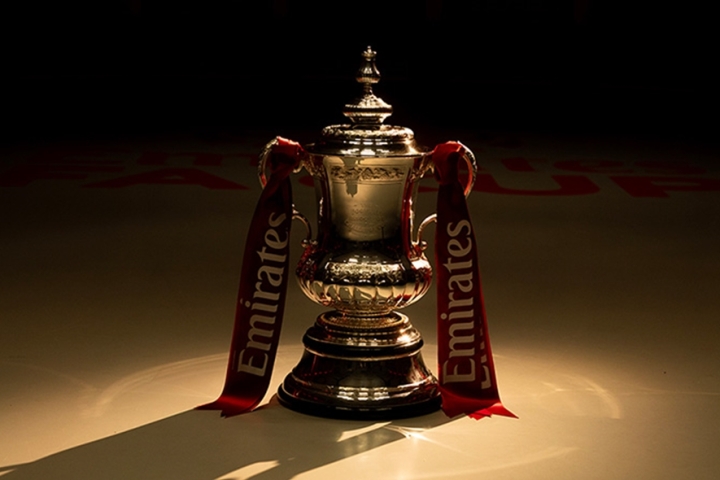
For West Ham, the win represents another significant step in their pursuit of FA Cup glory. The club has a proud history in the competition, having lifted the famous trophy several times in the past, including memorable triumphs in the 1970s and 1980. While modern football often places heavy emphasis on league campaigns and European tournaments, the FA Cup still holds immense prestige, and progressing to the quarter-finals keeps alive the dream of another historic Wembley appearance.

Following the match, the West Ham manager praised his team’s resilience and determination in what had been a demanding encounter. He highlighted the players’ mental strength in handling the pressure of a shootout and emphasised how important cup competitions remain for the club. According to him, matches like this demonstrate the character within the squad, particularly when they are forced to recover from setbacks such as conceding a late equaliser.

He also singled out Jarrod Bowen for his decisive contribution. Scoring twice in such an important tie is never easy, and the manager noted that Bowen’s ability to step up in big moments continues to make him one of the most valuable players in the team. The forward’s movement, work rate and composure in front of goal were all highlighted as key factors in West Ham’s attacking success on the night.

At the same time, the West Ham boss acknowledged that the performance had not been perfect. Conceding two goals and allowing Brentford back into the game meant there were defensive issues to address, and he suggested the team would analyse those moments carefully ahead of upcoming matches. Nevertheless, he stressed that winning cup ties often requires resilience rather than perfection, and he was delighted to see his players hold their nerve when it mattered most.

Brentford manager Keith Andrews also spoke after the match, offering a mixture of pride and frustration in his assessment of the performance. He praised his team for their fighting spirit and the way they repeatedly responded to adversity during the match. From falling behind early to equalising twice and pushing the tie to penalties, Brentford showed significant determination.

However, Andrews admitted that the shootout defeat was difficult to accept. He emphasised that penalty shootouts can be cruel, with a single miss capable of undoing an otherwise strong performance. While he defended the player whose attempt was saved, he acknowledged that such moments can be painful for any footballer, particularly in a competition as prestigious as the FA Cup.

The Brentford manager also pointed to certain decisions during the match that his team felt were harsh, particularly the penalty awarded to West Ham and the earlier appeal Brentford believed should have been given. Still, he insisted that his players must focus on the positives and carry their performance into upcoming fixtures.

For Brentford supporters, the defeat will be disappointing given how close their team came to progressing. Yet the performance showed that they are capable of competing strongly against fellow Premier League opposition, even in the high-pressure environment of knockout football.

For West Ham, meanwhile, the victory continues a narrative of resilience in cup competitions. The club has built a reputation in recent years for rising to the occasion in knockout tournaments, and this victory reinforces that identity. With the quarter-finals now awaiting, the Hammers will believe that a deep run – and perhaps even a trip to Wembley – is within reach.

The match itself will likely be remembered as one of the most entertaining ties of the round. Four goals, controversial decisions, late drama and a nerve-shredding penalty shootout ensured that supporters were treated to an unforgettable evening of FA Cup football.

As the players left the pitch, the contrast between the two teams was clear. West Ham’s squad celebrated with their supporters, aware they had survived one of the competition’s toughest tests. Brentford’s players, meanwhile, trudged off knowing they had pushed their rivals to the limit but ultimately fallen just short.

In the unpredictable world of the FA Cup, that thin margin often defines the difference between triumph and heartbreak. On this occasion, West Ham held their nerve when it mattered most, and their journey in the competition continues.

Skip to content Skip to content