[directorist_add_listing]

PTC’s Onshape boosts design efficiency with new cloud-native model-based definition capabilities

PTC has released the eagerly awaited fully cloud-native Model-Based Definition (MBD) capability, built directly into its Onshape® computer-aided design (CAD) and product data management (PDM) platform.

The new addition gives engineering teams the opportunity to add manufacturing information directly into the 3D model early in the design process, enabling clearer design intent, fewer handoffs, and improved efficiency across design, documentation, manufacturing, and quality.

In traditional file-based CAD and PDM systems, manufacturing data is spread across drawings, exports, and disconnected files. This approach makes product definition harder to keep current, accessible, and trustworthy.

PTC’s Onshape cloud-native platform, built on Amazon Web Services (AWS), helps eliminate these challenges by allowing teams to work from the same, always‑up‑to‑date product definition, enabling reduced errors and accelerated design‑to‑production workflows.

“When you build aircraft under strict regulatory oversight, ambiguity is expensive,” said Marc Germain, Chief Digital Officer at Aura Aero.

“As an early user of MBD in Onshape, being able to carry certification and manufacturing requirements inside the model – instead of across drawings and files – is already cutting rework and review cycles and helping our teams work faster with fewer handoffs.”

“Onshape Model-Based definition is a great example of how AWS and PTC are working together to modernise engineering,” added Michael Choe, AWS General Manager, US Automotive and Manufacturing.

“By re-architecting core engineering tools on AWS’ cloud-native platforms, we’re unlocking new possibilities – making them easier to deploy globally, more powerful through AI-driven capabilities, and dramatically better at enabling friction-free, real-time collaboration across distributed teams.

“This strategic collaboration represents a major leap forward in how teams design, build, and bring products to market.”

Key MBD capabilities include:

• Integrated 3D Annotations: Engineers can embed Geometric Dimensioning & Tolerancing (GD&T), weld symbols, and datums directly into the 3D model, clearly communicating design intent without relying on separate 2D drawings
• Smart Inspection Panel: All product manufacturing information (PMI) is automatically organised into a structured, filterable list, with instant cross-highlighting to the related geometry in the model
• Shareable MBD Views: Teams can share PMI-rich models through simple URLs that preserve views and annotations, enabling browser-based access with no exports, plugins, or add-ons required
• Feature Tree Awareness: MBD annotations remain intelligently linked to the feature tree, keeping specifications connected to the correct geometry as designs evolve
• Downstream-Ready Data: Models can be prepared for inspection and compliance workflows with support for STEP AP242 export and integration with tools, such as PC-DMIS and AS9102.

“Cloud-native MBD is a critical step for our customers to build an intelligent, fully digital product lifecycle,” said David Katzman, EVP and General Manager of Onshape and Arena at PTC.

“By moving product definition into the cloud, companies can finally break down barriers between design, manufacturing, and the rest of the enterprise. This shift is made possible by AWS’ scalable infrastructure and AI capabilities, which enable Onshape to deliver a faster and more resilient cloud-native platform.”

With Onshape and the rest of its portfolio, PTC is delivering on its vision for the Intelligent Product Lifecycle: enabling manufacturers and product companies to build a product data foundation, extend the value of that data across their enterprise, and accelerate AI-driven transformation.

Broader use of product data enables companies to bring higher quality products to market faster, better manage product complexity and meet important regulatory and compliance standards.

Wrexham Push Chelsea to the Limit in FA Cup Classic Overshadowed by VAR

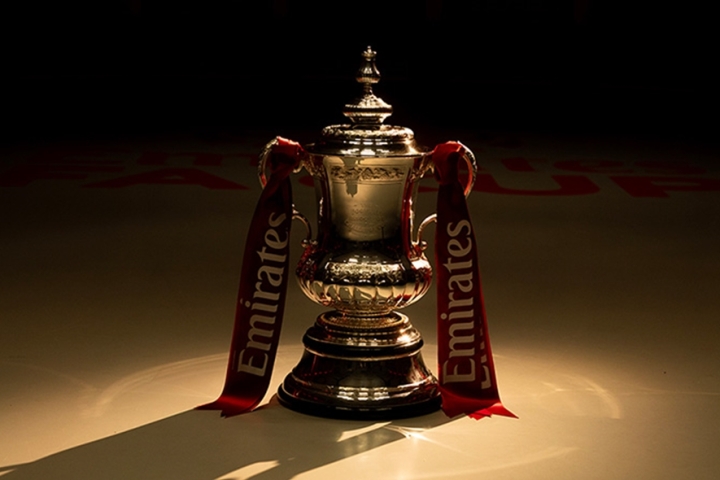
For long stretches of this FA Cup tie, Chelsea were not allowed the kind of evening many expected when the draw paired Premier League wealth with one of football’s most romantic modern stories. This was never the routine progression some predicted. Instead it became a frantic, emotional and often chaotic contest that perfectly captured what the FA Cup has always been about until the modern hand of VAR repeatedly threatened to interrupt the magic.

Chelsea eventually progressed with a 4–2 victory after extra time, but the scoreline tells only part of the story. Wrexham pushed them to the brink at the Racecourse Ground and, for long periods, looked capable of producing one of the competition’s most memorable shocks.

From the opening whistle the atmosphere made it clear that this would be no comfortable night for the visitors. Wrexham approached the occasion exactly as a lower-league side should when a Premier League giant arrives in town  fearless, aggressive and completely committed to the possibility of something extraordinary.

Phil Parkinson’s team pressed high, competed for every loose ball and made sure Chelsea could never settle into a smooth rhythm. Every challenge was greeted with a roar from the stands. Every forward run carried the belief that this might become a famous FA Cup night.

The breakthrough arrived in the 18th minute, and it belonged to the hosts. Sam Smith finished calmly to send the Racecourse Ground into eruption, giving Wrexham a deserved lead and igniting genuine belief that an upset might be brewing.

Chelsea, under head coach Liam Rosenior, looked rattled for a time. Their technical quality was clear, but the tempo and emotional intensity of the occasion belonged firmly to Wrexham.

The equaliser before half-time arrived in chaotic fashion rather than through polished attacking play. A clearance rebounded off Wrexham goalkeeper Arthur Okonkwo and into his own net, dragging Chelsea level just before the break and slightly shifting the momentum of the tie.

Yet if Chelsea hoped that moment would settle things, the second half quickly proved otherwise.

Wrexham continued to play with remarkable bravery and were rewarded again in the 78th minute when Callum Doyle restored their lead, sparking another wave of belief around the stadium.

For a moment, the FA Cup felt exactly as it always has unpredictable, emotional and gloriously chaotic.

Chelsea’s response was immediate. Josh Acheampong struck four minutes later to level the match at 2–2, rescuing the Premier League side and ensuring the tie would be dragged into extra time.

But the night’s most controversial moments were still to come.

Deep into stoppage time, Wrexham midfielder George Dobson was shown a red card following a VAR review after a heavy challenge, leaving the hosts with ten men heading into extra time.

Later, another VAR intervention ruled out a potential Wrexham equaliser for offside during extra time, a decision that drained the stadium of its explosive celebration within seconds.

These are the moments that increasingly divide opinion around the FA Cup.

The competition built its reputation on raw emotion the instant eruption when an underdog lands a decisive blow. VAR may bring accuracy, but its long delays and forensic scrutiny inevitably interrupt that spontaneity. Nights like this show how quickly the magic can feel diluted when joy is paused for confirmation.

With the man advantage eventually telling, Chelsea finally asserted their quality in extra time.

Alejandro Garnacho volleyed the visitors into the lead in the 96th minute, a strike that finally tilted the balance decisively in Chelsea’s favour.

Even then Wrexham continued to fight, refusing to let the night fade quietly.

But the final word belonged to João Pedro, whose late finish deep into extra time sealed a 4–2 victory and ended the home side’s remarkable resistance.

When the final whistle arrived Chelsea were through to the quarter-finals, but they knew they had been given a serious examination.

For Rosenior’s side, this was a reminder that FA Cup ties rarely follow the script. Their superior depth and attacking quality ultimately proved decisive, but they were pushed to the edge by a team operating several levels below them in the football pyramid.

For Wrexham, defeat brought disappointment but also enormous pride.

They had taken the lead twice, played with courage and belief, and turned the Racecourse Ground into one of the loudest arenas in English football for an unforgettable night. Even in defeat, they showed they belonged on this stage.

And yet the lingering conversation will not only be about goals or tactics.

It will also be about VAR about whether the technology designed to improve football is slowly eroding the spontaneous chaos that made the FA Cup the most romantic competition in the game.

Chelsea move on. Wrexham bow out.

But the memory of a wild night in North Wales full of drama, controversy and genuine cup magic will linger long after the scoreboard fades.

Extraordinary Women compose their harmonious Bentley

Bentley has completed the craftsmanship of a bespoke Continental GTC designed by three extraordinary women from the world of music.

After a visit to Bentley’s campus in Crewe last year, celebrated organist and conductor Anna Lapwood MBE, virtuoso cellist and composer Tina Guo and artist Sister Bliss (of the legendary British dance group Faithless) worked together with design consultants from Mulliner – Bentley’s bespoke and coachbuilding division – to create a Bentley that combines their inspirations and ideas into one harmonious whole.

The result of their collaboration has now been completed by Bentley’s artisans, and will soon join Bentley’s fleet. Before then, it will make its public debut at a bespoke female-focused cars and coffee event, set up by Bentley and to be held on Sunday – International Women’s Day – at Bicester Motion, in conjunction with What She Drives.

The Extraordinary Women

Anna Lapwood, awarded an MBE at just 28, has captivated millions on social media and in live audiences by redefining the role of the organ, blending classical music with modern genres and pushing the boundaries of performance. Lapwood has built a following of more than four million across her social media channels, regularly performs concertos with leading symphony orchestras and conductors and collaborated with artists including Raye, Bonobo and Benedict Cumberbatch. Anna’s passion for the organ is matched by her mission to support girls and women in music. She was the first female in Magdalen College Oxford’s 560-year history to be awarded the Organ Scholarship and since then has run regular organ workshops for young players around the country. Having spent some years being encouraged to “play like a man”, Anna is proud and humbled to see so many adopt her hashtag, #playlikeagirl. In March 2025, she released ‘Firedove’, with the Chapel Choir of Pembroke College, Cambridge, and recorded on the organ of Nidaros Cathedral. In Two months later, she was appointed the inaugural official organist of the Royal Albert Hall.

Tina Guo, a Chinese-born American Grammy-nominated virtuoso cellist, is known for her genre-defying approach and collaborations with some of the world’s most celebrated artists. Guo has performed as the featured soloist in scores for major film productions (including Sherlock Holmes, Dunkirk, Inception and many others), TV shows and video games. One of the most recorded solo cellists of all time, Guo recent film projects include DUNE, DUNE 2, Gran Turismo and Top Gun: Maverick, while also delivering music for new video games Dragon Age: The Veilguard, Call of Duty: Black Ops 6 and Avatar: Frontiers of Pandora. Tina also co-composed the Main Theme for Wonder Woman with Hans Zimmer – music that has since become an anthem for female empowerment, and a defining example of her own power and ability.

Alongside her work for film scores, Tina is a classical soloist performing with orchestras across the globe. Tina’s newest endeavor is The Water Phoenix, a prehistoric music project combining her love for Nordic Tribal music and Chinese prose. It channels her ancestral roots from China, Mongolia, Indigenous America, and Pakistan. Guo performs on a Gand & Bernadel cello made in Paris, France in 1878, a customized Yamaha SVC-210 electric cello, and an erhu made in Shanghai, China.

Sister Bliss, one of the founding members of legendary dance act Faithless, has led a pioneering 30-year career, producing eight albums, six top-ten singles and selling over 20 million records and over a billion streams worldwide, breaking new ground for female DJs. Founding Faithless as the core musician together with producer Rollo and vocalist Maxi Jazz in 1995, Sister Bliss is responsible for the music behind all of Faithless’ most iconic records, including Insomnia – voted the fifth best dance track of all time. Faithless have headlined major festivals across Europe, including four appearances at Glastonbury.

As one of the first female DJs to find incredible mainstream success, Sister Bliss paved the way for a generation of female talent to rise up through the traditionally male-dominated dance music industry. Following a break after the tragic loss of Maxi Jazz in 2022, Sister Bliss announced that Faithless would return to the stage in 2024 after an eight year absence. 2025 saw continued touring with summer dates across the UK and Europe and the release of Faithless’ latest studio album, Champion Sound.

The Extraordinary Women Car

The unique Continental GTC, tailored through Bentley’s Mulliner division, represents the artistic and personal influences of each musician, blending bespoke design elements that reflect their personal journeys and shared vision. Bentley’s Mulliner design team played a pivotal role in bringing the vision to life, with two leading female design consultants at the forefront of the project. These industry leading experts ensured every detail of the Continental GTC reflected the essence of the musicians’ artistry.

All three women drew on their careers and experience in creating this unique Bentley. They started with the exterior, opting for a satin paint with the striking Peacock Satin. An exterior accent fine line in Tornado Red was applied to the gloss black front bumper lower edge and rear diffuser, with a matching accent in Tornado Red Satin to the wing mirrors and red brake calipers. The Peacock Satin paint was carried from the body to the wheels, filling the pockets of the ten-spoke 22” wheels, which feature bright-machined faces. The roof is Dark Grey Metallic.

For the interior, Anna, Tina and Sister Bliss collaborated on the palette of colours to use, before each selecting a final detail that resonated with their work. The colour scheme started with Imperial Blue, to align with the Peacock Satin exterior, then contrasted vividly with the use of Pillar Box Red accents and a Gold accent hide. Contrast stitching using Imperial Blue, Pillar Box Red and Gold thread provides sharp accents to key areas, while the headrest bezels – usually chrome – are painted Imperial Blue Satin to match the surrounding leather.

Pillar Box Red is also applied to the inner dials of the Bentley Rotating Display, while the speaker grilles are anodised in Gold and Beluga. Mulliner overmats are Imperial Blue with a Gold micropipe.

Tina Guo selected the fascia design, using Copper Stone veneer. Made of real stone, just 0.6 mm thick, the veneers reminded Guo of her recent work around tribal music, capturing an aesthetic hundreds of thousands of years in the making. The red and gold tones of the Copper Stone matched the interior colour palette perfectly.

To this, Sister Bliss added a soundwave embroidery design – a first for a Bentley. The soundwave pattern is reminiscent of the waveforms Sister Bliss uses across Faithless’ music and is stitched to the seats and doors in ‘blind’ Imperial Blue thread, and to the tonneau cover of the convertible rood in contrast Pillar Box Red thread. The soundwave pattern is also featured on the treadplates, and an animated version is projected to the floor when either door is opened.

Anna Lapwood’s bespoke element came from an instant connection to a Bentley detail. The controls for the air vents in every Bentley’s cabin are called ‘Organ Stops’, because their motion, action and purpose are the same as the stops on a pipe organ – a tactile, linear control that affects the flow of air. For this car, Lapwood specified the Organ Stops to be finished in 24K gold, again complementing the palette of the interior and making the Organ Stops stand out from the cabin.

The finishing touch is a polished stainless steel plaque fitted to the centre console of the car, bearing both the laser-engraved signatures of the three women and a unique Spotify code. When the code is scanned by the Spotify app, the user is taken to a bespoke playlist curated by Lapwood, Guo and Sister Bliss, which can be instantly played through the car’s Bang & Olufsen sound system, which features anodised gold and black speaker grilles.

After its debut on Saturday, the Extraordinary Women Continental GTC will join Bentley’s UK press fleet for several months, before being sold.

London Derby in the FA Cup: West Ham and Brentford Battle for Quarter-Final Place

A place in the FA Cup quarter-finals is on the line as West Ham United welcome Brentford to the London Stadium for a high-stakes fifth-round tie. The Monday evening meeting between two Premier League sides brings together teams with contrasting recent results but similar ambitions: momentum, a deep run in the competition, and the chance to shift the narrative of their respective seasons. Cup ties between clubs from the same city rarely lack intensity, and with both squads carrying form players and injury concerns into the fixture, the stage is set for a contest shaped as much by fine margins as by quality.

Momentum in football can be fragile, and that reality has been felt by both sides in the weeks leading up to this encounter. West Ham enter the tie after a significant morale boost in midweek. A narrow 1–0 victory away at Fulham in the Premier League offered a reminder of the defensive discipline and clinical edge that head coach Nuno Espírito Santo has been trying to embed since taking charge. The decisive moment came when Crysencio Summerville found the net, capitalising on a defensive error to secure three valuable points and provide breathing room in the club’s fight to move away from the lower reaches of the table. The performance was not flamboyant but it was efficient, and that type of result can often provide the platform for renewed confidence heading into cup competition.

Results earlier in the campaign have underlined the unpredictable nature of West Ham’s season. Heavy defeats have occasionally punctured promising spells, including a recent 5–2 loss against Liverpool in league action, a match in which the Hammers struggled to contain their opponent’s attacking threat despite scoring twice themselves. Defensive organisation has therefore become a recurring talking point for Nuno as he looks to guide the club through a challenging run of fixtures. The win at Craven Cottage suggested improvement in that area, and replicating the same level of concentration will be essential against a Brentford side capable of exploiting even small lapses.

Progress to the fifth round of the FA Cup has come through steady rather than spectacular performances. West Ham reached this stage with victories over Queens Park Rangers and Burton Albion, navigating the early rounds without needing dramatic comebacks or penalty shootouts. Those wins have allowed Nuno to rotate his squad at times while still keeping a core of experienced players on the pitch, something that could again be a factor against Brentford. In cup competitions, the ability to balance freshness with continuity often determines how far a team can go, and West Ham’s squad depth will likely be tested as the schedule intensifies.

Brentford travel across London with a rather different narrative surrounding their campaign. Under head coach Keith Andrews, the Bees have built a reputation for organisation, intensity and an attacking approach that can trouble even the strongest opponents. Andrews took charge of the club in 2025 and has overseen an impressive first season that has included a push toward the upper half of the Premier League table and growing confidence in cup competitions.

Their most recent outing in any competition ended in a tense 0–0 draw away to Bournemouth, a match that produced little in the way of clear scoring opportunities but demonstrated Brentford’s defensive resilience. The game became more notable for events after the final whistle, when tempers briefly flared among players and staff from both sides. Despite the lack of goals, the point maintained Brentford’s position in the upper half of the league standings and reinforced the sense that Andrews has constructed a side capable of grinding out results even on difficult days.

The Bees’ route to the FA Cup fifth round has included a mixture of control and nerve. They overcame Sheffield Wednesday earlier in the competition before narrowly defeating non-league Macclesfield 1–0 in the fourth round, a match that served as a reminder of the competition’s capacity for surprise. Brentford dominated large portions of that tie but needed patience and defensive discipline to avoid an upset. Ultimately, progression was secured and the reward is a high-profile clash against fellow Premier League opposition under the lights in east London.

Recent head-to-head meetings between the two clubs add further intrigue. Brentford have enjoyed the better of several encounters in recent seasons, including a 2–0 win at the London Stadium in October 2025 and a 1–0 victory in another Premier League meeting earlier that year. Such results will not necessarily influence the outcome of a cup tie, but they do illustrate Brentford’s ability to frustrate West Ham and find decisive moments when it matters. The psychological edge of those victories could provide Andrews’ players with an additional layer of belief as they prepare for this latest contest.

Injuries, as always, form part of the pre-match narrative. Brentford have been forced to contend with defensive setbacks ahead of the tie, most notably the absence of Rico Henry. The left-back suffered a hamstring injury during the draw against Bournemouth and has been ruled out of the FA Cup fixture. His absence removes one of Brentford’s most dynamic players, particularly in terms of overlapping runs and defensive recovery pace. Aaron Hickey is also sidelined with a hamstring problem, leaving Andrews to consider alternative options in the full-back positions.

There is some encouragement for Brentford, however, in the potential return of Reiss Nelson. The winger has missed the last two matches with a calf issue but could be available for the trip to the London Stadium, offering Andrews an additional attacking option if declared fit. Nelson’s pace and ability to carry the ball into dangerous areas could prove valuable against a West Ham defence that has occasionally struggled when confronted with quick transitions.

West Ham’s squad situation appears slightly more stable, though Nuno has also had to navigate his share of selection dilemmas throughout the season. Rotation in cup matches has often provided opportunities for players eager to impress, and the manager may again rely on a blend of established starters and squad players. The aim will be to maintain the defensive solidity shown against Fulham while ensuring the team carries enough attacking threat to break down Brentford’s disciplined shape.

Individual form will likely play a decisive role in determining which side advances. Summerville’s recent goal against Fulham highlighted the winger’s ability to deliver in key moments, and his pace and directness have made him an increasingly influential figure in West Ham’s attack. When he finds space in wide areas, the Dutch forward can stretch defences and create openings for teammates arriving into the box.

Another name to watch for the Hammers is Valentín Castellanos, whose movement and finishing instincts provide a focal point in the final third. Cup matches often reward strikers capable of seizing limited opportunities, and Castellanos’ presence offers West Ham a reliable route to goal if the game becomes tight and tactical.

Brentford, meanwhile, possess their own collection of players capable of influencing the outcome. Midfielder Mathias Jensen has been a consistent creative force, contributing goals and assists during the club’s FA Cup run. His ability to dictate tempo from midfield and deliver dangerous set pieces could be especially important against a West Ham side that has occasionally been vulnerable to well-worked dead-ball situations.

Forward Kevin Schade and Bryan Mbeumo remain among the Bees’ most dangerous attacking outlets, combining pace with an eye for goal. Their capacity to stretch defensive lines creates space for midfield runners and allows Brentford to transition quickly from defence to attack. In matches where possession is evenly balanced, those transitions can become decisive.

Beyond individual contributions, the tactical battle between Nuno and Andrews will be one of the defining elements of the tie. West Ham under Nuno have often prioritised structure and discipline, particularly in matches where results carry added significance. The approach emphasises compact defensive lines and swift counter-attacks, a style that can be effective in knockout football where a single goal may determine the outcome.

Brentford, on the other hand, have developed a reputation for pressing high and attacking with purpose. Andrews’ background as a coach has influenced the team’s focus on organisation and set-piece efficiency, areas that have repeatedly provided the Bees with an advantage against opponents who underestimate their tactical discipline.

The setting of the London Stadium adds another layer of intrigue. Home support has frequently played a role in West Ham’s strongest performances, and a lively crowd under the floodlights could help drive the team forward. At the same time, Brentford have shown in recent seasons that they are comfortable playing away in big fixtures, often relishing the challenge of quieting a home crowd.

Cup football rarely follows predictable scripts. Form, league position and historical reputation can all be overturned in a single evening, particularly when two evenly matched Premier League sides meet with progression at stake. Both clubs understand that a quarter-final appearance would represent a significant milestone in their respective seasons.

For West Ham, victory would strengthen the sense that Nuno’s tenure is beginning to take shape after a period of uncertainty. Progress in the FA Cup could offer supporters a tangible reason for optimism and provide the squad with renewed belief during the closing months of the campaign.

Brentford’s ambitions are equally compelling. The club have not reached the latter stages of the FA Cup in many decades, and advancing beyond this round would represent a historic step forward for a team that has steadily risen through the English football pyramid in recent years. The confidence generated by such an achievement could also fuel their push for a strong league finish.

Ultimately, the match promises to be defined by balance. West Ham will rely on the discipline and structure that delivered their recent victory over Fulham, while Brentford will look to harness the attacking energy and tactical organisation that have characterised Andrews’ tenure so far. With both teams capable of producing moments of quality, the difference may come down to composure in front of goal or the ability to capitalise on a defensive lapse.

As the FA Cup continues to produce drama deep into the spring, this London derby has all the ingredients of another memorable chapter. The reward for the winner is a place in the quarter-finals and the chance to dream of Wembley, while the loser will be left wondering how close they came to extending their journey in football’s oldest cup competition.

Fulham 0-1 Southampton: Late Drama At Craven Cottage As Saints Stun Fulham in FA Cup

Southampton produced one of the biggest shocks of the FA Cup round as they defeated Fulham 1–0 at Craven Cottage with a dramatic stoppage-time penalty that sealed their place in the quarter-finals. The match had looked destined to drift into extra time after a tense and often cagey contest, but the visitors snatched victory in the final moments when substitute Ross Stewart calmly converted from the spot. The decisive goal sparked wild celebrations among the travelling supporters and left Fulham players and fans stunned after a match that had been tightly contested throughout. For Southampton, the victory represented a significant milestone in their season, while for Fulham it was a painful exit from a competition they had hoped could deliver a memorable run.

The tie had attracted plenty of attention before kickoff, with the Premier League hosts widely expected to progress against their Championship opponents. Fulham entered the match with the advantage of home support and the experience of competing at a higher level. However, Southampton arrived in confident mood after an impressive run of results in recent weeks, and there was a quiet belief within the squad that they could challenge their top-flight opponents. The FA Cup has always been known for its surprises, and from the opening minutes it became clear that the visitors were not intimidated by the occasion.

The early stages of the match were played at a steady pace, with both teams trying to settle into a rhythm. Fulham enjoyed more possession in the opening exchanges, patiently circulating the ball across midfield and probing for gaps in the Southampton defence. The visitors, meanwhile, remained compact and disciplined, focusing on maintaining their defensive shape and looking for opportunities to break quickly on the counterattack.

Fulham created the first real moment of excitement when Rodrigo Muniz attempted an acrobatic effort inside the penalty area after a cross from the right flank. The Brazilian forward managed to connect with the ball in spectacular fashion, sending it spinning toward goal, but the attempt drifted narrowly wide of the post. The chance lifted the home crowd and hinted that Fulham might eventually find a way through.

Southampton, however, responded well and gradually began to show their own attacking intent. The visitors used the pace of their wide players to stretch Fulham’s defensive line, forcing the home side to defend deeper than they would have preferred. A quick counterattack midway through the first half ended with a dangerous shot that forced Fulham goalkeeper Benjamin Lecomte into an important save.

As the first half progressed, the match developed into a tactical battle. Fulham continued to enjoy the majority of possession but struggled to break down a Southampton defence that remained organised and resilient. The visitors appeared comfortable absorbing pressure and waiting for the right moment to strike on the counterattack.

One of Fulham’s best chances of the opening half came when Emile Smith Rowe threaded a clever pass into the penalty area, sending a teammate through on goal. The resulting shot was struck well but blocked bravely by a Southampton defender who threw himself in front of the ball to prevent it from reaching the net.

At the other end of the pitch, Southampton also threatened on several occasions. Finn Azaz and Tom Fellows combined effectively during a promising attacking move, with Azaz eventually firing a low shot that Lecomte had to push away with a strong save. The rebound fell kindly for a Southampton attacker, but Fulham’s defence reacted quickly to clear the danger.

Despite the occasional bursts of excitement, neither team managed to find the breakthrough before halftime. The players left the field with the score still level at 0–0, setting up an intriguing second half in which a single moment of quality could decide the outcome.

The second half began with Fulham attempting to increase the tempo of their attacks. Marco Silva’s side pushed further forward and began committing more players into the final third in search of the opening goal. Several crosses were delivered into the Southampton penalty area, but the visitors dealt with them confidently.

Southampton remained patient and continued to look dangerous whenever they transitioned quickly from defence to attack. Their counterattacks caused Fulham’s defence several uncomfortable moments, particularly when Azaz carried the ball forward with pace through midfield.

One of the most controversial moments of the match arrived when Fulham thought they had taken the lead. The home side managed to force the ball into the net following a scramble inside the penalty area, prompting loud celebrations from the crowd. However, the joy was short-lived as the goal was ruled out after the officials determined that there had been an infringement during the buildup. The decision frustrated the Fulham players and supporters, who felt that the breakthrough had finally arrived.

As the clock ticked toward the final stages of the match, the tension inside Craven Cottage grew increasingly intense. With neither side able to break the deadlock, the prospect of extra time began to loom large. Both managers made substitutions in an attempt to inject fresh energy into their teams, hoping that one decisive moment could swing the tie in their favour.

Southampton introduced Ross Stewart during the second half, a change that would ultimately prove crucial. The striker brought fresh attacking energy and immediately began pressing Fulham’s defenders, forcing them into hurried clearances and mistakes.

Fulham continued to create half-chances but struggled to convert their possession into clear goal-scoring opportunities. Southampton goalkeeper Daniel Peretz produced a crucial save late in the match when Ryan Sessegnon attempted a low shot from a tight angle, ensuring the contest remained level.

Just when the match seemed destined for extra time, the defining moment arrived in stoppage time. Southampton launched one final attack forward, with Finn Azaz driving into the penalty area after receiving the ball in space. As he attempted to maneuver past the defender, Fulham centre-back Joachim Andersen made contact and brought him down inside the box. The referee immediately pointed to the penalty spot, sparking furious protests from the Fulham players.

The decision left the home crowd stunned, while the Southampton players gathered around Ross Stewart as he prepared to take the spot-kick. With the pressure immense and the match hanging in the balance, Stewart stepped forward and struck the ball confidently into the bottom corner of the net. The goalkeeper guessed the right direction but could not reach the perfectly placed shot.

The goal arrived in the first minute of stoppage time and sent the travelling Southampton supporters into jubilant celebration. Players raced toward the corner flag, embracing Stewart as they realised they were moments away from securing a famous FA Cup victory.

Fulham had little time to respond after the restart, and despite a desperate push forward in the final seconds, they were unable to create another clear opportunity. When the referee blew the final whistle, the Southampton players celebrated wildly while Fulham’s squad stood motionless in disbelief.

For Southampton, the victory was another sign of the impressive progress the team has made under manager Tonda Eckert. The Championship side has built strong momentum in recent weeks, and the result extended their unbeaten run while securing a place in the FA Cup quarter-finals.

Speaking after the match, Eckert praised the determination and discipline shown by his players. He highlighted the team’s defensive organisation and their ability to remain patient throughout a difficult game against Premier League opposition. According to the Southampton manager, the players believed they could cause problems for Fulham if they stayed focused and waited for their opportunity.

Eckert also spoke about the emotional significance of the victory for the club and its supporters. He described the result as a moment that could inspire the squad as they continue their push for success in both the league and the FA Cup. The manager emphasised that wins like this can build confidence and strengthen belief within the team.

Fulham manager Marco Silva, meanwhile, expressed disappointment with both the result and his team’s performance. He admitted that his side had struggled to convert possession into meaningful chances and acknowledged that Southampton had defended well throughout the match.

Silva also reflected on the late penalty decision that ultimately decided the tie. While he stopped short of criticising the referee directly, he suggested that moments like that can be incredibly frustrating for players and supporters when they occur so late in the game.

The Fulham boss accepted responsibility for the defeat and acknowledged that some of the tactical decisions made before the match had not worked as intended. He emphasised that his team must learn from the experience and quickly refocus on their league campaign.

Ultimately, the match at Craven Cottage served as another reminder of the unpredictable magic that makes the FA Cup so special. Fulham may have entered the contest as favourites, but Southampton’s determination, discipline, and belief allowed them to produce a memorable upset.

The game had been balanced for long stretches, with both teams enjoying moments of pressure and opportunities. Yet in knockout football, a single moment can decide everything. In this case, that moment arrived in stoppage time when Ross Stewart calmly converted the penalty that sent Southampton into the quarter-finals.

For the Saints and their supporters, it was a night that will be remembered for the drama of the final moments and the sense of achievement in overcoming a Premier League opponent. For Fulham, it was a painful reminder of how cruel cup football can be when opportunities are missed and a decisive moment arrives at the worst possible time.

As the FA Cup continues toward its climax later this season, Southampton will now look forward to the quarter-final draw with renewed optimism. Their dramatic victory at Craven Cottage has already secured them a place in the next chapter of the competition—and perhaps, if their momentum continues, the possibility of an even more remarkable journey ahead.

Mansfield 1-2 Arsenal: Gunners Survive Scare As Class, Depth And Nerve Carry Them Into The Quarter-Finals

For long stretches of this FA Cup tie, Arsenal were not allowed the kind of afternoon their supporters would have imagined when the draw was made. This was not a leisurely march past lower-league opposition, not a polished exercise in control, and certainly not a game that ever felt fully safe. Instead, Mansfield turned it into a proper cup occasion, a bruising and noisy examination of Arsenal’s temperament, and for a while it looked as though Mikel Arteta’s side might be dragged into one of those famous FA Cup stories that live for decades. In the end Arsenal escaped with a 2-1 win, but escape is the right word. They progressed because they had more quality, more depth and, when the tie began to wobble, just enough composure to restore order.

From the first whistle the atmosphere made it obvious this would be uncomfortable. Mansfield treated the game exactly as they should have: with aggression, conviction and a refusal to be overawed. The One Call Stadium was alive to every challenge, every loose ball, every break forward. Arsenal arrived as the glamour team, the Premier League leaders still talking in broad terms about trophies on multiple fronts, but Mansfield made them feel the scale of the occasion immediately. They were competitive in the duels, quick to second balls and determined to make Arsenal play at a tempo and rhythm that suited the home side rather than the visitors.

Arteta’s selection and shape hinted at rotation and experimentation, and early on Arsenal looked a touch too clever for their own good. There were moments in the opening phase when the visitors seemed slightly disconnected, as though the system was asking players to think rather than react. Mansfield sensed that uncertainty and pressed into it. They did not simply sit off and admire Arsenal’s passing. They engaged, they disrupted, and they made sure that every Arsenal possession came with a little bit of pressure attached to it. For a League One side facing one of the best teams in the country, Mansfield showed admirable bravery.

What the home side lacked in elite technical quality they made up for in honesty and intensity. Their shape was disciplined, their runners were energetic and their willingness to attack second phases gave Arsenal enough to worry about. Mansfield were not creating a flood of clear chances in the opening half, but they were making the game ugly in the best possible sense. They wanted it to be physical, emotional and slightly untidy. Arsenal, to their credit, did not panic, but nor did they fully impose themselves.

That was the tension of the first half. Arsenal had more of the ball, more technical assurance and more players capable of producing something from nothing, but Mansfield were making the contest feel balanced by sheer competitive force. The visitors would have known that the most dangerous thing in these ties is allowing the underdog to keep believing. Every minute Mansfield stayed level, the crowd grew louder, the tackles grew fiercer and the possibility of an upset felt more real.

When the breakthrough finally came in the 41st minute, it arrived through individual quality rather than sustained domination. Noni Madueke, one of the players Arsenal needed to step forward in a rotated side, supplied the kind of finish that shifts the emotional weight of a cup tie. It was a goal of genuine class and it felt, in that moment, like the sort of strike that might puncture Mansfield’s resistance and allow Arsenal to move into a more familiar groove. Madueke had been one of Arsenal’s brighter attacking outlets, carrying the ball with purpose and trying to inject some directness where Arsenal at times had been too measured. His goal was not just important in the scoreboard sense, it changed the psychological balance heading into half-time.

At 1-0, Arsenal had what big teams usually crave in these fixtures: a lead without having to hit top gear. Yet even then the game never had the look of a tie that was done. Mansfield had shown enough in the first half to believe that one moment, one mistake, one surge of energy could bring them level. They did not return after the break looking resigned. They came out looking emboldened.

The equaliser arrived quickly in the second half, and from Arsenal’s perspective it was precisely the kind of moment they will hate reviewing. Will Evans, introduced from the bench, pounced after defensive uncertainty and suddenly the stadium erupted into the kind of noise that makes lower-league cup upsets feel almost inevitable. For Mansfield it was reward for their courage. For Arsenal it was a warning shot. They had allowed the tie to become volatile again, and in cup football volatility is dangerous. You could sense the nerves, not necessarily fear, but the recognition that this had become a proper problem.

At 1-1 Mansfield had the game exactly where they wanted it. The crowd believed. The players believed. Every Arsenal mistake was greeted like a goal, every challenge won felt like another tiny turn of the screw. This is where elite sides have to show their mental level, because talent alone does not always rescue you on grounds like this. You need calm heads, smart game management and someone willing to seize the moment before chaos fully takes hold.

That someone was Eberechi Eze. His winning goal in the 66th minute felt like the intervention of a higher level footballer in a game that had become increasingly frantic. It was the kind of decisive act Arsenal’s squad is built around, a reminder that when structure wobbles, superior players can still solve the puzzle. Eze’s strike restored Arsenal’s lead, but more than that, it restored authority. It quietened the stadium just enough, forced Mansfield to chase again, and gave Arsenal something they had not truly enjoyed for much of the afternoon: a platform from which to manage the contest.

Even then, Mansfield refused to disappear. That was one of the most admirable parts of their display. Too many underdogs, after putting so much into a comeback, fade when they fall behind again. Mansfield did not. They kept asking questions. They kept running. They kept trying to make the final stages a test of nerve. Arsenal had to defend properly, had to remain switched on and had to accept that there would be no pretty procession to the final whistle. Mansfield’s late pressure ensured that.

From Arsenal’s point of view, this was one of those wins that will not sit proudly in the scrapbook for aesthetic reasons but may still matter in the broader story of the season. Big clubs often talk about finding different ways to win, and this was certainly a different way. They were not fluent. They were not dominant for ninety minutes. They did not sweep the smaller side aside with ruthless inevitability. But they did survive a cup tie that had banana skin written all over it once Mansfield’s equaliser landed. There is value in that. Perhaps not glamour, but value.

Madueke deserved credit for providing the first breakthrough and for carrying an attacking threat that Arsenal sometimes lacked elsewhere. Eze, meanwhile, looked every inch the difference-maker, the player able to cut through the noise and settle a game that had begun drifting away from the visitors. There was also interest around the use of younger players, with Arsenal again showing a willingness to trust youth on a difficult afternoon. That matters in itself, especially in a season where squad depth and rotation are going to define how far Arteta can push on multiple fronts.

Yet this was not an afternoon purely about Arsenal escaping. Mansfield came out of it with enormous credit. Nigel Clough’s side played with courage, organisation and genuine belief. They made Arsenal work for everything. They turned a glamour tie into a bruising contest and gave their supporters the kind of afternoon that reinforces why the FA Cup still has a certain electricity no modern format has managed to drain away. Mansfield may be out, but they did not look out of place emotionally or competitively. They made one of England’s strongest sides feel vulnerable.

There will be some frustration in Mansfield’s dressing room because these chances do not come often, and when the giant is rocking you want to land one more punch. But there should also be pride. They gave the tie life, they gave the occasion edge and they made Arsenal earn every inch of the result. No one inside the ground will have left feeling they merely hosted a famous club for the day. Mansfield competed.

For Arsenal, the conversation now becomes one of perspective. In a relentless season, not every win can be a statement of style. Some are statements of resilience. This was one of those. Arteta will know there is plenty to correct, especially in the looseness around the equaliser and the lack of sustained control against lower-league opposition. But he will also know that cup ties such as this can derail seasons if approached with even a hint of complacency. Arsenal never looked entirely comfortable, but they avoided catastrophe, and that is ultimately the currency that matters in knockout football.

So Arsenal move into the quarter-finals, still alive, still collecting wins, still keeping their season on multiple tracks. Mansfield leave with defeat, but also with the applause that comes from taking a heavyweight deep into the trenches. The scoreline says Arsenal edged it. The afternoon itself said something a little richer: Mansfield made them fight for it, and fight hard.

Craven Cottage Awaits a Fifth-Round Tie Shaped by Momentum and Fine Margins

The FA Cup has a habit of redrawing the mood around a season, and that is exactly the backdrop to Sunday’s fifth-round meeting between Fulham and Southampton at Craven Cottage. The tie is scheduled for midday tomorrow, with a place in the quarter-finals at stake, and it arrives at a moment when both clubs can make convincing arguments for optimism while still carrying very different pressures into the weekend. Fulham remain under Marco Silva and continue to chase a strong finish from the Premier League, while Southampton, led by head coach Tonda Eckert, travel to west London with a growing sense that their season has been revived by momentum, belief and a timely unbeaten run.

For the home side, this cup tie comes immediately after a frustrating reality check. Fulham’s most recent outing in any competition ended in a 1-0 home defeat to West Ham United on 4 March, a result decided by Crysencio Summerville after an error from Bernd Leno and one that halted the lift generated by the previous weekend’s win over Tottenham Hotspur. Harry Wilson was absent against West Ham because of the ankle problem he suffered in the 2-1 victory over Spurs, and that mattered because his influence in recent weeks has been obvious both in terms of goals and the spark he gives Fulham’s attack between the lines and from wide areas. Before that setback against West Ham, Silva’s team had beaten Sunderland 3-1 away in the FA Cup fourth round and then followed it with that 2-1 success over Tottenham at Craven Cottage, where Wilson and Alex Iwobi scored. In simple terms, the last three results have shown the two versions of Fulham that make this tie so intriguing: the composed and clinical version that can control stretches of a game against strong opponents, and the less convincing version that can lose rhythm when key attackers are missing or when chances are not taken.

Southampton arrive with rather more obvious wind in their sails. Eckert confirmed this week that the 3-1 Championship win at Sheffield Wednesday on 28 February extended Saints’ unbeaten run to nine matches in all competitions, and that result followed a 5-0 home victory over Queens Park Rangers on 24 February. The performance at Hillsborough was another sign of a side growing in confidence and structure, with James Bree opening the scoring, Ryan Manning adding a second before the break and Taylor Harwood-Bellis restoring a two-goal cushion after Sheffield Wednesday briefly threatened a way back. That came on the back of a devastating display against QPR in which Kuryu Matsuki scored twice and both Leo Scienza and Bree also found the net. Their cup route matters too: Southampton reached this stage by winning 2-1 after extra time against Leicester City on 14 February, a tie that underlined both squad depth and resilience. Taken together, those results explain why Silva described Southampton’s run as nine unbeaten and why Fulham know they are facing far more than a Championship side enjoying a nice cup week. This is a team in genuine form.

What makes the fixture especially compelling is the contrast in league context. Fulham can look at the cup as a route to a memorable spring and a possible statement season under Silva, but the expectation around a Premier League club at home is unavoidable. There will be pressure to impose tempo, dominate possession and prove that the defeat to West Ham was only a stumble. Southampton, by contrast, arrive with the freedom that often belongs to the lower-division side, yet they are not playing like outsiders hoping merely to survive. Recent performances have been assertive rather than reactive. At Sheffield Wednesday, they took control through set plays and territorial pressure. Against QPR they were ruthless. Even in the 1-1 draw with Charlton Athletic before that, the report from St Mary’s pointed to a match in which Saints created plenty and carried momentum for long spells. That matters because it suggests they are not leaning on one freakish burst of form or a sequence built on narrow escapes; they are generating repeatable patterns, particularly from wide delivery, second balls and dead-ball situations.

Team news adds another layer to the story. Fulham’s biggest immediate concern is Wilson, with Silva saying on 5 March that he did not expect the winger to be available for the Southampton tie, even if there remained a little time for him to prove fitness. The club had already confirmed earlier in the week that Kevin was recovering after surgery following the injury he suffered against Sunderland, while the matchday preview for West Ham said Joachim Andersen had returned after illness. A week earlier, Fulham’s official preview for the Spurs match also listed Saša Lukić, Samuel Chukwueze and Antonee Robinson among players being assessed, although Robinson and Chukwueze did feature against West Ham. The key point going into Sunday is that Fulham look stronger than they did at Sunderland in terms of options, but Wilson’s expected absence removes one of their most productive and unpredictable threats.

Southampton’s latest update was more encouraging. Eckert said on 5 March that Ross Stewart would return to involvement against Fulham, describing that as a positive ahead of a “big game,” while also making clear that Jay Robinson and Welington still need a little longer. Earlier in February, Eckert had also flagged Jack Stephens and Welington as absentees for the FA Cup tie against Leicester, with Mads Roerslev facing a much longer spell out because of an Achilles issue, but the most recent official message before Fulham centred on Stewart’s return and the continued wait for Jay Robinson and Welington. That suggests Saints head to London with a squad in healthier shape than it was a few weeks ago, and with more tactical flexibility in the forward line than they had during the busiest part of this recent run.

In terms of the men most likely to shape the tie, Fulham still have enough firepower to feel confident even if Wilson misses out. Raúl Jiménez remains central to so much of Silva’s attacking structure, not only as a scorer but as the reference point who allows runners and wide players to join the game. Iwobi has also been influential, and his goal against Tottenham was another reminder of the timing and calm he brings in advanced areas. Antonee Robinson’s energy from left-back can change the speed of a match in a matter of seconds, while Andreas Pereira and Emile Smith Rowe give Silva technical quality between the lines if Fulham need more invention. Southampton, though, do not arrive short of their own danger men. Scienza’s recent form has been one of the biggest stories in their resurgence; the club said this week that he produced eight goal contributions in ten games during February and noted that he both scored and assisted in the 5-0 win over QPR. Matsuki’s double in that same match highlighted another route to goal from midfield, while Harwood-Bellis, Manning and Bree all scored in the last two games, showing how much threat Saints are carrying from deeper positions and set plays. Stewart’s return also offers a focal-point option if Eckert wants a more direct route or a stronger presence in the box.

There is, then, a clear tactical question at the heart of the contest. Fulham will almost certainly want to pin Southampton back, stretch the Championship side with switches of play and force the visitors to defend their own area for long periods. The Cottage crowd will expect front-foot football, especially after a home defeat in midweek, and Silva’s teams are usually at their best when the full-backs can advance and the front line rotates quickly around Jiménez. But Southampton have recent evidence that they can handle demanding occasions. Their extra-time win over Leicester in the previous round was achieved with what the club itself described as a youthful side, and the unbeaten run since then has strengthened the impression that Eckert has found a balance between energy and organisation. If Saints can survive the first wave and keep the game level into the second half, the pressure may shift. A Premier League side with expectation on its shoulders can begin to force the issue; a confident Championship team with nothing to lose can become even more dangerous.

Recent form, then, points in two directions at once. On paper, Fulham should still be favourites because of the division they play in, the individual quality available to Silva and the fact that the match is at Craven Cottage. Yet the cleaner current rhythm arguably belongs to Southampton. Their last outing was a controlled away win, their recent sequence includes goals spread around the side rather than dependence on one forward, and the mood around the club is clearly healthier than it was earlier in the winter. Fulham’s immediate challenge is to rediscover the sharpness they showed against Spurs and at Sunderland, while Southampton’s is to prove that this run can survive the step up in opposition. The ingredients are there for a tie that feels tighter than the labels of Premier League and Championship would usually suggest.

What seems most likely is a game decided by moments rather than sustained dominance. Fulham have more top-flight power and the home advantage, but Southampton come in with stronger momentum and a convincing recent record of turning good spells into goals. Much may depend on whether the home side can replace Wilson’s incision if, as expected, he misses out, and whether Saints can continue to make set plays and wide deliveries count against a defence that should, in theory, ask more questions of them than their recent Championship opponents. For all the talk of divisions and budgets, the evidence going into the weekend points to an FA Cup fifth-round tie balanced on confidence, availability and nerve. That alone should make it one of the more compelling fixtures of the round.

Tottenham 1-3 Crystal Palace: Palace Punish 10-Man Spurs as Relegation Fears Deepen

Tottenham Hotspur’s difficult Premier League season took another damaging turn as Crystal Palace claimed a 3–1 victory in North London on Thursday night, turning the game around dramatically after falling behind in the first half. What initially looked like it might be a rare positive evening for Spurs quickly unraveled following a red card that changed the entire direction of the match. By halftime the visitors had completely seized control, leaving Tottenham chasing a game they would never recover from. The defeat extended Tottenham’s miserable run of form and deepened concerns about their league position, while Palace celebrated an impressive away performance that pushed them further clear of trouble and toward mid-table security.

The night began with a tense atmosphere around the Tottenham Hotspur Stadium, as supporters were well aware of their team’s recent struggles in the league. Tottenham entered the match desperate for a result to ease the pressure after a long winless run in the competition. Palace, meanwhile, arrived with growing confidence and an opportunity to capitalize on their opponents’ vulnerability. Both teams started cautiously but the early stages still produced a moment of controversy that would become one of the evening’s most talked-about incidents.

Crystal Palace thought they had taken the lead early on when Ismaïla Sarr found the net during the opening phase of the game. However, the celebrations were cut short after a lengthy VAR check determined that the forward was marginally offside. The decision was incredibly tight and sparked debate among players, commentators, and supporters alike. The ruling denied Palace what would have been an early breakthrough, but the disallowed goal proved only to be a temporary setback for Oliver Glasner’s side.

Tottenham began to grow into the contest as the first half progressed and eventually found the opening goal after a promising attacking move. In the 34th minute, Dominic Solanke finished confidently to give the home side the lead, converting a well-worked attack that began with a strong run and clever pass from Archie Gray. For a brief moment the stadium erupted with relief. Spurs had something to hold onto and appeared to have taken a crucial step toward ending their frustrating run.

Yet the game would turn dramatically only a few minutes later. Crystal Palace launched a quick attack that caught Tottenham’s defence off guard. As Ismaïla Sarr raced toward goal, Tottenham defender Micky van de Ven pulled him back inside the penalty area. The referee immediately pointed to the spot and produced a red card for denying a clear goal-scoring opportunity. In the space of seconds the momentum of the match shifted completely. Tottenham were reduced to ten men and suddenly faced the daunting task of defending their lead with a numerical disadvantage.

Sarr stepped up to take the resulting penalty and made no mistake, sending the goalkeeper the wrong way and leveling the score. The equaliser injected belief into the Palace players and visibly rattled the home side. Tottenham had little time to reorganize after the dismissal and the visitors sensed vulnerability in their opponents’ back line.

As halftime approached, Palace pressed forward with renewed energy. Their pressure paid off deep into stoppage time when Jørgen Strand Larsen finished a well-constructed attack to give the visitors the lead. Adam Wharton played a crucial role in the move, delivering a precise pass that allowed Larsen to fire a low shot beyond the goalkeeper. The goal completed a swift turnaround and silenced the home crowd, who had just moments earlier been celebrating their team’s advantage.

But Palace were not finished. In the closing seconds of the half they struck again to put themselves firmly in control. Sarr grabbed his second goal of the night after another incisive attacking move created space for the forward inside the penalty area. With composure and confidence, he finished past the goalkeeper to make it 3–1 before the interval. The rapid sequence of goals meant that Tottenham had gone from leading the match to trailing by two goals in a matter of minutes.

The halftime whistle brought a mixture of frustration and disbelief from the Tottenham supporters. What had started as a promising evening had turned into another nightmare scenario for a team already struggling for confidence. The players walked down the tunnel knowing they faced a huge challenge in the second half with only ten men on the pitch.

After the restart Tottenham attempted to respond, pushing forward in search of a way back into the game. Despite their numerical disadvantage, the home side tried to raise the tempo and create opportunities through quick passing and direct attacks. However, Crystal Palace remained organized and disciplined, limiting the number of clear chances Spurs were able to produce.

Palace were content to control possession and manage the rhythm of the game. Their defensive structure made it difficult for Tottenham to find spaces in the final third, and whenever Spurs attempted to commit players forward the visitors threatened to break quickly on the counterattack.

Although Tottenham managed a few efforts toward goal, they struggled to generate the kind of sustained pressure needed to mount a comeback. Palace goalkeeper Dean Henderson remained largely untroubled for long stretches of the second half as his defence continued to deal comfortably with crosses and set pieces.

As the game wore on, frustration began to show among the Tottenham players. One notable moment came in the later stages when Pedro Porro reacted angrily after being substituted, expressing visible irritation with the officials and the situation unfolding around him. The outburst reflected the growing tension inside the stadium and the mounting disappointment among supporters.

The final stages of the match passed without further goals, though Palace continued to look dangerous on the break. When the referee eventually blew the final whistle, the away players celebrated a hard-earned victory that demonstrated their resilience and attacking quality. For Tottenham, the defeat represented yet another setback in what has become an extremely difficult league campaign.

The result also had significant implications for the league table. Palace’s victory lifted them further away from the relegation battle and into a more comfortable position in mid-table. Tottenham, meanwhile, remained dangerously close to the drop zone, with their winless run stretching into double figures and increasing concern about their ability to stay clear of the bottom three.

After the match, Tottenham’s interim manager Igor Tudor spoke about the disappointment of the result but tried to emphasize the positives he saw from his team’s performance, particularly in the second half. He acknowledged that the red card had completely changed the nature of the game and admitted that the situation had made it extremely difficult for his players.

Tudor suggested that once his team went down to ten men it effectively became “a different game,” explaining that Palace were able to exploit the extra space and control the tempo. Despite the defeat, he insisted he still believed in the direction of the team and said he had seen encouraging signs in the players’ effort and attitude. According to the Tottenham manager, the second half showed energy, commitment and determination even though the scoreline ultimately remained unchanged.

The Croatian coach also urged everyone around the club to remain united during a difficult period. He argued that constantly talking about pressure was not helpful and stressed that the focus needed to remain on improving performances and fighting for points in the remaining matches of the season. With several important fixtures still to come, Tudor maintained that the squad must stay positive and continue working hard to turn their fortunes around.

Crystal Palace manager Oliver Glasner, on the other hand, was full of praise for his team’s response after going behind. He highlighted the character shown by the players in reacting quickly and taking control of the game before halftime. Glasner pointed out the quality of the attacking combinations that led to Palace’s goals and commended the movement and finishing that allowed them to punish Tottenham’s defensive mistakes.

The Palace boss also noted that his team might have managed the second half even better, acknowledging that Tottenham created some dangerous moments from set pieces and long balls into the penalty area. Nevertheless, he described the result as a “massive win” away from home and expressed appreciation for the support provided by the travelling fans who made the journey to North London.

Glasner also highlighted the contributions of key players such as Adam Wharton, whose passing helped unlock Tottenham’s defence, and Ismaïla Sarr, whose pace and movement caused problems throughout the match. The manager emphasized that Sarr’s ability to make aggressive runs forward was a major factor in Palace’s attacking threat and played a decisive role in the outcome of the game.

In the end, the match served as a clear illustration of how quickly fortunes can change in football. Tottenham appeared to have seized control when Solanke scored the opening goal, but the sending-off of van de Ven altered the balance of the contest and allowed Palace to seize the initiative. Within a short period of time the visitors had scored three goals and transformed the atmosphere inside the stadium.

For Crystal Palace, the victory represented another encouraging step in what has been a solid campaign. Their ability to stay composed after an early setback and capitalize on Tottenham’s mistakes demonstrated both resilience and clinical finishing.

For Tottenham, however, the defeat raised further questions about their current form and the challenges facing the club as the season approaches its final stages. With pressure mounting and the relegation battle tightening, the team will need to respond quickly if they are to avoid a prolonged fight near the bottom of the Premier League table.

The events of this dramatic London derby will likely remain fresh in the minds of supporters for some time. From the controversial VAR decision early on to the red card that shifted the momentum and the rapid-fire goals that followed, the match provided plenty of talking points and ultimately delivered a decisive victory for Crystal Palace on a difficult night for Tottenham Hotspur.

Giant-Killing Dreams as Wrexham Welcome Chelsea to North Wales

The FA Cup has long been English football’s great stage for improbable stories, and another chapter could be written on Saturday 7 March 2026 when Wrexham host Chelsea at the Racecourse Ground, with kick-off scheduled for 5:45pm GMT. The fifth-round encounter brings together two clubs whose trajectories could hardly be more different, yet whose ambitions converge in the world’s oldest knockout competition. For Wrexham, the match represents an opportunity to extend one of the most captivating football stories of the past decade. For Chelsea, it is another hurdle on the road toward silverware and a reminder that the FA Cup rarely respects reputations.

The setting alone ensures an atmosphere worthy of the occasion. The Racecourse Ground officially known as STōK Cae Ras eis the oldest international football stadium still in use, and in recent seasons it has regained a reputation as one of the most intimidating venues for visiting sides. Packed stands, vocal support and a sense of historic opportunity have become common features of Wrexham’s resurgence under manager Phil Parkinson. The Welsh club’s remarkable climb through the English football pyramid has transformed them from National League outsiders into an established Championship side, and with that rise has come an increasing belief that nights like this can produce something extraordinary.

That belief has been strengthened by Wrexham’s performances earlier in the FA Cup. Their route to the fifth round has already included a series of memorable moments, most notably a dramatic penalty shootout victory over Nottingham Forest in the third round. The triumph demonstrated that Parkinson’s side could compete with Premier League opposition when the stakes are highest. Confidence only grew further in the fourth round, where Wrexham edged past Ipswich Town thanks to a disciplined performance and a decisive goal that secured their first place in the FA Cup’s last sixteen for nearly three decades.

Progress in the competition has mirrored the club’s broader upward momentum. Since the takeover by Hollywood owners Ryan Reynolds and Rob McElhenney in 2021, Wrexham have achieved multiple promotions and re-established themselves as a competitive force within the English league structure. The transformation has attracted global attention, but within the dressing room the focus remains firmly on results rather than headlines. Parkinson, who built a reputation earlier in his career for engineering famous cup upsets with Bradford City, understands precisely what is required to navigate matches against higher-profile opposition.

Recent league form suggests Wrexham will approach the Chelsea clash with genuine confidence. Their Championship campaign has featured a series of impressive home performances, with the team regularly combining physical intensity with attacking directness. A recent victory over Portsmouth illustrated the side’s resilience, overturning adversity through disciplined defending and clinical finishing. The Racecourse crowd has played a significant role in that run of results, often providing the kind of atmosphere that unsettles visiting teams unused to such a fervent environment.

Several players have been central to Wrexham’s rise this season. Leading the line is Kieffer Moore, whose physical presence and aerial ability have made him a constant threat inside the penalty area. The Welsh international has consistently delivered crucial goals, providing both a focal point for attacks and a platform for teammates pushing forward from midfield. Alongside him, Josh Windass has emerged as one of the team’s most influential attacking outlets. His movement between defensive lines and knack for scoring in big moments have been particularly valuable during the FA Cup run.

Windass was the hero against Ipswich, his composed finish proving enough to send Wrexham through to the fifth round. Performances like that have underlined the depth of quality now present within the squad, something that seemed unimaginable only a few years ago. The balance between experienced professionals and players eager to prove themselves on a larger stage has become one of Parkinson’s greatest strengths as a manager.

Preparations for the Chelsea tie, however, have not been entirely smooth. Injuries have affected several members of the squad in recent weeks, forcing adjustments to the starting lineup and bench options. Midfield and defensive depth in particular have been tested, though Parkinson has consistently emphasised the importance of collective effort rather than individual reliance. Rotational players have stepped into key roles when required, and the overall structure of the team has remained largely intact.

While Wrexham’s supporters dream of another upset, the visitors arrive with both pedigree and momentum of their own. Chelsea remain one of English football’s most decorated clubs, and the FA Cup occupies a special place in the club’s modern history. With eight triumphs in the competition, the London side understand the demands of knockout football and the dangers of complacency when facing ambitious opponents from outside the Premier League elite.

The Blues travel to North Wales following an encouraging run of form that has revitalised their campaign. A convincing 4–1 victory over Aston Villa in their most recent outing showcased the attacking potential within the squad, with fluid interplay and clinical finishing overwhelming a respected opponent. That result extended a positive sequence of performances in which Chelsea have combined creativity in attack with improved defensive stability.

Much of that improvement has been credited to the tactical influence of manager Liam Rosenior. Since taking charge, Rosenior has gradually reshaped the team’s approach, encouraging quicker transitions and greater intensity both on and off the ball. The changes have not been without challenges, particularly given the congested fixture calendar, but recent results suggest the squad is beginning to adapt to the new system.

Chelsea’s squad depth remains one of their most formidable advantages. Even with injuries affecting several players during the winter period, the club can call upon a wide array of attacking and midfield talent capable of altering matches in an instant. Pace on the flanks, technical creativity in central areas and a physically imposing defensive line provide Rosenior with numerous tactical options as he prepares for the challenge presented by Wrexham.

Cup ties against lower-league opposition can often hinge on mentality as much as quality. The visitors will know that conceding momentum to the home side — particularly in the early stages — could turn the contest into the kind of chaotic battle that favours underdogs. Maintaining composure, controlling possession and silencing the home crowd will therefore be key priorities as Chelsea attempt to impose their authority on proceedings.

History between the two clubs is limited but not without intrigue. Previous meetings have been infrequent, and many of them date back decades. What matters far more for the current generation of players is the context of this specific encounter: a place in the FA Cup quarter-finals and the chance to continue a memorable cup run.

Tactically, the match is expected to feature contrasting philosophies. Chelsea are likely to dominate possession, building attacks through structured passing sequences and looking to stretch Wrexham’s defensive line. Parkinson’s side, by contrast, will probably focus on compact organisation and rapid transitions, using Moore’s aerial strength and Windass’s intelligent movement to exploit spaces left by an advancing Chelsea back line.

Set pieces could prove particularly important. Wrexham have demonstrated throughout the season that they can generate significant pressure from corners and free-kicks, an area where Moore’s height and physicality make him especially dangerous. Against technically superior opposition, such moments often provide the best opportunity for underdogs to strike.

Yet beyond tactics and statistics, the emotional narrative surrounding the match adds another layer of intrigue. The rise of Wrexham has become one of football’s most widely discussed stories, drawing attention from supporters around the world. A victory over a Premier League giant in front of a packed Racecourse Ground would represent another landmark in that remarkable journey.

Chelsea, of course, arrive determined to ensure the fairytale does not continue at their expense. With expectations high and silverware always a priority at Stamford Bridge, the FA Cup remains a realistic path toward tangible success this season. Progression to the quarter-finals would maintain momentum and reinforce the sense that Rosenior’s project is moving in the right direction.

As the floodlights illuminate the Racecourse Ground on Saturday evening and the clock approaches the 5:45pm kickoff, anticipation will reach its peak. One side carries the weight of history and global attention, the other the determination of a club eager to prove it belongs on football’s biggest stages. For ninety minutes — or perhaps longer — the gap between them will disappear, replaced by the unpredictable drama that defines the FA Cup.

Whatever the final result, the meeting between Wrexham and Chelsea promises to deliver a spectacle worthy of the competition’s rich tradition. For supporters in North Wales it represents the chance to witness another unforgettable night. For Chelsea it is a test of focus and professionalism against an opponent with nothing to lose. And for neutral observers, it is exactly the kind of fixture that keeps the magic of the FA Cup alive.

Skip to content Skip to content