[directorist_add_listing]

Havering-atte-Bower Village Green Secured for Future Generations

Residents of Havering atte Bower gathered at the newly designated village green at the weekend to formally recognise its use for recreation, community events and public enjoyment. Joined by Cllr Ray Morgon and Cllr Graham Williamson, they gathered for speeches, a ceremonial unveiling and a moment to appreciate the importance of green spaces.

The event marked the official dedication of Havering-atte-Bower Village Green, securing its long-term protection and guaranteeing its status as land that must remain open and accessible to the public. The designation means the green is safeguarded from future development and preserved for community use for generations to come.

The ceremony brought together councillors, residents and volunteers who have played a role in caring for the village environment over the years. Speakers reflected on the cultural and environmental value of open spaces and the role they play in bringing communities together.

Village Green status gives the area the highest level of protection, reinforcing its significance within the borough and ensuring it remains a space for recreation and shared local events.

Cllr Ray Morgon, Leader of Havering Council, said: “This latest village green dedication at Havering-atte-Bower marks an important milestone, becoming the tenth area in our borough to receive this special protection.

“It shows our ongoing commitment to safeguarding much-loved open spaces for residents, both now and for generations to come.

“With four more dedications optioned before the end of March, subject to Cabinet approval, it will bring the total to 14 village greens in just over two years, meaning we’re continuing to strengthen that legacy across Havering.”

Havering Council said the dedication forms part of a wider programme to protect valued open spaces across the borough, working alongside local communities to secure areas of natural and historic importance for the future.

Manchester United 2-1 Crystal Palace: Fernandes Turns The Key, Šeško Delivers The Punch

Manchester United keep finding ways to make Old Trafford feel alive again, and this one had everything the place feeds on: an early shock, a long period of frustration, a controversial turning point, and then a second-half surge led by the man who sets the emotional thermostat. United beat Crystal Palace 2-1, coming from behind to strengthen their grip on the Champions League places.
In the table, it’s significant. United move to 51 points after 28 games, sitting third and looking increasingly like a team that can finish this season with something tangible. Palace remain 15th on 35 points after 28. They’re not in immediate freefall, but afternoons like this hurt because they come with a sense of “we were in it… until we weren’t”.
Michael Carrick set United up in a 4-2-3-1 that has become his default shape for control: Casemiro and Mainoo as the double pivot, Fernandes central as the conductor, with Mbeumo and Cunha supporting from the sides and Šeško as the striker. Palace came with a 3-4-3 designed to crowd midfield and spring quickly: Richards, Lacroix and Canvot as the back three, Munoz and Mitchell as wing-backs, Wharton and Kamada in midfield, and a front three including Sarr, Strand Larsen and Brennan Johnson.
Palace couldn’t have scripted a better start. Four minutes in, they were ahead. Maxence Lacroix rose to head home, with Brennan Johnson credited with the assist. It was exactly the kind of set-piece punch that can turn Old Trafford edgy, and you could feel United’s early possession suddenly carry a little more anxiety. Palace’s plan after that was clear: defend with discipline, keep the game tight in central areas, and attack the spaces United leave when they push numbers forward.
For a long spell, it worked. United had the ball and Palace had the comfort. United’s moves often died in the same place: just outside the box, with Palace’s shape compact enough to deny the straight pass and aggressive enough to jump on any loose touch. Fernandes tried to speed the game up, Cunha drifted to find angles, but Palace kept their distances well and made it a match of small frustrations.
Then the second half delivered the moment that reshaped everything. In the 56th minute, Lacroix was dismissed after bringing down Cunha in a situation deemed to deny a clear goalscoring opportunity. Whether Palace and their supporters agreed with the severity or not, the reality was unavoidable: Palace were down to ten, and the match suddenly had a different gravity. United now had more space, more time, and a crowd that sensed the script had flipped.
One minute later, Fernandes did what captains do. He took the penalty and scored to make it 1-1 on 57 minutes. It wasn’t a goal of beauty, but it was a goal of authority, and it dragged the match into United’s hands.
From there, the dynamic changed completely. Palace could no longer press in the same way, their wing-backs had to retreat deeper, and the spaces United had struggled to access in the first half began to appear. United’s passing became sharper because the pressure on the ball was reduced, and Fernandes started to dictate rather than force.
The winner arrived quickly and it had Fernandes’ fingerprints all over it. On 65 minutes, he delivered the assist with a cross that asked a direct question, and Šeško answered with a header to make it 2-1. It was the kind of goal United want to build their modern identity around: win the moment, move the ball quickly, and finish decisively.
The rest of the match was about control and concentration. United had 61% possession, produced an expected goals total of 1.69, and created three big chances. Palace, understandably with ten men for the final half hour, finished with 39% possession, 0.37 xG and no big chances. Those numbers tell you what the second half became: United pushing, Palace surviving, and the match narrowing into a test of whether United could avoid the kind of late wobble that has haunted them in other seasons.
Palace did have little flickers, because even with ten men they still carry pace and directness, but United’s defensive structure held. Carrick managed it sensibly too, using substitutions to keep energy and shape, and ensuring United didn’t turn it into a basketball match where one counter-attack can undo everything.
For Palace, it will feel like a game that turned on one decision and one moment of panic. They had the dream start, they defended well for long stretches, and they looked capable of dragging United into a frustrating afternoon. Then Lacroix’s red card turned their advantage into a survival mission, and Fernandes did what elite players do to teams in that state: he accelerated the consequences.
For United, it was another step in a season that is starting to look like a proper push rather than a hopeful drift. They didn’t play perfectly, but they showed the traits that matter in March: resilience, control when the door opens, and a match-winner who makes the big moments feel normal.

Fulham 2 Tottenham 1: Wilson & Iwobi Punish Spurs Again as Tudor’s 4-4-2 Cracks Under Cottage Pressure

Tottenham’s season keeps finding new ways to feel uncomfortable, and this one landed right on the nerve. Fulham beat them 2-1 at Craven Cottage, scoring early, striking again before half-time, then surviving the inevitable late squeeze to leave Spurs staring nervously at the wrong end of the table. It was a match where Fulham looked like the more coherent team for longer, and Tottenham looked like a side still trying to play themselves into stability while the league keeps moving the goalposts.
The result matters in the standings as much as it did on the pitch. Fulham’s win lifts them to 40 points after 28 games, planted in the middle of the pack with a platform to chase the top half rather than glance down. Tottenham, on 29 points after 28, remain 17th, only two points above the relegation places. That’s not a metaphor anymore, it’s a measurement.
Marco Silva set Fulham up in a 4-2-3-1 that was built for control and counter-punching. Sander Berge and Alex Iwobi formed the double pivot, with Harry Wilson and Oscar Bobb stretching from the flanks and Emile Smith Rowe operating as the connector behind Raul Jiménez. Spurs, short of bodies and certainty, went with a 4-4-2: Porro, Dragusin, Van de Ven and Archie Gray across the back, a midfield four featuring Gallagher and Bissouma inside with Palhinha and Xavi Simons working the sides, and Solanke partnered by Kolo Muani up top. On paper it had balance. In the opening spell it had wobble.
Fulham scored in the seventh minute and it felt like the kind of goal that tells you who has started sharper. The move itself was messy and Spurs were furious about the build-up, but what followed was brutally simple: Fulham got the ball into an area Tottenham didn’t clear, and Wilson reacted first to make it 1-0. The Cottage didn’t just celebrate, it exhaled. Spurs, meanwhile, spent precious seconds arguing and reorganising, exactly the sort of emotional leak that has been costing them.
What Fulham did well after going ahead was refuse the temptation to become passive. They didn’t retreat into fear, they kept the ball with purpose and kept testing Spurs’ distances. Smith Rowe drifted into pockets that forced Bissouma and Gallagher to make awkward choices, Wilson kept pinning the left side, and Bobb’s movement asked questions of Archie Gray that a natural full-back answers more comfortably. Spurs had the ball, but Fulham had the clearer idea of what to do when they won it.
The second goal on 34 minutes was a reward for that clarity. Wilson and Iwobi combined, and when the ball came back into the danger zone, Iwobi produced the finish Spurs couldn’t prevent: 2-0, and deserved. It wasn’t just the strike. It was how Fulham kept arriving to second balls first, how they looked more alert to the next phase, how Spurs kept defending the first action and then switching off for the second.
By half-time, Fulham were ahead on the scoreboard and, crucially, ahead in the underlying story too. They had more of the ball, more shots, and the better chances. The data backed up what your eyes already suspected: Fulham finished the game with 54% possession, 18 shots and three big chances, and an expected goals figure of 2.14. Spurs ended with 46% possession, 13 shots, one big chance, and an xG of 0.88. That isn’t “a smash-and-grab”. That’s Fulham creating enough to win.
Igor Tudor responded at the break like a manager who knows he can’t keep losing these. Spurs came out with more urgency, pushed higher, and started using Porro’s width more aggressively to force Fulham’s wide players to defend deeper. The issue was that urgency alone doesn’t automatically create clean chances. Spurs’ pressure often ended in hopeful deliveries rather than crafted openings, and Fulham’s centre-halves, Diop and Bassey, looked increasingly comfortable dealing with crosses once they had a rhythm.
The crucial moment for Spurs was also a clear tactical shift. On 58 minutes Tudor made three moves that screamed “go and rescue this”: Pape Sarr replaced Gallagher, Richarlison came on for Kolo Muani, and Mathys Tel replaced Xavi Simons. It changed the feel immediately. Richarlison gave Spurs a more direct target for crosses and second balls, Tel brought a threat that runs in behind rather than receiving to feet, and Sarr’s legs helped Spurs sustain pressure rather than attack in bursts.
Eight minutes later that gamble paid off. Spurs pulled one back on 66 minutes, and it was exactly the type of goal their new shape was built to generate. Archie Gray delivered the assist, Richarlison attacked the space and headed in to make it 2-1. Suddenly the match flipped from Fulham’s calm control into a proper London scrap, the kind where every throw-in feels like a corner and every clearance feels like a decision.
That was the stretch where Fulham’s game management mattered most. Silva didn’t panic. He altered the rhythm with substitutions, bringing on Tom Cairney for Smith Rowe and later using fresh legs out wide and up top to keep Spurs honest. Fulham also continued to carry a counter threat, which mattered because it stopped Tottenham from committing their entire structure forward without consequence. Spurs had to leave players back, and that alone takes oxygen out of a comeback.
Tottenham’s problem in the final phase was that their pressure lacked precision. There were balls into the box, plenty of them, but not enough deliveries that genuinely asked Fulham’s back line to make a desperate decision. When Spurs did work openings, the final ball often arrived a yard too long or a beat too late, allowing Fulham to set and clear. Fulham’s defensive work was not glamorous, but it was organised: protect the central lane, force Spurs wide, win the first header, then fight for the second ball.
By the time the final whistle went, Spurs had thrown bodies and emotion at the problem, but Fulham had protected the lead with the kind of composure Spurs currently lack. It leaves Tottenham living in a dangerous place in the table, and leaves Fulham looking exactly what they have been for much of this season: a team with a plan, a structure, and enough quality to punish sides who show them soft edges.

Why Britain Should Not Get Involved in the Iranian Conflict and Learn From Its Past Mistakes

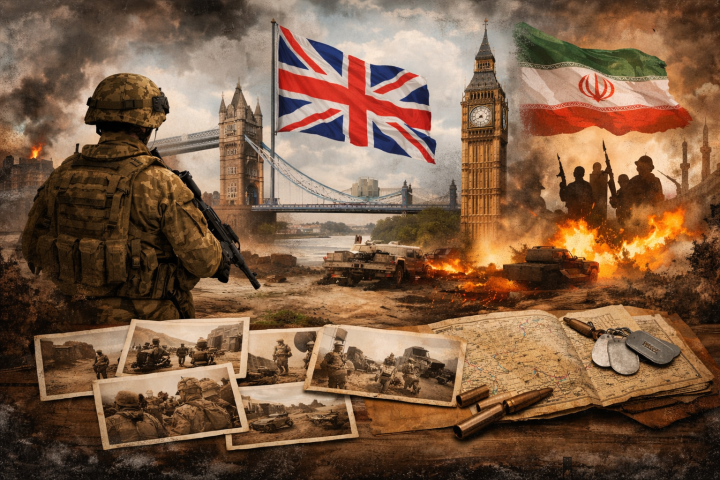
The world woke up on 28 February 2026 to a new, ugly chapter: a major US and Israeli assault on Iran, followed by Iranian retaliation across the region. What some will describe in cool, sterile language as “deterrence” and “degradation of capability” is, in reality, the rapid unravelling of a whole neighbourhood of nations, with civilians trapped inside it.

Within hours, the consequences stopped being theoretical. Reports emerged of a girls’ school struck in the chaos of the opening phase. People will argue over the precise numbers and the sequencing. But the moral centre does not depend on a perfect tally. A school was hit. Children died.

Britain must not enter this war.

And Britain’s restraint cannot be a polite sentence tucked into a spokesperson’s briefing. It has to be measurable. We should not allow our airbases, runways, territory, intelligence, logistics, or refuelling capacity to be used for this conflict. If we claim we are not involved, then we must not quietly become the hinge that makes involvement possible. You cannot outsource the killing and still keep clean hands.

Children, hatred, and the inheritance of violence

The casual way adults running the world talk about loss of life is the first thing that should shame us. “Collateral.” “Targets.” “Proportionate response.” We have normalised the language of acceptable death, as if someone else’s child is a negotiable unit. That is not strength. It is moral corrosion disguised as realism.

This is the moment politics should go quiet for a beat, because the human reality is too loud.

I am the father of three children, two daughters and a son. When I read about children killed in a school, my mind doesn’t go to strategy first. It does something more honest. It tries to place my own family inside that scene. If my daughters were in that building, if my son’s classroom became rubble, what would be left of my world?

And here is the truth that every missile briefing tries to bury: when children die, it doesn’t just break one family. It creates hatred that spills beyond a generation. It turns grief into identity. It seeds a long memory, passed down like an unwanted inheritance. You do not bomb a population into loving you. You do not flatten a neighbourhood into gratitude. You manufacture tomorrow’s rage while congratulating yourself about today’s “success”.

My own family history carries a warning label for anyone who thinks political decisions can be “managed” while ordinary people simply absorb the consequences. My immediate family was caught up in the Partition of India in 1947. My father was five years old. Estimates commonly exceed a million people killed, with millions more uprooted in one of the largest and most traumatic migrations in human history.

And Partition didn’t end when the borders were drawn. The ill feeling still lingers. In many communities, Muslims and Sikhs or Hindus rarely inter-marry even today, not because ordinary people are born to hate, but because trauma teaches families to fear what once harmed them. That is exactly my point about killing: it doesn’t stop at the grave. It travels. It settles into culture. It becomes a story told at dinner tables and a warning whispered to children. Healing can take a century, and even then it can remain incomplete.

No loss of life is acceptable. Not one.

The value of one life cannot be expressed in dollars. There is no exchange rate for a child. We can count financial costs because public money matters, but counting cost is not the same as valuing life. The world becomes more peaceful only when leaders, and the citizens who pressure them, start from the truth that human life is beyond price.

We have been here before: Iraq, Afghanistan, and the precedents that haunt us

Britain has been down this road before. We walked it in Iraq. We walked it in Afghanistan. Each time we were sold certainty and competence. Each time we got chaos, grief, and long consequences that came back home through trauma, distrust, division, and domestic strain.

Britain was not always a country that simply followed. Britain, for centuries, has been led by brains, strategy, and the hard discipline of long-term thinking. That is part of what made Britain Britain, for better and worse across history. We have evolved. We have learned. We have confronted past mistakes and tried, often painfully, to become better than the worst chapters of our own story.

Then came the era where we lost the thread.

Tony Blair’s decision to move as he did on Iraq, without the full weight and legitimacy of proper UN process, did more than drag Britain into a disastrous war. It damaged our credibility. It created a precedent. It made Britain look less like a strategic nation with its own compass, and more like a lap-dog nation that confuses loyalty with obedience.

That credibility loss matters now. Because credibility is a form of power. When you spend it recklessly, you don’t notice the weakness immediately. You notice it years later, when your warnings carry less weight, when your diplomacy lands softer, when your moral language is met with eye-rolls and cynicism.

Keir Starmer has a chance to change this. He has a chance to re-establish Britain as a serious country with a serious brain. Not a country that rushes to war because it fears being left out of the room.

And yes, it is hard to watch the way Britain has sometimes been publicly wrong-footed in its relationship with Washington, especially under Donald Trump’s political theatre. The point isn’t personal embarrassment. The point is structural reality: we can no longer follow reckless behaviour as though it is inevitable or wise. Re-establishing European ties, strengthening diplomacy, and engaging with global powers with Britain’s own interests at the front of the file is not betrayal. It is maturity.

Britain has resisted before: the “special relationship” is not a leash

It’s worth reminding ourselves that even at the height of the so-called special relationship, Britain has pushed back when its interests and judgement demanded it.

Margaret Thatcher is often remembered as America’s closest ally, but even she drew lines. When Ronald Reagan moved on Grenada in 1983 without proper consultation, Thatcher’s anger was real and direct. She did not quietly accept being treated as an afterthought. She challenged it because she believed it was wrong and because she understood a principle that too many leaders forget: alliance does not mean automatic obedience.

That moment matters now, not as nostalgia, but as precedent. Britain can say no. Britain can insist on process. Britain can refuse to be pulled into other people’s escalations simply because the phone rang from Washington.

War is not good for the economy: the lie that keeps getting recycled

We must stop repeating another myth that has been used as a deodorant for war: that war is “good for the economy”.

It isn’t.

Spending is not prosperity. You can create “economic activity” by setting your own house alight and paying someone to rebuild it. That doesn’t make arson a growth strategy. War diverts talent and money away from productive life. It balloons debt. It creates long-term obligations that do not show up in the glamour shots: veterans’ care, interest on borrowing, security expansion, disrupted trade, and the slow erosion of trust that makes economies function.

Even when war generates contracts, it still hollows out the wider economy by pulling focus away from what actually makes a nation strong: health, education, infrastructure, housing, innovation, social stability. War may move money. It does not create wellbeing. It does not create peace. It does not create a future worth inheriting.

The Gulf pressure-point: why this spreads fast and hits hard

Now look at what is already happening in the Gulf. Iran’s leadership knows exactly where pressure lands hardest on Washington, and it isn’t only on bases. It is on confidence.

Retaliatory strikes and incidents have been reported across multiple countries and nodes of Western interest in the region, including the UAE, Qatar, Bahrain, Kuwait, and Jordan, with shockwaves felt through aviation routes, alarms, disruption, and fear. That list matters because it shows the logic: widen the pain, widen the pressure, widen the instability.

This is where the recklessness of Washington’s approach becomes impossible to ignore. Donald Trump’s style of foreign policy often treats the world like a deal: apply pressure, break the structure, then talk grandly about rebuilding as if trauma is simply redevelopment. It has been reported that he has spoken in glossy, property-developer language about turning Gaza into a kind of “oasis”. Whether you agree or disagree with him politically, that style of thinking is dangerous when applied to human lives.

Trump has not thought this through.

More damage to the UAE could crush an economy the Emiratis have spent decades carefully building as a safe space for families, investment, tourism, and global business. The UAE is not a war economy. It is a carefully constructed promise of stability. Dubai, in particular, has tried to become the region’s Singapore: a place where the world passes through, invests, relocates, and breathes easily.

The problem is, the region cannot become that if it is repeatedly dragged into brinkmanship. A single week of sustained fear doesn’t just disrupt holidays. It reshapes reputations, cancels investment decisions, postpones relocations, and forces insurers and airlines to rewrite rules overnight.

The knock-on effects are brutal. The airports are not just airports, they are the arteries of confidence. Dubai’s aviation ecosystem runs on predictability and global trust. The ports are not just ports, they are supply chain engines. Jebel Ali is not a local dock. It is a major gateway for trade and logistics, built on the assumption that goods will keep moving.

If confidence fractures, the costs cascade far beyond the Gulf. Shipping schedules slip. Inventories tighten. Routes lengthen. Prices rise. Tourism dips. Investors pause. And once the idea of safety is punctured, it is hard to stitch back together quickly.

It is entirely plausible that Iran’s ruling regime calculated this. Striking UAE-linked interests, and to a lesser extent Qatar, while stirring tension that is felt in Bahrain, Kuwait, and Jordan, is a way of putting serious pressure on the United States by spreading pain into places the global economy cannot ignore. The tragedy is that the people who lit the fuse either failed to contemplate this properly, or did not care enough about the consequences for Gulf civilians and Gulf stability.

Britain should refuse to be tied to that calculation.

Playground geopolitics: cast your mind back and you’ll recognise the whole world

Everything you saw in the playground at school plays out on the world stage.

While reading this, cast your mind back to your school days and you can easily figure out the characters and power plays. There were those who didn’t want involvement, the Switzerland types, trying to keep their heads down and preserve calm. There were those who wanted to ride the crest of the bully, to stand close enough to feel powerful but far enough to claim innocence. There were protestors who said “this is wrong” even when it was unpopular. There were weasels who laughed along with whoever looked strongest that week. There were smart bullies who didn’t throw the first punch but knew exactly how to provoke one. There were ultra-brains who could manipulate the bullies, directing force without ever looking like the aggressor. There were pacifiers, the calm voices who could talk violence down. There were opportunists who swapped sides mid-argument because their only loyalty was to momentum. There were bystanders who hated what was happening but convinced themselves silence was “pragmatic”.

The jigsaw fits because human nature hasn’t changed. We have just scaled it up into flags, currencies, oil routes, drones, and missiles.

And there is another truth about the playground: it is rarely only one bully. It’s usually a rotating cast. One dominates for a period, gets replaced, then another takes the centre. The bully of the moment isn’t permanent. The cycle continues unless the wider group changes the rules.

The aim for the lesser characters is not to become bullies themselves. The aim is to collectively restrain, guide, and control the bully’s worst instincts, to make the playground safer for everyone.

That is Britain’s role.

Britain is not the biggest child in the yard. But Britain can still be one of the cleverest. Britain can still be one of the most strategically important. Britain can still be one of the voices that makes it harder for big powers to mistake brute force for leadership.

The United States must resist temptation, and Britain must help it do so

The United States is, in many ways, the big boy on the block. With that size comes responsibility. The US must resist the urge of temptation or persuasion it receives from other countries, from allies, from domestic politics, from ego, and from the addictive idea that force proves strength.

Some countries will always try to pull the superpower into doing what they want, because they know the superpower has the muscle. Some will flatter. Some will provoke. Some will whisper that restraint is weakness. Some will tell the superpower that it must act “or lose credibility”. That is how the playground works.

This is where Britain must use brains and strategy. Britain must be the calm, respected voice that insists on restraint and consequences. Britain should not be an inciter. Britain should not be a follower. Britain should be the country that says: stop, think, de-escalate.

John F. Kennedy’s example still matters here, not as praise, but as proof that restraint is possible even when every instinct and every voice around you screams for escalation. The point is not to pretend the United States has always behaved wisely. It plainly has not. The point is to insist that the superpower can choose restraint when the moment demands it, and that allies like Britain should push for that choice rather than enabling the opposite.

Domestic Britain: put Britain first, and remember what Great Britain is supposed to mean

We also need to be honest about our own house.

Britain has serious domestic issues that demand focus and investment: the economy, cost-of-living pressures, public services under strain, housing, and social cohesion. Britain cannot pretend it has infinite money and infinite patience for foreign adventures, especially adventures that historically deliver insecurity back to our own communities.

Put Britain first does not mean turning our backs on the world. It means understanding that Britain’s greatest contribution to the world right now is not adding another aircraft to someone else’s war. It is restoring ourselves as a stable, credible, mature voice for peace and restraint.

Britain deserves the title Great Britain not because we are perfect, not because history is spotless, not because we have nothing to answer for, but because we have evolved. We have learned. We have built institutions and traditions meant to elevate the value of human life. We should remember who we are and what we stand for.

If Britain wants to be great in this era, it must be the global voice of reason, not shamelessly ploughing into conflicts. We should be facilitating peace talks and pushing for diplomatic solutions, not standing in the background hoping nobody notices our airbases are helping.

Starmer has a chance to change Britain’s posture, to end the era of automatic alignment and begin an era of strategic independence rooted in diplomacy, European strength, and clear-eyed engagement with the world as it is.

Conclusion: keep Britain out, keep Britain credible, and make the pen louder than the sword

Britain should not join this war. Britain should not allow itself to be used as a platform for this war. Britain should press for diplomacy and restraint, and demand consistency, not only from adversaries but from allies.

Because once British airbases, British runways, British logistical footprints become part of this conflict, Britain inherits consequences we claim to oppose. You do not get to be half-involved and morally uninvolved at the same time.

The pen still matters. The pen is not weakness. The pen is how citizens tell leaders that life is not a statistic. It is how societies refuse to be dragged into someone else’s vendetta. It is how the lesser characters on the playground form a collective voice that guides power away from violence.

The world needs a collective voice for fewer wars, not better slogans for war.

Britain, with all its past mistakes and hard-earned lessons, should be one of the loudest voices saying: not this time.

Arsenal Aim to Extend Title Charge in London Derby at Emirates

Sunday’s 4:30 pm kick-off between Arsenal and Chelsea at the Emirates Stadium presents one of the Premier League’s most compelling fixtures of the season, a London derby loaded with narrative and competitive consequence as the campaign approaches its decisive phase.

Chelsea arrive having extended an unbeaten run under manager Liam Rosenior, but will face a test of resilience and tactical discipline against an Arsenal side enjoying momentum and confidence after a dominant recent victory. Arsenal head into this clash with a comfortable league lead and the chance to underline their title credentials, while Chelsea must navigate a number of absences and show that they can repeatedly rise to the occasion against top-flight opposition.

Arsenal’s most recent game in any competition was a statement 4-1 win away at Tottenham Hotspur that restored a five-point cushion at the top of the Premier League. Goals from Viktor Gyökeres and Eberechi Eze highlighted not only the attacking quality in Mikel Arteta’s squad but also the collective belief that has grown across a campaign marked by intensity, pressing and increasingly clinical finishing in key moments. The significance of that result was multi-layered: it was a derby victory, it demonstrated resilience when responding to Tottenham’s equaliser, and it reinforced Arsenal’s ability to turn control of territory into high-value goals without losing composure deep into the second half.

Chelsea’s last outing, by contrast, ended in a 1-1 draw with Burnley in a match where they conceded a late equaliser after going ahead early. Despite the shared points, the performance illustrated both the strengths and limitations that have defined their season: organisation and intensity without the consistency needed to close out difficult matches. Under Rosenior, the Blues have been unbeaten in the league, a notable turnaround given the challenges faced earlier in the campaign, but this trip to the Emirates represents a step up in tactical demand and collective focus. Arsenal’s EFL Cup semi-final victories earlier in the season—including a 3-2 win at Stamford Bridge—add extra historical context to the rivalry and underline that recent head-to-head results have had competitive edges.

Injury and availability have become defining themes in the build-up. Arsenal have a relatively strong squad list, yet are managing a handful of concerns. Bukayo Saka was substituted late against Tottenham with an ankle issue but is expected to be available after stepping off the field unassisted; his involvement will be a key factor given Arsenal’s reliance on width and pace in the final third. Doubts also surround Kai Havertz and right-back Ben White after minor knocks, while Max Dowman is fit enough for Under-21 duty but unlikely to be involved. Midfield linchpins like Declan Rice and Martín Zubimendi remain crucial to how Arteta balances control with incisiveness, and their rhythm will be vital in subduing Chelsea’s energetic central duo.

The injury landscape for Chelsea is particularly stretched. Wesley Fofana begins a suspension after picking up a red card against Burnley, while Marc Cucurella, Jamie Bynoe-Gittens and Mykhaylo Mudryk are sidelined with respective muscular and thigh problems. Doubts also hang over Dario Essugo and Filip Jorgensen as they continue unspecified recovery work, leaving Rosenior with limited options at full-strength in defence and in wide areas where creative impact is often needed against high-press opposition. The absence of these players forces tactical refinements and adds pressure to those fit players who must shoulder extra minutes and responsibility.

Arsenal’s form in attack remains a central talking point. Gyökeres has been a consistent threat, scoring eight times in his last dozen appearances, and has developed into a genuine focal point in Arteta’s systems that favour quick transitions, front-foot pressing and rapid combinations in and around the penalty area. Eze’s finishing in derby games has also become a mark of rising confidence, underscored by the multiple goals he has scored in London derbies this season. The Gunners’ capacity to construct pressure from set pieces, corners and high turnovers is also relevant here; Jason Cundy highlighted recently how Arsenal’s effectiveness from dead balls can create chaos and scoring opportunities when delivery patterns go unmarked.

Chelsea’s attacking shape, meanwhile, combines direct runs from Cole Palmer with midfield thrusts from Moisés Caicedo and the creative balancing act of Andrey Santos. João Pedro and Neto both bring finishing instincts to the frontline, but the timing and frequency of Chelsea’s transition phases—particularly when they win the ball high and pass quickly into attacking spaces—could determine how often the Blues move beyond half chances into genuine scoring opportunities. The absence of key defenders and wide threats increases the need for tactical discipline in transitions, as Arsenal’s intense press can make misplaced possession costly.

Given the context of both clubs’ recent meetings, there is added nuance to this derby. Arsenal have won the majority of their recent clashes with Chelsea, and have not been beaten by them since 2021; yet Mikel Arteta himself has been keen to emphasise the importance of treating the latest match as a fresh challenge, reminding players and supporters that historical records matter little against the tactical and emotional demands of the present. Under Rosenior, Chelsea have adapted tactically and improved their points haul, and that resilience—combined with the capacity to alter their shape midfield-to-attack—will require Arsenal to stay agile in both decision-making and tempo control across all thirds of the pitch.

The tactical battle will likely revolve around control of the central zones and how each manager uses squad balance to dictate tempo. Arteta’s team have been built on compact vertical pressing, quick lateral shifts and rotations between inverted full-backs and overlapping wide players, allowing them to create triangles that stretch organised defences. Chelsea, given their personnel challenges, may look to maintain solidity through midfield partnerships and rapid forwards shifts when possession is turned over, aiming to catch Arsenal in moments where their advanced lines can expose space behind. Transition defence on both sides will be pivotal: losing possession in the wrong area could quickly turn into a deep defensive scramble, while winning it back high may present instant counter-attacking opportunities.

Psychological dynamics also feature strongly. Arsenal’s rare week of rest—unusual given their previously congested fixture list—has provided fresh legs after a series of tough mid-week assignments, and Arteta has spoken publicly about the importance of mental refreshment ahead of big matches. The combination of physical repletion and emotional uplift from derby success last weekend creates a platform from which to approach Chelsea with confidence rather than caution.

Conversely, Chelsea’s recent tendency to concede late goals and their disciplinary issues—reflected by their record of cards and sendings-off this season—could become a factor if incident triggers or high-pressure moments begin to unbalance their defensive shape. Limiting bookings and defending set pieces with organisation will be crucial for Rosenior’s side if they are to avoid giving Arsenal repeated opportunities in dangerous areas.

All signs suggest this Sunday’s game could be decided on fine margins and decisive moments rather than broad territory dominance. Early control and effectiveness in transitional phases seem interchangeable here; for Arsenal, converting pressure into goals sooner rather than later may dictate how the second half unfolds, while for Chelsea, finding one coherent attacking rhythm in the first half could unlock the defensive layers and turn a narrow deficit into an open contest. The crowd, atmosphere and mid-season stakes could push both sides toward a high-tempo opening spell that sets the tone, with champions-elect nerves and European qualification aspirations both riding on how well each team converts intensity into accuracy.

As Arsenal seek to maintain their hold on the Premier League summit and Chelsea aim to demonstrate that their unbeaten run is no illusion, this derby offers drama, narrative and tactical intrigue in equal measure. With injuries tested, key players in form and momentum on the line, Emirates Stadium’s Sunday afternoon stage is set for what promises to be a grueling, high-quality chapter in one of English football’s most storied rivalries.

Liverpool 5-2 West Ham: Dominant Display from Reds Keeps West Ham in Relegation Fight

In one of the most entertaining Premier League games of the season so far, Liverpool ran out 5-2 winners against West Ham United at Anfield on Saturday afternoon, putting on a dominant attacking display that blended clinical set-piece execution with incisive forward play.

From the very start, the hosts looked determined to take control and set the tone, while West Ham — battling against the drop — showed resilience in periods but ultimately couldn’t cope with Liverpool’s firepower. The victory lifted Liverpool further up the table and significantly boosted their hopes of a top-four finish, while West Ham were left to reflect on defensive lapses and missed opportunities in a dramatic contest.

Liverpool began with real intent. Inside the opening five minutes, they took the lead through a well-worked attacking phase that culminated in Hugo Ekitike finishing smartly from close range, giving the Reds an early advantage and setting the stadium alight. That quick start injected confidence into the home side and forced West Ham immediately onto the back foot. Liverpool’s forwards pressed relentlessly, while their midfielders looked to link up quickly and find space between the lines — a strategy that paid dividends as the match unfolded.

The hosts’ next goal highlighted a key strength of their performance: set pieces. They capitalised on West Ham’s vulnerability in defending dead-ball situations, with Virgil van Dijk powering home a header from a well-executed corner to double the lead around the 24th minute. The towering centre-back’s presence was a constant threat and perfectly illustrated how Liverpool have transformed an area of weakness earlier in the season into a genuine attacking weapon.

Liverpool continued to build momentum and their third goal arrived just before half-time. Alexis Mac Allister displayed superb technique to volley home from another corner, requiring precision and timing and bringing the Anfield crowd to their feet. Scoring three times from dead-ball situations in one half is a rare feat in the Premier League and underlined Liverpool’s dominance — a sharp turnaround from earlier in the campaign when set pieces were a frequent source of frustration for the hosts.

West Ham, however, showed character after the break by pulling one back early in the second half through Tomas Soucek, whose instinctive finish gave his side renewed belief and brought a spark of momentum into their play. The goal offered hope to the travelling support and hinted at a possible comeback in an unpredictable contest. Yet Liverpool would not be denied, and they restored their three-goal cushion just past the hour mark through Cody Gakpo, who struck with confidence and precision to put the hosts back firmly in control.

Despite that setback, West Ham continued to fight and managed to find another goal when Valentin Castellanos connected well with a set-piece delivery to reduce the deficit once again. It was a testament to the visitors’ tenacity and willingness to press forward even when outplayed for long spells, and it momentarily injected life into an otherwise one-sided match.

The penultimate goal of the game came under unusual circumstances, with West Ham’s Axel Disasi unfortunately turning the ball into his own net while attempting to clear a dangerous Liverpool attack. Although it was technically an own goal, the strike was the result of sustained pressure from Liverpool and reflected the hosts’ relentless commitment to pushing for further goals rather than just defending their considerable lead.

Throughout the match, tactical shifts and moments of individual brilliance kept the contest engaging. Liverpool’s ability to strike from set pieces and open play alike showcased their attacking versatility, while West Ham’s responses — though admirably spirited — highlighted the fundamental defensive issues they have battled this season. Liverpool’s midfielders did an excellent job of controlling the tempo and linking defence to attack, forcing West Ham’s players to cover more ground than they often managed effectively.

After the final whistle, Liverpool’s manager spoke with evident satisfaction about the team’s performance. He emphasised how important it was to take advantage of scoring opportunities early and how critical maintaining intensity throughout the match proved to be. He noted the significance of converting set pieces into goals, acknowledging that turning one of their previous weaknesses into a strength had been a focus in training and preparation. He also praised his players’ mentality and resilience, highlighting how the tactical plan was executed with precision in key moments.

West Ham’s manager, addressing the media after a difficult afternoon at Anfield, offered a different perspective. He acknowledged that while his side had fought hard and produced moments of promise — particularly in their two second-half goals — their performance was undermined by lapses in concentration and a failure to deal consistently with Liverpool at set pieces. He stressed that defensive solidity remains a priority, especially in matches against top opposition, and highlighted that his players must learn from the experience to improve their survival prospects. He praised certain individual contributions but made no secret of his disappointment at conceding too many goals.

For Liverpool, the victory means not only three valuable points but also a boost in confidence as they continue to chase a top-four finish. The win propelled them up the Premier League standings, level on points with rivals above them, and underscored their ability to perform under pressure in front of a passionate Anfield crowd. The attacking display — particularly the set-piece proficiency — will likely be a source of optimism as the season progresses into its final, high-stakes stages.

For West Ham, the result deepens the sense of urgency as they remain entwined in a battle to avoid relegation. While the two goals they scored showed that they possess attacking quality and the ability to challenge top teams, their defensive vulnerabilities were exposed at critical moments. The manager stressed that regrouping, focusing on defensive cohesion and maintaining belief will be crucial as the club looks to salvage its Premier League status.

This match will undoubtedly be remembered by supporters for its blend of tactical nuance, set-piece excellence, and moments of attacking flair. Liverpool’s ability to score in a variety of ways demonstrated their evolution as a team capable of breaking down stubborn defences and adapting to different match scenarios. Conversely, West Ham’s performance — competitive in patches yet ultimately inconsistent — encapsulated the challenges they face this season even as they strive to secure important points in a keenly contested league.

In the end, Liverpool 5-2 West Ham will stand as one of the more vivid Premier League encounters of the season — a match that combined entertainment, tactical depth and a showcase of why full concentration over the full 90 minutes is essential at the highest level.

In one of the most entertaining Premier League games of the season so far, Liverpool ran out 5-2 winners against West Ham United at Anfield on Saturday afternoon, putting on a dominant attacking display that blended clinical set-piece execution with incisive forward play. From the very start, the hosts looked determined to take control and set the tone, while West Ham — battling against the drop — showed resilience in periods but ultimately couldn’t cope with Liverpool’s firepower. The victory lifted Liverpool further up the table and significantly boosted their hopes of a top-four finish, while West Ham were left to reflect on defensive lapses and missed opportunities in a dramatic contest.

Liverpool began with real intent. Inside the opening five minutes, they took the lead through a well-worked attacking phase that culminated in Hugo Ekitike finishing smartly from close range, giving the Reds an early advantage and setting the stadium alight. That quick start injected confidence into the home side and forced West Ham immediately onto the back foot. Liverpool’s forwards pressed relentlessly, while their midfielders looked to link up quickly and find space between the lines — a strategy that paid dividends as the match unfolded.

The hosts’ next goal highlighted a key strength of their performance: set pieces. They capitalised on West Ham’s vulnerability in defending dead-ball situations, with Virgil van Dijk powering home a header from a well-executed corner to double the lead around the 24th minute. The towering centre-back’s presence was a constant threat and perfectly illustrated how Liverpool have transformed an area of weakness earlier in the season into a genuine attacking weapon.

Liverpool continued to build momentum and their third goal arrived just before half-time. Alexis Mac Allister displayed superb technique to volley home from another corner, requiring precision and timing and bringing the Anfield crowd to their feet. Scoring three times from dead-ball situations in one half is a rare feat in the Premier League and underlined Liverpool’s dominance — a sharp turnaround from earlier in the campaign when set pieces were a frequent source of frustration for the hosts.

West Ham, however, showed character after the break by pulling one back early in the second half through Tomas Soucek, whose instinctive finish gave his side renewed belief and brought a spark of momentum into their play. The goal offered hope to the travelling support and hinted at a possible comeback in an unpredictable contest. Yet Liverpool would not be denied, and they restored their three-goal cushion just past the hour mark through Cody Gakpo, who struck with confidence and precision to put the hosts back firmly in control.

Despite that setback, West Ham continued to fight and managed to find another goal when Valentin Castellanos connected well with a set-piece delivery to reduce the deficit once again. It was a testament to the visitors’ tenacity and willingness to press forward even when outplayed for long spells, and it momentarily injected life into an otherwise one-sided match.

The penultimate goal of the game came under unusual circumstances, with West Ham’s Axel Disasi unfortunately turning the ball into his own net while attempting to clear a dangerous Liverpool attack. Although it was technically an own goal, the strike was the result of sustained pressure from Liverpool and reflected the hosts’ relentless commitment to pushing for further goals rather than just defending their considerable lead.

Throughout the match, tactical shifts and moments of individual brilliance kept the contest engaging. Liverpool’s ability to strike from set pieces and open play alike showcased their attacking versatility, while West Ham’s responses — though admirably spirited — highlighted the fundamental defensive issues they have battled this season. Liverpool’s midfielders did an excellent job of controlling the tempo and linking defence to attack, forcing West Ham’s players to cover more ground than they often managed effectively.

After the final whistle, Liverpool’s manager spoke with evident satisfaction about the team’s performance. He emphasised how important it was to take advantage of scoring opportunities early and how critical maintaining intensity throughout the match proved to be. He noted the significance of converting set pieces into goals, acknowledging that turning one of their previous weaknesses into a strength had been a focus in training and preparation. He also praised his players’ mentality and resilience, highlighting how the tactical plan was executed with precision in key moments.

West Ham’s manager, addressing the media after a difficult afternoon at Anfield, offered a different perspective. He acknowledged that while his side had fought hard and produced moments of promise — particularly in their two second-half goals — their performance was undermined by lapses in concentration and a failure to deal consistently with Liverpool at set pieces. He stressed that defensive solidity remains a priority, especially in matches against top opposition, and highlighted that his players must learn from the experience to improve their survival prospects. He praised certain individual contributions but made no secret of his disappointment at conceding too many goals.

For Liverpool, the victory means not only three valuable points but also a boost in confidence as they continue to chase a top-four finish. The win propelled them up the Premier League standings, level on points with rivals above them, and underscored their ability to perform under pressure in front of a passionate Anfield crowd. The attacking display — particularly the set-piece proficiency — will likely be a source of optimism as the season progresses into its final, high-stakes stages.

For West Ham, the result deepens the sense of urgency as they remain entwined in a battle to avoid relegation. While the two goals they scored showed that they possess attacking quality and the ability to challenge top teams, their defensive vulnerabilities were exposed at critical moments. The manager stressed that regrouping, focusing on defensive cohesion and maintaining belief will be crucial as the club looks to salvage its Premier League status.

This match will undoubtedly be remembered by supporters for its blend of tactical nuance, set-piece excellence, and moments of attacking flair. Liverpool’s ability to score in a variety of ways demonstrated their evolution as a team capable of breaking down stubborn defences and adapting to different match scenarios. Conversely, West Ham’s performance — competitive in patches yet ultimately inconsistent — encapsulated the challenges they face this season even as they strive to secure important points in a keenly contested league.

In the end, Liverpool 5-2 West Ham will stand as one of the more vivid Premier League encounters of the season — a match that combined entertainment, tactical depth and a showcase of why full concentration over the full 90 minutes is essential at the highest level.

Burnley 3-4 Brentford: Late Heroics and VAR Controversy Define Brentford’s Win Over Burnley

In one of the most remarkable and entertaining Premier League matches of the season, Burnley and Brentford served up a breathtaking football spectacle at Turf Moor on Saturday afternoon, with the visitors emerging 4–3 winners after a rollercoaster of a contest that will long linger in the memories of supporters from both sides.

The full‑time scoreline – Brentford 4, Burnley 3 – barely does justice to the emotional ebb and flow, dramatic swings in momentum and contentious moments that defined this enthralling clash.

Right from kick‑off, there was little to suggest that this would become a contest filled with twists and turns. Brentford, buoyed by recent good form and eager to continue their push towards the upper reaches of the division, started purposefully and took the lead inside the first ten minutes. It was Mikkel Damsgaard, a player on whom the Bees place great attacking hope, who rose to head home from a well‑delivered corner, giving Brentford the early advantage and setting the tone for an electric first half.

Burnley, meanwhile, were slow to find their rhythm, struggling to cope with Brentford’s intensity and incisiveness. Just as the home crowd were settling into the afternoon, Brentford doubled their lead in the 25th minute. A slick passing move saw Damsgaard at the heart of the attack once more, providing the assist for Igor Thiago to slot the ball expertly past Burnley’s goalkeeper. This second goal seemed to put the visitors in firm control, and it wasn’t long before they extended their advantage further.

Brentford’s third goal came in the 34th minute when Kevin Schade, ever‑present in his side’s attacking play, reacted fastest to a loose ball in the box to rifle home and send the away fans into raptures. A three‑goal cushion at Turf Moor was enough to prompt a chorus of nervous gasps from the Burnley supporters, who saw their team’s defensive frailties laid bare in a blistering spell of Brentford dominance before half‑time.

Yet football, as it so often does, had far more drama in store. Just before the break, Burnley clawed one back after Brentford’s Michael Kayode inadvertently turned the ball into his own net under pressure. That strike, coming at 45+3 minutes, provided a vital lifeline for the home side and swung momentum as the teams headed into the interval. The Burnley faithful, desperate for a response after a disappointing opening period, sensed opportunity.

At 3–1 down, Burnley emerged from the tunnel with renewed purpose. Barely two minutes into the second half, they reduced the deficit once more as Jaidon Anthony produced a powerful drive from close range, deflecting off a defender and beating the Brentford goalkeeper. Suddenly, after being outplayed for long periods, Burnley were right back in the contest and the momentum had palpably shifted.

The resurgence continued, and in the 60th minute, Burnley found the equaliser that set the stadium alight. A superbly delivered cross from Hannibal Mejbri found Zian Flemming, who rose unmarked to head home, sparking wild celebrations among the home support and sparking heartbreak in the Brentford ranks. At 3–3, this match had swung from a comfortable lead for the visitors to a full‑blown fightback from the Clarets, and the noise inside Turf Moor was deafening.

But the narrative was far from over. In the latter stages of the second half, Burnley thought they had taken the lead when Flemming turned in another chance. However, the goal was ruled out following a VAR review that deemed the build‑up had involved an offside, much to the frustration of the home supporters. That decision merely heightened the tension as both sides searched for a decisive breakthrough.

As the match ticked into injury time, it appeared set to end in a thrilling draw – only for drama to reach fever pitch. In the third minute of added time, Brentford were awarded a dangerous position down the left. A perfectly weighted cross from Rico Henry found its way to Mikkel Damsgaard, who made no mistake from close range and restored Brentford’s lead to 4–3. The away fans erupted as Damsgaard’s strike found the bottom corner, sealing a sensational victory in the dying embers of the contest.

Yet even then, Burnley appeared to have another lifeline. In the very last phases of the game, substitute Ashley Barnes thought he had found an equaliser for the hosts with a powerful finish. The crowd’s roar quickly turned to stunned silence, however, as VAR intervened once more and the goal was ruled out for a handball in the build‑up. That decision, controversial and agonising for the home supporters, meant Brentford held on for a memorable away win.

Off the pitch after the final whistle, both managers addressed the media and reflected on an unforgettable afternoon of football. Brentford’s head coach expressed immense pride in his players’ resilience and character, highlighting the importance of taking opportunities and staying focused until the final whistle. He spoke warmly of Damsgaard’s impact and emphasised that, despite the late scare, his team showed the mental strength required to grind out a result in a high‑pressure scenario.

Burnley’s boss, meanwhile, admitted the defeat was a bitter pill to swallow. He praised his side’s remarkable comeback from three goals down, lauding their spirit and determination in the face of adversity. However, his disappointment was clear as he lamented the narrow margins that cost his team on the day – particularly in relation to the VAR decisions that saw two Burnley goals disallowed. He spoke candidly about how proud he was of his squad’s effort but acknowledged the sting of losing in such dramatic circumstances.

For Burnley, this result leaves them in a precarious position as the season progresses, with every point vital in the battle to secure Premier League survival. Their ability to mount such an impressive comeback after a dire first half will give them heart, but the frustration of falling short so late will linger. Conversely, Brentford’s victory lifts them further up the table and keeps their aspirations – potentially for European qualification – alive and well as they gather momentum in a competitive campaign.

Fans, neutrals and pundits alike will undoubtedly talk about this match for weeks to come. Few games capture the drama, skill and emotional extremes of football better than this seven‑goal thriller at Turf Moor, where fortunes swung wildly and the final outcome was determined in the dying moments. Whether applauded for its sheer entertainment value or dissected for its contentious VAR interventions, this clash between Burnley and Brentford stands as a reminder of why the Premier League continues to captivate supporters around the globe.

Anfield Ready for Premier League Test as Liverpool Host West Ham

Anfield stages a fixture with two very different kinds of pressure attached on Saturday afternoon, as Liverpool welcome West Ham United for a 3pm Premier League kick-off. The league table creates an immediate contrast—Liverpool pushing to strengthen their Champions League chase, West Ham trying to drag themselves away from the bottom three—but the recent patterns behind those positions suggest a contest likely to be decided by moments rather than long spells of dominance. One side has been winning games the hard way, the other has begun collecting points again after a bleak run earlier in the season, and both arrive with selection issues that could shape how the match is played more than any pre-match talking point.

Liverpool’s last match in any competition was a dramatic 1–0 win away at Nottingham Forest, decided by Alexis Mac Allister’s stoppage-time goal in a frenetic finish at the City Ground. The performance was not universally praised, but the result mattered: it extended a run of narrow victories that has been built on defensive control, patience and the ability to stay alive in games that refuse to open up. That late winner also reinforced the sense that Arne Slot’s side have developed a knack for riding pressure and still finding the one decisive action, a trait that can be priceless in the run-in even if it keeps nerves stretched longer than supporters would like.

West Ham arrive after a 0–0 home draw with Bournemouth in their most recent outing, a game that produced plenty of effort and chances but not the finish their situation demands. There were positives in the intensity and the volume of attempts, yet the final outcome left that familiar relegation-fight feeling: decent performance, but two points that might prove costly if not backed up quickly. The draw did, however, continue a more encouraging spell of recent league form compared to the grim stretch that dragged them into danger, and it showed the Hammers can still generate pressure and territory against organised opponents.

Injury and availability adds another layer to the build-up, especially in the attacking and midfield zones where both teams rely on rhythm and repetition. Liverpool will definitely be without Florian Wirtz, who has been ruled out with a back injury after being withdrawn during the warm-up at Nottingham Forest. It’s a notable loss because he had been contributing goals and assists and providing a creative bridge between midfield control and final-third incision. There is, however, a timely boost in the return of Jeremie Frimpong, who is available again after a month out with a hamstring problem, offering pace and directness on the right and potentially altering how Liverpool build and press. Wataru Endo remains a longer-term concern after a serious ankle injury earlier in the month, reducing midfield flexibility and removing one of the squad’s most reliable “close games” options.

West Ham’s list is shorter but still significant, and it cuts across key areas. Lukasz Fabiański remains sidelined with a back injury, while forward Pablo Felipe is still recovering from a calf problem, leaving Nuno Espírito Santo without a pace-and-power option he has indicated the side misses. Freddie Potts is suspended, which limits midfield depth and the ability to rotate profiles during the match—particularly relevant at Anfield, where legs can go late if the ball is constantly coming back at you. The returning availability of Jean-Clair Todibo in recent weeks has at least offered defensive stability, and West Ham will likely need that composure in the air and in one-v-one moments if Liverpool’s pressure grows.

Form players and match-winners give the fixture its most obvious hooks. Mac Allister’s late impact at Forest arrives fresh in the mind, and moments like that often shape the confidence of the team around him; midfielders who score decisive goals tend to play with an extra yard of authority in the next match. There is also a familiar Liverpool theme in the final third: Mohamed Salah’s historic productivity against West Ham is well established, yet recent discussion around Liverpool’s scoring has focused on how often games have required patience rather than early ruthlessness. That makes the supporting cast even more important—whoever fills the creative void left by Wirtz, and whoever can supply consistent quality into the box, may decide whether this becomes another tight, low-scoring afternoon or a game Liverpool can settle earlier.

West Ham’s attacking story remains driven by Jarrod Bowen. He is the player most likely to turn one transition into a shot, one half-chance into a moment of real danger, and one period of pressure into a goal that changes the mood instantly. Crysencio Summerville has also been a meaningful addition in the attacking rotation, offering direct running and the ability to threaten in isolation, while Tomáš Souček’s timing around the box continues to make him a threat in second phases and set-piece moments. If West Ham are to get something here, the route often involves surviving pressure first, then being ruthless in the handful of moments that follow.

The tactical shape should revolve around control versus disruption. Liverpool at home will expect to dominate possession and territory, but without Wirtz the route to breaking down a compact opponent may rely more heavily on width, rotations, and second-phase pressure rather than repeated central combinations. Frimpong’s availability could influence that: he can stretch the pitch vertically and force defenders to turn, which can create space for cutbacks and late arrivals. West Ham’s likely plan is to keep the central zones protected, limit the space between midfield and defence, and make Liverpool’s attacks travel the long way around the block rather than through it. If that works early, the match can become a test of Liverpool’s patience and West Ham’s concentration.

Transitions feel like the key battleground. West Ham will know that chasing the game at Anfield can become a trap: commit too many numbers too early and the gaps appear; sit too deep and you invite wave after wave of pressure and set-piece sequences. The best version of Nuno’s side mixes both—stay compact, then break quickly into the channels when the chance arrives. Bowen’s running and the timing of supporting runners will matter, because counters that end with a rushed shot or a poor final pass simply hand Liverpool the ball back and keep the pressure cycle turning.

Set pieces could also play an outsized role in a match that appears likely to be tight. Liverpool have already leaned on fine margins in recent weeks, and the ability to manufacture corners and free kicks at Anfield often becomes a weapon in itself. West Ham have the kind of aerial profiles that can defend those situations and also threaten at the other end—Souček in particular is always relevant when dead balls are delivered with quality. If the game stays level into the final half hour, those moments can start to feel like penalties in slow motion.

Psychology and timing matter too. Liverpool’s recent run of 1–0 wins can be read two ways: proof of defensive strength and resilience, or evidence of an attack that is having to work harder than expected for goals. Either way, it creates a match environment where the first goal is enormous. If Liverpool score early, the home side can settle into control, protect their structure, and force West Ham to take risks that open up the spaces they prefer to exploit. If West Ham keep it level deep into the second half, the pressure shifts subtly toward the home team, and every counterattack becomes louder, every set piece more tense, every decision more scrutinised.

For West Ham, there is a clear opportunity as well as a clear danger. The opportunity is that Liverpool have played several games where the margin has stayed thin, meaning one moment of quality at the right time can change everything. The danger is that surviving at Anfield is rarely enough on its own; without the suspended Potts and the injured Pablo Felipe, the visitors must still find a way to threaten often enough to stop Liverpool from camping in their half. It’s a difficult balance, and it’s why games like this are often decided not by who plays “better” overall, but by who makes fewer costly mistakes in key phases.

All signs point toward a fixture built on small details: how Liverpool compensate creatively without Wirtz, how quickly Frimpong can impact the rhythm after his return, and whether West Ham can keep their defensive concentration while still carrying a genuine threat through Bowen and transitions. With both clubs carrying very different pressures—European pursuit on one side, survival fear on the other—the match has the feel of one that could shape the narrative of the next few weeks, especially if it swings on another late goal.

Hounslow launches landmark Hogarth Prize to spotlight UK artists

A new national arts prize is set to transform Hogarth’s House in Chiswick into a showcase for contemporary creativity.

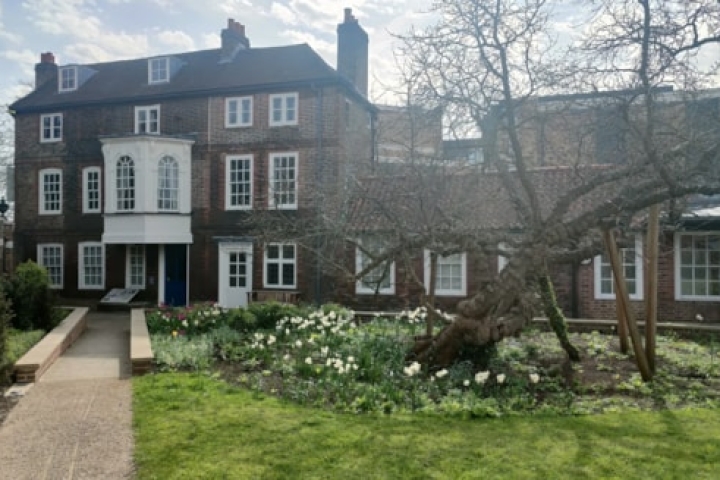
Hounslow Council has today announced the launch of The Hogarth Prize – a major new open-call award inviting artists from across the UK to exhibit at the former home of William Hogarth, the celebrated 18th-century painter and satirist. It is the first prize of its kind to be launched by a London council.

Delivered in partnership with leading arts agency Parker Harris, the initiative aims to position Hogarth’s House not only as a heritage site, but as a living platform for modern artistic voices.

A national stage for contemporary work

Open to amateur, emerging and established artists aged 18 and over, the prize welcomes submissions in any medium, provided the work can be wall-mounted. There is no prescribed theme. Instead, entrants are encouraged to demonstrate technical excellence, originality and a contemporary response to Hogarth’s spirit – bold, observant and unafraid to comment on the world around them.

Around 80 works will be shortlisted and exhibited at Hogarth’s House from 28 July to 6 September.

A high-profile judging panel – including gallerist and artist Robyn Graham, visual artist Hero Johnson RP and artist-coordinator Steven King – will oversee the inaugural award.

The overall winner will receive £3,000 and a six-week solo exhibition at Hogarth’s House in 2027. A Visitors’ Choice Award of £500 will also be presented in the final week of the show.

Entry fees have been set at £16 for one submission or £24 for two, in a bid to keep the prize accessible to artists at all stages of their careers.

Building a cultural legacy

Hogarth’s House, managed by Hounslow Council, holds the largest public display of William Hogarth’s work in the UK. The new prize signals a deliberate shift: using heritage not as a static backdrop, but as a catalyst for new work.

Cllr Salman Shaheen, Cabinet Member for Culture, Leisure and Public Spaces at Hounslow Council, said the initiative is rooted in Hogarth’s own belief in art as performance and commentary.

‘My picture is my stage,’ William Hogarth once wrote. Now, in honour of his legacy, of which we are proud custodians through Hogarth’s House, we are giving a stage to artists from across the UK through this new prize.

“It is my hope that the Hogarth Prize will nurture talent nationwide and give artists a major new platform to showcase their work, establishing Hounslow as a place that treasures art and champions creative works.

“We see this prize growing year after year, with the Hogarth Prize standing proudly alongside the Turner Prize and the Royal Academy’s Summer Exhibition, in years to come.”

Engaging the next generation

Alongside the main award, a dedicated Schools Exhibition will invite pupils from across Hounslow to submit postcard-sized artworks. These will be displayed at Hogarth’s House for a month ahead of the finalists’ exhibition, embedding young creativity at the heart of the project.

The Hogarth Prize forms part of the council’s wider Culture Strategy, which aims to expand access to the arts, activate heritage spaces and position Hounslow as a borough that invests in creative opportunity.

Skip to content Skip to content