Plans to make electric vehicles pay the London congestion charge have sparked concern among drivers, campaigners, and industry groups, who warn that the change could push up minicab fares and discourage the switch from petrol and diesel. The proposed change means electric vehicle owners will have to pay to drive within the congestion charging zone from next year, marking a major shift in the capital’s transport policy.
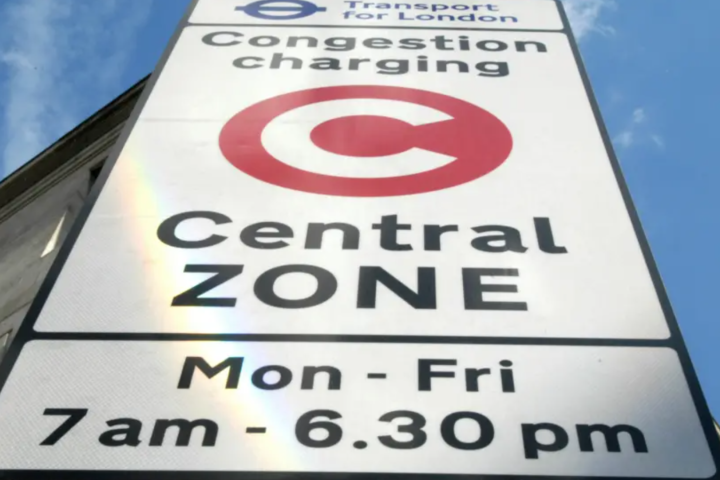
Transport for London (TfL) has confirmed that the congestion charge will rise by 20% from £15 to £18 per day on 2 January. Electric vehicles, which have so far been exempt under the Cleaner Vehicle Discount, will begin paying a reduced rate in 2025 before the exemption is scrapped entirely in 2026. TfL says the changes are necessary to keep traffic under control, citing an increase in the number of electric vehicles on the road as a growing source of congestion.
Under the new plans, electric cars registered for Auto Pay will receive a 25% discount, bringing their daily charge to £13.50. Electric vans, HGVs, and quadricycles registered for Auto Pay will receive a 50% discount. From March 2027, the 90% residents’ discount will only apply to electric vehicles for new applicants. TfL argues that without these measures, congestion could worsen significantly, with about 2,200 additional vehicles expected to enter the zone each weekday next year.
However, critics argue that the move will undermine efforts to promote cleaner transport. Many fear that the introduction of an electric vehicle congestion charge could reduce the appeal of going electric and cause costs to rise for those who rely on EVs for work.
Among them is Kola Olalekan, who has driven an electric minicab in central London for six years. He says that being required to pay £13.50 per day will make the job much harder for drivers already facing tight margins. “There’s going to be a drop,” he says. “And when there’s a drop of the number of drivers available in central London, that will affect the fare that riders are going to be paying. There’s going to be a surge. This job is based on surge pricing. So absolutely fares are going to go up, there will be fewer Ubers and no-one will want an EV.”
Industry representatives have echoed his concerns. Edmund King, from the AA, says that removing the incentive for switching to electric vehicles “may backfire on London and backfire on the environment.” He argues that most motorists are still hesitant to go electric and that losing the congestion charge exemption could delay adoption further. “Getting rid of the discount, there is no doubt it will put off many drivers,” he says. “And when we look at congestion in central London, let’s be frank the speed of traffic has been the speed of a horse and cart for years so to be honest a few more electric vehicles isn’t going to make much difference. We do feel this is a negative step. Getting rid of the exemption is coming far too early.”
TfL has defended its decision, stating that the congestion charge must remain effective at reducing traffic and emissions. It argues that even as vehicles become cleaner, the goal of the scheme is to manage demand on London’s roads. The organisation previously suggested removing the electric vehicle discount entirely, and it plans further reductions in the coming years. From March 2030, discounts for electric vans, HGVs, and quadricycles registered for Auto Pay will drop to 25%, while electric cars will see their discount halved again to just 12.5%.
Supporters of the policy say that as the number of electric vehicles increases, it is reasonable that they should contribute to maintaining London’s transport infrastructure. However, opponents maintain that the electric vehicle congestion charge risks penalising those who have invested early in cleaner technology, sending the wrong message to both professional drivers and the wider public. A formal announcement confirming the final details of the congestion charge changes is expected in the coming weeks.