Hospitals across England are warning of a “deja-flu” winter as the number of flu deaths more than doubled last year and cases are expected to surge again. With infections likely to rise following the school half-term, health leaders are urging people to book their flu jab now to help prevent another devastating season.
New analysis of UK Health Security Agency (UKHSA) data shows deaths from flu in England rose sharply last winter to 7,757, compared with 3,555 the year before. The impact on children was also severe, with deaths increasing by 56%, from 34 to 53. The rise came alongside lower vaccine uptake, adding pressure to already stretched hospitals.
During the last flu season, St George’s, Epsom and St He lier hospitals were among those hit hardest, facing a flood of flu cases as well as RSV, Covid and norovirus. The combination forced ward closures, overwhelmed Emergency Departments and added strain to NHS staff across the country. The hospital group is now preparing for another difficult winter as national data indicates flu season has begun earlier than usual.
Chief Nursing Officer Elaine Clancy said: “Last flu season was particularly nasty and we’re very concerned that this year could be even worse – we’re preparing for a spike of flu onto our wards. We see people dying every year from flu and sadly thousands more will likely this year. I strongly recommend booking your jab now, as it takes up to 14 days to fully kick-in.”
Hospitals fear “deja-flu” not only because of the numbers from last year but because the pattern of rising cases after school breaks appears to be repeating. Increased social contact during the half-term period is expected to contribute to a post-holiday rise in infections, similar to what was seen after the summer break. Public health officials say this could lead to another wave of severe illness and hospitalisations within weeks.
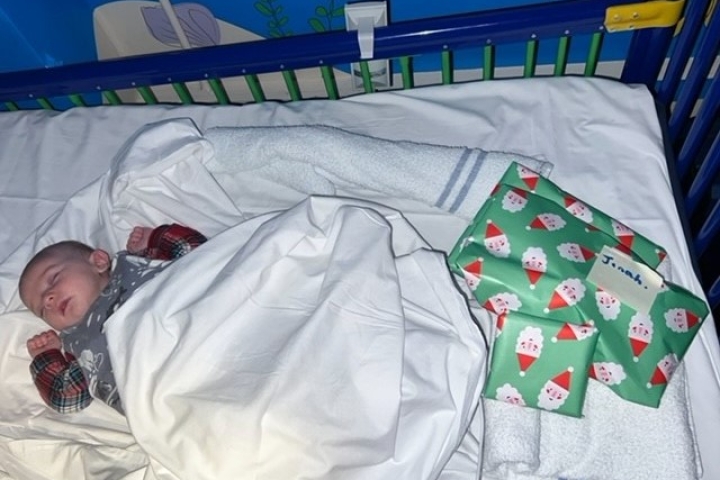
For parents like Amy Clare, from Sutton, the threat of flu is personal. Her five-week-old son, Jonah, became dangerously unwell with the virus during the winter of 2022 and was rushed to Epsom Hospital’s Emergency Department. “When the doctor told us we’d be spending Christmas in hospital, I was devastated. But he was in the best place to get better,” she said.
Amy described how quickly the situation escalated. “The staff immediately knew something wasn’t right and they were with us every step of the way, running tests and checking on Jonah constantly.” Jonah went home the day after Christmas, though he required daily treatment until the New Year. “The care Jonah received saved his life,” Amy said.
Stories like Jonah’s highlight the real risk that flu poses, particularly to young children, older people and those with underlying conditions. With hospitals fearing “deja-flu” as winter approaches, vaccination remains the best line of defence.
Pregnant women are being reminded that the flu jab can be given safely at any stage of pregnancy. It helps protect both mother and baby, reducing the risk of severe illness in the first few months after birth. Despite this, only about one in three pregnant women have taken up the offer in recent years, leaving many without vital protection.
The NHS is continuing to offer the flu vaccine free to people most at risk. This includes everyone aged 65 and over, those under 65 with certain long-term health conditions such as diabetes or heart problems, children aged 2 and 3, all primary school children and some in secondary school (Years 7 to 11). It is also available to residents in care homes, unpaid carers, those living with someone who has a weakened immune system and all frontline health and social care workers.
With warnings that flu season has already begun, health officials are urging the public not to wait. Booking the flu jab now could help ease the strain on hospitals and save lives in the months ahead. As England faces the prospect of another difficult winter, hospitals fear “deja-flu” — but timely vaccination could make all the difference.