A pharmacist caught selling Botox without seeing patients has been suspended for 18 months after a BBC undercover investigation exposed a dangerous black market in injectable cosmetic treatments.
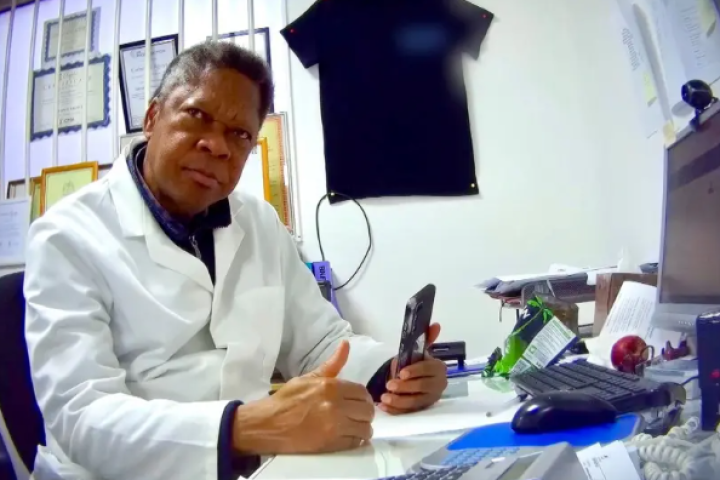
Cornelius Agoye, who operated Pharma Aesthetics London in Rainham, east London, was secretly filmed supplying licensed Botox to a BBC reporter posing as a beautician. He was also recorded explaining how to falsify consultation records to make the sale appear legitimate.
The BBC investigation uncovered several medical professionals breaking the same laws, supplying Botox without conducting mandatory face-to-face consultations. Such consultations are legally required for all prescriptions of botulinum toxin, a drug that can cause serious complications if misused.
Mr Agoye later admitted his conduct had fallen below professional standards and apologised, stating that he had not intended to cause harm. The General Pharmaceutical Council (GPhC) imposed an interim suspension order while a full fitness-to-practise investigation continues.
Botulinum toxin, best known by the brand name Botox, is also sold in the UK under several licensed brands including Azzalure, Bocouture and Dysport. It is a prescription-only medicine that must only be administered after an in-person consultation by a qualified prescriber such as a doctor, dentist, nurse prescriber or pharmacist prescriber.
During the investigation, Mr Agoye was filmed instructing the undercover reporter on how to falsify paperwork, saying she could claim she had already seen the patient. He also explained how beauticians could use a legitimate patient’s prescription to obtain additional vials for use on others, admitting that it was illegal but commonplace in the trade.
The BBC’s wider Botox Black Market investigation revealed similar malpractice among registered professionals across England, including nurses and self-described practitioners selling unlicensed or counterfeit products. Some even offered Botox parties and prescription-only drugs through social media or instant messaging services.
Experts warned that bypassing safety checks removes a crucial medical safeguard and risks exposing patients to harmful or fake products. Incorrect use of Botox can cause drooping eyelids, blurred vision, severe headaches and, in rare cases, respiratory failure or paralysis.
The GPhC said it was “very concerned” by the investigation’s findings but would not comment further while its inquiry was ongoing. The Department of Health and Social Care has said it is considering stricter licensing measures for non-medical injectors in response to growing safety concerns.