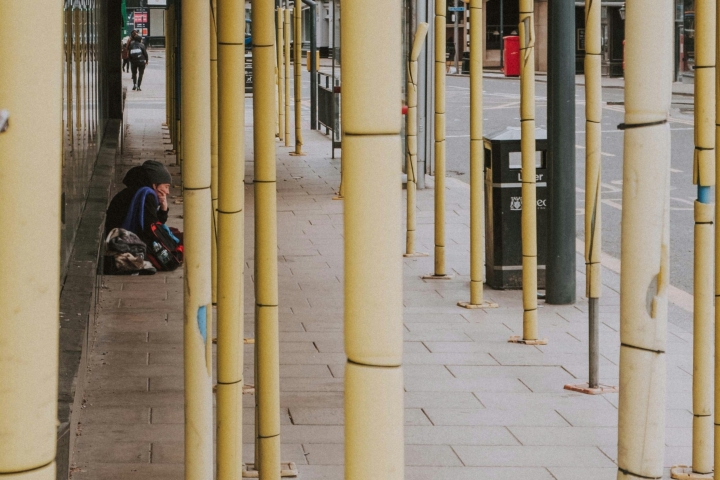
A sustained programme of partnership working has contributed to a reduction in rough sleeping across the borough, with Ealing Council reporting strong results from prevention and outreach activity. A range of initiatives focused on early intervention has helped many people move away from life on the streets, although some face additional barriers that make support more complex.
Ealing Council works closely with local organisations to deliver rough sleeping support in Ealing. During last winter, prevention activity helped almost 70 people avoid sleeping rough, with nearly all remaining off the streets for at least the following three months. This work included the use of rest centres, delivered in collaboration with local services and charities.
As a result of this collective approach, the borough now ranks within the top five council areas nationally for reducing rough sleeping. The council notes, however, that not everyone experiencing street homelessness can be supported through standard routes.
Around one third of people sleeping rough locally are non UK nationals with no recourse to public funds. This status means they are not eligible for publicly funded support and cannot legally work, rent accommodation, or claim benefits. These restrictions significantly limit the options available through rough sleeping support in Ealing.
The borough has one of the highest numbers of people experiencing homelessness with no recourse to public funds in London. Addressing this issue has required long standing collaboration with voluntary and community organisations.
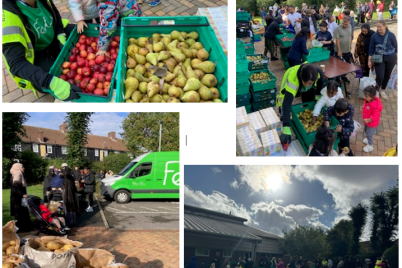
For more than a decade, the council has worked with Hope for Southall Street Homeless. The charity provides tailored advice on homelessness, immigration and healthcare, alongside practical support. Its day centre offers free meals and helps guests stay connected to essential services, promoting continuity of care throughout each person’s circumstances.
Ravi, a regular guest, has lived in the area for 18 years and became homeless three years ago following immigration issues that prevented him from working. He said, “It was a struggle to find work and I eventually became homeless. I was very stressed and became addicted to alcohol. Having personal support prevents me from going back to bad habits. I have now recovered and I can stand on my own 2 feet.”
Another guest, Mehul, has been attending the centre for two years. He said: “It has helped me a lot with whatever I need – like clothes, food, taking a shower, and when I am sick. I feel thankful and appreciative. It’s really nice.”
John Murphy, general secretary of Hope for Southall Street Homeless, highlighted the scale of the challenge. He said: “The level of rough sleeping in Southall is very distressing, and can leave people very vulnerable to poor health and exploitation.
“There is a deep value in our culture to provide sanctuary, and I believe giving people a sense of self-worth and having things to do makes a huge difference, and can help them integrate back into society.”
Seasonal support has also played a role. Since November 2024, winter pressures funding from government has enabled the council to place more than 60 rough sleepers into bed and breakfast accommodation, with 20 moving on into longer term housing. Additional funding from London Councils allowed the provision of hostel accommodation and immigration advice to 26 vulnerable people with no recourse to public funds, supporting progress towards legal status and more stable housing.
Councillor Louise Brett, deputy leader of the council and cabinet member for safe and genuinely affordable homes, recently visited Hope for Southall Street Homeless. She said: “No one should face the cold alone. Our council officers work tirelessly to connect local people in need with safe shelter and support. Together with the incredible work of Hope for Southall Street Homeless and other local charities, we want to create a future where everyone has a place to call home.”