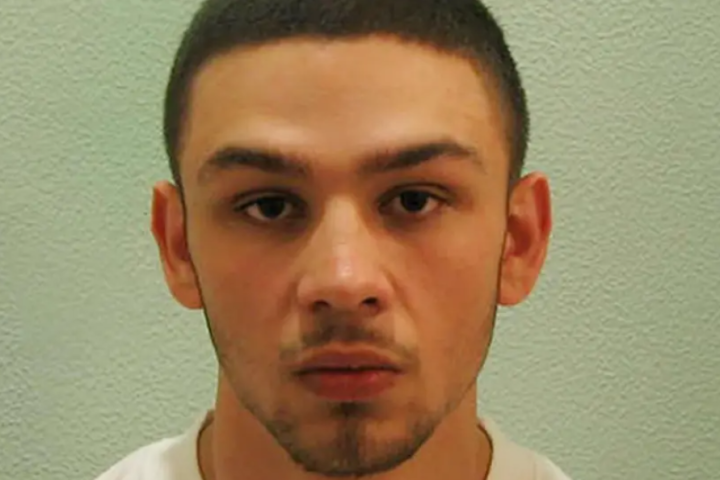
A killer who secretly produced rap music about murdering a teenager should be transferred to open prison, according to the Parole Board.
Jake Fahri was 19 when he was sentenced to life imprisonment in 2009 for the murder of schoolboy Jimmy Mizen. He received a minimum term of 14 years.
The killing took place on 10 May 2008 inside Three Cooks Bakery in Lee, south London. Fahri threw an oven dish at 16 year old Jimmy Mizen. The dish shattered and severed blood vessels in Jimmy’s neck, causing his death.
Fahri was released on licence in June 2023. He was recalled to custody in January 2025 after the Ministry of Justice said the Sun newspaper was preparing to publish claims that he was producing drill music containing references to the murder.
It was alleged by a major tabloid newspaper that Fahri was performing as the masked drill artist TEN, who had been featured on BBC 1Xtra. It reported that one of the tracks, available on Spotify and YouTube, appeared to refer to Jimmy Mizen’s death.
A Parole Board decision summary recorded that Fahri told the panel the music “was all about his own life”. The document noted that after his recall he accepted that he was the artist known as TEN in the videos.
The panel stated: “The panel was not persuaded that he had provided an open and honest account of his music and that his failure to disclose the music work to his probation officer had been a breach of his licence.”
Fahri argued that he was unaware of the licence restrictions and said the breach occurred because he had not been informed of them. The panel rejected this explanation, citing evidence provided by his probation officer.
At a hearing on 16 December, Fahri and professional witnesses supported his re-release from prison. The proposal was opposed by the Justice Secretary, and the Parole Board was not satisfied that immediate release would be safe for the protection of the public.
In its assessment of the Jake Fahri Parole Board decision, the panel concluded that further work was required. It said: “The panel determined that Mr Fahri needed to reflect on his attitude, thinking and behaviour, so that he could better understand himself, including why he failed to be open and honest with the professionals managing his case.
“It considered that this could be achieved in an open prison and recommended that Mr Fahri should be progressed in this way.”
Open prisons operate with minimal security and allow eligible prisoners to spend much of their day outside custody on licence, including for work or education.
The final outcome of the Jake Fahri Parole Board decision will be determined by Justice Secretary David Lammy, who will decide whether to accept the recommendation.