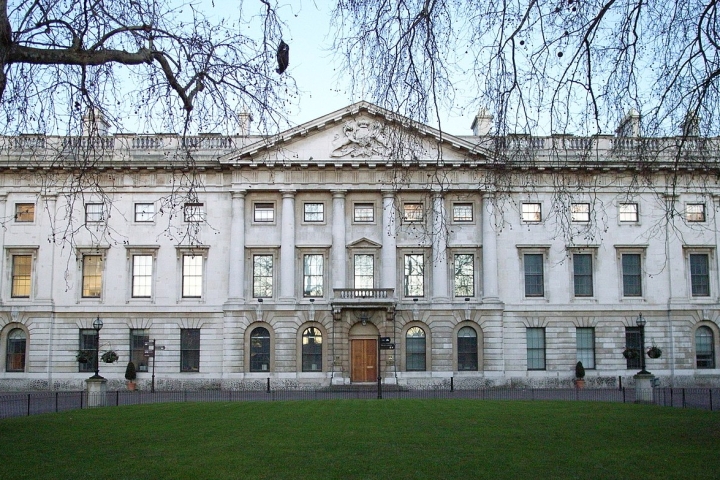
The UK government has granted approval for the construction of a new Chinese embassy in London, which will become the largest in Europe at 20,000 square metres. The development, planned for Royal Mint Court opposite the Tower of London, had previously faced repeated delays due to security concerns and local opposition.
The land for the project was originally purchased by China in 2018 for £255 million under the former Conservative government. Tower Hamlets council rejected the embassy plans in 2022, but the application was resubmitted in 2024 after the Labour government took office.
In a statement, Secretary of State for Housing, Communities and Local Government, Steve Reed, confirmed that all relevant considerations had been taken into account and that the decision was final unless successfully challenged in court. He said: “All material considerations were taken into account when making this decision. The decision is now final unless it is successfully challenged in court.”
Government sources emphasised that intelligence agencies had been involved throughout the approval process, and that a range of measures had been developed to mitigate any potential security risks. A spokesperson added that the consolidation of China’s seven current embassy sites in London into a single location offered “clear security advantages”.
The decision comes amid wider efforts by the Keir Starmer government to balance national security concerns with ambitions to strengthen economic ties with China. The prime minister is expected to visit Beijing in the coming weeks, a trip that would mark the first visit by a British prime minister since Theresa May.
Opposition figures criticised the decision. Shadow Home Secretary Chris Philp argued that it demonstrated a willingness to prioritise diplomatic convenience over national security, saying: “The Labour government should grow a backbone and reverse this decision for the sake of our national interest.”
Officials stressed that the planning approval was granted independently by the Secretary of State for Housing, following a process that began in 2018 when formal diplomatic consent was provided by the Foreign Secretary. The government described the construction of embassies as a normal feature of international relations.