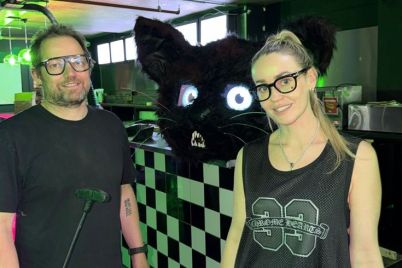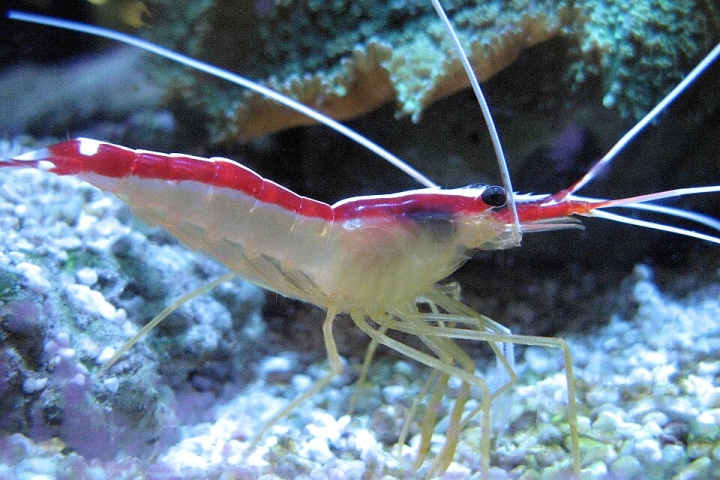
A University of Reading philosopher is to spend a year researching the inner lives and welfare of shrimp, funded by a grant of £53,256 from Shrimp Welfare Project, a registered charity focused on science-based welfare improvements to shrimp farming worldwide.
Dr Walter Veit, Lecturer in Philosophy, will draw on research in neuroscience, animal behaviour and philosophy to build a picture of what shrimp experience and how farming practices affect welfare.
The project aims to produce a book, provisionally titled Armoured Minds: The Surprising Mental Lives of Shrimp, written for the public. It will examine welfare concerns in shrimp farming, including crowding, slaughter methods and a hatchery practice known as eyestalk ablation, in which one or both of a mother shrimp’s eyestalks are removed to increase spawning and reproduction.
Around 440 billion shrimp are farmed globally each year, yet relatively little research has examined what they experience or how farming conditions affect them. The project also considers recent UK legislation that recognised crabs, lobsters and shrimp as sentient animals capable of feeling pain.
Dr Walter Veit said: “Most people have never thought about what life is like for a shrimp. This book is an attempt to take that question seriously, looking at the science of how shrimp think, feel and respond to their environment. When you start to learn about these animals, it changes how you see them. I found that out for myself, and the science backs it up. The question now is what that means for the way we farm them.”
Robin Goist, Director of Communications at Shrimp Welfare Project, said: “Shrimp are among the most numerously farmed animals on the planet, and Dr Veit’s book is a rare opportunity for the broader public to consider these fascinating – yet often overlooked – creatures. At Shrimp Welfare Project, we support the shrimp farming industry’s transition to higher welfare through practical, evidence-based improvements, and we’ve seen how progress happens when researchers, NGOs, and corporates learn from each other. Understanding what these animals perceive can help inform higher-welfare standards and practices across global shrimp supply chains.”
The project runs from February 2026 to February 2027 with a publication date for the book anticipated for 2028.
Learn more about and donate to Walter Veit’s animal welfare research at the University of Reading here: Animal Welfare Research – Dr Walter Veit