A north London primary school has launched an appeal to restore its deteriorating wildlife pond, warning that a vital outdoor learning space could be lost without urgent repairs.
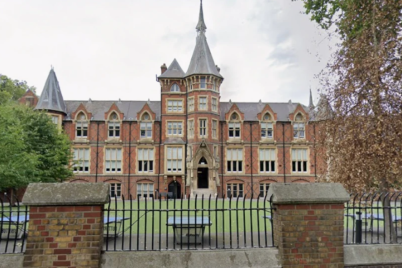
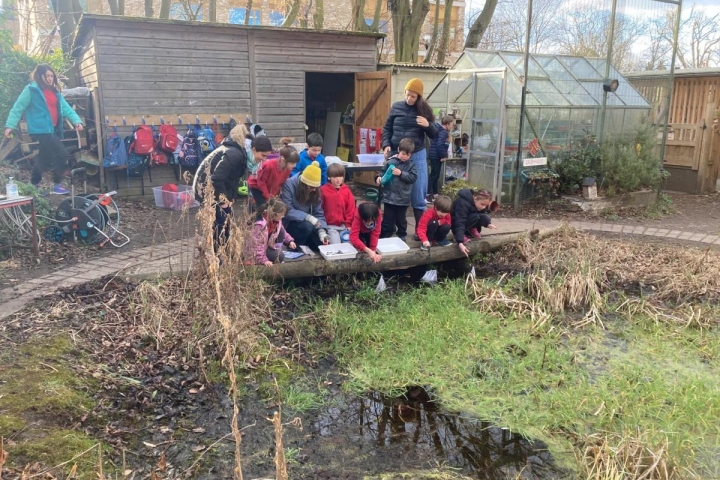
Tufnell Park Primary School in Islington has relied on its pond for more than 25 years as a hub for hands-on science and nature education. The site, which is officially designated a Site of Importance for Nature Conservation, has helped generations of pupils learn about local ecology through activities such as observing tadpoles and identifying pond life.
However, the pond is now leaking, and the wooden platform used for pond-dipping and wildlife observation is collapsing, making it unsafe for children to use. The school said the damage has already affected wildlife: last spring, it lost all its tadpoles because the water level fell too low to sustain them.
Natalie Hitchcock, the school’s volunteer pond garden coordinator, said that without repairs this winter, another breeding season will be lost. “If we can’t restore the pond, we won’t see newts, frogs, or toads return in the spring,” she said. “That means no tadpoles — and no meaningful pond-based learning for our pupils. The impact reaches beyond the children; the entire ecosystem that depends on this small space is under threat.”
The school has partnered with national conservation charity Froglife to raise funds for the project and has produced a short video explaining its importance to the school and wider community. The campaign has so far secured £4,500 in materials through grants but still needs an additional £5,000 to cover the cost of professional restoration and installation.
The appeal is aimed at local residents, community groups, and businesses who may be able to support the restoration effort. Hitchcock said that with proper maintenance, the pond could serve as a sustainable nature resource for decades to come.
Headteacher Martin Scarborough described the pond as one of the school’s most valuable learning environments. “This pond offers our pupils a rare opportunity to experience real curiosity and connection with the natural world — something that’s increasingly hard to find in an inner-city setting,” he said.
“As our school continues to grow and welcomes more children, outdoor learning like this will become even more important. It supports wellbeing, environmental awareness, and a sense of calm in a busy urban environment.”
Tufnell Park Primary, which could eventually accommodate up to 600 pupils, integrates its wildlife garden and pond into lessons across the curriculum. Teachers use it to teach science topics such as habitats, life cycles, and ecosystems, as well as to foster creativity and mindfulness.
The restoration work will involve relining the pond to prevent leaks, rebuilding the platform, and replanting the surrounding habitat to encourage native species. The school also plans to improve accessibility so that all children, including those with mobility challenges, can take part in outdoor activities.
Scarborough said the campaign is about more than just a physical repair. “This is an investment in the wellbeing and education of every child in our community,” he said. “It’s about preserving something that inspires curiosity and care for the natural world — values that last long after the school day ends.”
The fundraising campaign remains open, and the school hopes to complete the restoration before spring 2026 to ensure the pond is ready for the next breeding season.
Residents and organisations interested in supporting the project can donate directly through the school’s campaign page or contact the school office for details.
Anyone who wishes to donate can go to superkind.org/campaign/tufnell-park-primary-school-parent-teachers-association-tufnell-park-primary-pond-restoration