An independent safeguarding review has concluded that a high performing secondary school in east London fostered a disciplinary environment that was particularly damaging for some vulnerable pupils.
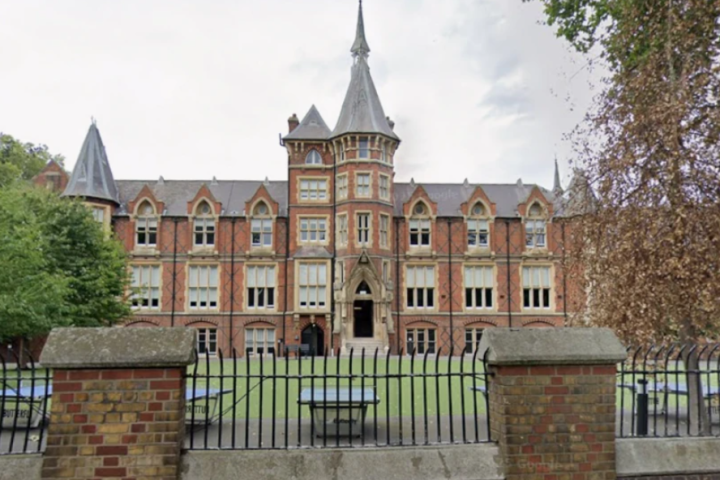
The review focused on Mossbourne Victoria Park Academy, part of the Hackney based Mossbourne Federation, and found evidence of shouting, public humiliation and insufficient support for pupils with special educational needs. Despite strong academic results, the review said the school’s approach to behaviour caused significant harm to a minority of children.
The Mossbourne safeguarding review was commissioned following concerns raised by parents, staff and external professionals. It examined 73 individual accounts alongside wider testimony and documentation.
Authored by Sir Alan Wood, the report stated that Mossbourne Victoria Park Academy had achieved success “at too high a cost for some pupils”. It said the school’s behaviour system was rigid and inflexible, with compliance and control prioritised over pupil wellbeing.
The review found that concerns raised by parents or staff were at times dismissed as “vexatious”. Governors were criticised for failing to properly scrutinise behaviour policies or monitor sanction data.
Several specific practices were highlighted. These included routine shouting at pupils, the use of so called “desking” where children were placed at corridor desks for minor infractions, and sanctions imposed on pupils with special educational needs and disabilities for behaviours linked to their conditions. The report also found that some groups, including pupils with Send and certain ethnic groups, were disproportionately sanctioned without evidence this was being monitored.
Mental health professionals told the review that the culture at Mossbourne Victoria Park Academy could worsen anxiety and other conditions. Some former pupils reported lasting effects, including distress and loss of confidence linked directly to their school experiences.
Sir Alan described the findings as revealing a paradox of “success, but not for all”. While many pupils thrived academically, others experienced serious harm.
“Academic excellence that traumatises some pupils is not true excellence,” he wrote.
“Discipline through fear is not preparing young people for life as confident, independent adults.”
Parents described difficulty getting concerns acknowledged, with some reporting unanswered emails and calls. The complaints process was described by some as a defensive mechanism that protected the school rather than pupils.
Staff testimonies referred to a “climate of fear” and pressure to reprimand pupils publicly. One anonymous teacher told the review: “This term, ‘healthy fear,’ was explicitly used as the title of training sessions provided to staff, where we were instructed on methods to ensure that children remained intimidated.”
A former pupil said: “During Year 9 I started to self-harm because the teachers made me feel as though I didn’t deserve to live because of my grades.”
Jim Gamble, chair of the City & Hackney Safeguarding Children Partnership, said the Mossbourne safeguarding review exposed cultural and leadership failures.
“You cannot hide that type of behaviour behind academic excellence,” he said.
He added that students from ethnic minority backgrounds were “around twice as likely to receive a sanction” and said governors should have been aware of this disparity.
“What we’ve identified here is a small but significant minority of children who are going to a school where the balance is wrong,” he said.
The Mossbourne Federation said it was reviewing the findings carefully and reiterated its commitment to pupil outcomes.
“We are committed to doing everything in its power to ensure the best outcomes for every child who attends its schools,” it said.
Hackney Council said the report marked a critical moment and that it would consider how to strengthen support for its local education offer. The Department for Education said the findings were “serious and deeply concerning” and confirmed it would continue to engage with the trust to ensure necessary changes are implemented.