Scientists in Reading are set to shine a light on their work using animals in research helps to fight diseases all over the world.
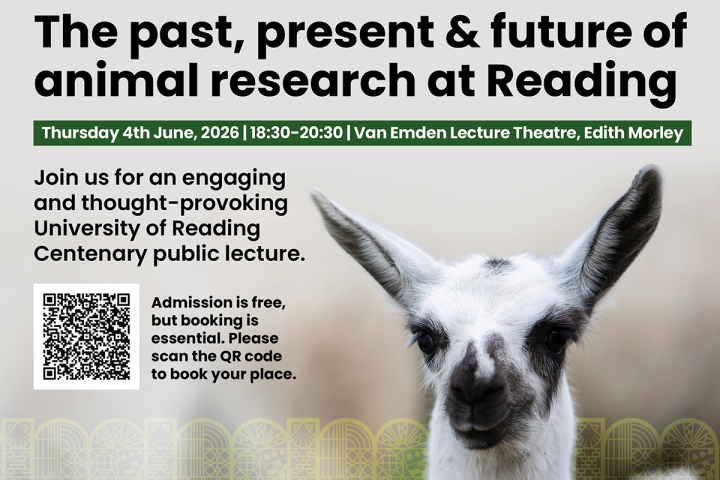
A public lecture exploring ‘The past, present and future of animal research at Reading’ will take place at Whiteknights campus on Thursday, 4 June. Funded by the University of Reading Centenary Project Grant Scheme, the lecture will explore key breakthroughs achieved by Reading researchers over the past 100 years, their real-world impacts, and how the University is building legacies for ethical and transparent animal research in the century ahead.
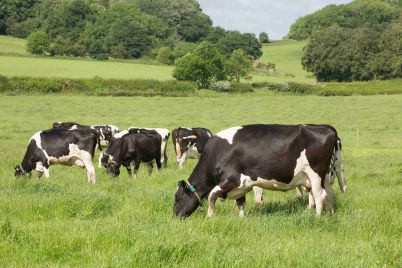
Research carried out at Reading involving animals has included working with cows to develop bovine TB vaccines, llama antibodies to find new human therapies, rats and mice to pioneer cannabis-derived epilepsy medicines, and zebrafish to test new heart disease drugs.
Andrew Cripps, technical head of the University of Reading’s Bioresource Unit, said: “Animal research has helped develop life-saving medicines used by millions of people every day, including antibiotics, vaccines and cancer treatments.
“In the UK, it is illegal to use animals for research if other methods are possible, and we make every effort to minimise animal use while being open about the role it plays in our work. This event is a chance for people to see how we work, and hear directly from the researchers involved.
“Anyone who cares about animal welfare will want to know how research animals are cared for and understand more about how and why they are used in experiments. We do everything we can to prevent suffering, but it’s also true that thousands of animals are raised purely for animal research every year which presents important ethical, legal and practical questions. We welcome open discussion and debate on these topics and look forward to discussing them.”
Through biomedical research at Reading, researchers seek to determine the causes of some of the most pressing 21st-century healthcare problems that affect society. Among other examples, these include cardiovascular disease, diabetes, epilepsy, Alzheimer’s disease, different forms of cancer, and bacterial or viral infections. Regulated animal research is also used to support changes to animal welfare in farming, and to find ways to reduce the environmental impact of livestock farming, such as reducing the methane emissions from dairy cows.
One example of this work involves Fifi, a llama housed at the University of Reading. Scientists injected Fifi with part of the Covid-19 spike protein and extracted the tiny antibodies her immune system produced in response. These nanobodies, which are simpler and cheaper to produce than human antibodies, were able to neutralise the virus in laboratory tests and significantly reduced disease in infected animals. Public Health England described the findings as having significant potential for both the prevention and treatment of Covid-19.
Sign up now
The lecture will include the first showing of a new film giving a behind-the-scenes look inside some of the University of Reading’s animal research facilities, showcasing day-to-day operations and the work of its technical staff and scientists.
This will be followed by talks from Professor Gary Stephens, a pharmacologist at the University from Reading, who was involved in pioneering llama antibody research, and John Meredith, Head of Education and Outreach at Understanding Animal Research.
Admission is free, but booking is essential. Sign up now: ‘The past, present and future of animal research at Reading’