
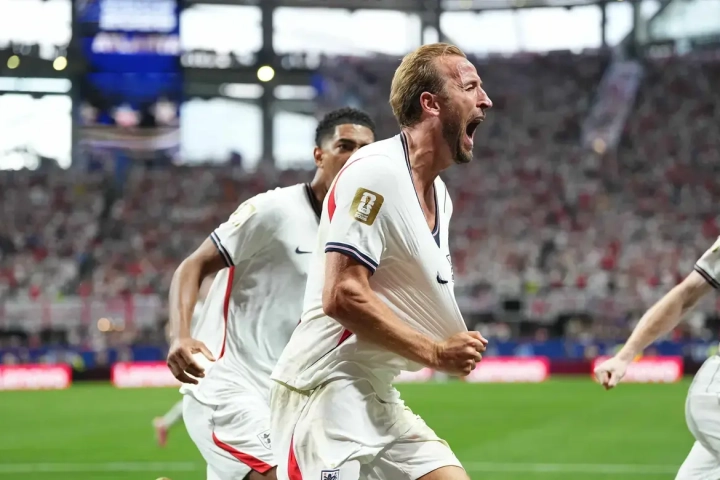
A Tense Evening in Georgia
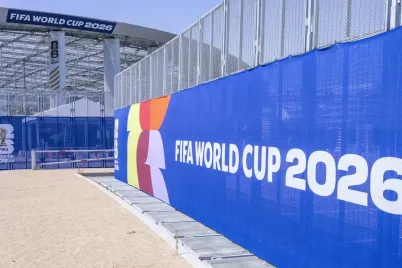
The sweltering afternoon heat radiating through the spectacular Atlanta Stadium provided a demanding physical environment for a highly anticipated FIFA World Cup 2026 Round of 32 fixture. Kicking off at exactly 17:00 BST on Wednesday, 1 July 2026, Thomas Tuchel’s England faced an exceptionally motivated DR Congo side. Widely considered overwhelming favourites to progress, the European heavyweights were forced to navigate a profoundly uncomfortable encounter. For over an hour, the African nation dared to dream of executing a monumental upset, stubbornly protecting a shock early lead. Ultimately, the unparalleled finishing ability of captain Harry Kane proved to be the decisive differentiating factor, as his late double secured a hard-fought 2-1 victory.
This dramatic result ensures the Three Lions safely advance to the Round of 16, keeping their ultimate tournament aspirations alive. For Sébastien Desabre’s DR Congo, the devastating late collapse marks a cruel and heartbreaking conclusion to a historic campaign. Participating in their first-ever World Cup knockout match, the Leopards pushed their illustrious opponents to the absolute limit, departing the global stage with their heads held extremely high and their international reputation significantly enhanced.
Tactical Blueprints and Early Surprises
Heading into the contest, the overarching tactical battle lines were clearly drawn. Tuchel deployed his side in a fluid 4-2-3-1 formation, instructing his players to seize immediate control of the territorial battle. Elliot Anderson, who led all English players in line-breaking passes and duels won during the group stages, partnered Declan Rice in the midfield engine room. Further forward, Jude Bellingham was tasked with orchestrating proceedings behind Kane, supported by the wide attacking threats of Marcus Rashford and Noni Madueke.
Conversely, Desabre set up his DR Congo team in a robust 4-3-3 structure, purposefully designed to absorb sustained pressure and launch rapid, vertical counter-attacks. Axel Tuanzebe and Chancel Mbemba formed a formidable central defensive partnership, while Yoane Wissa and Brian Cipenga offered dangerous outlets in the attacking transition.
The match commenced with an entirely unexpected shock that completely disrupted the pre-match predictions. Despite England dominating the initial possession statistics, it was the underdogs who ruthlessly struck first. Following a swift turnover in the seventh minute, DR Congo transitioned aggressively down the pitch. Exploiting momentary disorganisation within the English defensive line, the ball fell perfectly into the path of Cipenga. The winger, who had thoroughly impressed during the group stages, demonstrated remarkable composure to slot a precise finish past goalkeeper Jordan Pickford. The early breakthrough stunned the travelling European supporters and instantly altered the entire complexion of the knockout tie.
Frustration, Discipline, and VAR Drama
Finding themselves trailing so early in the match, the 1966 champions were forced into a prolonged period of frantic, occasionally disjointed attacking play. Attempting to penetrate a heavily congested central midfield, Tuchel’s men frequently encountered an impenetrable wall of blue shirts. The mounting frustration became increasingly palpable and swiftly manifested into disciplinary issues. In the 19th minute, Jude Bellingham received a yellow card for a poorly timed, cynical challenge, highlighting the growing apprehension spreading throughout the squad.
The physical intensity of the midfield battle escalated as the first half progressed. DR Congo’s Noah Sadiki was rightfully cautioned in the 28th minute after executing a robust tackle on Elliot Anderson, further underscoring the combative nature of the encounter. Despite maintaining a massive advantage in overall possession, the Three Lions struggled to fashion clear-cut scoring opportunities.
As the half drew to a close, a significant moment of controversy momentarily halted proceedings. In the 43rd minute, a major Video Assistant Referee (VAR) intervention took place to review a contentious incident within the penalty area involving the English attackers. Following a meticulous examination of the available replay angles, the officials ultimately decided against awarding a penalty, allowing the African side to breathe a collective sigh of relief. Goalkeeper Lionel Mpasi remained an assured, commanding presence, securely dealing with a series of crosses to ensure his nation entered the dressing room holding a precious 1-0 advantage.
Tuchel’s Crucial Substitutions
Recognising the urgent necessity for a profound tactical intervention, Tuchel delivered an impassioned team talk during the interval. However, the opening fifteen minutes of the second half closely mirrored the tactical stagnation of the first period. England continued to circulate the ball methodically without genuinely threatening to unpick the formidable Congolese lock. The wide areas, heavily marshalled by Aaron Wan-Bissaka and Arthur Masuaku, offered very little space for Madueke and Rashford to operate.
Sensing that their World Cup aspirations were slowly slipping away, the German tactician initiated a decisive, game-changing double substitution on the hour mark. Anthony Gordon and Bukayo Saka were introduced into the fray, immediately replacing the ineffective duo of Rashford and Madueke. This bold alteration injected an instantaneous surge of directness, blistering pace, and unpredictable movement into the final third.
Desabre responded three minutes later, withdrawing Nathanaël Mbuku for Meschack Elia in a pragmatic attempt to inject fresh energy into his tiring midfield. Undeterred, Tuchel doubled down on his offensive strategy, bringing on Eberechi Eze for defender Djed Spence in the 70th minute, shifting to a highly aggressive, attack-minded formation.
Kane Delivers When It Matters Most
The relentless, suffocating pressure generated by the freshly introduced substitutes finally yielded a tangible reward. In the 75th minute, the persistent defensive resistance of DR Congo was definitively broken. Capitalising on a momentary lapse in concentration, the English attack engineered a dangerous opening. Harry Kane, who had experienced a relatively quiet afternoon up to that point, demonstrated exactly why he is widely considered one of the most lethal strikers in world football. Positioning himself expertly inside the penalty area, the Bayern Munich forward executed a clinical finish to level the scoreline.
Simultaneously, Desabre frantically turned to his bench, introducing Edo Kayembe for Ngal’ayel Mukau and Théo Bongonda for goalscorer Cipenga in the 75th minute, desperately attempting to restore midfield control and weather the ensuing storm.
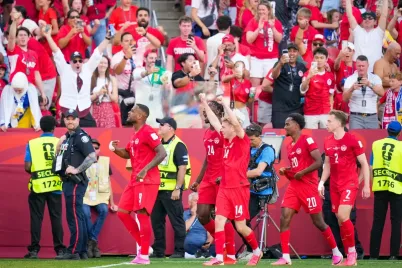
The psychological momentum had now entirely shifted in favour of the European heavyweights. Driven forward by the electric pace of Gordon and Saka, England relentlessly besieged the Congolese penalty area. With four minutes of normal time remaining, the defining moment of the fixture arrived. In the 86th minute, another fluid attacking move successfully dismantled the exhausted African defence. Kane found himself perfectly positioned to latch onto a precise delivery, making absolutely no mistake as he powered his second goal of the evening past a helpless Mpasi.
This spectacular late winner carried profound historical significance, elevating Kane’s overall World Cup tally to thirteen goals and further cementing his legendary status.
Late Game Management and Tournament Implications
Desperately seeking a miraculous late equaliser, DR Congo threw caution to the wind. Joris Kayembe and Fiston Mayele were brought on for Masuaku and Samuel Moutoussamy in the 88th minute in a final roll of the dice. Conversely, Tuchel opted for absolute defensive solidity, replacing Rice with John Stones in the 90th minute to safely navigate the closing stages. The English defence, anchored by Ezri Konsa and Marc Guéhi, expertly managed the remaining stoppage time, repelling a series of hopeful long balls to secure a dramatic, come-from-behind victory.
When analysing the underlying statistical context, the 2-1 triumph provides a fair reflection of sustained territorial dominance, despite the initial scare. Controlling the vast majority of possession and significantly out-passing their opponents, the victors eventually made their undeniable quality count. Harry Kane was universally praised for his exceptional, match-winning brace, deservingly claiming the Player of the Match accolade for rescuing his nation from the brink of elimination.
This hard-fought victory guarantees a safe passage to the Round of 16, extending Tuchel’s impressive unbeaten streak in competitive international fixtures. Having narrowly survived an enormous scare, the squad must swiftly address their alarming defensive frailties and prolonged periods of attacking stagnation. They will now embark on a highly anticipated journey to the formidable Estadio Azteca, where they will face the incredibly dangerous tournament co-hosts, Mexico.
For DR Congo, the heartbreak of the late defeat will eventually subside, replaced by an immense sense of national pride. They depart North America having provided one of the most compelling narratives of the 2026 World Cup, proving they can genuinely compete with the very best teams on the planet.
Official Match Facts
| Area | Match Detail |
| Competition | FIFA World Cup 2026 – Round of 32 |
| Venue | Atlanta Stadium, Georgia, United States |
| Date | Wednesday, 1 July 2026 |
| Kick-off Time | 17:00 BST |
| Final Score | England 2 – 1 DR Congo |
Goalscorers:
DR Congo: Brian Cipenga (7′)
England: Harry Kane (75′, 86′)
Discipline:
England: Jude Bellingham (Yellow Card, 19′)
DR Congo: Noah Sadiki (Yellow Card, 28′)
Key Match Events:
43′ – VAR Intervention: Review for a potential penalty/foul for England; no penalty awarded.