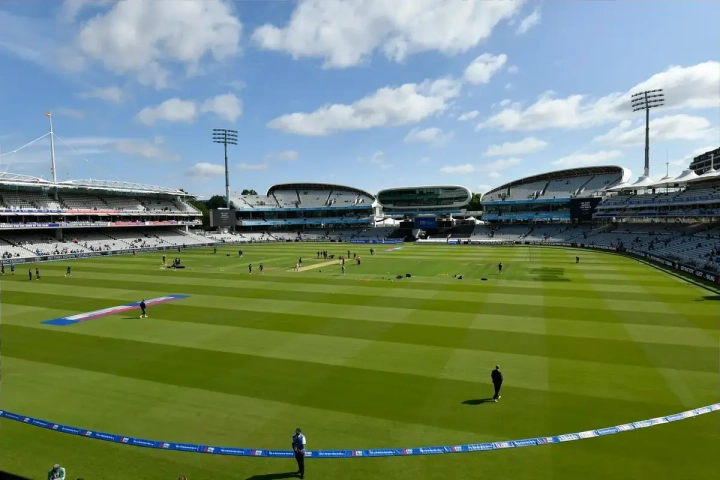
Under the historic and fading evening light of Lord’s in St John’s Wood, the Men’s Competition of The Hundred delivered an explosive and highly entertaining spectacle on Sunday, 9 August 2026. Commencing precisely at 18:00 BST, a revitalised London Spirit outfit delivered a destructive batting display to secure a comprehensive seven-wicket victory over the visiting Birmingham Phoenix. Chasing a highly competitive target of 163, the home side completely overwhelmed the opposition, surging across the finishing line with a comfortable 18 deliveries to spare. The emphatic result ultimately condemned the West Midlands franchise to their sixth defeat in seven matches, leaving them rooted to the foot of the league table, whilst offering a desperately needed glimmer of pride and momentum for the hosts in a battle between the competition’s bottom two sides.
The Toss and Strategic Parameters
The deeply influential tactical parameters for this crucial fixture were established at the coin toss. Evaluating a pristine batting surface in the capital, London Spirit captain Liam Livingstone called correctly and unhesitatingly elected to bowl first. Guided by head coach Andy Flower, the home leadership group identified an opportunity to apply early scoreboard pressure and dictate the tempo of the evening. Opposite number Donovan Ferreira, leading the Birmingham Phoenix under the watchful eye of head coach Shane Bond, accepted the challenge. The visiting captain implicitly trusted his opening batters to navigate the initial seam movement and establish a commanding platform during the fielding restrictions of the crucial 25-ball powerplay.
Phoenix’s Early Struggles
Tasked with setting a formidable target, the Birmingham Phoenix batting order immediately encountered a highly disciplined and heavily restrictive home bowling unit. The visitors suffered a deeply concerning early setback when Mitchell Owen, attempting to assert dominance against the new ball, was clean bowled by the raw pace of New Zealand international Adam Milne for a solitary six runs. The profound difficulties continued to mount as the newly installed Joe Weatherley struggled immensely to find his timing or rhythm. Weatherley managed a painstaking six from 14 deliveries before chipping a simple catch to Lhuan-dre Pretorius off the leg-spin of Mason Crane. When Laurie Evans was sharply stumped by wicketkeeper Jonny Bairstow off the bowling of James Coles for a rapid but brief seven from five balls, the Phoenix found themselves precariously positioned at 46 for three, their top order completely dismantled and their game plan entirely compromised.
Clarke’s Defining Resistance
Amidst the steady, deeply alarming fall of wickets, Joe Clarke emerged as the solitary, defining pillar of resistance for the visitors. The prolific run-scorer, firmly established as Phoenix’s leading batter and the second-highest overall in the tournament, displayed immense technical fortitude and heavily calculated aggression. Refusing to allow the opposition spinners to settle into a comfortable rhythm, Clarke brutally punished anything marginally loose. He brilliantly manipulated the field placements, compiling a majestic, momentum-shifting 73 from merely 42 deliveries. His heavily praised knock, which featured four crisp boundaries and five towering maximums at a strike rate of 173.81, provided the absolute bedrock of the first innings and single-handedly prevented a complete, embarrassing capitulation.
Dickson’s Support and The Closing Sets
Clarke eventually found a highly willing and capable partner in Sean Dickson following the 90-second strategic timeout. The pair embarked upon a breathtaking, unyielding counter-attack, constructing a phenomenal 92-run partnership in just 47 balls. Dickson perfectly complemented Clarke’s aggression, showcasing his own formidable power-hitting capabilities. The middle-order batter compiled a superb, unbeaten 51 from 28 deliveries, finding the boundary ropes on four occasions and launching three massive sixes. Clarke was eventually dismissed in the dying stages of the innings, safely caught by Livingstone off the young speedster Henry Crocombe, who made a vital impact in his fleeting five-ball allocation. A late, violent flourish from captain Ferreira, who blasted an unbeaten 14 from merely five balls, propelled Birmingham Phoenix to a seemingly competitive 162 for four from their allotted 100 balls. The Spirit spinners, Coles (one for 25) and Crane (one for 26), proved highly effective in restricting the middle sets.
The London Spirit Run Chase
Defending a substantial total of 163 necessitated an absolutely flawless, highly aggressive start from the Birmingham Phoenix bowling attack. They desperately required immediate, consecutive breakthroughs to artificially inflate the required run rate. The run chase commenced in an explosive, entirely chaotic fashion. Jonny Bairstow signalled his unapologetic intent from the very first delivery, launching a massive six followed immediately by a boundary. However, his stay was incredibly brief; the veteran England international was comprehensively bowled by Saqib Mahmood on the third ball of the innings for 10. The highly talented Pretorius attempted to maintain the towering run rate, striking three crisp fours in a rapid 16 from 11 balls, but he was safely caught by Weatherley off the bowling of Jordan Thompson, leaving the hosts delicately poised at 43 for two.
The Livingstone and Brevis Masterclass
Following the departure of the openers, captain Liam Livingstone strode to the crease against his former franchise and seamlessly assumed absolute control of the narrative. Operating in tandem with the prodigious Dewald Brevis, the pair unleashed a terrifying, unyielding assault upon the visiting seamers. Livingstone delivered a genuine masterclass in elite power-hitting, treating the Lord’s crowd to a spectacular exhibition of brute force. The Spirit skipper brought up a phenomenal half-century in a mere 21 deliveries, completely demoralising the opposition. His breathtaking, Player of the Match-winning knock of 66 from 30 balls featured seven boundaries and four colossal sixes, including an astonishing 104-metre strike that vanished deep into the stands.
At the opposite end, Brevis bypassed the fielders by dealing predominantly in maximums. The South African powerhouse, renowned for hitting more sixes than fours in white-ball cricket, compiled a menacing, unbeaten 55 from 31 deliveries. He effortlessly clubbed five boundaries and three massive sixes, perfectly pacing the run chase and entirely nullifying the scoreboard pressure. Together, Livingstone and Brevis constructed a match-defining, unbroken century partnership that consumed merely 46 balls, brutally dismantling the required run rate and taking the game entirely away from the visitors.
Tariq’s Lone Resistance and the Finish
Despite the absolute carnage unfolding at the crease, the visitors found an unexpected source of highly disciplined resistance in Usman Tariq. The mystery spinner delivered an exceptional, deeply commendable spell of bowling amidst the overarching destruction. Tariq completely bamboozled the batters, conceding a mere 13 runs from his maximum allocation of 20 balls. His microscopic economy rate of 0.65 runs per ball momentarily delayed the inevitable, but the complete lack of support from the surrounding pace attack rendered his valiant efforts largely cosmetic. Mahmood (one for 42) and Tom Helm (one for 31) suffered heavily at the hands of the Spirit batters. Livingstone eventually fell to Helm, safely caught by Dickson, but the fundamental damage had already been heavily inflicted. James Coles joined Brevis to smoothly navigate the final few deliveries, guiding London Spirit across the finishing line with absolute authority. The hosts comfortably reached 166 for three, completing the comprehensive seven-wicket victory on the 82nd delivery of the innings.
Tournament Implications
The far-reaching ramifications of this deeply consequential fixture are genuinely profound for both franchises. For Andy Flower and his London Spirit squad, this commanding, heavily destructive victory serves as a powerful, morale-boosting statement. Securing their vital second win of the summer campaign, they have successfully dragged themselves away from the very bottom of the fiercely contested league table, offering a glimmer of hope and salvaged pride for their passionate supporters. Conversely, the severely demoralising, heavy nature of this defeat confirms a truly disastrous season for the West Midlands franchise. Rooted firmly to the foot of the standings with a deeply concerning record of one solitary victory and six damaging defeats, Ferreira and Bond must rapidly search for profound tactical answers. Their recurring inability to support key batters and restrict high-calibre opposition has cost them incredibly dearly, leaving their tournament aspirations completely extinguished.
Abbreviated Match Scorecard
Birmingham Phoenix Men – 162/4 (100 balls)
| Batter | Performance | Strike Rate |
| Joe Clarke | 73 runs (42 balls, 4×4, 5×6) | 173.81 |
| Sean Dickson | 51 not out (28 balls, 4×4, 3×6) | 182.14 |
| Donovan Ferreira | 14 not out (5 balls, 1×4, 1×6) | 280.00 |
| Laurie Evans | 7 runs (5 balls, 1×4, 0x6) | 140.00 |
London Spirit Men Bowling (Selected)
| Bowler | Figures (Wickets-Runs) | Economy (RPB) |
| Henry Crocombe | 1-8 (5 balls) | 1.60 |
| James Coles | 1-25 (20 balls) | 1.25 |
| Mason Crane | 1-26 (20 balls) | 1.30 |
| Adam Milne | 1-36 (20 balls) | 1.80 |
London Spirit Men – 166/3 (82 balls)
| Batter | Performance | Strike Rate |
| Liam Livingstone | 66 runs (30 balls, 7×4, 4×6) | 220.00 |
| Dewald Brevis | 55 not out (31 balls, 5×4, 3×6) | 177.42 |
| Lhuan-dre Pretorius | 16 runs (11 balls, 3×4, 0x6) | 145.45 |
| Jonny Bairstow | 10 runs (3 balls, 1×4, 1×6) | 333.33 |
Birmingham Phoenix Men Bowling (Selected)
| Bowler | Figures (Wickets-Runs) | Economy (RPB) |
| Usman Tariq | 0-13 (20 balls) | 0.65 |
| Jordan Thompson | 1-24 (10 balls) | 2.40 |
| Tom Helm | 1-31 (15 balls) | 2.07 |
| Saqib Mahmood | 1-42 (15 balls) | 2.80 |