Ahead of John Healey’s first Budget tomorrow, Stuart Masson, Editorial Director of The Car Expert, says the Labour government has a real opportunity to listen to Britain’s motorists and ease the cost of driving – and of switching to electric:
“With almost 35 million cars on UK roads, and more than two million of them now zero emission, motorists are one of the biggest groups the Chancellor can help tomorrow. John Healey’s first Budget is a chance for the Labour government to listen to drivers and give something back after several tough years of rising costs. If ministers want more people to go electric, they need to look at the whole cost of owning a car, not just the price on the windscreen.
“The Electric Car Grant takes £1,500 or £3,750 off eligible new cars priced at £37,000 or under, and last year’s Budget topped it up with an extra £1.3 billion. That is welcome. But a saving at the dealership only goes so far if running costs keep climbing once you drive away. What households really feel is the monthly finance payment, the road tax, the charging bill – and, from 2028, a new tax on every mile.
“When I speak to motorists, pay-per-mile charge is one of their biggest worries, and not least of how it’ll be enforced. From April 2028, electric car drivers will pay 3p for every mile they drive, on top of the road tax they already pay. At 8,000 miles a year, that is another £240, and the rate is due to rise with inflation from 2029. Plug-in hybrid owners will pay 1.5p a mile, as well as fuel duty when they fill up. The Treasury does need to replace falling fuel duty, but adding a new cost while the market is still finding its feet is the wrong policy at the wrong time. It is no surprise that delaying or scrapping it topped drivers’ Budget wish list in a recent Carwow poll.
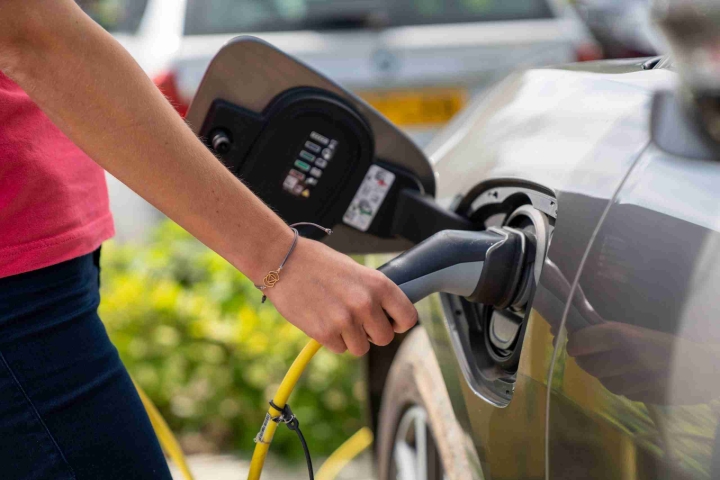
“Charging also needs to be fairer. Charge at home and you pay 5% VAT on your electricity; charge at a public point and you pay 20%. That means the same car, using the same electricity, is taxed at four times the rate – a ‘pavement tax’ on the four in ten or so drivers who cannot charge at home, often because they live in a flat or terraced house. A tax tribunal ruled against the higher rate in February, although HMRC is appealing. The Chancellor could settle the matter tomorrow by cutting VAT on public charging to 5%.
“Petrol and diesel drivers need support too. Pump prices have risen sharply since the war [in Iran] began, and the 5p-a-litre fuel duty cut has only been extended to the end of December, with increases due in January and March 2027. Keeping fuel duty down for people who have no choice but to drive is sensible, but it should go hand in hand with making electric cars an affordable alternative. Drivers deserve a fair deal, whatever they drive.
“The cost of borrowing matters as well. Most new cars are bought on finance, and interest rates are holding at 3.75%, with three Bank of England policymakers voting for a rise last month. Any increase feeds into monthly payments that buyers can be tied to for years. The Chancellor does not set car finance rates, but a Budget that keeps inflation in check and gives the Bank room to hold or cut would make a real difference to household budgets.
“Price is only part of the picture. Too many drivers still find broken chargers or need yet another app just to plug in. Councils need the funding and support to install reliable chargepoints in car parks and on the streets where people live, and every charger should accept a simple contactless payment.
“The government should also run a clear public information campaign, in plain English, explaining what charging really costs and how to compare running an electric car with a petrol one. Too many families are being asked to make a major purchase without the information they need.
“Electric car sales – for both new and used markets – are at record levels, but more can and must be done. Setting ambitious targets is one thing; helping drivers meet them is another. Tomorrow’s Budget is the moment for the government to show it has listened, and to make going electric cheaper, fairer and simpler for millions of motorists.”