- Barbecue-related burn injuries in people aged 0–19 increased by 7% between 2024 and 2025
- 215 children were hospitalised with serious barbecue related burns requiring specialist treatment
The Royal Society for the Prevention of Accidents (RoSPA) and Children’s Burns Trust are urging people planning a barbecue this Bank Holiday to take extra care, after new figures from the Children’s Burns Trust showed hundreds of children required hospital treatment for serious barbecue-related burns in 2025.
In 2025, 215 people under 19 were hospitalised with serious barbecue‑related burns requiring specialist treatment, an increase of 7% compared with 2024. Hundreds more children were treated for less severe injuries.
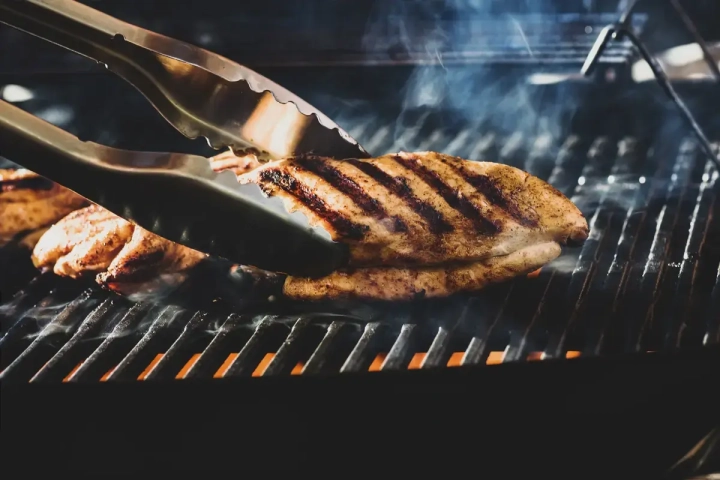
Warm weather and Bank Holiday weekends can lead to an increased risk of injuries, with barbecues frequently placed at ground level, close to play areas, or used on unsuitable surfaces. Disposable barbecues can remain dangerously hot for several hours after use, with heat transferring to the ground beneath and causing contact burns. Injuries are often caused by brief lapses in supervision or barbecues being moved or disposed of while still hot.
To help keep everyone safe, RoSPA and Children’s Burns Trust have issued simple advice for people planning a barbecue, which includes:
- placing barbecues on flat, stable, non‑flammable surfaces
- keeping children well away from barbecues at all times
- never leaving barbecues unattended
- allowing coals, ashes and disposable barbecues to cool completely before moving them
- never using barbecues indoors or in enclosed spaces
- never using accelerants such as petrol
The leading charities said the figures highlight the need for greater awareness of barbecue safety, especially during warm weather and holiday periods, when the risk of child burn injuries is highest.
Rebecca Guy, Senior Policy Manager at RoSPA, said:
“Barbecues cause serious burns every year, often because people underestimate how hot they stay long after cooking has finished. Children should be kept well away from barbecues at all times, and disposable barbecues must never be moved or put in bins until they are completely cold. Simple steps like safe placement, supervision and proper disposal can prevent life‑changing injuries.”
Ken Dunn BSc FRCS(Lond) FRCS(plast) FRCS(ed), Consultant Burns and Plastic Surgeon (retired) and Vice Chair at Children’s Burns Trust, said:
“Barbecue burns can cause deep, severe injuries in seconds, particularly to children who stumble or fall near hot grills or coals. Many of the cases we see happen during busy family gatherings when attention is divided. Planning ahead and treating barbecues as a serious burn risk makes a real difference.”