- From checking batteries to cleaning tumble dryers, we reveal simple household habits when it comes to reducing the risk of fires
- B&Q’s Hardware Buying Manager Beth Dale shares six commonly overlooked hazards to watch out for around the home
- B&Q’s fire safety range starts from just £15 and is available in stores and online now at www.diy.com
Autumn is officially in full swing and as temperatures drop and households start turning on the heating, now is the time to get winter ready.
With over 160 electric heater-related fires recorded each year*, B&Q Hardware Buying Manager Beth Dale shares her fire safety tips to help keep homes safe and provide peace of mind this winter.
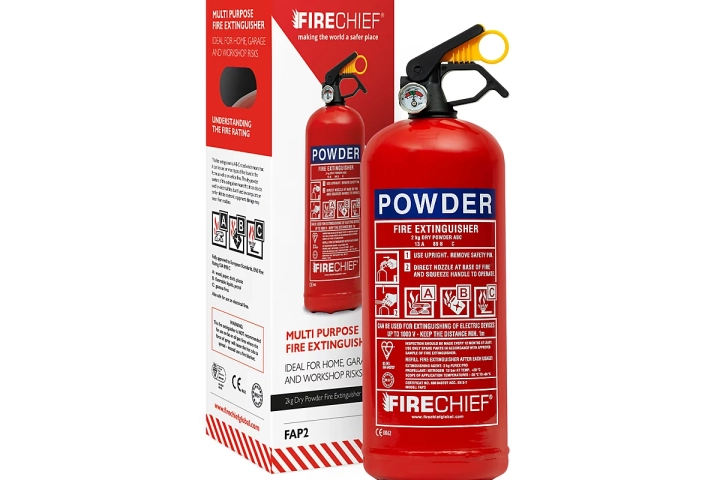
Beth Dale, Hardware Buying Manager at B&Q says: “Fires can spread quickly in the home and escalate in a matter of minutes. But in the same amount of time, there are easy, small tasks that can be done to lower fire risk. From checking smoke alarms to ordering a new fire blanket or extinguisher, these easy and affordable actions can keep your home, and more importantly your family, safe this winter.”
BETH’S FIRE RISK WATCH OUTS
- Checking batteries – “A working smoke alarm is the easiest check to make before winter, checking all batteries are working is usually the simplest fix. Replacing standard 9v or AA alkaline batteries ought to happen biannually, before they start chirping. However, units with lithium batteries need replacing every 5-10 years, and are admittedly harder to keep track of. In this case, sticking a piece of masking tape to the alarm with the date the batteries were last changed is an easy way to keep track of when they might need replacing.”
- Cooking safety –“A kitchen fire can start in a matter of moments, so it’s really important not to underestimate the risks when cooking. More than half of home fires start in the kitchen**, so having working smoke alarms nearby should be standard. A kitchen heat alarm can be a really useful extra layer of protection to preempt any incidents as these nifty gadgets aren’t set off by everyday cooking fumes.”
- Seasonal risks – “The UK sees over 160 electric heater-related fires every year***, particularly as the weather turns and we start using heaters and fireplaces more frequently. It’s important to keep heaters and open fires well away from clothes, bedding and other flammable materials, and never fall asleep with a heater switched on or a fire still burning. A draught excluder can also help keep warmth in once heaters have been safely switched off for the night.”
- Under the radar flammables –“Some everyday emollient creams are a highly flammable step in millions of skincare routines. Whilst the creams themselves are not generally considered highly flammable in the container, these common creams can soak into clothing and bedding, making fabrics more flammable. If you or someone at home uses them, take extra care around any open flames such as matches, candles, fireplaces and lighters. Washing fabrics at high temperatures can help reduce any built up residue, but it’s still important to have extra caution around any source of heat.”
- Laundry routines – “After a summer of drying laundry outdoors, be sure to remove any lint or fluff build up from dryers as blocked vents can cause tumble dryers to overheat. Again, clothing seeped in emollients, if not cleaned properly can become a dangerous fire hazard when being tumble dried. When dryers are on, ensure that they’re never still running at night or left unattended.”
- The silent threat of carbon monoxide – “Carbon monoxide is particularly dangerous because you can’t see it, smell it or taste it. For those who may not have a working alarm, that means there’s no easy way to know it’s there. UK Fire Services reported 7,703 suspected carbon monoxide incidents, between 2020 and 2025, a 98.7% increase****. Every home should have carbon monoxide alarms in addition to smoke alarms, and check them regularly – one of the easiest things you can do to protect your household.”