A powerful coalition of councils and environmental organisations has unveiled plans for a landmark new regional park in west London – backed by nearly £2.5 million in funding.
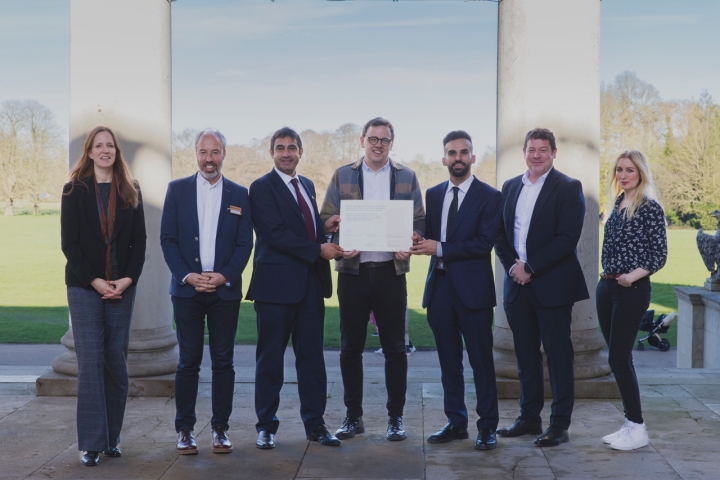
Leaders from Hounslow Council, Ealing Council, the Greater London Authority, the National Trust, the Environment Agency and the Canal & River Trust formally signed the partnership at Osterley House on 2 March, marking the official launch of the West London Regional Park project.
The vision: a once-in-a-generation green corridor connecting parks, waterways and communities – and bringing the benefits of nature to two million Londoners.
From Hilltop to the Thames
Spanning more than 500 hectares across Hounslow and Ealing, the proposed park could eventually stretch from Horsenden Hill in Greenford – Ealing’s highest point – through Osterley and Hounslow to the River Thames in Brentford.
Plans under discussion include:
- A 13-kilometre walking and cycling route linking green spaces and waterways
- New sports and wellbeing facilities
- Improved access and signage
- Habitat restoration and wildlife corridors
- Outdoor spaces for arts, culture and heritage events
The aim is not simply to connect green spaces, but to create a coherent landscape that supports biodiversity, active travel, flood resilience and community life.
Major Investment to Kickstart Delivery
The project has secured almost £1.5 million from the Mayor of London to drive early delivery. This comes in addition to a £999,595 grant awarded to Ealing Council last summer from The National Lottery Heritage Fund through its Nature Towns and Cities programme, which supports urban communities to access nature close to home.
The initial phase will focus on mapping existing assets, identifying opportunities for habitat restoration and engaging residents, businesses and community groups to shape long-term priorities.
A Shared Ambition
Councillor Salman Shaheen of Hounslow Council described the park as a way to connect one of London’s greenest boroughs into a wider network of spaces, supporting active travel, health and wildlife.
Ealing Council Leader Peter Mason said what began as a borough-level idea had grown into a cross-boundary ambition capable of transforming west London.
Deputy Mayor for Environment and Energy Mete Coban said the investment reflects City Hall’s commitment to ensuring every Londoner can access green and blue space, calling the project a key part of building “a greener, fairer London for all”.
Environmental partners echoed that sentiment. The National Trust said the park presents a rare opportunity to tackle unequal access to nature in urban areas, while the Canal & River Trust highlighted the historic role of waterways as connectors for both people and wildlife. The Environment Agency pointed to the River Brent’s central role in boosting flood resilience and supporting species recovery.
What Happens Next?
Work now begins on developing a shared long-term strategy, with early improvements expected as plans take shape.
Community groups, residents and businesses are being invited to get involved as the vision evolves, with further updates promised throughout 2026.
If delivered at scale, the West London Regional Park could become one of the capital’s most significant green infrastructure projects in decades – linking hilltops to the Thames and placing nature at the heart of urban life.