Manchester City claimed Carabao Cup glory with a composed and ultimately convincing 2–0 victory over Arsenal in a high-stakes final that delivered both tension and defining moments of quality at Wembley Stadium. The showpiece occasion brought together two of English football’s most influential modern managers and two squads brimming with talent, ambition and expectation. For City, the triumph represented not only another domestic trophy but also a powerful statement after a challenging period. For Arsenal, it was a painful reminder of how narrow the margins can be on the grandest stage.
The build-up to the match had been dominated by talk of momentum, mentality and legacy. Arsenal entered the final riding a strong wave of form across multiple competitions and were widely viewed as favourites to lift the trophy. Their campaign had been characterised by fluent attacking play and defensive resilience, and there was a sense that victory at Wembley could provide the springboard for a historic season. Manchester City, meanwhile, arrived with something to prove. Having experienced setbacks in Europe and inconsistencies in the league, they approached the final determined to reaffirm their pedigree and remind rivals of their enduring ability to rise to the biggest occasions.
From the moment the teams emerged onto the pitch, the atmosphere was electric. A sea of colour filled the stands as supporters from both clubs created a spectacle befitting a domestic cup final. The early stages reflected the tension and importance of the occasion. Arsenal started brightly, pressing aggressively and seeking to impose their passing rhythm. Their midfield moved the ball with confidence, and the forwards probed City’s defensive line with purposeful runs. Within the opening minutes, a promising chance fell to Kai Havertz, who found space inside the penalty area but could not apply the finishing touch required to break the deadlock. It was an opportunity that hinted at Arsenal’s intent but also foreshadowed the frustration that would follow.
Manchester City responded by gradually settling into their familiar pattern of controlled possession. Pep Guardiola’s tactical adjustments were evident as his side sought to draw Arsenal out of position and exploit spaces in wide areas. The inclusion of younger and less heralded players added an element of unpredictability to City’s approach, with several attacking moves combining technical precision and quick transitions. Despite this, clear-cut chances remained limited during the first half. Both teams demonstrated defensive discipline, and goalkeepers were largely untroubled. The game, while tactically fascinating, lacked the moments of decisive quality that often define cup finals.
As the interval approached, Arsenal enjoyed another spell of pressure. Bukayo Saka threatened with a curling effort from distance, while a series of corners created brief uncertainty in the City penalty area. Yet Guardiola’s side held firm, repelling crosses and maintaining composure under pressure. The halftime whistle arrived with the scoreline still level, setting the stage for a second half that would ultimately determine the destination of the trophy.
The turning point came shortly after the restart. City began the half with greater urgency and intensity, pushing higher up the pitch and forcing errors from Arsenal’s build-up play. Their persistence paid off when a seemingly routine attacking move resulted in a crucial mistake from Arsenal goalkeeper Kepa Arrizabalaga. Attempting to deal with a cross, he misjudged the flight of the ball, allowing young City midfielder Nico O’Reilly to capitalise and head into the net. The goal ignited celebrations among City supporters and shifted the momentum decisively in Guardiola’s favour.
Arsenal’s response was immediate but lacked cohesion. Their attempts to regain control were undermined by hurried passes and a growing sense of urgency that played into City’s hands. Guardiola’s players displayed confidence and composure, slowing the tempo when necessary and accelerating their attacks at precisely the right moments. The tactical battle between the two managers became increasingly apparent, with Guardiola’s adjustments proving more effective as the match wore on.
The decisive second goal arrived midway through the half and once again featured O’Reilly at its centre. Rising above defenders to meet a cross, he powered another header past the goalkeeper to double City’s advantage. The strike not only underlined the youngster’s remarkable performance but also placed one hand firmly on the trophy for the reigning champions. For Arsenal, it was a crushing blow that left them chasing the game against opponents adept at managing leads.
With time running out, Mikel Arteta introduced attacking substitutions in an effort to inject fresh energy into his team’s pursuit of a comeback. Arsenal increased their tempo and committed more players forward, creating sporadic moments of pressure in the final third. However, City’s defensive organisation remained resolute. Goalkeeper James Trafford produced a series of assured interventions, while the back line dealt effectively with crosses and long-range attempts. The closing stages saw Arsenal pushing relentlessly, yet the decisive spark required to alter the outcome never materialised.
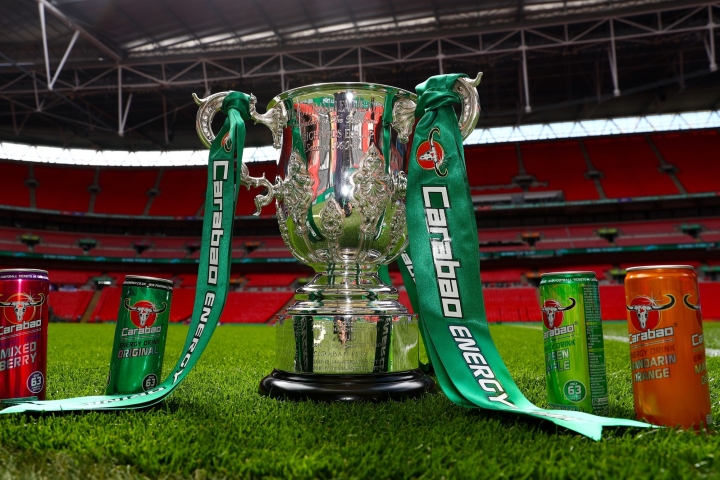
When the final whistle sounded, Manchester City players and supporters erupted in celebration. The victory secured the club’s ninth League Cup title and reinforced Guardiola’s status as the competition’s most successful manager. It also provided a timely boost for a team eager to regain confidence after recent disappointments. The sight of O’Reilly lifting the trophy alongside more experienced teammates symbolised both the continuity and evolution of City’s squad.
In his post-match reflections, Guardiola spoke with pride about his players’ resilience and adaptability. He emphasised the importance of maintaining belief during challenging periods and highlighted the collective effort required to overcome a formidable opponent. The manager praised O’Reilly’s maturity and composure, noting that young players often seize opportunities in finals because they play with freedom and fearlessness. Guardiola also suggested that the triumph could serve as a catalyst for the remainder of the season, reigniting his side’s pursuit of further honours.
Arteta, meanwhile, cut a philosophical figure as he assessed the defeat. He acknowledged that his team had started well but admitted they were unable to sustain their level of performance after conceding. The Arsenal manager defended his tactical decisions, including his choice of goalkeeper, and insisted that setbacks are an inevitable part of a long campaign. Arteta emphasised that the squad must channel their disappointment into renewed determination, particularly in the league and other competitions where significant opportunities remain.
Players from both teams offered candid reactions. City’s dressing room was filled with a mixture of relief and exhilaration, with senior figures praising the contribution of younger teammates who had stepped into the spotlight. Arsenal’s squad, by contrast, expressed frustration at missed chances and costly errors. Several players spoke about the need to learn from the experience and ensure that future finals are approached with greater composure and clinical finishing.
The broader implications of the result extend beyond the immediate celebration. For City, the victory reasserts their reputation as serial winners and demonstrates their capacity to respond positively to adversity. It also narrows the psychological gap between themselves and their rivals, particularly in the context of the ongoing title race. Arsenal, despite the disappointment, remain a formidable force. Their journey to the final showcased resilience and attacking quality, and the challenge now lies in converting potential into tangible success.
Cup finals often serve as defining moments in a season, shaping narratives and influencing momentum. This encounter was no exception. The contest illustrated the significance of experience, tactical flexibility and the ability to capitalise on key moments. While Arsenal displayed ambition and determination, Manchester City’s ruthlessness in front of goal proved decisive. The performance of O’Reilly, in particular, will be remembered as a turning point — a demonstration of how emerging talents can alter the course of high-pressure matches.
As supporters drifted away from Wembley and attention gradually turned back to league fixtures and European commitments, the final’s significance lingered. For City fans, it represented another chapter in an era of sustained success. For Arsenal followers, it was a sobering reminder that progress must ultimately be measured in silverware. Both clubs now face the task of building on this experience, using triumph or disappointment as motivation for the challenges ahead.
In the grand tapestry of English football, finals like this one occupy a special place. They encapsulate the drama, unpredictability and emotional intensity that define the sport. The Carabao Cup may not carry the same prestige as some other competitions, but on this occasion it provided a stage for memorable performances and decisive moments. Manchester City emerged as deserved winners, while Arsenal departed with lessons to absorb and ambitions still intact. The story of their rivalry continues, shaped by nights like this and the relentless pursuit of excellence that drives both clubs forward.