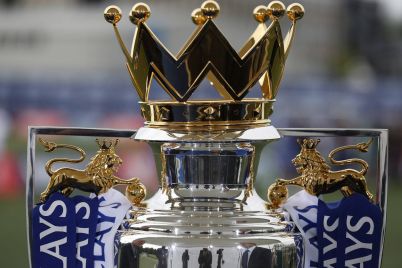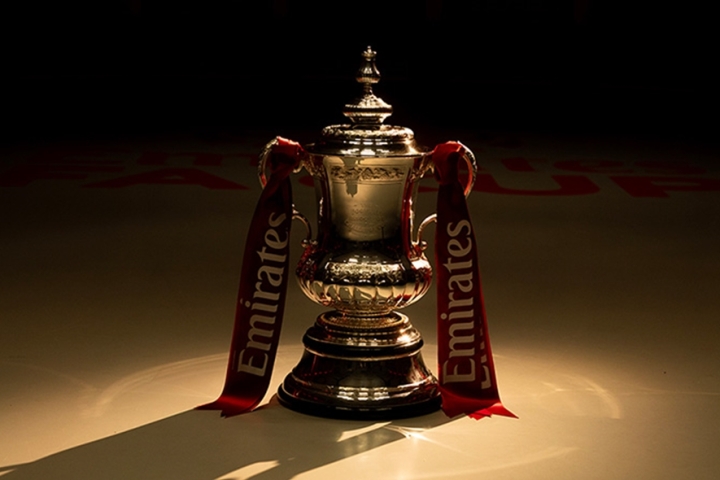
Arsenal barely gave Wigan Athletic time to breathe today as a ferocious first-half burst turned a supposed cup banana skin into a one-sided stroll, with the Premier League leaders storming into the FA Cup fifth round courtesy of a commanding 4-0 win at the Emirates.
The tie was effectively settled inside the opening half-hour, when Arsenal’s intensity, pace, and precision overwhelmed a Wigan side still trying to steady itself amid off-field turbulence, and by the time the clock ticked past 27 minutes the visitors were simply fighting to stop the scoreline becoming truly ugly rather than dreaming of an upset.
Mikel Arteta’s plan was obvious from the first whistle: start fast, press high, play forward, and make the game about Arsenal’s legs and combinations rather than Wigan’s resistance. Even with heavy rotation, Arsenal looked unusually connected for a cup line-up, with players making sharp, aggressive runs and the ball moving quickly into dangerous areas.
There was a slight pre-match reshuffle—Riccardo Calafiori was forced out late and Bukayo Saka stepped into the side, while Martin Ødegaard missed out with a soreness issue—and it only seemed to add edge rather than uncertainty. Arsenal’s early waves kept Wigan pinned, and the decisive theme of the afternoon emerged immediately: whenever Arsenal found space between the lines, they attacked it at speed and with purpose.
The breakthrough arrived on 11 minutes, and it set the tone for everything that followed. Eberechi Eze, dropping deeper to get on the ball and dictate the angle of attacks, split Wigan open with a perfectly weighted pass, and Noni Maduekefinished confidently to make it 1-0. Seven minutes later the pattern repeated with even more ruthlessness: Eze again found the killer lane, Gabriel Martinelli burst through and made it 2-0, and suddenly the game felt like it was slipping away from Wigan in real time. Before Wigan could regroup, Arsenal had a third on 23 minutes—a cross turned into the net by defender Jack Hunt under pressure—and then a fourth arrived on 27 minutes when Gabriel Jesus exploited space behind the line and lifted a composed finish over the goalkeeper after a ball over the top caught Wigan flat-footed. Four goals, four different kinds of damage, and Wigan were left staring at a mountain with two-thirds of the match still to play.
To Wigan’s credit, they didn’t fold into total collapse. The next phase became about pride, organisation, and damage limitation, and the visitors did at least find a foothold by tightening up their shape and making the game scrappier. Arsenal still had moments to extend the lead—Viktor Gyökeres’ deflected effort thudded off the woodwork and Martinelli had opportunities to add gloss—but the frantic edge of the opening half-hour was naturally difficult to sustain once the tie was essentially done. Wigan’s defensive adjustments slowed the bleeding, and their goalkeeper was kept busy in the second half, producing saves that prevented the night turning into a headline-grabbing rout. Arsenal, meanwhile, were happy to manage the rhythm, protect legs, and cruise home without taking unnecessary risks.
There were still a couple of moments that reminded Arsenal why clean sheets matter in knockout football. Kepa Arrizabalaga, largely a spectator during Arsenal’s early storm, had to stay switched on to deny a close-range chance and then push away a threatening effort heading toward the corner, ensuring Wigan’s brief second-half uptick didn’t bring an unwanted wrinkle to an otherwise serene afternoon. For Arsenal, the game became less about piling on goals and more about controlling emotions, spreading minutes, and keeping the squad in good shape for the fixtures that matter just as much—if not more—over the next few weeks.
After the match, Arteta’s view was almost entirely about the opening intensity and what it said about his squad. He was pleased with how quickly the rotated group clicked, pointing to the pace and directness of Arsenal’s early play, and he emphasised that giving minutes to players who needed them is only useful if the team’s standards stay high. In his words, the first half made the difference, and he highlighted the “intention” Arsenal showed from the first minutes as well as the “connection” between players who haven’t always shared the pitch together—an endorsement of depth and attitude rather than just talent.
Wigan’s caretaker boss Graham Barrow tried to balance honesty with encouragement. He didn’t sugar-coat the brutal start, admitting disappointment at the goals conceded, but he praised how his players recovered from being 4-0 down and dug in to prevent further embarrassment. Barrow singled out the second half as something to build on, noting that a switch of shape helped steady the team, and his broader message was about spirit: Arsenal were “relentless,” he said, but Wigan stuck together, gave everything, and must take that resilience back into the league fight ahead.
In the end, this was a cup tie decided by Arsenal’s early fury. Eze’s passing set the tempo, Madueke and Martinelli punished space with conviction, the own goal underlined the pressure Wigan were under, and Jesus’ finish completed a 27-minute demolition job that made everything afterwards feel like a formality.
Arsenal move on with minimal fuss, another clean sheet, and another reminder that when they start at full throttle, they can turn even a knockout match into a controlled exercise. Wigan leave with a bruising lesson from the first half—and a small measure of credit for refusing to let it become worse once the storm hit.