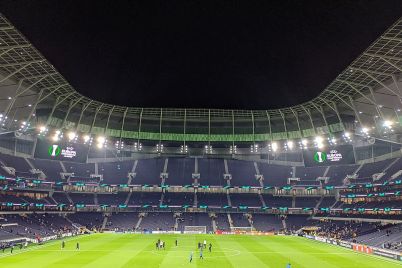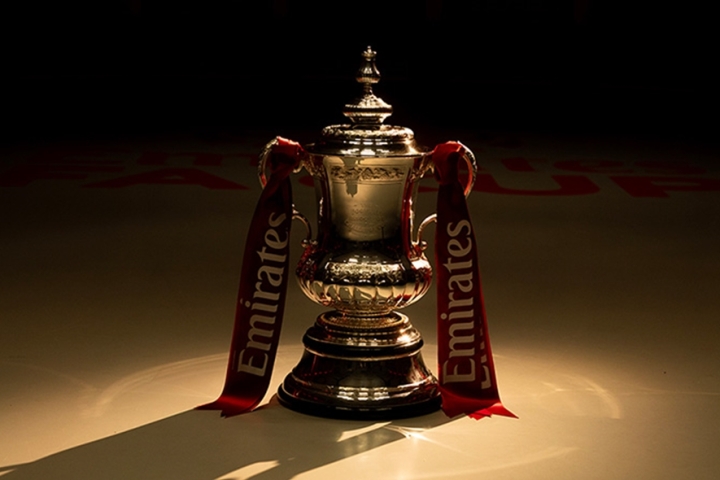
Sunday afternoon in Stoke-on-Trent brings a properly intriguing FA Cup fourth-round tie, with Stoke City hosting Fulham at the bet365 Stadium for a 2pm kick-off and a place in the last 16 on the line.
The competition’s recent tweaks ensure there is no safety net if the game finishes level—extra time and penalties will decide it on the day—adding a sharper edge to a meeting shaped by contrasting divisions, crowded schedules and a heavy dose of selection uncertainty.
The most recent evidence of Stoke’s mood comes from a narrow Championship defeat in midweek. A 1–0 loss at Charlton Athletic on 11 February, decided by Tyreece Campbell’s late goal, ended an encouraging early-2026 away run and left Mark Robins looking for a quick reaction. That result matters for more than the table: it highlighted how fine the margins have been, with the Potters having enough of the ball to feel they should have found more penetration, yet still leaving London empty-handed. With cup football offering a different emotional pitch—less grind, more jeopardy—this is a chance to turn frustration into urgency rather than allowing it to linger.
Fulham’s last outing carried a different kind of sting, a 3–0 Premier League defeat away at Manchester City on 11 February where the damage was done in a ruthless first-half spell. Marco Silva’s side never truly settled into the contest after falling behind, and while few teams are judged on what happens at the Etihad, the performance still reinforced the challenge Fulham have faced in patches this season: handling intense pressure without letting the game run away from them. This trip offers an immediate chance to reset that feeling, but doing so at an often-unforgiving ground—and against an opponent with nothing to lose—brings its own risk.
The road to this stage offers Stoke a clear reason to believe they can make this uncomfortable. The Potters booked their fourth-round place by beating Coventry City 1–0 in the third round, with Lamine Cisse scoring late to settle it. That moment has become an obvious talking point in the build-up because it underlines a familiar FA Cup truth: you don’t need sustained dominance to progress if you can keep structure, stay alive and land one decisive strike.
Fulham’s route was more dramatic and more expansive, coming from behind to beat Middlesbrough 3–1 at Craven Cottage, with goals from Harry Wilson, Emile Smith Rowe and Kevin. That comeback is a useful reference point here, because it suggests Silva’s side can absorb a difficult start and still find solutions—an attribute that becomes vital when the atmosphere turns and the favourite is expected to respond.
Selection, however, is where the tie starts to get particularly interesting. Stoke’s injury list is significant, and it has grown again at an awkward time. Fulham’s own matchday preview notes that Bosun Lawal suffered a hamstring injury and joins a group of absentees that includes Viktor Johansson, Junior Tchamadeu, Lewis Baker, Sam Gallagher, Divin Mubama and Gavin Bazunu. When a squad carries that many confirmed misses, the shape of the game changes: continuity becomes harder, the bench has fewer like-for-like solutions, and the plan often leans more heavily on organisation and set-piece efficiency.
Fulham’s availability picture is lighter by comparison, but there are still notable midfield absences. Silva has confirmed that Saša Lukić and Tom Cairney will miss the trip. That matters because both influence how Fulham control games—Lukić in screening and circulation, Cairney in link play and tempo—so the visitors’ ability to dictate rhythm may depend on how well the alternative midfield combinations handle Stoke’s physicality and the stadium’s energy.
Form players on both sides add another layer to the story. Cisse is the obvious name for the hosts, not just because he scored the third-round winner, but because moments like that can lift a squad’s belief in a one-off cup tie; if the game stays level late on, confidence in “one chance being enough” becomes powerful.
For Fulham, the attacking reference points are clearer in the numbers: Wilson has been their leading Premier League scorer this season, with Raúl Jiménez also among the primary sources of goals. Their threat is not just about finishing, either—delivery, second-phase pressure and the ability to turn territory into repeated chances often decide these ties, particularly if Stoke’s defensive structure is forced into long spells without the ball.
All of this sets up a match that could swing sharply depending on the opening 20 minutes. If Stoke can start quickly, win duels, and keep Fulham from settling into their passing patterns, the tie has the potential to become the kind of emotional, stop-start contest where underdogs thrive and favourites get twitchy.
If Fulham establish early control, move the ball cleanly through midfield despite the absences, and turn pressure into an early goal, the afternoon can quickly become about managing the game state and avoiding the chaos that the FA Cup loves to create. With no replay as a fallback and both teams arriving off defeats in their last matches, the ingredients are there for a cup tie that feels tense, physical and decided by a handful of defining moments rather than a long spell of dominance.