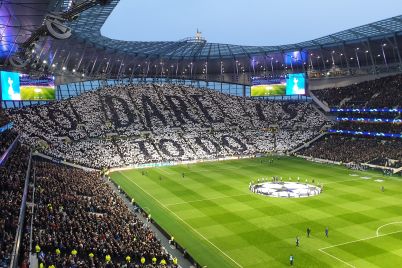
Brentford were left frustrated after surrendering a commanding two-goal lead to draw 2–2 with Wolverhampton Wanderers in an absorbing Premier League clash at the Gtech Community Stadium, a match filled with attacking quality, dramatic momentum shifts and late tension that kept supporters on the edge of their seats until the final whistle. What had begun as a potentially decisive step toward European qualification for the home side ultimately became a story of missed opportunities and resilience, as Wolves fought back with determination to claim a valuable point in their battle to avoid relegation.
The match began with Brentford playing with urgency and confidence, fully aware of the significance of the fixture in the context of their season. From the outset, the home side pressed high up the pitch, forcing Wolves into hurried clearances and looking to establish dominance through energetic movement in midfield and attack. Brentford’s intensity unsettled their opponents early on, and it was not long before they were rewarded for their positive start.
The opening goal arrived after a spell of sustained pressure, with Michael Kayode seizing his moment to make an important contribution. The defender pushed forward at the right time, finding space inside the penalty area before calmly finishing to give Brentford an early advantage. The strike sparked celebration among the home supporters and seemed to set the tone for what looked like a comfortable evening for the Bees.
Buoyed by the breakthrough, Brentford continued to attack with purpose. Their passing was sharp, their movement fluid and their belief evident. Igor Thiago, enjoying a prolific campaign in front of goal, played a central role in the home side’s attacking threat. His ability to hold up play, combine with teammates and create space for himself made him a constant challenge for the Wolves defence.
Brentford doubled their lead midway through the first half when Thiago added another goal to his impressive tally for the season. The move that led to the strike showcased the home side’s attacking cohesion, as a direct ball forward created an opening that Thiago exploited with composure. His finish not only extended Brentford’s advantage but also reinforced the sense that the match was slipping beyond Wolves’ control.
At that stage, the hosts appeared capable of adding further goals. Thiago came close to scoring again when he struck the woodwork with a powerful effort, and Wolves struggled to cope with the pace and intensity of Brentford’s forward play. The visitors seemed disjointed, unable to build meaningful attacks and frequently forced into defensive positions that left them vulnerable.
Yet football often turns on moments, and just before the interval Wolves found the spark that would ignite their comeback. Adam Armstrong produced a moment of quality to pull one goal back, finishing decisively to reduce the deficit and give his team renewed belief. The timing of the goal proved crucial, as it shifted the psychological balance heading into halftime and ensured that Brentford could not relax despite their earlier dominance.
The second half unfolded with a noticeably different rhythm. Wolves emerged from the dressing room with increased determination, pressing higher up the pitch and showing greater confidence in possession. Their midfield began to disrupt Brentford’s passing patterns, while their attackers tested the home defence with more purposeful runs and crosses.
Brentford, by contrast, appeared to lose some of the sharpness that had characterised their first-half performance. Their attempts to regain control were often met with determined resistance from Wolves, who were now playing with urgency and belief. The visitors also enjoyed moments of fortune, striking the woodwork on more than one occasion as they pushed for an equaliser.
The decisive phase of the match arrived in the closing stages when Wolves’ persistence finally paid off. Substitute Tolu Arokodare, introduced to provide fresh attacking impetus, made an immediate impact. Rising above defenders inside the penalty area, he directed a header beyond the goalkeeper to level the score and complete a remarkable turnaround. The equaliser sparked jubilant celebrations among the visiting players and supporters, who sensed the importance of the moment in their fight for survival.
With the match now finely balanced, both teams sought a dramatic late winner. Wolves came close to completing the comeback when Arokodare struck the crossbar with another effort, while Brentford also had opportunities to reclaim the lead. One of the most notable came when Reiss Nelson found himself in a promising position during stoppage time, only to see his attempt fail to find the target.
When the final whistle sounded, the contrasting emotions of the two sides were clear. Brentford’s players looked visibly disappointed, aware that they had allowed a golden opportunity to secure three points slip from their grasp. Wolves, meanwhile, celebrated a hard-earned draw that could prove vital in boosting morale during a challenging campaign.
The result also carried wider implications for the league standings. Brentford remained in the race for European qualification but knew that dropping points from such a commanding position could prove costly in the long run. Wolves, still positioned near the bottom of the table, took encouragement from their resilience and continued improvement in recent weeks.
After the match, Brentford manager Keith Andrews spoke candidly about his side’s performance. He acknowledged that the team had been excellent during the first half, creating chances and controlling the tempo of the game. However, he also admitted that the basics of game management had not been executed effectively after the break. According to Andrews, conceding momentum to the opposition allowed Wolves to grow in confidence, ultimately leading to the comeback.
He emphasised the need for greater concentration and consistency, particularly when protecting a lead. Andrews also highlighted the importance of maintaining composure under pressure, suggesting that lessons must be learned if Brentford are to sustain their push for a historic European place. Despite the frustration, he praised the attacking quality his players displayed and expressed confidence that they could respond positively in upcoming fixtures.
Wolves manager Rob Edwards, in contrast, praised his team’s determination and spirit. He described the comeback as evidence of the squad’s resilience and belief, noting that falling two goals behind could easily have led to a heavy defeat. Instead, he credited his players for remaining organised, adapting tactically and continuing to fight for every opportunity.
Edwards also spoke about the impact of substitutions, particularly the introduction of Arokodare, whose equalising goal and overall presence added a new dimension to Wolves’ attack. He suggested that performances like this can build momentum and help create a positive mindset as the club seeks to improve its league position. While acknowledging that survival remains a difficult challenge, he insisted that results like this demonstrate the team’s capacity to compete with higher-placed opponents.
For supporters inside the stadium, the match provided an emotional rollercoaster. Brentford fans experienced the excitement of early dominance and the disappointment of seeing victory slip away, while Wolves supporters celebrated a display of character that offered hope for the remainder of the season.
The contest also highlighted the unpredictable nature of Premier League football. A match that seemed firmly in Brentford’s control during the first half evolved into a dramatic struggle in which momentum shifted repeatedly. The ability of Wolves to respond under pressure and the inability of Brentford to maintain their earlier intensity combined to produce an outcome that reflected the fine margins of elite competition.
As both teams look ahead, the lessons from this encounter will likely influence their preparations and priorities. Brentford will aim to refine their defensive organisation and decision-making in key moments, while Wolves will seek to build on the confidence gained from their comeback. Ultimately, the 2–2 draw served as a reminder that persistence, adaptability and mental strength can shape the outcome of even the most challenging matches.
In a season where every point carries significant weight, this dramatic encounter may come to be seen as a defining moment for both clubs. Brentford’s pursuit of European qualification remains alive but more uncertain, while Wolves’ fight for survival continues with renewed belief. What is certain is that this match delivered the kind of excitement and unpredictability that makes top-flight football so compelling, leaving players and supporters alike reflecting on an evening of drama long after the final whistle.