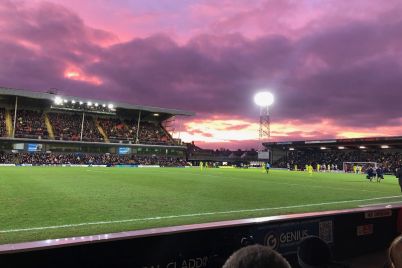

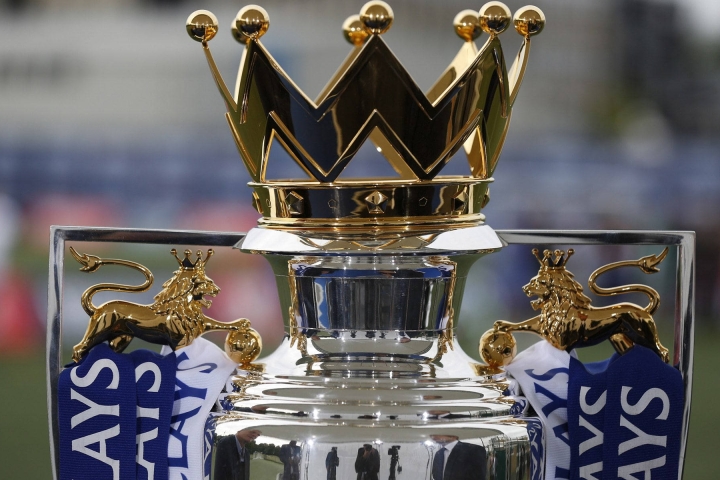
Brentford against Everton has the feel of one of those April matches that can alter the shape of a season in one afternoon. It is not just another fixture dropped into the run-in. It is a meeting between two clubs who have put themselves into the European conversation and who now have to prove they can stay there when the pressure thickens and every result begins to carry a little more weight.
That is what gives Saturday’s game its edge. Brentford have handled change impressively under Keith Andrews and have kept themselves firmly in the mix at the top end of the table. Everton, under David Moyes, have moved away from the insecurity and drift of recent seasons and into a far more ambitious place. There is now a sense around both clubs that this is more than a decent year. It could be something more if they hold their nerve.
Moyes has not tried to duck that conversation. In fact, one of the striking things about his press conference was how openly he spoke about the possibility of Europe. He admitted that Everton have already had opportunities this season to take a bigger step and have not always managed it. That honesty matters because it keeps the mood realistic. At the same time, he also said he senses “a wee bit of steely determination” in the group at the moment, and that line probably tells you more than anything else about how he views his side right now.
He believes Everton are playing well, and for a manager like Moyes that is where belief really comes from. Not from excitement, not from noise, not from the table being flattering for a few weeks, but from performances. He spoke about momentum, about the team moving past the inconsistent spell they had around December and January, and about the need to carry that on. Everton have become more organised, more difficult to play against and more sure of themselves. They still have the Moyes trademarks of shape, discipline and resilience, but there is more conviction in them now as well.
There is no sense, though, that he thinks the job is done. Moyes was careful to stress that there is still a long way to go, with seven games left and a decent number of points still needed. He talked about the difficult run-in, but also made the point that every team around them has awkward fixtures and that there are very few matches in this league that feel like gifts. In many ways that is what makes this contest so compelling. Both sides know exactly what is at stake, and both know there is no easy route around it.
For Everton, the significance of Europe stretches beyond simply finishing a few places higher. Moyes spoke at length about what qualification could mean for the club as a whole. He referenced the difficulty Everton had in trying to attract certain players last summer and the way European football could change perceptions. He sees it not just as a reward, but as a lever. It could help Everton look and feel like a bigger proposition again, both financially and in football terms, and that matters at a club trying to move into a new stadium era with a stronger sense of direction.
He also spoke emotionally about what it could mean for supporters. Moyes said he is wary of talking too much about Europe because he would hate to disappoint people, but he also made clear that he wants to speak about it because of everything Everton and their fans have been through. The thought of getting them back into Europe clearly matters to him. He talked about how good it would be for the club, how much he is enjoying even the thought of it, and how the possibility of European nights at Hill Dickinson Stadium would be exciting for everyone connected with Everton.
At the same time, he was realistic enough to admit that if Everton do not make it there may be a feeling that they are not quite ready yet, not at exactly the right point in the process. But if they do get there, he knows what it could bring. He has seen before how European football can energise a club, increase attendances, improve the atmosphere and give the whole place a lift. That is part of the reason he has chosen not to keep expectations artificially low this time.
Brentford, though, are not just there to play supporting roles in Everton’s story. Andrews has every right to view this match as an important marker for his own team. He has described it as a “really big game” and a “really important game”, and he has also acknowledged that Brentford restart after the break against an Everton side who are “playing really well”. Those comments reveal a manager who is respectful of the opposition, but also fully aware of the size of the opportunity for his own side.
That is one of the reasons Brentford remain such an interesting team. Andrews has come in after Thomas Frank and managed to preserve the club’s competitive edge. Brentford still look organised, still look dangerous and still carry the sense that they know exactly what sort of game they want to play. That continuity has allowed them to stay in the upper reaches of the table and means they approach Saturday as a club with their own ambitions, not as one merely trying to stay in touch.
Recent history adds another layer to it. Brentford won the reverse fixture 4-2 and did so in a way that will still be lodged in Everton’s mind. Igor Thiago caused major damage that day and Brentford were ruthless when the game opened up. It was a reminder of how dangerous they can be when matches become stretched, when there is space to attack into and when the rhythm shifts away from control and into transition.
That tactical battle is likely to decide much of what happens here. Everton will want the game compact and controlled. They will want strong distances between the lines, concentration in the middle third and enough composure to stop Brentford turning the match into a sprint. Brentford, on the other hand, will fancy themselves if the game starts to break open. They are at their most dangerous when they can attack quickly, force defenders to turn and create those sharp, direct moments where decisions have to be made instantly.
Personnel matters as well. Iliman Ndiaye is available again for Everton, which gives Moyes an important attacking outlet. He offers something different, someone who can carry the ball, unsettle defenders and create a moment where nothing seemed to be on. In matches as tight as this one is likely to be, that sort of unpredictability can be vital. Charly Alcaraz is back in training but not yet ready, so Everton are not at full strength creatively, but Ndiaye’s return still changes the picture.
Brentford’s injury situation is less clean. Andrews has said Aaron Hickey is closer than Vitaly Janelt but is probably not going to make Saturday, while Janelt is still a good few weeks away. He added that the rest of the squad have pretty much come back in a good place on the injury front, which will at least offer some encouragement. Even so, Brentford continue to deal with absentees, and that makes the strength of their structure under Andrews all the more important.
One of the more revealing parts of Moyes’ briefing, meanwhile, came when he was asked about his own future and the broader future of the squad. On his contract, he was calm and unhurried, saying he is comfortable, not desperate for talks and focused on the next four or five weeks. He also made clear that he would be happy to continue, that he loves being at Everton, but that he always tries not to overstay his welcome. It was a very Moyes answer, grounded and pragmatic, but it also underlined how much of Everton’s immediate future now rests on this closing stretch.
His remarks on Seamus Coleman were similarly telling. Moyes said he would make a place for Coleman at the club one way or another because of the character he brings, the standards he sets and the Everton DNA he carries. That answer was not just about one experienced player. It was about culture. Moyes is trying to restore something deeper at Everton than mere competence. He wants standards, accountability and a stronger internal sense of what the club should be. Coleman, in that respect, is part of the model.
The wider transfer picture also hovered over Moyes’ comments. He made it clear he does not want to hear talk around selling key players and argued that the club’s aim has to be to grow into one that does not need to part with its better talent. Again, Europe sits at the heart of that. In the modern game, qualification is not only about prestige. It affects wages, transfer fees, revenue and the type of player a club can realistically attract. Moyes knows that, which is why he keeps returning to it.
All of that gives Saturday’s meeting a significance that goes well beyond the immediate table. Brentford are trying to show their progress under Andrews is durable and that the post-Frank period is not one of managed decline but one of continued competitiveness. Everton are trying to show that Moyes has not merely steadied the ship, but given the club genuine forward momentum. Both arguments are live. Both still need proving.
That is what makes this such a compelling fixture. Brentford have home advantage, a settled identity and the confidence of having already beaten Everton this season. Everton arrive with stronger recent momentum, a manager willing to challenge his players to think bigger and a growing belief that the opportunity in front of them is real. One side will come away feeling the European road has opened a little wider. The other may feel the pressure gathering.
By the end of the afternoon, the table will not be settled and the story will not be complete. But the tone of the final weeks could change sharply depending on who handles the occasion better. In a race where margins are thin and nerves matter, Brentford against Everton looks exactly the sort of game that reveals who is genuinely ready for the next step.