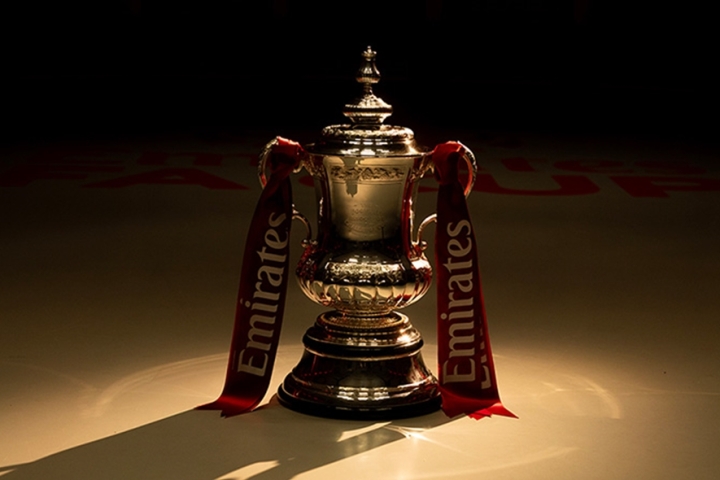
A packed Pirelli Stadium and the sharp edge of knockout football set the tone for Saturday lunchtime as Burton Albion host West Ham United in the FA Cup fourth round, with a place in the fifth round on the line and no replay to fall back on if the tie finishes level.
The setting is the sort the competition was built for: a League One side fighting on domestic fronts but handed a rare, energising detour, and Premier League opposition arriving with expectation, a busy calendar, and the knowledge that one messy afternoon can turn into the headline nobody wants. Kick-off is scheduled for 12:15pm GMT on 14 February 2026.
The mood around Burton has been lifted as much by the manner of their most recent performance as by the occasion itself. Last time out, the Brewers showed real character to come from behind twice in a 2–2 draw away at Port Vale, with Jake Beesley scoring both goals to rescue a point. It was the kind of response that matters heading into a cup tie: evidence of resilience, belief, and a forward line capable of taking chances when momentum swings. That match also offered a reminder of the strengths likely to underpin the game plan here—staying alive through difficult spells and backing themselves to strike back when opportunities appear.
West Ham’s latest outing carried its own emotional punch. A 1–1 Premier League draw at home to Manchester United on 10 February looked set to become a valuable win until a stoppage-time equaliser denied them, after Tomáš Souček had put the Hammers in front. Jarrod Bowen was central to the goal, his driven delivery contributing to the breakthrough, and while the late concession hurt, there were still positives in the structure and the ability to compete against top-level opposition. That blend—encouraging spells paired with moments that still need tightening—has been a theme, and it’s part of what makes this cup trip a potential test rather than a formality.
Recent form provides a fascinating contrast in pressure rather than quality. Burton’s league situation brings urgency week to week, but the FA Cup offers a different emotional space—permission to be brave, to take risks, to play for something that instantly becomes memorable. Gary Bowyer has leaned into that spirit in the build-up, openly framing the tie as an opportunity for his players to become “history makers” for a club that has never reached the FA Cup fifth round. That message matters, because it’s often the mindset—rather than the tactical diagram—that decides whether the underdog can keep the contest alive deep into the second half.
From West Ham’s perspective, the challenge is to approach the afternoon with the intensity of a league match but the ruthlessness of a cup specialist: start quickly, remove the oxygen from the stands, and avoid the kind of chaotic rhythm that hands belief to the lower-league side. Even the preparation has reflected the reality of modern FA Cup ties without replays, with penalties a genuine possibility if Burton can force a stalemate. That practical edge is telling—because it suggests the visitors are taking the risk seriously rather than treating it as a box-ticking exercise.
Team news adds another layer. For West Ham, defender Jean-Clair Todibo is suspended and therefore unavailable, while goalkeeper Łukasz Fabiański has been managing a back issue and is listed among the absentees in the latest injury reporting. There has also been fresh concern around forward Pablo Felipe in the immediate build-up, with local coverage suggesting he will miss the trip. Burton have had fitness issues across the season and Bowyer has referenced an improving injury picture, but one clear absence flagged in matchday reporting is midfielder Charlie Webster, still recovering from ankle surgery.
As for who is in form, the headline pick for the hosts is straightforward: Beesley arrives off a brace, and beyond the goals, that kind of recent end product can transform the psychology of a cup tie—especially early on, if chances come and confidence is high. Bowyer also singled out teenage midfielder Sulyman Krubally for praise recently, describing a level of trust in the youngster after strong performances in difficult league circumstances, and that sort of energy can be vital if Burton need legs and bravery in midfield battles. On the other side, Bowen’s continued influence in the final third remains a constant threat, while Souček’s knack for arriving in key areas was underlined again against Manchester United. If West Ham control territory, those patterns—deliveries into the box, runners attacking second balls—could become decisive.
All the ingredients point toward a tie that may not follow the neat script people often assume when Premier League opposition visits a smaller ground. Burton’s route to making this uncomfortable is clear: keep the scoreline close, lean into the emotion of the occasion, and turn the match into a sequence of moments—set pieces, long throws, transitions, scraps for second balls—rather than a long spell of defending without release. West Ham’s route is just as obvious: impose quality early, avoid giving the crowd a reason to believe, and treat every loose ball as a warning sign of what this competition can do to favourites. If it’s still tight late on, the pressure will flip quickly, and in a one-off tie with no replay, that’s exactly when the FA Cup tends to find its drama.