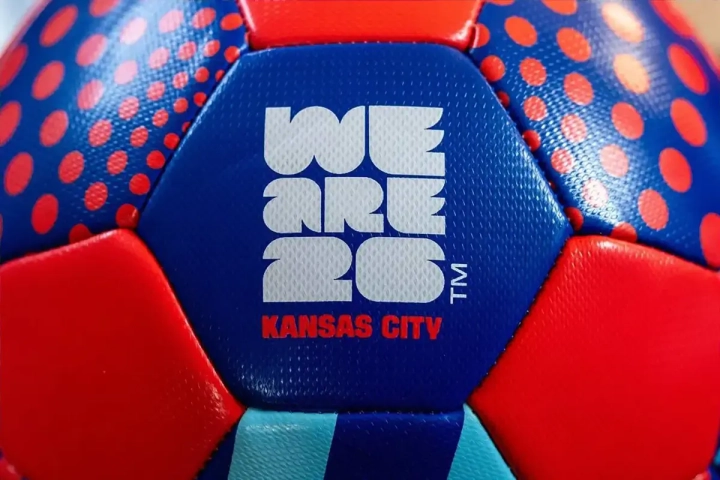
Ecuador’s meeting with Curaçao arrives as one of the sharper tests of nerve in Group E, a fixture that sits between recovery and risk for two sides who opened the 2026 World Cup with defeats but still have time to reshape their tournament. The match will be played at Kansas City Stadium, also known as GEHA Field at Arrowhead Stadium, on Saturday 20 June 2026, kicking off at 7pm local time, which is 1am UK time on Sunday 21 June. After Ecuador were beaten 1-0 by Ivory Coast and Curaçao suffered a 7-1 defeat against Germany, this second round of group fixtures has become a decisive point in the campaign for both teams.
For Ecuador, the equation is demanding but clear. Sebastián Beccacece’s side came into the tournament with a reputation for defensive resilience, having finished second in South American qualifying and built their identity around organisation, intensity and a back line that had become difficult to breach. That long unbeaten run ended in Philadelphia when Ivory Coast struck late through Amad Diallo, leaving Ecuador with no reward from a match in which fine margins mattered. A second defeat would leave them under severe pressure before their final group fixture against Germany, while victory would restore belief and keep progression firmly within reach.
Curaçao’s task is different in scale but no less meaningful. Their presence at this World Cup is already historic, with the Caribbean island becoming the smallest nation ever to qualify for the tournament. Dick Advocaat’s players endured a brutal introduction against Germany, yet Livano Comenencia’s goal, the country’s first at a World Cup, gave their debut a moment that will endure beyond the scoreline. The challenge in Kansas City is to show that the opening defeat was not the full measure of them. A positive performance, and particularly a result, would give their campaign fresh life and turn a story of participation into one of genuine competition.
The wider context of Group E heightens the importance. Germany’s emphatic start placed them in immediate control, while Ivory Coast’s win over Ecuador gave the African champions a strong platform before their own meeting with Germany. Ecuador and Curaçao therefore enter this match knowing that the table could become unforgiving quickly. In a 48-team World Cup, third-place calculations may still offer hope, but neither side can afford to treat that as a safety net. Points here would alter the mood entirely; another defeat would leave the closing round of fixtures carrying far heavier consequences.
Beccacece has reason to demand calm from Ecuador. Their opening loss did not erase the structure that brought them to North America with expectation. Hernán Galíndez remains an experienced presence in goal, while the defensive trio of Piero Hincapié, Joel Ordóñez and Willian Pacho gives Ecuador a blend of athleticism, anticipation and composure in possession. Moisés Caicedo remains the team’s central reference point, the midfielder charged with breaking pressure, screening transitions and lifting the tempo when Ecuador need to move the ball forward. Around him, Alan Franco and Pedro Vite offer work rate and balance, while John Yeboah, Gonzalo Plata, Alan Minda and Enner Valencia give Beccacece different ways to stretch the pitch.
Valencia’s role remains particularly significant. Ecuador’s record scorer has carried World Cup responsibility before and continues to offer the penalty-box instincts that can decide tight matches. Against Ivory Coast, service was often difficult and attacking rhythm was disrupted by the opponent’s physical power, but this fixture could ask a different question of Ecuador’s forwards. Curaçao are likely to defend deep at times, protect central areas and look for counters, meaning Ecuador’s timing around the box, not just their control of possession, may determine the outcome.
There is no confirmed injury or suspension issue publicly established for Ecuador ahead of the match, and Beccacece has indicated that his squad is ready for the challenge. That matters because the physical demands of a World Cup group stage can expose any weakness in depth. With Germany still to come, Ecuador must balance urgency with discipline, avoiding the temptation to turn the match into a rushed pursuit of goals. Their best route may come through patient circulation, quick switches toward wide runners and aggressive counter-pressing immediately after losing the ball.
Tactically, Ecuador will expect to command longer spells of possession than they did in parts of their opener. Their back three allows Hincapié and Pacho to step into midfield zones, while wing-backs or wide midfielders can pin Curaçao’s defensive line and create crossing angles. Caicedo’s duel with Curaçao’s central midfield could be the hinge of the game. If he controls second balls and prevents counters from forming, Ecuador should be able to keep the match played near Curaçao’s penalty area. If the Caribbean side can bypass that pressure, however, the contest becomes more awkward.
Curaçao arrive with scars from the Germany match but also with valuable information about the level required. They were exposed by movement between the lines, set-piece pressure and the speed with which Germany turned attacks into chances, yet their early response showed courage. Comenencia’s finish was more than a consolation; it was a reminder that Advocaat’s side have players capable of arriving from midfield and punishing opponents who lose concentration. The 22-year-old’s ability to time late runs into the box has been one of the more intriguing features of Curaçao’s rise.
Advocaat, the veteran Dutch coach, gives Curaçao a figure of vast experience at the centre of an extraordinary campaign. His team is built largely from players developed in the Dutch football system, with captain Leandro Bacuna and Juninho Bacuna bringing experience, Eloy Room providing seniority in goal, and defenders such as Armando Obispo offering composure against sustained pressure. Tahith Chong, Jurriën Gaari, Sherel Floranus and others help give the squad technical grounding, though the collective test at this level is as much about concentration and spacing as individual quality.
No confirmed injury or suspension concern has been established for Curaçao ahead of the fixture, which gives Advocaat the option to adjust his team in response to the Germany defeat without being forced into changes. He may be tempted to add protection in midfield, reduce the spaces between the lines and ask his wide players to recover deeper before breaking forward. The key will be whether Curaçao can remain compact without becoming passive. If they retreat too far, Ecuador’s pressure could become relentless; if they open up too early, they risk leaving Room exposed to repeated attacks.
The psychological side of the match should not be underestimated. Ecuador are the more established World Cup nation, appearing at the finals for the fifth time and still chasing a return to the knockout stages, a level they reached in 2006. That history creates ambition, but also pressure. Their supporters expect a response after the opening defeat, and the players know that a match against a debutant will be judged harshly if it slips away. Beccacece’s warning that Ecuador cannot assume anything feels well placed. World Cup matches rarely follow status alone.
For Curaçao, the burden is lighter in one sense and heavier in another. They have already achieved something unprecedented for their country, but the competitive instinct of the squad demands more than celebration. Their qualification campaign showed they were not simply a novelty act, and the presence of players with experience in European leagues means they will not view themselves as tourists. Still, the World Cup stage magnifies mistakes, and their second match will reveal how quickly they have absorbed the lessons of facing Germany.
There is little major historical baggage between Ecuador and Curaçao, making this fixture feel like a meeting of contrasting football journeys rather than a rivalry. Ecuador represent a South American system hardened by altitude, travel and the weekly demands of CONMEBOL qualifying. Curaçao bring a Caribbean story shaped by identity, diaspora and the pathway opened to players with Dutch-Curaçaoan roots. That contrast is part of the appeal: one team seeking to prove that a strong qualifying campaign can become a deeper World Cup run, the other trying to show that an improbable qualification can still produce competitive moments on the biggest stage.
The key areas are likely to be Ecuador’s width, Curaçao’s defensive discipline and the management of transitions. Plata and Yeboah can make the pitch wide if selected, while Valencia’s movement between centre-backs will test whether Curaçao’s defensive line has recovered confidence. At the other end, Comenencia’s forward surges, the Bacuna brothers’ passing range and Chong’s ability to carry the ball could give Curaçao their clearest routes to goal. Set pieces also matter, particularly in a tournament where tight matches often turn on one delivery, one clearance or one lapse in marking.
By kick-off in Kansas City, both teams will know more about the shape of Group E after Germany and Ivory Coast have met earlier in the day. That result may sharpen the stakes, but the central demand will not change. Ecuador need control, composure and a cutting edge to turn their reputation into points. Curaçao need resilience, courage and a cleaner defensive performance to keep their World Cup dream alive. The match may not have arrived with the glamour of the group’s heavyweight encounters, but its consequences could be just as defining. For one side, it is a chance to reset a campaign that began in frustration. For the other, it is an opportunity to add substance to a story already rich in emotion. Under the Kansas City lights, the pressure will belong to Ecuador, but the possibility of another World Cup twist will belong to both.