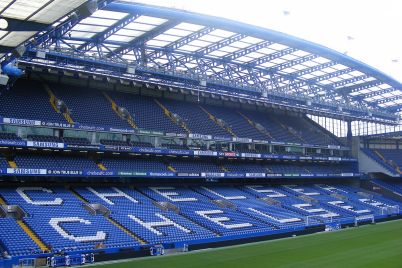
A packed Gtech Community Stadium hosts Brentford v Arsenal this evening, with the 8pm GMT kick-off landing in the kind of slot that usually delivers intensity, noise and a game that swings on small moments.
The league context adds weight: Arsenal arrive as the team setting the pace at the top, while Brentford’s recent surge has pulled them back into the conversation for a strong top-half finish and, at minimum, a season-defining run of results against elite opponents.
Form suggests this is anything but a routine away trip. Brentford’s last match was a breathless 3–2 Premier League win at Newcastle on 7 February, decided by a late Dango Ouattara goal in a five-goal thriller, and it followed another statement away result: a 1–0 win at Aston Villa on 1 February. That sequence matters because it speaks to a side rediscovering the best version of itself on the road—compact when required, brave when the moment is there, and increasingly comfortable winning games that wobble late.
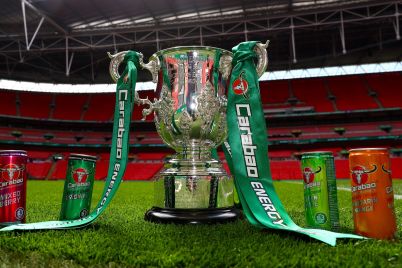
Arsenal’s build-up has been calmer on the scoreboard, but no less significant. Their last match in any competition was a 3–0 Premier League win over Sunderland on 7 February, continuing a run of results that has kept them in control of the title race. Before that came a cup night with real edge, beating Chelsea 1–0 to seal passage to the Carabao Cup final on aggregate—another example of a team that can manage game-state and still find a decisive moment when it matters most.
The most intriguing part of the match-up is stylistic and psychological rather than purely positional. Brentford at home are built to make opponents uncomfortable: aggressive triggers, quick direct play into dangerous areas, and a crowd that senses blood the moment a top side looks even slightly uncertain.
Arsenal, meanwhile, tend to thrive when they control tempo and territory—pinning teams back, recycling pressure, and forcing opponents to defend for long spells without a release. If the early phases tilt toward Brentford’s chaos, the hosts will believe. If Arsenal impose calm and keep the ball in the right areas, the evening can become an exercise in patience and precision.
Team news could have a major say in which of those scripts wins out. Arsenal’s headline fitness watch is Bukayo Saka, who has been dealing with a hip issue and is being assessed, while Mikel Merino is expected to undergo surgery on a foot problem—removing a key midfield option and potentially changing the balance of the middle third.
Brentford’s concerns are concentrated around a couple of important pieces: Kristoffer Ajer (ankle) and Mikkel Damsgaard (knee) have been monitored after recent issues, with the club also confirming Josh Dasilva remains sidelined and Fábio Carvalho and Antoni Milambo are out for the season.
Those availability questions feed directly into the key battles. Brentford’s most recent win was shaped by Ouattara’s decisive contribution and the team’s ability to stay brave late on, a theme that has reappeared in several of their best results this season. Arsenal’s cup progress, meanwhile, was driven by a big moment from Kai Havertz, and that ability to find a winner in tight matches is often what separates title contenders from the chase pack.
Tactically, this looks like a game that could hinge on transitions and set-piece detail. Brentford will want to turn turnovers into fast attacks before Arsenal can reset their structure, while Arsenal will want to minimise those “end-to-end” phases and keep Brentford defending their box rather than running into space.
The margins at set-pieces may be just as important: when matches between a top side and an intense home opponent tighten, one corner, one second ball, or one lapse in marking can flip the entire narrative.
The first goal feels particularly important. An early Brentford strike would ignite the stadium and force Arsenal into a higher-risk game than they’d prefer on an away night. If Arsenal score first, mentionable patterns tend to follow: longer spells of control, the crowd’s impatience shifting onto the home side, and Brentford needing to commit numbers forward—opening up the spaces that title-chasing teams punish.
Either way, with both sides arriving in form and with fitness calls likely shaping the final line-ups, this has the ingredients of a London clash decided by fine margins rather than long stretches of domination.