
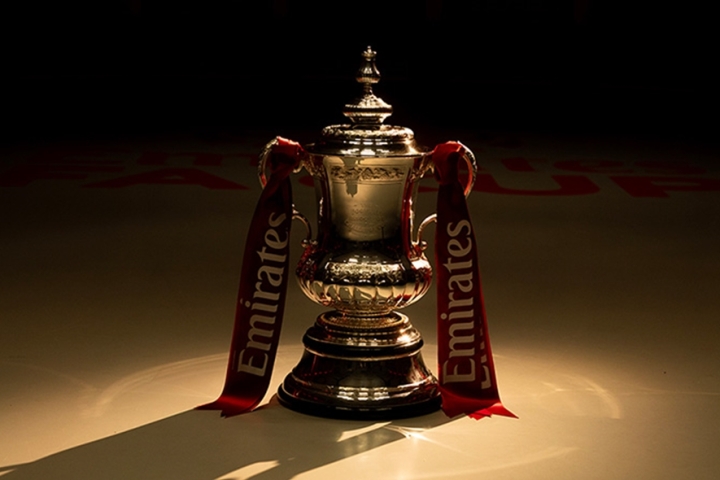
Macclesfield’s dream FA Cup run finally ran out of road last night, but only after they had pushed Brentford to the limit in a tense, emotional 1-0 defeat at Moss Rose.
For a non-league side taking on top-flight opposition, the performance was as brave as it was disciplined: they matched Brentford for effort, defended with real organisation, and even had moments where the stadium genuinely believed another giant-killing could be on the cards. In the end, the tie turned on one cruel moment in the 70th minute, when a cross was whipped into a dangerous area and defender Sam Heathcote, trying to do the right thing under pressure, glanced the ball into his own net.
It was a devastating way for Macclesfield to go out—especially given how much they’d poured into the evening—and it left Brentford relieved rather than triumphant as they booked their place in the fifth round.
The tone of the game was set early: Macclesfield weren’t content to camp on their own penalty spot and hope for mercy. They pressed in spells, fought for second balls, and made Brentford earn every clean touch in the final third. Brentford had more possession, but for long stretches it was possession without comfort—Macclesfield’s shape stayed compact, their midfield line worked relentlessly, and their back line attacked crosses with the kind of conviction that turns “pressure” into harmless territory. When Brentford did carve out chances, Max Dearnley stood firm, producing key saves that kept the scoreline at 0-0 and the crowd believing this could become another famous night.
Brentford’s best moments came when they managed to speed the game up—quick switches of play, early deliveries, and runners arriving on the blind side—yet the first half ended with Macclesfield still intact and Brentford still searching for a clearer route to goal. Macclesfield even showed they could threaten themselves, with a bold long-range effort from James Dawson that drifted narrowly wide and drew a roar from the home end, a reminder that the underdogs weren’t merely surviving—they were looking for their own moment to tilt the tie.
After the break, Brentford increased the pressure in a more sustained way. The tempo rose, the ball spent longer in Macclesfield’s half, and the crosses started to arrive with greater frequency. Dearnley was forced into more action, including sharp stops from close range and from set-piece situations where bodies crowded the box and rebounds became a danger.
Macclesfield, though, kept finding a way to reset—one more header won, one more tackle slid in, one more clearance hooked away—until the moment that finally broke them arrived just past the hour. A delivery flashed across the face of goal, and with Brentford attackers arriving behind him, Heathcote tried to defend the cross but could only redirect it past his own goalkeeper. The celebration from the away side was muted; everyone could see immediately what it meant for the player involved and how harsh it felt in the context of Macclesfield’s effort.
Macclesfield didn’t crumble after that. If anything, the goal dragged even more fight out of them. They chased an equaliser with the kind of urgency that makes cup ties crackle: pushing for throws high up the pitch, sending bodies forward on set-pieces, and putting Brentford under the sort of pressure that’s uncomfortable because it comes from belief rather than desperation. There was also a spell where Macclesfield briefly had to cope with being down to 10 men due to injury, making the timing of the goal feel even more cruel, yet they still found ways to get the ball into Brentford’s box late on. One of the clearest chances to force the tie deeper fell in the closing stages, but Brentford’s goalkeeper and defenders combined to deny Macclesfield at the key moment, preserving the narrow lead as the clock ran out.
Afterwards, Brentford boss Keith Andrews spoke with obvious respect for the opposition and the occasion, framing it as the kind of cup night where the only thing that truly matters is getting through, even if it isn’t pretty. He acknowledged how hard it was to find space against a team defending with such commitment and how quickly the match could have swung if Macclesfield had taken one of their moments.
Andrews also made a point of praising Macclesfield’s players for the courage and intensity they showed, and he even went out of his way post-match to pay tribute to them directly—an unusually telling gesture that underlined how testing the tie had been.
Macclesfield manager John Rooney, meanwhile, sounded more proud than bitter. He pointed to his side’s organisation, their willingness to compete for every duel, and the way they stayed in the game right to the end against Premier League opposition.
The heartbreak, of course, was the manner of the deciding goal, but Rooney’s message centred on what his team proved rather than what they missed: they stood up to a higher level, they played without fear, and they gave their supporters another night to remember—just this time without the fairytale finish.