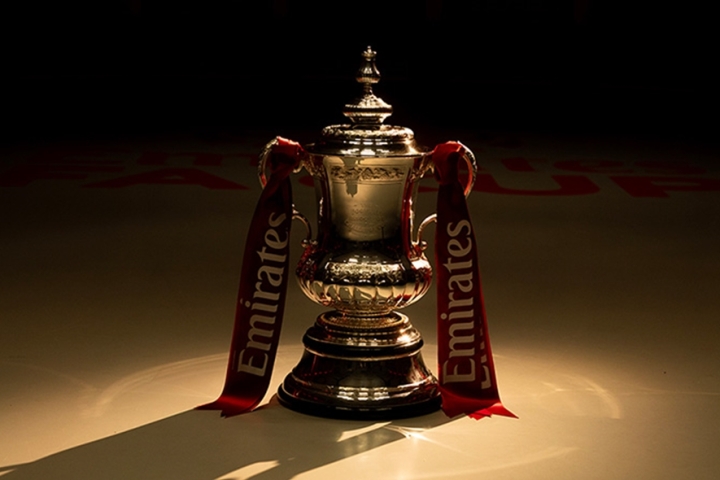
Macclesfield delivered an FA Cup story for the ages today, knocking out holders Crystal Palace 2–1 at Moss Rose in a result that will be talked about for decades. A side from the National League North, backed by a crowd in full voice and playing with fearless intensity, outworked and outthought Premier League opposition to earn a famous place in the fourth round.
Palace dominated the ball early on, but their possession rarely turned into clear chances. Macclesfield were organised, aggressive in the tackle and brave enough to press high when the moment was right, forcing errors and dragging the visitors into the kind of scrappy contest underdogs love. The first real warning came when Macclesfield began winning second balls in midfield and delivering early crosses into the Palace box, turning the match into a battle of duels and concentration rather than technique.
The breakthrough arrived close to half-time and it felt fully in keeping with the way the game had developed. Captain Paul Dawson rose to meet a delivery from wide and powered a header past the goalkeeper in the 43rd minute, sending Moss Rose into frenzy and leaving Palace suddenly chasing a tie they were expected to control. The goal injected even more belief into the home side, while Palace’s response before the break lacked sharpness, with too many attacks breaking down at the edge of the area.
Palace tried to raise the tempo after the interval, but instead of forcing Macclesfield back, they left space for the hosts to counter and for set pieces to become even more dangerous. Just before the hour, Macclesfield struck again in chaotic fashion. A ball into the box wasn’t cleared cleanly, it pinged around in a crowded penalty area, and Isaac Buckley-Ricketts reacted quickest to poke/clip the ball home to make it 2–0 on 60 minutes. At that point, the tie was no longer a shock-in-progress — it was a genuine crisis for the cup holders.
The final half-hour was played with Palace pushing forward and Macclesfield defending with desperate discipline. The hosts threw bodies in front of shots, tracked runners relentlessly and used the crowd as fuel every time they won a tackle or forced a turnover. Palace’s best spell came late, but even then their decision-making was rushed, and Macclesfield continued to look dangerous whenever they could relieve pressure with direct running into the channels.
The holders did finally find a lifeline in stoppage time when Yéremy Pino curled a superb free-kick into the net to reduce the deficit, setting up a tense finale and a few frantic moments in which Palace tried to force an equaliser. Macclesfield, though, held their nerve, defended the box with everything they had and saw out the remaining seconds to seal a historic win that sparked wild celebrations at the final whistle.
After the match, Macclesfield manager John Rooney was visibly emotional, praising his players for their discipline, bravery and togetherness. He stressed that his side didn’t just “hang on” — they earned the win with their approach, their work without the ball, and their willingness to take the game to Palace at key moments. Rooney also spoke about the spirit around the group and how much the occasion meant to the club and supporters, describing it as the kind of day football rarely gives but everyone dreams of.
Oliver Glasner, by contrast, was furious with his side’s performance. He admitted Palace didn’t do enough of the basics, criticised their lack of quality and intensity, and said his team didn’t deserve to progress. Glasner also pointed out that when you play an opponent with this level of hunger and commitment, you have to match it first — and Palace simply didn’t. His reaction underlined just how damaging the result is for a club that arrived as defending champions and left humbled by a team many divisions below them.
Beyond the tactics and the scoreline, the day carried an emotional edge for Macclesfield, who played in a spirit of togetherness that clearly meant more than just football. The banner in the ground and the unity in their celebrations spoke to a club pulling in the same direction — and on a January afternoon, that collective belief was enough to topple the FA Cup holders.