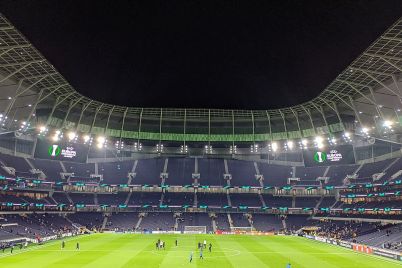
Newcastle United claimed a 2–0 home victory over Crystal Palace at St James’ Park, breaking stubborn resistance with two late goals to secure three valuable Premier League points. It was a performance built on control, persistence and set-piece efficiency rather than early fluency, but one that ultimately reflected Newcastle’s dominance over the course of the afternoon.
From the opening exchanges, Newcastle United set the tempo, pushing Palace deep and circulating possession with intent. Crystal Palace arrived with a clear plan: stay compact, deny space between the lines and frustrate the home crowd. For long spells, that approach worked.
Newcastle thought they had found an early breakthrough before half-time when Anthony Gordon turned in from close range, only for the flag to cut short celebrations. Joelinton then had another effort ruled out soon after, leaving Eddie Howe’s side heading into the interval with mounting frustration despite territorial control.
Palace were not without threat. Breaking sporadically, they forced Newcastle to stay alert, with Nick Pope required to make a sharp save to preserve parity. Will Hughes also went close from distance as Palace showed they were capable of punishing any lapse in concentration.
The second half followed a similar pattern. Newcastle continued to probe, increasing the pressure through wide areas and set pieces, while Palace defended in numbers and attempted to slow the game whenever possible. As the clock ticked on, the tension inside St James’ Park was palpable.
The breakthrough finally arrived in the 71st minute — and it came from the captain. A delivery into the box caused problems, and Bruno Guimarães reacted quickest, powering a header home from close range to lift the roof off the stadium. It was a goal that felt inevitable given Newcastle’s sustained pressure.
With Palace forced to open up, the second goal followed just seven minutes later. Another corner sparked chaos in the six-yard area, and defender Malick Thiaw showed sharp instincts to stab the ball over the line, effectively sealing the contest.
From there, Newcastle managed the game professionally, limiting Palace to half chances and seeing out the closing stages with confidence. Statistically, the hosts’ superiority was clear — more possession, more shots, and a vastly higher threat level — but it was their patience and composure that ultimately made the difference.
For Crystal Palace, the defeat extended a difficult run of form. Oliver Glasner’s side defended bravely for long periods but once again struggled to cope with set pieces, an issue that continues to undermine otherwise disciplined performances.
Eddie Howe will be pleased not only with the clean sheet but with the character shown to keep pushing after earlier setbacks. With key players returning to form and confidence growing, Newcastle’s ambitions of pushing toward the European places look increasingly realistic.
Palace, meanwhile, leave Tyneside knowing they must find solutions quickly. Their organisation kept them in the contest for over an hour, but fine margins — and two decisive moments — ultimately proved costly.