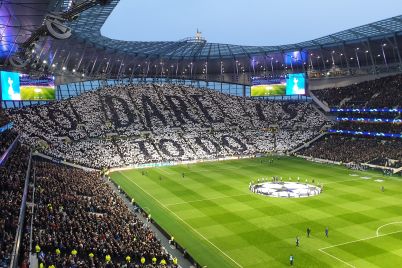
Tottenham Hotspur welcome Manchester City to North London, with both teams carrying a mix of expectation and uncertainty into kick-off. City’s position near the summit keeps the title chase firmly alive, but the wider mood has been shaped by defensive disruption and a run of league results that has demanded answers. Spurs, meanwhile, have been living in a different kind of tension: flashes of quality and commitment, followed by league afternoons where the rewards have been too scarce to shift the narrative.
League form offers a snapshot of why this matchup feels so loaded. City have remained a points machine across the season and still sit close enough to the leaders to make every away trip feel like a must-win, yet recent weeks have brought a sense of fragility that Guardiola’s teams don’t often carry for long. A difficult spell around the turn of the year put pressure on rhythm, and the challenge now is keeping the domestic chase intact while juggling the kind of availability problems that change not just selection, but style. Tottenham’s league story has been far more uneven, with the lower-half position reflecting the struggle to string together wins, and with every derby-style fixture bringing added scrutiny when the table is unforgiving.
The last match played in any competition provides an interesting contrast in confidence. Spurs’ most recent European outing brought a lift, beating Borussia Dortmund 2–0 and finding goals through Cristian Romero and Dominic Solanke, a night that underlined how dangerous they can be when energy levels are high and roles are clear. Domestic form, however, has carried frustration, with a 2–1 defeat at West Ham still fresh as a reminder of how quickly games can get away from them when concentration slips late. City’s latest European experience went in the opposite direction, a 3–1 loss away to Bodø/Glimt that added to the sense that control has been harder to impose recently. In the league, though, there was a more reassuring response in their last outing, beating Wolves 2–0 to steady the chase and reassert some authority.
Injury concerns are impossible to ignore, and they may end up shaping the entire tactical story. City’s biggest issue has been at the back. Rúben Dias and Josko Gvardiol have both been ruled out, John Stones has also been unavailable, and the cumulative effect is a defensive picture that has required improvisation rather than fine-tuning. That has already forced Guardiola into rotation and reshuffling, and it puts extra pressure on the team’s defensive habits in transition, because the margin for “one mistake” shrinks when partnerships are unfamiliar. Spurs have their own list of problems, particularly in creative and midfield areas: James Maddison and Dejan Kulusevski have been sidelined, and there have also been absences affecting options such as Richarlison and Rodrigo Bentancur, limiting both the starting choices and the ability to change the game from the bench. The result is a match where both managers may have preferred to be more flexible, but instead must focus on stability.
Those absences also shape where the attacking responsibility sits. City still have one obvious headline act. Erling Haaland remains the league’s most intimidating finisher, and even in matches where the chances aren’t flowing, he can decide the outcome with a single movement across the line or a single contact in the box. Phil Foden’s influence has also been important in recent weeks, not only in goals but in how City find tempo when the game is tight, while midfield control remains the platform Guardiola will lean on if the back line is still patched together. Spurs’ attacking picture is more about who can step into leadership roles with key creators missing. Solanke’s goal in Europe was timely, offering evidence of sharpness and confidence, and Romero’s set-piece threat is always relevant against a City side that will not want to defend repeated dead balls given their defensive availability issues.
The key tactical question is whether this becomes a possession squeeze or a transition battle. City will expect to dominate the ball and territory, trying to pin Tottenham in and create sustained phases around the box. The risk, however, is that a stretched, improvised defensive unit can be exposed if Spurs turn regains into fast breaks and force foot races in open space. Tottenham’s best route is likely to be a blend of compact defending and sharp counter-attacks, especially if they can lure City full-backs forward and attack the space behind them. If the match turns chaotic, it may actually suit Spurs more than usual, because City’s current defensive picture is at its most vulnerable when the game becomes end-to-end.
Set-pieces could become a decisive theme. Tottenham’s ability to threaten from corners and wide free-kicks has often been a reliable route to goals when open-play creativity is limited, and Romero’s recent scoring adds weight to that. City, for all their quality, have shown that defensive rhythm matters when dealing with repeated deliveries, and with multiple senior defenders missing, organisation and second-ball reactions become even more important. On the flip side, City’s own set-piece threat can’t be ignored; sustained pressure often brings corners, and with Haaland attacking the six-yard area, one delivery can swing a match that otherwise feels tight.
Game state will matter more than usual. If City score early, the fixture can turn into a long exercise in control, the sort of afternoon where Guardiola’s side squeeze territory, reduce transitions and manage the clock through possession. If Tottenham land the first punch, the dynamic shifts sharply: the home crowd grows, the match becomes more emotional, and City are forced into riskier attacking positions that can open space for counters. With Spurs carrying injury limitations, an early lead could also allow them to simplify the plan—defend the box aggressively, protect the middle, and break in numbers when the chance appears.
The wider context makes this feel like a test of nerve as much as quality. City need to keep the title chase alive through a period where defensive depth is stretched, and that means finding wins in matches that may not be pretty. Tottenham need a league statement, not just for points but for belief, because European highs and domestic frustration don’t coexist comfortably for long. With two squads carrying notable absences and with both managers likely to prioritise control over chaos, the outcome may come down to a handful of decisive moments—one transition finished well, one set-piece won cleanly, or one lapse punished at the highest level.