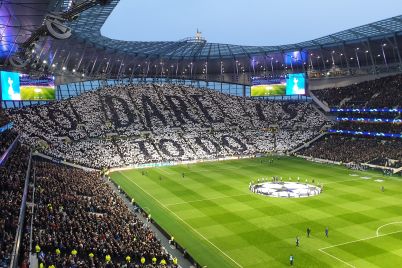


Arsenal return to Premier League action this weekend with Bournemouth the visitors to the Emirates Stadium in a fixture that carries significance at both ends of the table as the season approaches its decisive phase. With the title race intensifying and European commitments adding further pressure to an already demanding schedule, the challenge for Mikel Arteta’s side will be balancing momentum, squad fitness and consistency as they aim to convert strong performances into tangible success. Bournemouth arrive in North London determined to disrupt that ambition, bringing with them an impressive run of results that highlights both tactical discipline and growing confidence under Andoni Iraola.
Recent weeks have offered a mixture of encouragement and frustration for Arsenal supporters. Progress in Europe has provided optimism that this could yet become a memorable campaign, while domestic cup exits have served as a reminder of the fine margins that often define elite level football. A narrow victory in continental competition demonstrated resilience and squad depth, with attacking players continuing to influence decisive moments in key fixtures. Confidence gained from those performances is likely to play a role heading into this encounter, particularly given the importance of maintaining momentum during the closing stretch of the campaign.
The most recent outing in any competition saw Arsenal respond positively following disappointment in the FA Cup, where a late goal ended their hopes of further domestic silverware despite periods of control in the match. That result highlighted both the competitive intensity of knockout football and the need for continued defensive concentration, particularly in transitional moments. Even in defeat, there were encouraging signs in attacking areas, with forward combinations continuing to produce chances against well organised opposition.
League form has been notably strong, reinforcing the perception that Arsenal have developed a level of consistency capable of sustaining a title challenge. Recent victories have been built upon structured build-up play, positional fluidity in midfield areas and the continued influence of key attacking personnel capable of producing moments of individual quality. Tactical balance has been a defining feature of Arteta’s approach this season, with the team demonstrating the ability to control possession phases while remaining dangerous in transition. Performances in the league have helped maintain a points advantage at the top of the table, ensuring that every remaining fixture carries heightened significance.
Bournemouth’s approach to the game is unlikely to be passive. The Cherries have shown resilience across recent fixtures, with an extended unbeaten sequence underlining their capacity to frustrate technically superior opponents. A series of draws has reflected both defensive structure and a willingness to remain competitive in tight contests, attributes that may prove particularly relevant against opponents expected to dominate possession. Consistency has been built through organisation without the ball, intelligent use of wide players and a commitment to maintaining compact defensive spacing when required.
Previous meetings between the sides suggest the fixture rarely lacks entertainment value. Arsenal secured a 3–2 victory on the south coast earlier in the season, demonstrating their ability to recover from setbacks within matches and find decisive moments through midfield influence and attacking movement. That contest illustrated the threat Bournemouth can pose when pressing aggressively and exploiting isolated defensive lapses, reinforcing the need for concentration across all phases of play.
Selection considerations remain a key talking point heading into the fixture, with several players managing fitness concerns following an intense run of matches. Encouragingly for Arsenal, there have been positive developments regarding availability within the squad, with attacking reinforcements returning to training after recent absences. The potential return of creative players could significantly influence tactical flexibility, particularly in advanced areas where positional rotations and technical quality are central to chance creation.
Injury management continues to shape team preparation, with a number of players having undergone assessment during the build-up to the match. Progress in recovery programmes offers optimism that key figures may feature in some capacity, although medical staff will remain cautious given the importance of upcoming fixtures across multiple competitions. Squad depth has allowed rotation without significant reduction in performance levels, illustrating recruitment strategy effectiveness following the most recent transfer window.
Bournemouth also approach the game with fitness considerations influencing selection planning. Midfield availability has been monitored closely in recent weeks, with returns from injury potentially strengthening structural stability in central areas. Physical presence in midfield will be essential when attempting to disrupt Arsenal’s build-up phases, particularly when attempting to limit progressive passing lanes into advanced attacking positions.
Players in form could ultimately determine the outcome of the fixture. Arsenal’s attacking unit has demonstrated an ability to share goalscoring responsibility, reducing reliance on a single individual and allowing tactical variation across the forward line. Movement between lines, positional interchanges and the capacity to attack both central and wide spaces have created unpredictability in attacking phases. Midfield contributions in the final third have also been notable, with late runs into scoring areas providing an additional dimension to attacking play.
Defensively, structural organisation has been a consistent strength, with coordinated pressing and controlled positioning limiting opposition opportunities in key areas. Goalkeeping performances have also provided reassurance, particularly in high-pressure moments where concentration and distribution quality are essential components of modern tactical systems.
Bournemouth’s attacking threats should not be underestimated. Transitional play has been particularly effective, with forward players demonstrating pace and directness when space becomes available. Wide areas have been utilised to stretch defensive lines, creating opportunities for central runners to exploit gaps between defensive units. Set-piece delivery has also presented scoring potential, particularly against teams committed to aggressive attacking structures.
Tactical strategy is expected to reflect the respective objectives of each side. Arsenal are likely to emphasise territorial control, structured pressing and positional discipline in midfield areas to sustain attacking momentum. Rotational movement between attacking players may be used to create overloads in wide zones, with full-backs potentially playing a significant role in progression phases. Maintaining defensive balance during attacking sequences will remain a priority, particularly against opponents capable of quick counter-attacks.
Bournemouth’s tactical framework may focus on compact defensive organisation combined with selective pressing triggers. Structured mid-block positioning could limit space between lines, encouraging Arsenal to circulate possession in deeper areas before attempting progressive passes through congested central zones. Quick vertical transitions following turnovers may represent a primary attacking strategy, particularly when attempting to exploit spaces left by advanced full-backs.
Psychological factors may also influence the encounter. Arsenal’s objective of maintaining momentum in the title race adds pressure to secure maximum points, particularly with competing teams seeking to capitalise on any dropped results. Experience gained from previous title challenges may contribute to improved composure in high-pressure situations, an element often critical during the closing stages of the season.
For Bournemouth, the opportunity to secure a positive result against league leaders represents both motivation and a chance to reinforce progress made throughout the campaign. Strong performances against top opposition often serve as indicators of development under current tactical systems, particularly when defensive structure and attacking efficiency combine effectively.
Momentum gained from recent performances suggests the match could be competitive despite differences in league position. Arsenal’s technical quality and depth provide a strong foundation for success, yet Bournemouth’s organisation and resilience indicate the contest may require patience and tactical adaptability. Fine margins, particularly in transitional moments or set-piece situations, could ultimately determine the outcome.
As the Premier League season approaches its conclusion, fixtures such as this often carry implications beyond the immediate result. Maintaining rhythm, managing squad fitness and sustaining confidence levels are all critical components of successful campaigns. Arsenal’s ability to convert control into clear scoring opportunities may prove decisive, while Bournemouth’s capacity to remain compact and disciplined could influence the overall tempo of the match.
Supporters can expect an encounter shaped by tactical detail, technical quality and the broader context of seasonal objectives. With both sides seeking to achieve specific targets before the campaign concludes, the fixture presents an opportunity to demonstrate progress, resilience and competitive intent at a crucial stage of the football calendar.