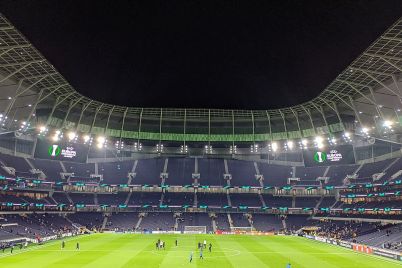
City were cruising at 2-0 up at the break thanks to goals from Rayan Cherki and Antoine Semenyo, but the second half belonged to Dominic Solanke, who dragged Spurs level with a brace capped by an outrageous scorpion-kick finish that lit up the Tottenham Hotspur Stadium.
The opening period was almost all City. Spurs looked disjointed and anxious in possession, struggling to play through City’s press and offering little threat beyond hopeful balls into the channels. City, by contrast, were fluid and patient, constantly finding gaps between Spurs’ midfield and defensive lines. The breakthrough arrived on 11 minutes when Cherki picked up the ball in a dangerous pocket, shifted it out of his feet and drilled a low finish beyond the goalkeeper to give City an early lead. With Spurs still wobbling, City had chances to double the advantage before the interval—most notably when Erling Haaland went close from a promising position—while Spurs were reduced to isolated counters that fizzled out before they could properly test City’s back line.
Just before half-time, City landed the second goal their control deserved. A crisp move through midfield opened Spurs up again, and Semenyo finished clinically to make it 2-0. The home crowd’s mood turned sour as Spurs headed down the tunnel to a chorus of boos, and it felt like a long afternoon was on the way.
Thomas Frank changed the picture after the break, adjusting Spurs’ shape and injecting fresh energy from the bench. Spurs began pressing higher, playing with more urgency, and crucially started winning second balls that City had been collecting comfortably in the first half. That shift quickly led to the first big flashpoint of the comeback. On 53 minutes, Solanke forced his way onto a loose ball in the box and bundled it home, but City were furious, convinced there had been a foul in the build-up. The goal stood, and it altered the emotional temperature of the match immediately—City looked rattled, Spurs suddenly believed, and the stadium woke up.
From that moment, City’s control evaporated. Their passing became less clean, Spurs’ runners began arriving in the box in numbers, and the game opened into end-to-end transitions rather than the measured pattern City wanted. Spurs’ equaliser on 70 minutes was the moment everyone will remember: a low delivery flashed across goal, Solanke improvised brilliantly, and with his back to goal he flicked a scorpion-style finish into the net. It was a piece of pure instinct and technique—an equaliser that belonged on a highlights reel regardless of the final result.
Both sides had time to win it. City tried to regain composure and push for a late winner, while Spurs—buoyed by the comeback—looked dangerous whenever they broke forward with pace. But neither could find the final decisive touch, and the match ended with City’s players looking deflated and Spurs’ fans applauding a response that had looked unlikely at half-time.
After the game, Pep Guardiola pointed to the turning point being the first Spurs goal and the emotional swing it created, suggesting City lost their grip on the contest once momentum shifted and the crowd got involved. He still sounded determined that the title chase isn’t finished, but admitted his side must be far more consistent in managing games they have under control. Frank, meanwhile, praised his players’ character and spoke about the importance of unity between the team and supporters, acknowledging the frustration in the first half but highlighting that the second-half response showed what Spurs can be when they play with belief and intensity.
In the end, City will see it as two points thrown away after a dominant first half, while Spurs will treat it as a potential turning point—an afternoon where they looked beaten, then found a way back, led by Solanke’s opportunism, athleticism, and one moment of outrageous invention.