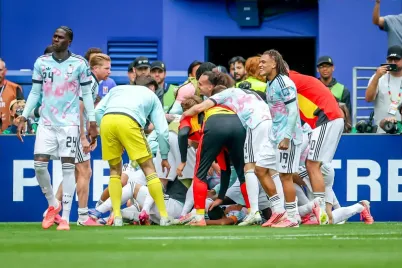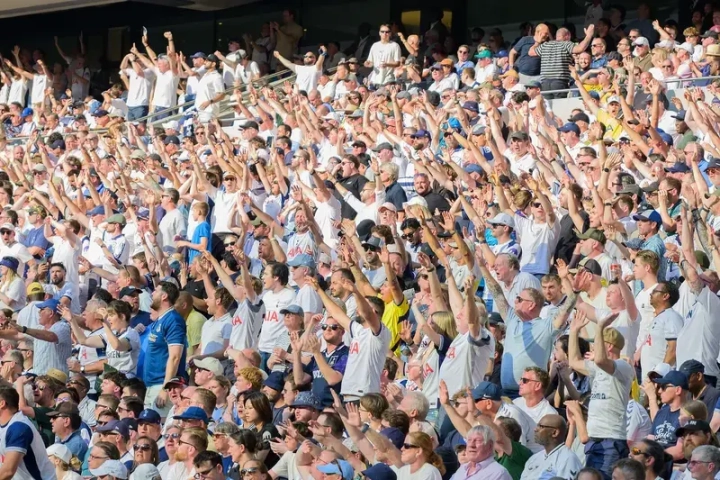
Tottenham Hotspur survived Armageddon. Everton, sadly, barely turned up to the burning building.
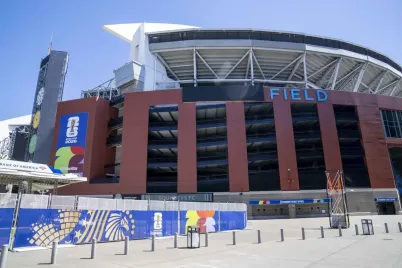
On a final day loaded with fear, noise and the possibility of one of English football’s biggest clubs slipping through the Premier League trapdoor, Spurs found just enough nerve to stay alive. João Palhinha’s first-half goal was enough to deliver a 1-0 victory, enough to keep Tottenham in the top flight, and enough to leave West Ham United broken despite doing their own job elsewhere.
For Everton, this was a flat, passive and deeply disappointing end to a season that once hinted at something much more exciting. There was a point, not so long ago, when David Moyes’ side had European football in their sights. By full-time in North London, that ambition felt like a story from another campaign. Everton did not finish the season with momentum. They crawled over the line with the engine coughing smoke.
This was not a hard-luck defeat. It was not one of those afternoons when Everton could point to missed chances, heroic blocks, bad refereeing or a goalkeeper having the game of his life. They were simply poor. Too deep, too slow, too blunt and too easy to play against. Spurs were the side carrying the terror of relegation, yet Everton played like the team weighed down by dread.
That is what will frustrate supporters most. Tottenham were there to be tested. The nerves were there. The pressure was there. West Ham were winning elsewhere and doing everything they could to drag Spurs into the Championship. One Everton goal would have turned the stadium into a cauldron of panic. Instead, Moyes’ side offered very little. By the 80th minute, they had still not properly troubled the Tottenham goal. For a team looking to end the season with pride, that was nowhere near enough.
Everton’s attacking performance was almost non-existent. Spurs had 20 shots to Everton’s seven. Everton’s expected goals figure was just 0.30. For long periods, possession was sterile, slow and harmless. There were passes, there was shape, there was the odd spell of territory, but there was no punch. No incision. No sign that Tottenham were being dragged into the kind of late chaos that could have destroyed them.
The two centre-backs also looked too slow. Everton defended deep, but not with authority. That is a dangerous combination. If a team sits deep, it has to be compact, aggressive and ready to spring. Everton were none of those things. They looked cautious without being secure, conservative without being composed. Spurs were not brilliant, but they carried more urgency, more legs and more emotional heat.
Palhinha’s goal on 43 minutes summed up the difference. It was not a work of art, but it was a moment of will. He met the chance, reacted to the rebound and forced the ball over the line. Tottenham did not need poetry. They needed someone to throw a body into the fire and come out with something. Palhinha did that.
From there, Spurs were never really in jeopardy of losing the game. There were anxious moments because that is Tottenham, because this was a final day, because West Ham were winning and because football enjoys twisting the knife for sport. But Everton never truly made them unravel. There was no sustained siege, no wave after wave of pressure, no sense that Spurs were clinging to the cliff edge by their fingertips. They were nervous, yes. They were uncomfortable, certainly. But they were not overwhelmed.
West Ham did their job. They beat Leeds. They applied the pressure. They made sure Tottenham could not stroll through the afternoon without looking over their shoulder. But Spurs came through it. They survived the inferno. They finished 17th, two points above West Ham, and Roberto De Zerbi now has the summer of his Tottenham life ahead of him.
For De Zerbi, survival cannot be treated as success in any lasting sense. It is relief, not glory. Tottenham Hotspur should not be celebrating staying in the Premier League as though it is an achievement worthy of a parade. This is a club with a magnificent stadium, huge resources, a major fanbase and expectations that should live far above a relegation scrap. But De Zerbi has at least stopped the bleeding. He inherited a mess, dragged enough spirit out of the players and got them through the final day.
Now comes the real work. Spurs cannot be allowed to drift into this position again. De Zerbi needs a huge summer: mentally, tactically and in the transfer market. Tottenham need more pace, more resilience, more authority and a squad that looks built for a plan rather than patched together from several failed ideas. Survival buys them time. It does not buy them forgiveness.
Everton face a different but equally important summer.
The question around David Moyes is not whether he has improved Everton from the chaos of recent years. He has brought stability, organisation and a clearer identity at different points of the season. But the final seven games were alarming. Everton took just three points from the last 21 available. They failed to win any of their final seven league matches, drawing three and losing four. They scored ten and conceded 15 during that run.
The sequence tells the story: a 2-2 draw at Brentford, a 2-1 defeat at home to Liverpool, a 2-1 defeat at West Ham, a 3-3 draw with Manchester City, a 2-2 draw at Crystal Palace, a 3-1 home defeat to Sunderland and then this 1-0 defeat at Spurs. That is not a gentle tail-off. That is a collapse in rhythm, confidence and defensive control.
The defeats to West Ham and Spurs sting particularly because they came against sides fighting their own desperate battles. Everton did not look ruthless enough to exploit either. Against West Ham, they lost a game that mattered to the European conversation. Against Spurs, they failed to land a meaningful blow on a team fighting for its Premier League life. Those are the games that separate a side with ambition from one that is still stuck in the middle-distance fog.
Everton cannot afford another summer of half-measures. Moyes needs backing. Proper backing. Not cosmetic signings. Not squad fillers. Not hopeful punts dressed up as strategy. Everton need pace through the team, more athleticism at centre-back, more creativity in midfield and more reliable firepower. They need players who can change the tempo of a match, not merely survive inside it.
Because if Everton do not spend properly, this is where they will remain: not quite in crisis, not quite ambitious, always hovering in that grey corridor between danger and progress. Supporters have seen enough of that. They have lived through relegation fights, points deductions, uncertainty and years of underinvestment. This season offered glimpses of something better, but the ending was a reminder that the squad still needs serious surgery.
The biggest worry is that Everton looked empty when they should have looked angry. The campaign was still alive a few weeks ago. Europe was not a fantasy. Eighth place, a possible Conference League route, something fresh at the new stadium, it was all there to be chased. But the final weeks lacked edge. They lacked conviction. They lacked that sense of a team kicking the door down to reach the next level.
Moyes will know it. He will not need anyone to dress this up. The first job was to steady Everton. The next job is to raise the ceiling. That cannot happen without investment. If Everton want more than mediocrity, they have to behave like it in the transfer market.
For Spurs, the final whistle brought release. For Everton, it brought reflection. Tottenham survived their nightmare. Everton ended theirs with the nagging feeling that a better season was allowed to slip away.
One club escaped the trapdoor.
The other must now escape the swamp.