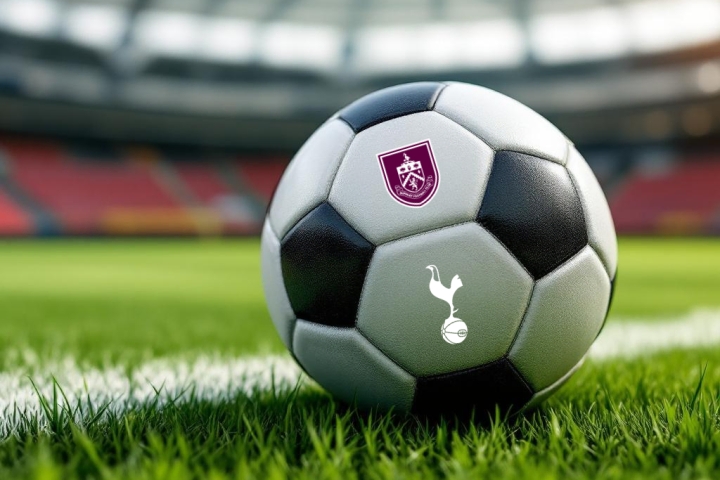
A cold Saturday afternoon at Turf Moor has a familiar feel to it: a relegation-threatened home side clinging to scraps of momentum and a visiting heavyweight trying to shake off a season that has stubbornly refused to settle. Burnley host Tottenham today with both clubs needing points for different reasons, and with the Premier League table making every minute feel weightier than the calendar suggests. After 22 matches, Burnley sit 19th on 14 points, while Spurs are 14th on 27, a gap that doesn’t remove pressure from either camp so much as it changes its shape.
For the Clarets, the urgency is straightforward. Results have been hard to come by, and a long stretch without wins has left them with little margin for error. Even so, the last league outing offered genuine encouragement: a 1–1 draw away at Liverpool on 17 January. Falling behind to a Florian Wirtz opener at Anfield could have led to another familiar collapse, but Marcus Edwards’ equaliser hauled them back into the contest and, just as importantly, showed a side with enough belief to compete in hostile environments. That point followed a run of draws and defeats, and while it didn’t transform their position, it did supply evidence that Burnley can still find the resilience required for a survival fight—especially if Turf Moor becomes the kind of uncomfortable venue it has been for so many visiting teams over the years.
Tottenham’s build-up comes with its own sense of instability, but it’s been shaped by a very different combination of noise and necessity. A 2–1 home defeat to West Ham on 17 January left frustration simmering, with the performance and late swing in that derby feeding the sense that the league campaign has drifted well below expectations. Yet Europe provided a jolt in midweek: a 2–0 Champions League win over Borussia Dortmund on 20 January, with goals from Cristian Romero and Dominic Solanke, eased some pressure and underlined that the squad still has fight and quality when the intensity is right. The challenge now is turning that European lift into domestic traction, particularly with another Champions League trip to Eintracht Frankfurt looming next week and the league demanding immediate focus.
Injuries and availability may end up deciding the tone as much as tactics. Burnley’s absences remain significant, with Zeki Amdouni, Josh Cullen, Jordan Beyer, Connor Roberts and Mike Trésor all ruled out, leaving Scott Parker short in key areas of structure and depth. There are also late calls that matter: Zian Flemming has been battling a knock and Joe Worrall has been a fitness concern, and any absence there would bite because goals and defensive stability have both been thin resources this season. Tottenham’s list is longer and more disruptive, with Dejan Kulusevski, James Maddison, Richarlison, Rodrigo Bentancur, Lucas Bergvall, Ben Davies and Mohammed Kudus all sidelined. João Palhinha has been a doubt with a knock, and the cumulative effect is clear: even when a strong XI can be assembled, the bench and the flexibility to change a match have often been compromised.
That context shapes how each side can realistically approach the game. Burnley have shown, particularly in the Liverpool draw, that they can stay compact and emotionally steady, picking moments rather than chasing the match recklessly. Tottenham, depleted and still searching for consistency, may have to balance patience with urgency—avoiding the kind of forced play that turns a tight match into a transition festival. Turf Moor tends to reward the team that wins second balls, keeps concentration on set-pieces and handles the “ugly” moments well, and that can make life uncomfortable for visitors even when they have more of the ball.
Key individuals offer the clearest routes to goals and, potentially, to control. Burnley’s league scoring has been led by Jaidon Anthony and Zian Flemming with five apiece, and with Flemming’s fitness uncertain, Anthony’s ability to carry the ball, draw fouls and find shots becomes even more important. Edwards’ equaliser at Anfield also feels significant, not just for the goal but for the confidence it can inject into a player capable of creating something from little. Up front, the physical presence and movement of Armando Broja can provide an outlet when pressure builds, particularly if the game becomes stretched and the first pass forward needs to stick.
Tottenham’s leading league scorer remains Richarlison with seven, but with the Brazilian sidelined, the burden shifts elsewhere. Solanke’s goal against Dortmund could be timely in that sense, suggesting sharpness returning at the right moment and offering a more natural penalty-box threat if service arrives. Romero’s return to scoring—and his leadership at the back—also matters in a match that can easily be decided by one moment at a set-piece. Even then, the pattern of Spurs’ season has been clear: promising spells have too often been undone by lapses, and the missing creative options mean the margin for error in the final third can be painfully thin.
The tactical match-up looks primed for a contest of control versus chaos. Burnley will likely want to make this feel like a grind—deny central space, force play wide, and challenge Tottenham to break them down without offering cheap transitions. Spurs will aim to move the ball quickly enough to avoid being pinned into predictable lanes, while staying alert to the moments Burnley will target: throw-ins in advanced areas, corners, and quick breaks that turn one clearance into a shooting chance. How well Tottenham manage those “reset” phases—when the ball turns over and both teams have to reorganise in seconds—could decide whether their technical edge becomes meaningful.
There’s also an emotional layer that tends to define matches like this. Burnley know that a home win against a club of Tottenham’s stature can act as a season-shifter, not just in points but in belief. For Spurs, the pressure is different but no less real: after a derby defeat and with injuries restricting options, this becomes a test of mentality as much as quality. If the match remains level deep into the second half, the stadium will feel it, and the side that keeps its nerve—whether that means defending one last set-piece, or taking one big chance when it finally opens up—may be the one that walks away with the result that changes the mood of their season.