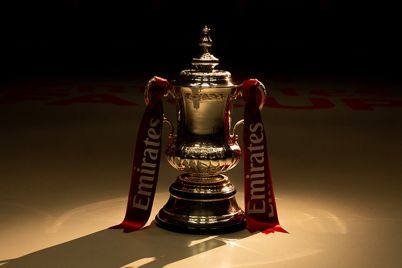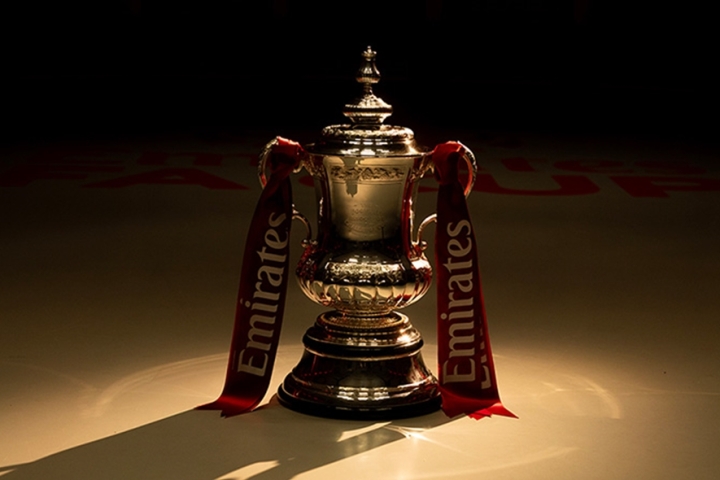
For long stretches of this FA Cup tie, Chelsea were not allowed the kind of evening many expected when the draw paired Premier League wealth with one of football’s most romantic modern stories. This was never the routine progression some predicted. Instead it became a frantic, emotional and often chaotic contest that perfectly captured what the FA Cup has always been about until the modern hand of VAR repeatedly threatened to interrupt the magic.
Chelsea eventually progressed with a 4–2 victory after extra time, but the scoreline tells only part of the story. Wrexham pushed them to the brink at the Racecourse Ground and, for long periods, looked capable of producing one of the competition’s most memorable shocks.
From the opening whistle the atmosphere made it clear that this would be no comfortable night for the visitors. Wrexham approached the occasion exactly as a lower-league side should when a Premier League giant arrives in town fearless, aggressive and completely committed to the possibility of something extraordinary.
Phil Parkinson’s team pressed high, competed for every loose ball and made sure Chelsea could never settle into a smooth rhythm. Every challenge was greeted with a roar from the stands. Every forward run carried the belief that this might become a famous FA Cup night.
The breakthrough arrived in the 18th minute, and it belonged to the hosts. Sam Smith finished calmly to send the Racecourse Ground into eruption, giving Wrexham a deserved lead and igniting genuine belief that an upset might be brewing.
Chelsea, under head coach Liam Rosenior, looked rattled for a time. Their technical quality was clear, but the tempo and emotional intensity of the occasion belonged firmly to Wrexham.
The equaliser before half-time arrived in chaotic fashion rather than through polished attacking play. A clearance rebounded off Wrexham goalkeeper Arthur Okonkwo and into his own net, dragging Chelsea level just before the break and slightly shifting the momentum of the tie.
Yet if Chelsea hoped that moment would settle things, the second half quickly proved otherwise.
Wrexham continued to play with remarkable bravery and were rewarded again in the 78th minute when Callum Doyle restored their lead, sparking another wave of belief around the stadium.
For a moment, the FA Cup felt exactly as it always has unpredictable, emotional and gloriously chaotic.
Chelsea’s response was immediate. Josh Acheampong struck four minutes later to level the match at 2–2, rescuing the Premier League side and ensuring the tie would be dragged into extra time.
But the night’s most controversial moments were still to come.
Deep into stoppage time, Wrexham midfielder George Dobson was shown a red card following a VAR review after a heavy challenge, leaving the hosts with ten men heading into extra time.
Later, another VAR intervention ruled out a potential Wrexham equaliser for offside during extra time, a decision that drained the stadium of its explosive celebration within seconds.
These are the moments that increasingly divide opinion around the FA Cup.
The competition built its reputation on raw emotion the instant eruption when an underdog lands a decisive blow. VAR may bring accuracy, but its long delays and forensic scrutiny inevitably interrupt that spontaneity. Nights like this show how quickly the magic can feel diluted when joy is paused for confirmation.
With the man advantage eventually telling, Chelsea finally asserted their quality in extra time.
Alejandro Garnacho volleyed the visitors into the lead in the 96th minute, a strike that finally tilted the balance decisively in Chelsea’s favour.
Even then Wrexham continued to fight, refusing to let the night fade quietly.
But the final word belonged to João Pedro, whose late finish deep into extra time sealed a 4–2 victory and ended the home side’s remarkable resistance.
When the final whistle arrived Chelsea were through to the quarter-finals, but they knew they had been given a serious examination.
For Rosenior’s side, this was a reminder that FA Cup ties rarely follow the script. Their superior depth and attacking quality ultimately proved decisive, but they were pushed to the edge by a team operating several levels below them in the football pyramid.
For Wrexham, defeat brought disappointment but also enormous pride.
They had taken the lead twice, played with courage and belief, and turned the Racecourse Ground into one of the loudest arenas in English football for an unforgettable night. Even in defeat, they showed they belonged on this stage.
And yet the lingering conversation will not only be about goals or tactics.
It will also be about VAR about whether the technology designed to improve football is slowly eroding the spontaneous chaos that made the FA Cup the most romantic competition in the game.
Chelsea move on. Wrexham bow out.
But the memory of a wild night in North Wales full of drama, controversy and genuine cup magic will linger long after the scoreboard fades.