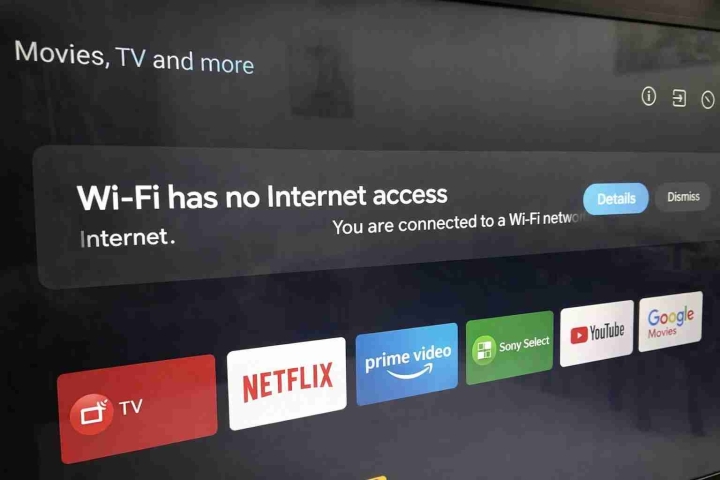
April 2026: Brits are increasingly putting WiFi above everyday essentials. More than a third (36%) would rather go without hot water for a week than lose internet access, with 34% saying they’d sacrifice their fridge and almost half (47%) their cooking appliances. Even in the depths of winter, a third (32%) would choose to be without heating before going offline.
The study of 2000 UK adults highlights how the internet has moved beyond entertainment to become one of the most relied-upon household services in the UK.
Even traditional TV ranks below internet access. Over half of Brits (54%) say they would rather lose terrestrial TV for a week than the internet, highlighting how streaming, social media and online entertainment now dominate daily life.
Commenting on the findings, Stephen Warburton from Zen Internet, which commissioned the research, said: “This isn’t just about streaming and scrolling. The internet now underpins how we work, access money, manage our homes and stay connected to the people who matter. When people say they’d rather lose heating or hot water than go offline, it shows just how critical reliable connectivity has become in modern Britain. When something becomes this embedded in daily life, reliability stops being a luxury and becomes an expectation.”
Generational divide on digital dependence
Almost half (45%) say they would struggle to go without internet access beyond 12 hours, and only 12% of 18 to 24-year-olds think they could cope for a full week – a reliance that is reshaping expectations around connectivity.
Younger generations are also far more likely to prioritise internet access over physical comforts. Almost two in five Gen Z and Millennials (both 38%) say they would rather lose their heating in colder months for a week than lose the internet, compared to just under a quarter (24%) of Baby Boomers.
Similarly, 42% of Millennials say they would rather lose hot water for a week than go without internet, compared to 30% of Baby Boomers, pointing to a widening generational gap in attitudes towards digital reliance.
For many Brits, losing internet is more stressful than other everyday frustrations
Losing internet access is now considered more stressful than sitting in traffic, with 46% of Brits ranking 24 hours offline above being stuck in a jam (38%).
Similarly, 35% of Brits say losing access to online banking and 44% believe forgetting your phone is more stressful than losing your physical wallet (credit cards/cash), reinforcing the idea that internet access now underpins security and independence as much as convenience.
And not having access to WhatsApp or text messages is considered more stressful than having no email access.
The findings highlight how deeply internet access is now embedded in everyday life across the UK. As more services move online, expectations around reliability and resilience continue to rise.