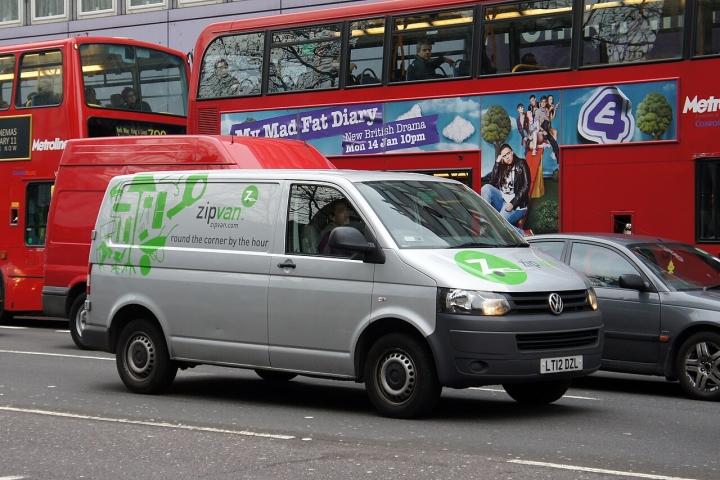
Environmental groups have called for urgent intervention from the mayor of London to protect the future of car clubs in the city.
The appeal follows Zipcar’s announcement that it will cease operations in London from 31 December. Groups warned that current policy conditions are “harmful to car sharing services” and could threaten shared transport options.
Ahead of a special meeting at City Hall, four policy proposals are set to be discussed with the mayor and Transport for London (TfL), including a plan to address the gap left by Zipcar. A mayoral spokesperson said he “wants to ensure that car clubs can remain an option for Londoners”.
Zipcar, a US-based car-sharing service owned by Avis Budget, began a formal consultation with employees before deciding to stop operating in the UK. The company has not provided specific reasons for the closure.
A letter from environmental campaigners described the loss of a major electric car club operator as “deeply concerning”, warning that “London risks falling even further behind other global cities that are leveraging shared, electric mobility as a cornerstone of their climate and transport strategies”.
Previous warnings from Zipcar indicated that changes to the congestion charge, including a 20% price increase to £18 and the removal of the EV exemption, could make car clubs “commercially unviable” in London. James Taylor, General Manager at Zipcar UK, told MPs in September that the loss of the 100% EV discount was a key factor.
Car clubs allow members to access vehicles for fixed periods, paying by the minute, hour or day. Vehicles are either parked at hubs or left in dedicated street bays. They are seen as an alternative to private car ownership and form an important element of the mayor’s strategy to reduce road congestion.
Zak Bond, campaign manager at Clean Cities London, wrote in the Financial Times that Zipcar’s “abrupt withdrawal from the UK is a significant setback for delivery of the mayor of London’s transport strategy and for London’s wider decarbonisation goals”. He added that policy conditions in the city have become “inhospitable to car-sharing operators” and called for urgent action, including fairer and cheaper parking arrangements.
Brenda Dacres, chair of London councils’ transport and environment committee, emphasised that car clubs are “an important part of London’s transport offer” and contribute to lowering carbon emissions. She noted that boroughs had worked with Zipcar for over 20 years, providing thousands of parking bays and EV charging points.
The mayor’s office confirmed that TfL and mayoral teams are meeting with stakeholders to discuss short-term challenges and explore long-term solutions to support car clubs in London.