Scientists at the University of Reading carried out 1,823 research procedures on animals in 2025.
The figure marks a reduction in animal procedure numbers from 2024, when 2,127 animals procedures took place for research purposes.
From 1,823 procedures:
Mice were the most-used animal in 2025, with 1,539 procedures taking place, of which 1,002 were considered at a mild severity, 460 were considered ‘moderate’, 47 were considered ‘sub-threshold’, 28 ‘non-recovery’ and two ‘severe’.
A total of 169 procedures involving rats were carried out, most of which took place at a ‘moderate’ severity.
64 cattle procedures took place with ‘mild’ or ‘moderate’ severity.
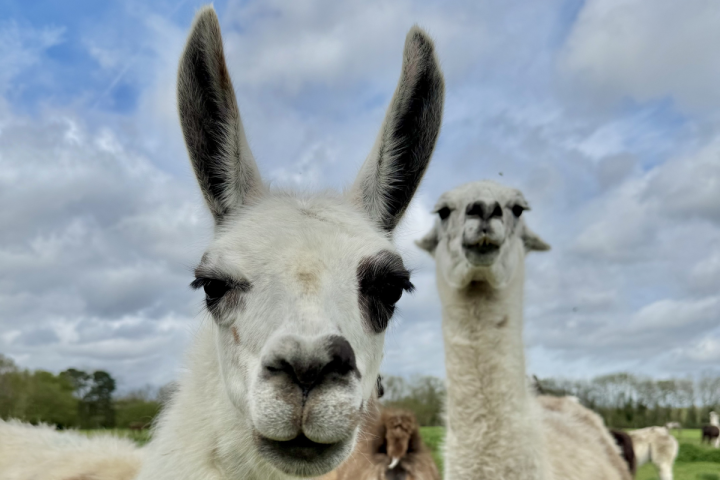
19 llama procedures, 20 fish procedures, and 12 pig procedures also took place.
View full animal procedure numbers from 2017-2025.
Towards better treatments
The University of Reading publishes statistics of the number of animals used in research on its animal research website each year, including figures on severity of harm and which types of animals are used.
Mice are used across a wide range of research areas at Reading. One recent study used mouse brain tissue to help researchers understand how stem cell-derived treatments might fight one of the most aggressive forms of brain cancer, glioblastoma, by targeting the inflammation that helps tumours grow and resist chemotherapy.
Previous research carried out at Reading involving animals has included working with cows to develop bovine TB vaccines, llama antibodies to find new human therapies, rats and mice to pioneer cannabis-derived epilepsy medicines, and zebrafish to understand the impact of obesity on the next generation.
Andrew Cripps, technical head of the University of Reading’s Bioresource Unit, said: “Animal research at Reading is carefully regulated and conducted only where necessary, and we are committed to being transparent about it. The number of procedures we carried out in 2025 dropped, mainly due to a pause in our procedures involving fish as we took time to refine our zebrafish facility.
“The studies we carry out with animals are helping to address some of the most serious health challenges people face, from chronic pain to cancer, and this work has the potential to transform lives around the world. We follow the principles of the 3Rs, working to replace, reduce and refine animal use wherever possible, with the long-term goal of reducing our reliance on animal procedures as new scientific methods become available.”
There are more ways to find out more about animal research at Reading:
Sign up to attend our public lecture: The Past Present and Future of Animal Research at Reading
Find out more about recent animal-related research: Animal research at Reading: past, present and future
View the Animal Research at Reading webpage