
A Night of High Drama in Los Angeles
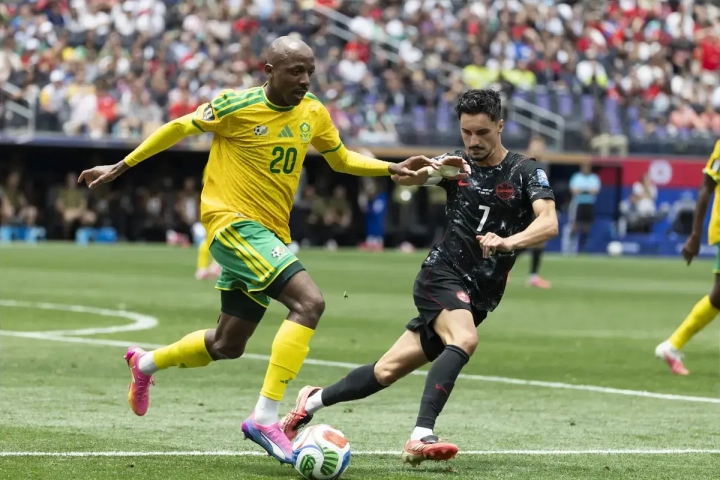
In a tense and fiercely contested encounter beneath the spectacular translucent canopy of the Los Angeles Stadium, Canada broke South African hearts to secure a 1-0 victory in the Round of 32 at the 2026 FIFA World Cup. Kicking off at exactly 20:00 BST on Sunday, 28 June 2026, the match presented completely uncharted territory for both proud footballing nations, as neither had ever previously advanced to the knockout stages of the global showpiece. It ultimately required a moment of spectacular individual brilliance deep into stoppage time from Canadian midfielder Stephen Eustáquio to finally separate the sides. The dramatic late winner ensures Jesse Marsch’s men continue their historic North American adventure, while Hugo Broos’s resilient South African squad depart the tournament with their heads held extremely high following a valiant, heroic defensive display.
Tactical Blueprints and a Cagey Opening
Both managers entered the fixture acutely aware of the historical significance of the occasion, leading directly to a cautious, highly tactical opening period. Jesse Marsch deployed his Canadian side in an aggressive 4-4-3 formation that fluidly transitioned into a 4-4-2 out of possession, aiming to press high and absolutely dominate the territorial battle. Maxime Crépeau started between the posts, shielded by a robust defensive line of Alistair Johnston, Derek Cornelius, Richie Laryea, and Moïse Bombito, who was handed a crucial starting role under immense pressure. Interestingly, Canadian superstar Alphonso Davies was once again named among the substitutes despite widespread pre-match anticipation regarding his return from injury. Up front, the prolific Jonathan David partnered Tani Oluwaseyi, tasked with breaking down a notoriously stubborn and deeply entrenched opposition.
Hugo Broos, carefully orchestrating the South African strategy, countered with a highly disciplined 4-2-3-1 setup.Goalkeeper and captain Ronwen Williams was protected by a resolute back four featuring Khuliso Mudau, Ime Okon, Mbekezeli Mbokazi, and Aubrey Modiba. The midfield pivot of Yaya Sithole and Teboho Mokoena provided a robust, impenetrable shield, while Thapelo Maseko, Relebohile Mofokeng, and Oswin Appollis were actively instructed to utilise their blistering pace on the counter-attack to support lone striker Evidence Makgopa.
The opening forty-five minutes were overwhelmingly characterised by physical midfield battles and robust defending rather than flowing, expansive attacking football. Canada desperately sought to orchestrate intricate passing networks, with Eustáquio constantly demanding the ball, but they were frequently met by a solid wall of green and yellow shirts. The tension inside the stadium was palpable, punctuated by two significant Video Assistant Referee (VAR) interventions. The first occurred in the 14th minute to assess a potential Canadian penalty appeal, and the second in the 36th minute to review a penalty claim for the South Africans. On both occasions, the meticulous reviews concluded that the on-field decisions should stand, ensuring the teams entered the half-time interval locked in a nervous, goalless stalemate.
Marsch Shuffles the Pack
Recognising the urgent necessity for a tactical shift and visibly frustrated on the touchline by his team’s distinct lack of offensive fluidity, Marsch demanded a significantly higher tempo following the restart. South Africa made the first tactical adjustment, introducing Thalente Mbatha for Mofokeng at the break to further solidify the midfield engine room and disrupt the Canadian passing rhythms.
As the second half progressed, the physical intensity of the encounter escalated significantly. Canadian midfielder Nathan Saliba was shown a yellow card in the 54th minute for a mistimed, robust challenge, prompting Marsch to initiate a flurry of crucial alterations. In the 58th minute, Saliba and Bombito were withdrawn from the fray, seamlessly replaced by Niko Sigur and Luc de Fougerolles. Sigur, however, quickly found himself in the referee’s notebook, receiving a caution in the 67th minute as the North Americans desperately attempted to halt the increasingly dangerous South African transitional attacks.
Despite their overwhelming dominance of overall possession, Canada severely struggled to fashion clear-cut scoring opportunities against the impeccably organised African defence. They did, however, come agonisingly close to breaking the persistent deadlock in the 64th minute. Following excellent progressive play from substitute Sigur, the ball was expertly fed through the middle to Oluwaseyi. The forward intelligently held off the physical challenge of Mudau and punched a fierce shot towards the target. The ball struck an advancing Williams and looped dangerously towards the empty net. With the Canadian attackers already beginning to celebrate what appeared to be a certain goal, Mbokazi produced a truly astonishing, acrobatic goal-line clearance, shinning the ball over the crossbar to miraculously keep the scoreline level.
The Cavalry Arrives and Late Drama
Seeking a definitive killer blow to prevent the lottery of extra time, Marsch introduced fresh attacking impetus. Promise David and Jacob Shaffelburg entered the fray in the 69th minute, replacing Oluwaseyi and Liam Millar to inject renewed pace and directness into the forward line. Five minutes later, the cavernous Los Angeles Stadium erupted in deafening cheers as Alphonso Davies finally made his eagerly anticipated appearance, replacing Tajon Buchanan to provide elite dynamism on the left flank.
As the clock relentlessly ticked towards the ninety-minute mark, the exhausting prospect of extra time loomed incredibly large over the tiring players. Broos utilised his remaining substitutions in the 85th minute, bringing on Iqraam Rayners and Tshepang Moremi in a pragmatic attempt to inject fresh legs into his completely exhausted forward line. The South African defensive block appeared entirely impenetrable, repelling wave after wave of Canadian pressure with phenomenal concentration and positional discipline.
However, football is a famously unforgiving sport, and the resilient African resistance was ultimately broken in the most dramatic fashion conceivable. Deep into second-half stoppage time (90+2′), Canada launched one final, desperate assault. A lofted cross into the penalty area was desperately headed clear by a South African defender, but the ball fell perfectly to the edge of the box. Stephen Eustáquio, who had expertly orchestrated the Canadian midfield throughout the evening, displayed remarkable composure amid the absolute chaos. The Porto midfielder seamlessly chested the ball down to control its descent before unleashing a ferocious, unstoppable volley that fizzed directly into the far corner of the net, leaving Williams absolutely helpless.
The spectacular strike sparked scenes of unrestrained, chaotic jubilation on the Canadian bench and among the thousands of passionate travelling supporters who had made the journey down the Pacific coast. Following a brief VAR review to confirm the validity of the goal, the stadium completely erupted once again.
Tournament Implications and The Road Ahead
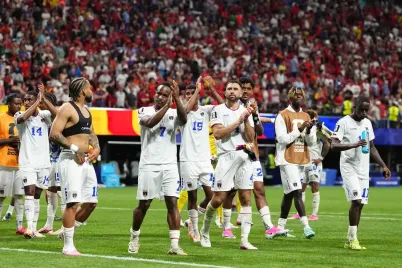
When the final whistle mercifully echoed across the Californian arena just moments later, the contrasting emotions displayed by the two respective nations were incredibly stark. Eustáquio was universally praised by pundits and rightfully awarded the Player of the Match accolade for his talismanic midfield performance and world-class winning strike.
The historic 1-0 triumph ensures Canada progress to the Round of 16 of a men’s FIFA World Cup for the very first time in their sporting history. They will now embark on a highly anticipated journey to Houston, Texas, where they will face a formidable opponent in either Morocco or the Netherlands next Saturday. Having successfully navigated their first-ever knockout fixture under immense pressure, the co-hosts carry immense momentum and belief as they prepare to test their credentials against the tournament’s elite nations.
For South Africa, the devastating late defeat serves as a deeply heartbreaking conclusion to an otherwise immensely proud and highly successful campaign. Having miraculously escaped the group stages following an opening-day defeat, Bafana Bafana thoroughly demonstrated their tremendous fighting spirit and defensive organisation against top-tier opposition. They depart the United States having earned the widespread respect of the global footballing community, providing a solid, inspiring foundation for the future development of the national team under the astute guidance of Hugo Broos.
Official Match Facts
Goalscorers:
Canada: Stephen Eustáquio (90+2′)
South Africa: None
Discipline:
Canada: Nathan Saliba (Yellow Card, 54′), Niko Sigur (Yellow Card, 67′)
South Africa: None