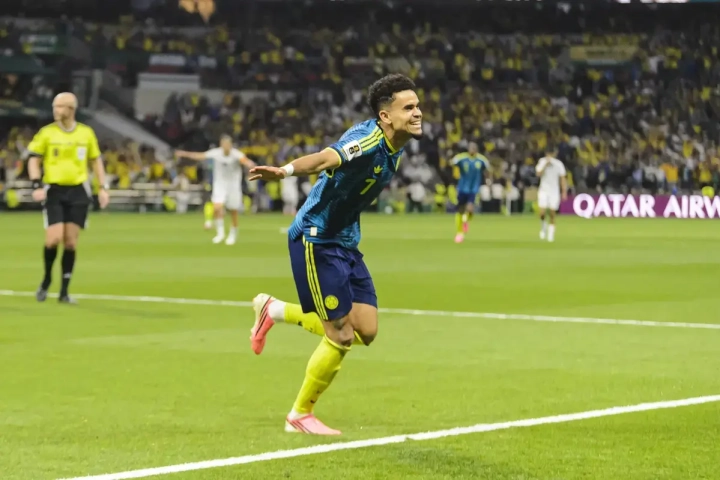
The vibrant footballing heartland of Jalisco prepares to host a fascinating tactical clash this week, as Colombia and the Democratic Republic of Congo cross paths in a pivotal Group K encounter at the 2026 FIFA World Cup. Scheduled for an early morning kick-off at exactly 03:00 BST on Wednesday, 24 June 2026, the match will unfold beneath the spectacular sweeping roof of the Guadalajara Stadium in Zapopan, Mexico. Following an opening round of fixtures that perfectly highlighted the contrasting philosophies of these two nations, the upcoming ninety minutes carry immense significance. With the newly expanded 48-team tournament format heavily punishing early stumbles, both squads arrive on the pitch knowing that a positive result could effectively guarantee their passage into the coveted Round of 32.
Navigating the Complexities of Group K
Arriving in North America for this historic, tri-nation tournament, the overarching narrative surrounding Group K was one of sheer unpredictability. The opening matchday thoroughly validated those pre-tournament assessments, leaving the current standings delicately poised but offering a clear advantage to the South American representatives. Los Cafeteros currently sit proudly at the summit of the bracket with three points, having successfully navigated a potentially tricky opening assignment.
Right on their heels, the Leopards find themselves sharing second place with European heavyweights Portugal, after the two nations played out a highly entertaining 1-1 draw. In the modern, unforgiving reality of a 48-team World Cup, securing a top-two finish or emerging as one of the eight best third-placed teams is absolutely essential for survival. Consequently, the mathematical permutations in Guadalajara are entirely straightforward. A second consecutive victory would propel Colombia to the prestigious six-point mark, effectively sealing their knockout round qualification with a game to spare. For the African challengers, registering a landmark victory would immediately catapult them to the top of the group, completely shifting the balance of power ahead of the final matchday.
Los Cafeteros Seeking to Consolidate Dominance
Guided by the meticulous and highly respected Argentine manager Néstor Lorenzo, the Colombian national side arrived at the global showpiece boasting an impressive sequence of recent results. Their opening 3-1 victory over tournament debutants Uzbekistan served as a potent reminder of their immense attacking capabilities. While the Central Asian outfit provided moments of genuine discomfort, the South Americans ultimately overpowered their opposition through relentless offensive pressure and clinical finishing.
Lorenzo has successfully cultivated a highly settled, cohesive unit that blends seasoned international campaigners with dynamic, emerging talents. Operating primarily within a fluid 4-2-3-1 system, the squad places a massive premium on dominating possession and attacking with expansive width. The undisputed creative fulcrum of the team remains veteran playmaker James Rodriguez, whose peerless vision and set-piece delivery continually unlock stubborn defensive structures.
However, the most terrifying weapon in the Colombian arsenal operates on the left flank. Luis Diaz has translated his scintillating European club form onto the international stage, routinely terrorising opposition full-backs with his blistering acceleration and direct running. He was absolutely instrumental during the victory over Uzbekistan, seamlessly drifting inside to overload the penalty area. To facilitate this attacking freedom, Lorenzo relies heavily on the robust, industrious midfield pivot of Jefferson Lerma and Gustavo Puerta. The duo provides an essential defensive screen, diligently sweeping up loose balls and breaking up opposition counter-attacks before they can truly materialise.
The Leopards’ Resilient Revival
Standing resolutely across the tactical divide is a DR Congo side currently experiencing a profound and deeply inspiring footballing renaissance. Returning to the FIFA World Cup for only the second time in their history, and the first since competing as Zaire in 1974, the West African nation arrived in Mexico determined to shed the label of mere participants. Their opening display against a star-studded Portuguese outfit emphatically announced their arrival on the world stage.
Under the astute tactical guidance of French manager Sébastien Desabre, the Leopards produced a masterclass in structural resilience. Despite conceding a looping header to João Neves in the sixth minute and remarkably holding just 25 percent of the overall possession, they refused to capitulate. Demonstrating immense character, the team equalised deep into first-half stoppage time when forward Yoane Wissa directed a powerful header into the top corner. Securing a 1-1 draw against the European giants earned the nation their first-ever World Cup point, sparking joyous celebrations back in Kinshasa.
Desabre has instilled a rigorous, highly disciplined 5-3-2 defensive framework that is incredibly difficult to penetrate. The defensive line is heavily fortified by the immense experience of Chancel Mbemba and the Premier League pedigree of Aaron Wan-Bissaka and Axel Tuanzebe. By remaining compact and denying space in central areas, they deliberately force opponents into unthreatening, lateral passing sequences. When possession is eventually recovered, the team instantly transitions into a rapid counter-attacking force. Ngal’ayel Mukau, a talented 21-year-old midfielder, emerged as the breakout star of their opening fixture, driving the ball forward with exceptional purpose and linking seamlessly with the physical presence of Cedric Bakambu in the final third.
Anticipated Tactical Battlegrounds
When analysing the granular details of this impending matchup, a fascinating clash of overarching footballing philosophies immediately becomes apparent. The South American side will naturally seek to monopolise the ball, constructing patient, intricate passing networks to systematically manipulate the Congolese defensive block. Through the relentless overlapping runs of full-backs Daniel Munoz and Johan Mojica, they will actively attempt to stretch the pitch, deliberately forcing the African five-man defence to expand and creating central pockets of space.
Conversely, the Leopards will embrace a highly pragmatic, reactive posture. Acknowledging their opponents’ elite technical superiority in sustained possession, Desabre will instruct his team to remain incredibly tight, deliberately congesting the middle of the park. Their defensive solidity heavily relies on forcing the opposition into wide areas and dominating the subsequent aerial duels inside the penalty area. If they can successfully frustrate the Colombian playmakers and drag the match into the nervy latter stages, the explosive pace of Wissa and Bakambu will be immediately weaponised to ruthlessly punish any spaces left behind by the advancing South American full-backs.
Key Matchups on the Pitch
Area of the Pitch | Colombia Personnel | DR Congo Personnel | Tactical Significance |
The Left Flank | Luis Diaz | Aaron Wan-Bissaka | An elite offensive winger against one of world football’s most formidable one-on-one defenders. Diaz’s ability to isolate Wan-Bissaka will largely dictate Colombia’s attacking success. |
Central Midfield | James Rodriguez | Ngal’ayel Mukau | The seasoned creative genius attempting to find pockets of space against the energetic, disruptive pressing of the breakout midfield enforcer. |
The Penalty Box | Davinson Sanchez | Yoane Wissa | Sanchez must maintain flawless concentration and command the defensive line against the relentless movement and clinical finishing of the Congolese forward. |
Historical Precedent and Tournament Storylines
Adding a wonderful element of sheer unpredictability to the proceedings is the complete absence of any historical precedent between the two nations. Wednesday’s encounter marks the very first time Colombia and the Democratic Republic of Congo have ever crossed paths in senior international football. While there is no established psychological hierarchy or past trauma to draw upon, broader statistical trends offer an intriguing narrative. Colombia possess an impeccable recent record against African opposition at the FIFA World Cup, having secured victories in all three of their previous encounters with teams from the CAF confederation, including a narrow 1-0 win over Senegal in 2018.
For the passionate supporters of the Leopards, simply taking to the pitch in Guadalajara represents the culmination of a decades-long dream. Having already secured their historic first point, the squad is unburdened by the crushing pressure of expectation. They are playing with a glorious sense of freedom and national pride, an emotional state that frequently produces giant-killing performances on the global stage.
Injury Outlook and Squad Availability
Preparations for both camps have fortunately been unhindered by significant medical concerns. Following the physically demanding nature of their opening group-stage fixtures, neither side has reported any fresh injury worries or lingering disciplinary suspensions. This pristine bill of health allows both Lorenzo and Desabre the highly luxurious option of selecting their absolute strongest starting elevens. Consequently, the highly anticipated outcome in Mexico will be decided purely on tactical execution, clinical finishing, and individual brilliance, rather than enforced, unwanted compromises.
The Final Word
As the vibrant, colourful supporters from both nations converge on the impressive modern architecture of the Guadalajara Stadium, the extensive theoretical planning and exhaustive video analysis will immediately give way to raw, competitive tournament survival. For the seasoned South American heavyweights, the early morning fixture provides a golden opportunity to definitively assert their dominance, overcome a resilient defensive block, and firmly justify their status as genuine knockout contenders.
For the ambitious African challengers, it represents another monumental test of character against elite international opposition. Millions tuning in across the world can readily anticipate a fiercely contested, high-stakes encounter where fleeting moments of individual genius, unwavering tactical discipline, and sheer mental resilience will ultimately determine who seizes absolute control of Group K.