Digging in the mud, watching things grow, marvelling at the magic of nature – gardening can be an adventure for children of all ages.
Like a seed planted in warm spring earth, an early interest can grow into a lifelong passion, with all the health and wellness benefits that brings.
Whether you’ve a big garden or a sunny spot on a windowsill, there are plenty of opportunities to discover the joy of gardening.
Ahead of National Children’s Gardening Week (23 to 31 May 2026), a UK-wide campaign to encourage families to connect youngsters with nature and start developing green fingers, the outdoor living experts at Trex® have put together a useful guide for helping children get stuck into gardening.
Why is gardening good for children?
Gardening offers children a whole world of benefits – physical, mental and educational.
They’re moving around, breathing fresh air and, for the really little ones, developing fine motor skills by holding tools and handling tiny seeds.
Studies show that nature and outdoor activity is also great for children’s mental health. It triggers the release of serotonin, the feel-good hormone, reduces stress and anxiety, improves attention and builds social skills and cooperation.
Gardening is educational, too. It involves biology, maths and environmental awareness, along with a whole new vocabulary about plants and nature.
Create a safe and enjoyable space
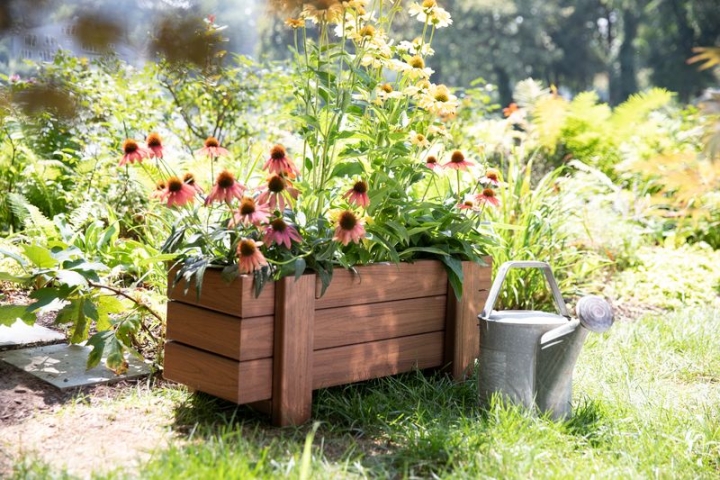
Not every child enjoys getting muddy or wet. Decking can provide a clean, neatly defined, safe outdoor space for children to learn about gardening by growing crops in planters or pots.
Many varieties of cherry tomato are bred specifically for containers and will be perfect on a sunny, sheltered deck. For sweeter home-grown summer snacks, consider choosing a small blueberry bush together to plant in a pot and nurture through the growth cycle.
Children love to have their own space and equipment. Keep a small storage box to store gardening gloves, colourful tools designed for little hands and a small watering can.
What gardening is age-appropriate?
Children can get involved with gardening at any age, even if they’re just watching what you do and gradually learning to help.
Toddlers aged 2-4 can muck in with digging, watering and pressing seeds into soil.
Young children aged 5-8 can grow fast-reward plants like cress, sunflowers or radishes.
Older children aged 9-12 could take on their own dedicated plot or raised bed.
Teenagers might be ready for pruning shrubs and trees, planning the garden or selecting a variety of plants for pollinators.
Great plants for children
Gardening isn’t a quick win, so to keep children interested it’s a good idea to choose plants that grow quickly or produce something they can eat.
Sunflowers shoot up over a few weeks, making it fun to measure and track their progress. Who will be first to grow a bloom that towers over everyone?
Courgettes are also satisfying – sow a seed in late spring and the first leaves will poke through the soil soon after, followed by huge, bright yellow flowers and glossy fruits by July.
Strawberries and tomatoes show children how a flower becomes a fruit, giving them something to check on daily and eventually eat straight from the plant.
Want some flowers that are virtually invincible? Nasturtiums are among the most forgiving flowers in a British garden and they spread quickly with a vivid display of colour.
Growing big in small spaces
You don’t need a large plot to get children into gardening. If you can set up a window box, plant lettuce and other salad leaves. They’ll grow quickly and can be harvested leaf by leaf – so children can appreciate their own home-grown sandwich garnish!
Herbs will grow well on a windowsill. Basil, mint and chives require little maintenance and are beautifully aromatic.
A balcony or deck provides the ideal spot for growing dwarf peas, such as the Tom Thumb variety, in a deep pot with a small cane for support. Let children eat the peas straight from the pod for a true taste of fresh produce.
Keep them interested
A few final tips for nurturing and growing a child’s passion for gardening:
- Give them ownership – let them choose what to grow and have their own patch, pot or window box
- Keep a garden diary with drawings or photos to track growth
- Start with seeds – that moment of spotting the first tiny shoot is exciting
- Label everything with hand-decorated lolly stick signs to add a craft element
Gardening with children can start small. Even one little pot on a deck can spark a lifelong interest. And if they really grow to love it, in a few years you might have your own resident gardener!
Trex is available from a range of builders’ merchants, garden and landscape supplies specialists across the UK, as well as at over 150 Wickes DIY stores. For more information on Trex, visit uk.trex.com