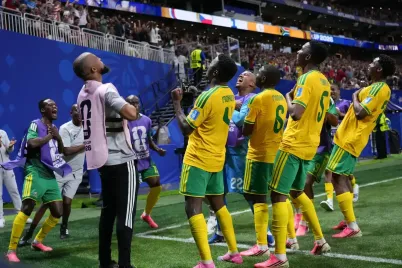
The final round of matches in Group J at the 2026 FIFA World Cup brings together two nations with very different objectives when Jordan and Argentina meet at AT&T Stadium in Arlington, Texas, on Saturday, 27 June. Kick-off is scheduled for 9pm local time in Texas, which corresponds to 3am BST on Sunday, 28 June, and the fixture represents the concluding group-stage assignment for both teams in the competition.
While Argentina have already secured progression to the knockout phase and guaranteed top spot in the group, Jordan enter the contest looking to end a landmark tournament appearance on a positive note. The defending world champions have lived up to expectations during the opening two rounds of fixtures, whereas the World Cup debutants have gained valuable experience against elite opposition despite suffering elimination before the final group match.
That contrast in circumstances does little to diminish the intrigue surrounding the occasion. Every World Cup fixture carries significance, and the opportunity to face one of football’s most successful nations on the sport’s biggest stage is a moment Jordan’s players will remember for years to come. For Argentina, meanwhile, the challenge is maintaining rhythm, momentum and sharpness before the knockout rounds begin.
The tournament has largely unfolded according to plan for Lionel Scaloni’s side. Argentina opened their campaign with victory over Algeria before following it up with another win against Austria, collecting six points from six and ensuring qualification with a game to spare. Those results have underlined why they arrived in North America among the favourites to challenge for another world title.
Scaloni remains the architect of Argentina’s recent golden era. Having guided the national team to Copa América glory and World Cup success, he has overseen a period of remarkable consistency and competitiveness. The squad he has assembled blends experienced internationals with players entering their prime years, creating a group capable of adapting to different opponents and match situations.
A key talking point ahead of the encounter concerns team selection. With qualification secured and first place already confirmed, Argentina have the luxury of managing workloads. Scaloni confirmed before the match that captain Lionel Messi will begin on the bench, a decision that reflects both the depth available to the squad and the desire to ensure players remain fresh for the knockout phase.
Even with changes expected, Argentina possess an abundance of quality throughout the squad. Their performances in the opening group matches highlighted the collective strength that has become a hallmark of Scaloni’s tenure. Defensive organisation, intelligent possession play and an ability to accelerate attacks quickly have all been evident.
Perhaps most impressive has been the defensive solidity shown during the group stage. Argentina entered the final round of fixtures having yet to concede a goal in the tournament. That resilience has provided a platform for success and demonstrated the balance within the team. The ability to control games without sacrificing attacking threat remains one of their defining characteristics.
Recent World Cup history has repeatedly shown the importance of momentum heading into the knockout rounds. Although the standings mean little pressure is attached to the result from Argentina’s perspective, maintaining standards remains a priority. Competitive intensity can quickly disappear if a side becomes complacent, and Scaloni will be eager to ensure his players remain fully focused.
Jordan’s journey to this stage has been historic regardless of the outcome. Participation at the World Cup represented a landmark achievement for the nation, and simply reaching the finals was celebrated across the country. The tournament offered an opportunity to test themselves against opposition operating at the highest international level.
The campaign began with a difficult opening fixture against Austria. Despite ultimately suffering a 3-1 defeat, Jordan demonstrated courage and competitiveness throughout large periods of the match. Ali Olwan’s goal carried particular significance, becoming the nation’s first-ever goal at a FIFA World Cup and ensuring a place in Jordanian football history.
Their second outing saw them face Algeria in a match they needed to win to keep qualification hopes alive. Defeat in that encounter confirmed elimination from the competition, leaving the final group game as an opportunity to play for pride and conclude the tournament with a performance that reflects the progress made by the national programme in recent years.
Head coach Jamal Sellami has played a significant role in Jordan’s recent development. Under his leadership, the team has shown tactical discipline and a willingness to compete aggressively against more established football nations. Qualification for the World Cup itself was evidence of that progress and offered further validation of the work undertaken within the programme.
Although results have not gone their way in North America, there have been encouraging signs. Jordan have not approached matches passively, instead attempting to remain organised defensively while looking for opportunities to attack when possession is regained. Against stronger opponents, maintaining that balance is rarely straightforward, yet the players have continued to compete with determination.
Much of Jordan’s attacking threat revolves around Mousa Al-Tamari and Ali Olwan. Both have become important figures within the national team setup and carry significant responsibility in the final third. Their pace, movement and willingness to take on defenders provide Jordan with outlets during transitions and counter-attacking situations.
Midfield discipline will also be crucial. Against a side capable of dominating possession for extended periods, Jordan’s ability to maintain shape and limit space between defensive lines could determine how competitive the contest remains. Concentration levels must remain high throughout, particularly when facing Argentina’s intricate passing combinations.
Unlike many major tournaments where suspensions and injury concerns dominate pre-match discussion, there have been no widely reported confirmed suspension issues significantly affecting the headline narrative for either side heading into this fixture. The focus instead centres on tactical approaches and how both coaches manage their squads given their differing tournament circumstances.
One of the most interesting aspects of the match is the contrast in footballing backgrounds. Argentina are among the most decorated nations in international football history, boasting multiple World Cup triumphs and a tradition of producing some of the game’s greatest players. Jordan, by comparison, are writing a far newer chapter on the global stage, experiencing the tournament for the first time.
That difference in pedigree adds another layer to the occasion. Every established football power was once an emerging nation seeking recognition, and Jordan’s appearance at the World Cup represents an important step in their own footballing story. Facing the reigning champions offers a unique benchmark against which progress can be measured.
Historical context is limited because the nations have never previously met in a senior international fixture. As a result, this World Cup encounter marks the first meeting between Jordan and Argentina. The absence of prior history creates an unusual dynamic, with both teams approaching unfamiliar opposition compared with many international fixtures where extensive records exist.
The broader Group J narrative has also influenced the significance of the match. Argentina’s victories over Algeria and Austria established their dominance within the section and secured progression ahead of schedule. Meanwhile, Algeria and Austria entered the final round competing for the remaining qualification position, leaving Jordan without a route to the knockout rounds.
Even so, World Cup matches often transcend simple qualification mathematics. Players understand that performances on this stage can define careers and create memories that last a lifetime. For Jordan’s squad, an opportunity to test themselves against the world champions provides motivation regardless of the standings.
Tactically, Argentina are likely to enjoy the majority of possession. Their preference for building attacks patiently before accelerating through central areas has been evident throughout Scaloni’s reign. Rotations between midfield and attacking players frequently create overloads, forcing opponents into difficult defensive decisions.
Jordan may respond by remaining compact and attempting to reduce the spaces available between the lines. Quick transitions when possession is recovered could offer their most realistic route towards creating chances. The effectiveness of those transitions will depend on decision-making and execution under pressure.
Another factor worth considering is the atmosphere expected inside AT&T Stadium. Argentina traditionally attract substantial support wherever they play, and World Cup tournaments often amplify that presence. Jordan’s supporters, meanwhile, have embraced the occasion throughout the competition, creating colourful scenes and backing their team passionately despite difficult results.
Interesting storylines extend beyond the immediate match itself. Argentina are pursuing another deep World Cup run and will view every minute before the knockout stage as valuable preparation. Jordan are participating in a tournament that could inspire future generations of players and supporters back home. Both narratives contribute to the sense of occasion.
Attention will inevitably fall on Argentina’s squad depth given the expected rotation. World Cup-winning teams require contributions from throughout the squad, not solely from established stars. Fixtures such as this provide opportunities for players outside the regular starting lineup to demonstrate their readiness ahead of the more demanding challenges that lie ahead.
For Jordan, the emphasis is likely to be on competitiveness and character. Strong performances against elite opposition can leave lasting impressions even when results prove elusive. Demonstrating organisation, resilience and attacking ambition against the reigning champions would represent a positive conclusion to a memorable campaign.
As the group stage reaches its conclusion, the fixture serves as a meeting point between a nation seeking to defend football’s greatest prize and another experiencing the tournament’s unique atmosphere for the first time. Their paths may be at different stages, yet both arrive with meaningful objectives.
When the players emerge onto the pitch in Arlington, qualification scenarios will no longer dominate the conversation. Instead, attention will shift to ninety minutes of international football between two nations eager to represent themselves with distinction. Argentina will seek to carry winning momentum into the knockout rounds, while Jordan will aim to produce a performance worthy of the historic journey that brought them here. The result will shape only one side’s immediate future in the competition, but the occasion itself promises another compelling chapter in the story of the 2026 FIFA World Cup.