The final round of matches in Group G at the 2026 FIFA World Cup brings together two nations with everything still to play for as Egypt and Iran meet in Seattle in a fixture carrying enormous significance for both sides. With qualification places and group standings still to be determined, the encounter promises to be one of the most compelling matches of the final group-stage programme.
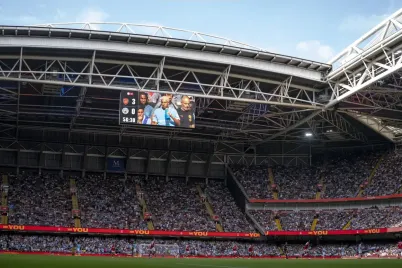
The match is scheduled for Friday 26 June at Seattle Stadium, known commercially as Lumen Field, with kick-off at 8:00pm local time in Seattle. For supporters in Egypt, the contest begins at 6:00am on Saturday morning, while fans in Iran will tune in half an hour later. Taking place simultaneously with the other Group G fixture between Belgium and New Zealand, the evening could bring dramatic shifts in the standings before the final whistle sounds.
Much of the focus entering the contest centres on the state of Group G. Egypt arrive at the final matchday sitting in a strong position after collecting four points from their opening two fixtures. Iran remain firmly in contention following successive draws against New Zealand and Belgium, leaving qualification scenarios finely balanced heading into the concluding round of games. The outcome in Seattle will play a major role in determining who advances to the knockout stages and potentially who finishes top of the group.
For Egypt, the tournament has already produced a landmark achievement. Their victory over New Zealand represented the country’s first World Cup win in more than nine decades, a result that significantly altered the complexion of the group. The comeback success demonstrated both resilience and growing confidence within a squad that has steadily developed under the guidance of head coach Hossam Hassan. That triumph, coupled with their earlier results, has placed the Pharaohs within touching distance of a place in the knockout rounds.
Hassan remains one of the most recognisable figures in Egyptian football history and has sought to build a side that combines experience with discipline. Rather than relying exclusively on individual brilliance, Egypt have shown a collective structure throughout the tournament. The manager has repeatedly emphasised the importance of teamwork and balance, a message reflected in the performances seen so far in North America.
Naturally, Mohamed Salah continues to attract considerable attention. The Liverpool forward remains the standout name within the Egyptian squad and has once again delivered on the biggest stage. Hassan recently spoke of a “new version” of Salah, highlighting his increased creativity and freedom within the team’s attacking framework. Instead of operating solely as a goalscorer, the captain has increasingly become the central playmaker around whom Egypt’s attacking movements revolve.
Beyond Salah, Egypt have benefited from a collective effort across the pitch. Defensive organisation has been a particular strength, while transitions from midfield into attack have frequently allowed them to exploit spaces left by opponents. Their ability to remain compact without the ball and dangerous when possession is regained has become a recurring feature of their performances.
Another important factor has been composure under pressure. During major tournaments, momentum can shift rapidly, yet Egypt have shown an ability to stay focused during difficult moments. That quality was evident in their most recent competitive outing, where they recovered from adversity to secure a result that transformed their qualification prospects.
Entering the final group fixture, there are no widely confirmed suspension issues affecting the Egyptian squad. Similarly, no major verified injury absences have been publicly confirmed ahead of kick-off. As always at this stage of a tournament, managers monitor fitness closely, but Egypt appear likely to have the majority of their key players available for selection.
Tactically, observers can expect a measured approach. Egypt have demonstrated flexibility throughout the competition, capable of defending deep when required yet also willing to press higher when opportunities arise. The presence of Salah offers an outlet in virtually every attacking phase, while the supporting cast has shown increasing confidence as the tournament has progressed.
Standing in their way is an Iranian side that remains unbeaten after two matches and continues to believe strongly in its chances of progression. Consecutive draws against New Zealand and Belgium have kept Team Melli firmly alive in the competition, although the mathematics of the group mean that victory would remove much of the uncertainty surrounding their qualification hopes.
Head coach Amir Ghalenoei has overseen a campaign shaped by both footballing and logistical challenges. In the build-up to the tournament and during the group stage, travel arrangements became a talking point, yet the experienced manager has consistently stressed that his players remain focused on matters on the pitch. His public comments ahead of the match have centred on pride, resilience and the desire to represent the nation positively on football’s biggest stage.
What has impressed many observers is Iran’s defensive organisation. Holding Belgium to a goalless draw required concentration, discipline and tactical awareness. Against technically gifted opponents, Iran restricted space effectively and demonstrated why they have become one of Asia’s most consistent international teams over the past decade.
The draw with New Zealand also highlighted the squad’s determination. Although not always dominant, Iran found ways to remain competitive and collect a result that preserved their hopes heading into the final group fixture. That resilience has become a hallmark of the national side across multiple tournament cycles.
Several players have produced influential performances during the campaign, helping Iran remain difficult to break down while maintaining a threat on the counter-attack. The team often looks to combine defensive stability with quick attacking transitions, a style that could create fascinating tactical battles against Egypt’s organised structure.
As with their opponents, there are no widely confirmed suspension concerns affecting Iran ahead of the match. Publicly verified injury information has also remained limited, meaning caution is required when assessing availability. Based on confirmed reports entering the fixture, Iran appear set to field a squad close to full strength.
The strategic contest between the two managers may ultimately prove decisive. Egypt have often enjoyed more possession during their matches, while Iran have shown a willingness to remain compact before springing forward rapidly when opportunities arise. Whether one side can impose its preferred rhythm on proceedings may determine who gains the upper hand in key moments.
Historical context adds another layer of intrigue. Meetings between Egypt and Iran have been relatively rare compared with many international rivalries, making this World Cup encounter particularly notable. Both nations possess rich footballing traditions and passionate supporter bases, yet opportunities to face one another in competitive settings have been limited.
Each country occupies a significant place within its respective continental confederation. Egypt remain one of Africa’s most decorated football nations, boasting a record number of Africa Cup of Nations titles and a history stretching back to the earliest eras of international competition. Iran, meanwhile, have long been among Asia’s strongest teams and have consistently challenged for honours and World Cup qualification places throughout modern football history.
Interesting storylines have emerged around the fixture beyond the purely sporting implications. The match takes place in Seattle during a period of heightened attention surrounding local events in the city, generating additional international discussion in the build-up. Both managers have sought to keep attention fixed firmly on football, repeatedly stressing the importance of the sporting contest itself.
The wider tournament narrative also contributes to the anticipation. Group G has remained competitive throughout the opening two rounds, with every side entering the final matchday still harbouring ambitions of advancement. Because the games are being played simultaneously, players, coaches and supporters will inevitably keep one eye on developments in Vancouver, where Belgium and New Zealand meet.
Momentum often proves decisive at major tournaments, and both teams have reasons for optimism. Egypt carry confidence from a historic victory and the knowledge that they have already demonstrated an ability to win under pressure. Iran can point to their unbeaten record and a defence that has stood firm against strong opposition. Neither side arrives in Seattle lacking belief.
Key battles are likely to emerge across the pitch. Egypt’s attacking creativity against Iran’s defensive structure represents one obvious area of interest. Equally important will be the midfield contest, where control of possession and territory could shape the flow of the evening. Small margins frequently decide World Cup matches, particularly when the stakes are this high.
Experience may also play a significant role. Both squads contain players accustomed to performing in major international fixtures and high-pressure club environments. Maintaining composure amid the intensity of a decisive group-stage match will be essential, especially if qualification scenarios begin to shift as news arrives from the parallel fixture.
As the final round of Group G approaches, anticipation continues to build. Egypt know that a positive result could crown an already memorable group-stage campaign and potentially secure a favourable pathway into the knockout rounds. Iran understand that a strong performance could extend their World Cup journey and reinforce their status among the tournament’s most resilient teams.
Under the lights in Seattle, with qualification hopes hanging in the balance and the eyes of supporters across Africa, Asia and beyond fixed firmly on the action, the stage is set for a contest of considerable consequence. Whether defined by a moment of individual brilliance, a tactical masterstroke or sheer determination, Egypt against Iran carries all the ingredients of a memorable World Cup occasion and stands as one of the most significant fixtures of the group stage’s closing day.